
Scientists at ETH Zurich have built a tiny electronic implant that converts excess blood glucose into a substance the body can excrete. In experiments reported in Science on October 22, 2026, the wirelessly powered system controlled blood sugar in diabetic mice, with glucose returning to the normal range within approximately one hour. It has not been tested in people, and the results do not establish a diabetes cure.
The prototype, called ECHO for electrocatalytic closed-loop health optimization, combines an electrically activated catalyst, an external glucose monitor and wireless control. Unlike an insulin pump, the core device does not inject medication or release engineered cells. It changes the chemistry of some circulating glucose instead.
Archival 2023 footage, credited to the Fussenegger Lab and ETH Zurich, describes an earlier glucose-powered fuel-cell prototype. It is not a demonstration of the 2026 ECHO implant. Watch directly on YouTube.
A gold-and-platinum catalyst does the work
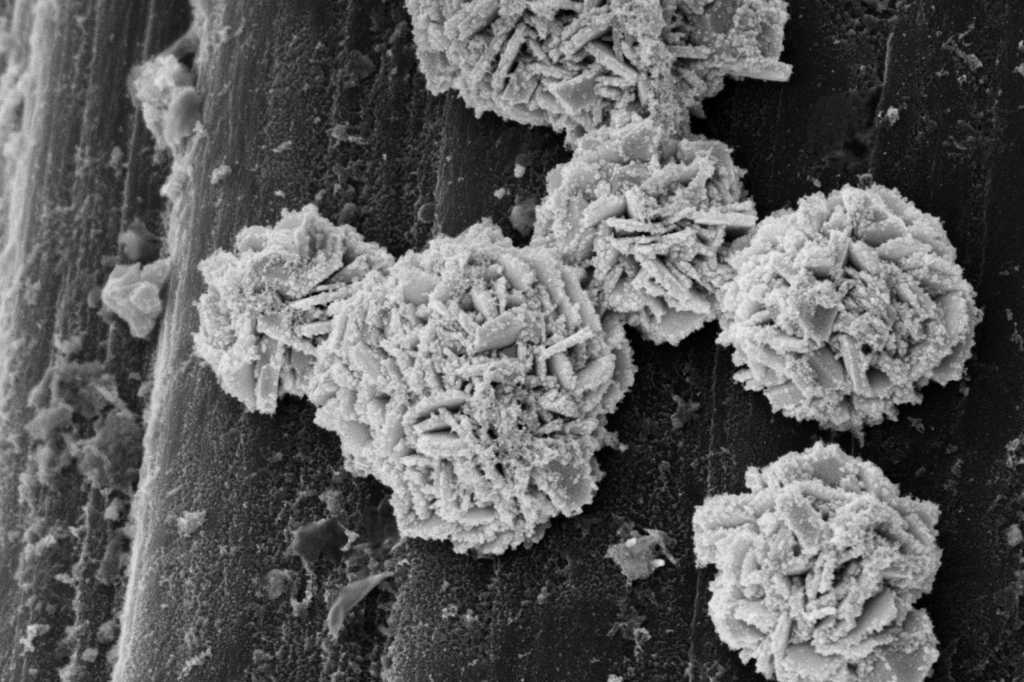
The reaction occurs on graphite felt containing gold nanoclusters decorated with platinum particles. When energized, the catalyst oxidizes glucose into gluconate, which the researchers describe as being cleared through the kidneys. The catalyst contains no living cells or enzymes, reducing dependence on engineered biological material, although an implanted device still faces major biocompatibility and durability requirements.
ETH researchers enclosed the catalyst and electronics in a 3D-printed housing. Their wireless-power setup operates at 13.56 MHz, an industrial, scientific and medical radio-frequency band. The study reports catalyst operation at approximately 0.75 volts and 10 milliamperes, equivalent to 7.5 milliwatts of electrical power at those values. The figure does not include external transmitter losses, smartphone consumption or every system component.
The phone closes the control loop
A continuous glucose monitor tracks changing glucose levels, while a connected phone or wearable provides a control link. When the reading exceeds a programmed threshold, wireless power activates the catalyst. When glucose returns to the target range, the controller shuts the device down. In engineering, a closed-loop system measures an output and feeds the measurement back into control decisions; it does not simply run continuously at a fixed setting.
The researchers also demonstrated glucose conversion in a separate five-litre laboratory solution, approximately the volume of blood in an adult body. A container of liquid cannot establish whether an implant will clear glucose safely, quickly or reliably in human circulation. The distinction matters when interpreting prototype-scale demonstrations.
What six weeks of mouse testing actually showed
In type 2 diabetic mice, the group reported lower blood glucose, reduced body weight and triglycerides, and no detected hypoglycemia or adverse physiological, inflammatory or behavioral effects during six weeks of treatment. The published observations are promising but limited by animal physiology, study duration and experimental conditions. Long-term electrode stability, immune response, unintended chemical reactions, dosing precision and power-transfer safety remain clinical-development questions.
Earlier cell-therapy research covered by BitcoinVersus.Tech uses a different mechanism, aiming to restore biological function. ECHO instead explores direct electrocatalytic removal of glucose.
Why the hardware could matter beyond diabetes
Implantable electronics are increasingly intersecting with chemical sensing and biological systems. Recent coverage includes Stanford’s miniature optical chemistry sensors, a high-resolution experimental bionic eye and neurons integrated with silicon computing hardware. The applications differ, but all raise questions about interfaces, stability, fabrication and trustworthy measurement.
For ECHO, the next decisive evidence would be independent replication, longer-term animal studies, manufacturing and regulatory work, followed by properly supervised human trials. Until then, its achievement is experimental glucose control in mice, not an available medical treatment.
Primary sources: ETH Zurich report, October 22, 2026; Maity and colleagues, Science, DOI 10.1126/science.ady8560; Physics World researcher interview, November 4.
Editor’s note: The cover is an original oil painting of a conceptual laboratory scene; the mid-story electron micrograph is authentic ETH Zurich imagery with attribution. The historical YouTube clip concerns earlier research and must not be mistaken for ECHO test footage.
We volunteer daily to ensure the credibility of the information on this platform is Verifiably True. If you would like to support to help further secure the integrity of our research initiative, please scan the QR code below.



Leave a Reply