
Microsoft has chosen a way to assemble future Azure-designed chips that resembles a miniature network of silicon bridges. In a November 18, 2026 agreement, the company became the first to publicly announce use of Intel Foundry’s Embedded Multi-die Interconnect Bridge (EMIB) packaging for its own Azure silicon. The expanded partnership also secures multi-year supplies of Intel Xeon server processors, including upcoming Diamond Rapids systems. Neither company identified the custom chip model, manufacturing volume or shipment date. The commitments appear in Intel’s joint announcement and Microsoft’s newsroom.
How microscopic bridges join multiple chips
Traditional processors once concentrated most functions in a single silicon die. Large AI systems increasingly combine chiplets, smaller pieces providing compute, memory interfaces or other functions within one package. An EMIB bridge is a small piece of silicon embedded in the package substrate, connecting neighboring dies with high-density electrical wiring. Unlike packaging that places a large silicon interposer beneath the entire assembly, EMIB uses bridges only where neighboring chips need them. The objective is higher bandwidth and flexible assembly without paying for a full-size interposer.
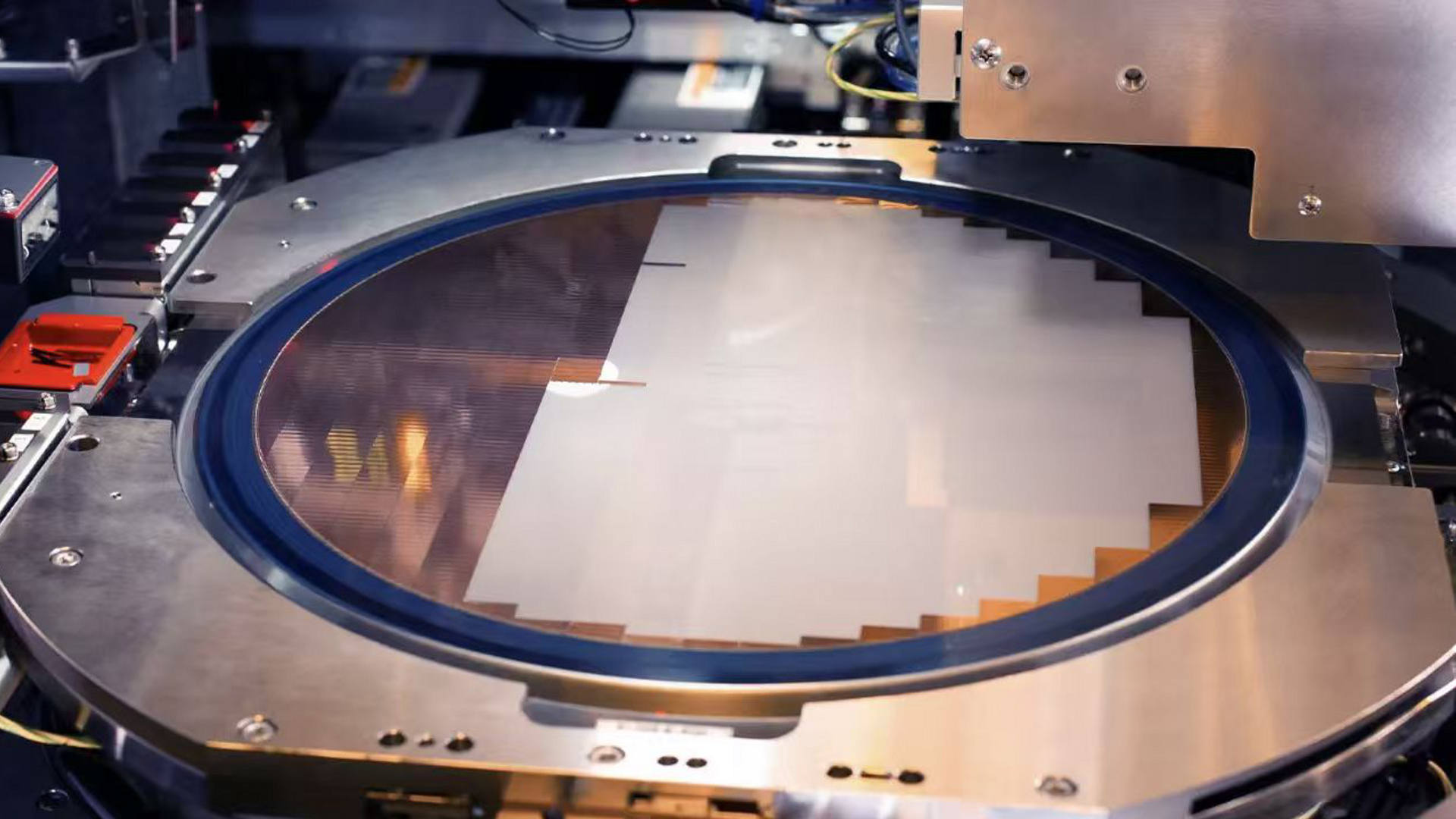
The distinction is not cosmetic. Engineers can assemble silicon made for different purposes or manufacturing nodes, but every interface introduces challenges in signal integrity, heat, mechanical stress and packaging yield. Intel’s packaging portfolio also describes EMIB-T, a variant adding vertical power-routing features to its silicon bridges. The Microsoft announcement names EMIB, not a specific EMIB-T implementation. For comparison, our reporting on full silicon interposers and CoWoS-L packaging examines competing approaches.
Three parts of the Azure agreement
First is future Microsoft-designed silicon packaged using Intel technology. Second is Xeon supply, including Diamond Rapids processors; those are server CPUs, not necessarily the undisclosed Azure custom design. Third is system optimization involving Compute Express Link (CXL) memory, Intel QuickAssist (QAT) acceleration and confidential computing. Intel’s release cites up to 2.3 times performance for a selected Azure M-series v4 comparison and up to 2.5 times faster SQL backup in a different QAT comparison. Both use specific systems and workloads, not an EMIB-versus-non-EMIB benchmark.
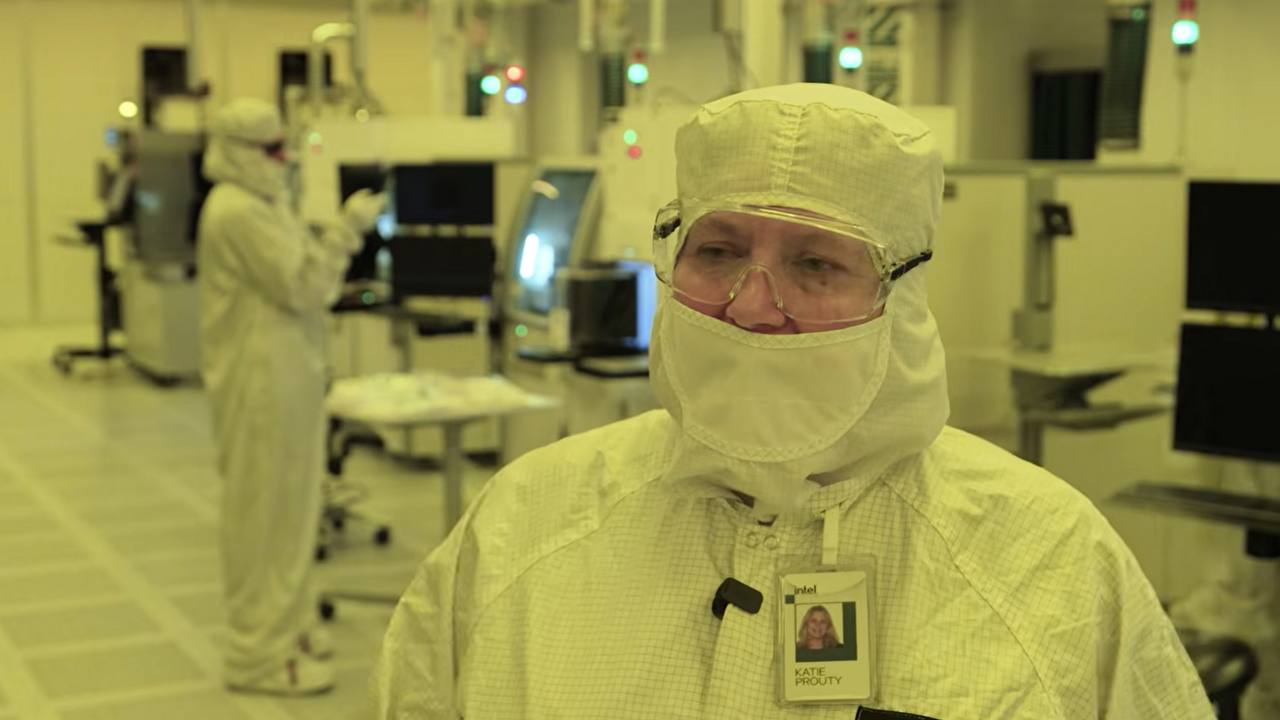
CXL can extend or reorganize access to memory beyond local DRAM, helping servers match memory capacity to demanding tasks. Our CXL 4.0 explainer covers the underlying link. Intel’s Diamond Rapids architecture illustrates another shift toward modular server chips. Confidential computing addresses a different requirement: keeping designated workloads protected even while their virtual machines are moved or managed on shared infrastructure.
What the announcement still leaves unanswered
No product data sheet was released for the Microsoft EMIB chip. There is no published Azure package layout, price, delivered throughput, thermal result, production volume or date when customers can request an instance using it. Data Center Dynamics independently noted the unspecified hardware and timetable. The EMIB selection should also not be equated with Intel’s separately announced outside 18A-P wafer customer: packaging a chip and fabricating its transistors are distinct services.
The competitive significance is strategic. Intel seeks to turn its chip-packaging operations into a service for customers designing specialized compute hardware, while Microsoft wants greater control of its cloud infrastructure. Intel’s New Mexico packaging report documents an established manufacturing base. Whether the new arrangement improves Azure costs or energy efficiency will depend on deployed products and independently comparable measurements.
Primary documents and media
- Intel: Microsoft–Intel Azure agreement, November 18, 2026
- Microsoft: official Azure partnership announcement
- Intel Foundry: EMIB and EMIB-T technology descriptions
- Intel: U.S. advanced-packaging facilities and photo sources
- Microsoft Azure Mv4 and CXL technical details
- Data Center Dynamics: independent November 20 report
- Official Intel EMIB explanation on YouTube, linked without an unverified embed
Editorial media disclosure: The 1200 × 630 cinematic anime featured cover is an original conceptual illustration. It does not depict a disclosed Microsoft processor. The exact approved BitcoinVersus.tech watermark is reused once at bottom-left. The two in-story photographs come from Intel’s own manufacturing coverage. The official Intel YouTube video is linked but not embedded because successful in-page playback could not be verified.
We volunteer daily to ensure the credibility of the information on this platform is Verifiably True. If you would like to support to help further secure the integrity of our research initiative, please scan the QR code below.



Leave a Reply