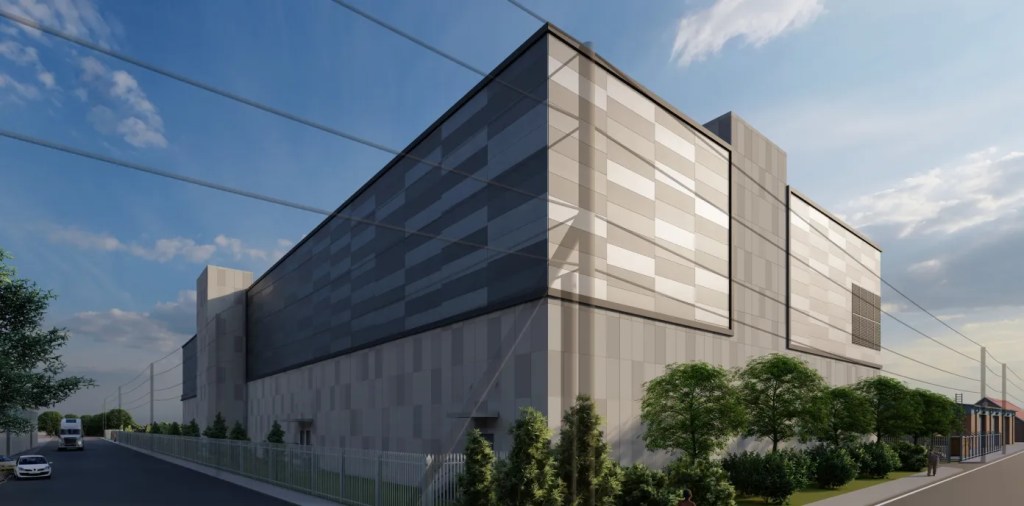
Flatiron Energy announced the groundbreaking of its Energizar battery storage project in Chelsea, Massachusetts, on November 12, 2026. Rated at 250 MW and 1,200 MWh, the facility is designed to shift electricity from lower-demand periods into hours when Greater Boston needs additional power. The developer expects commercial operation in the fourth quarter of 2027. Construction is a milestone, not evidence of an operating battery. Read Flatiron’s November announcement.

What 1.2 GWh means for the grid
The distinction between power and energy determines how a battery can serve the electricity system. A 250 MW power rating describes the rate at which electrical energy can be delivered. Dividing 1,200 MWh by 250 MW yields a theoretical discharge duration of 4.8 hours at rated output. Actual duration depends on usable capacity, operating limits, conversion losses and the conditions specified in the grid connection agreement.
A battery does not generate new energy from a primary fuel. It shifts electricity across time. During charging, power conversion equipment changes grid electricity into direct current for storage. During discharge, inverters convert stored energy back into alternating current, and transformers match the voltage required by the grid. Compare our coverage of Virginia’s automated substation battery for a smaller system serving local demand.
An urban battery rather than a remote power plant
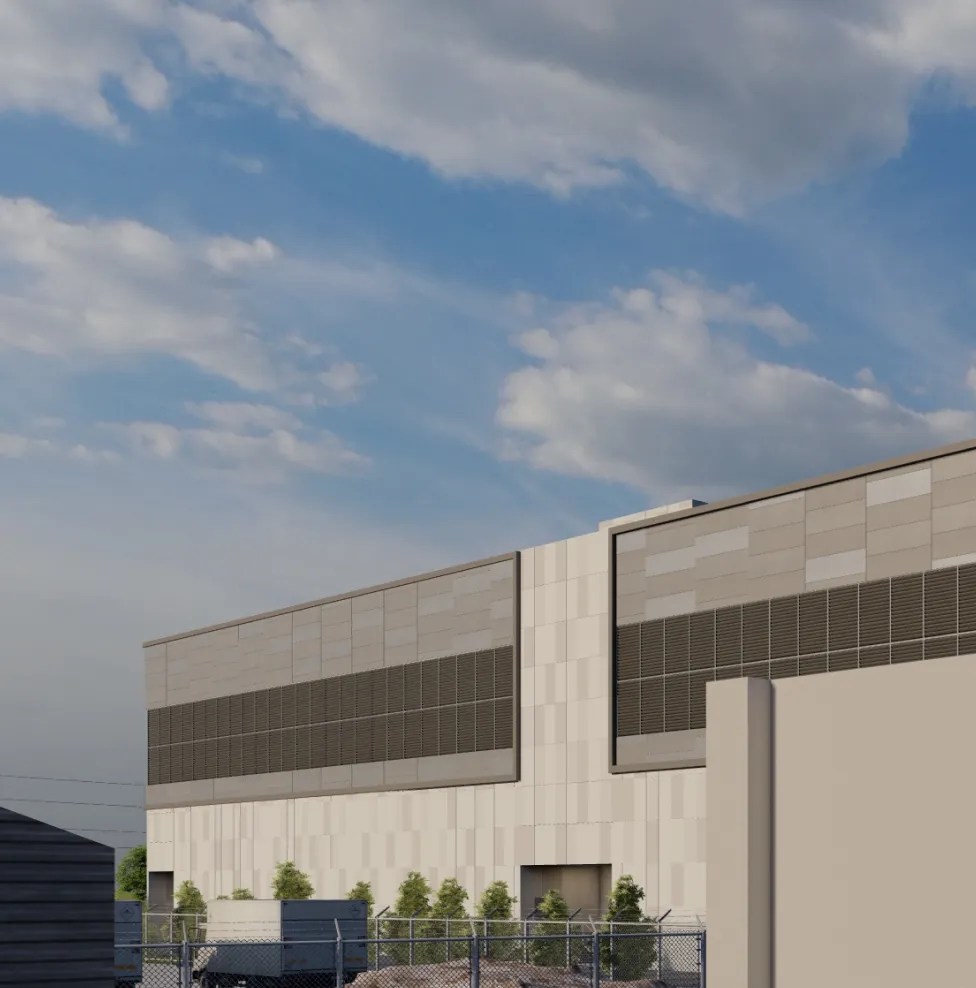
The project occupies a former industrial property on Eastern Avenue in Chelsea, according to Boston Business Journal reporting carried by NBC Boston. Installing storage close to urban demand can reduce loading on constrained equipment during peak hours, provided the grid connection and dispatch schedule are designed accordingly. Other investments, such as Cambridge’s underground substation and New York’s underground transmission network, address different parts of the same capacity problem.
For an illustrative 85% round-trip efficiency, delivering 1,200 MWh would require approximately 1,412 MWh of charging electricity, leaving about 212 MWh of losses across the cycle. The efficiency assumption is not a published Energizar specification. Financial value depends on the difference between charging and discharging prices, capacity payments, degradation and operating costs.
Financing, safety and the construction schedule
Flatiron secured approximately $850 million in financing commitments, including debt, equity and tax-credit arrangements. The amount represents financing commitments rather than a verified final construction cost. Consigli Construction leads the build. The project website describes earlier 1,000 MWh and Q2 2027 figures, while its construction timeline indicates testing near the end of 2027. The newer November release supplies the 1,200 MWh and Q4 2027 targets used here.
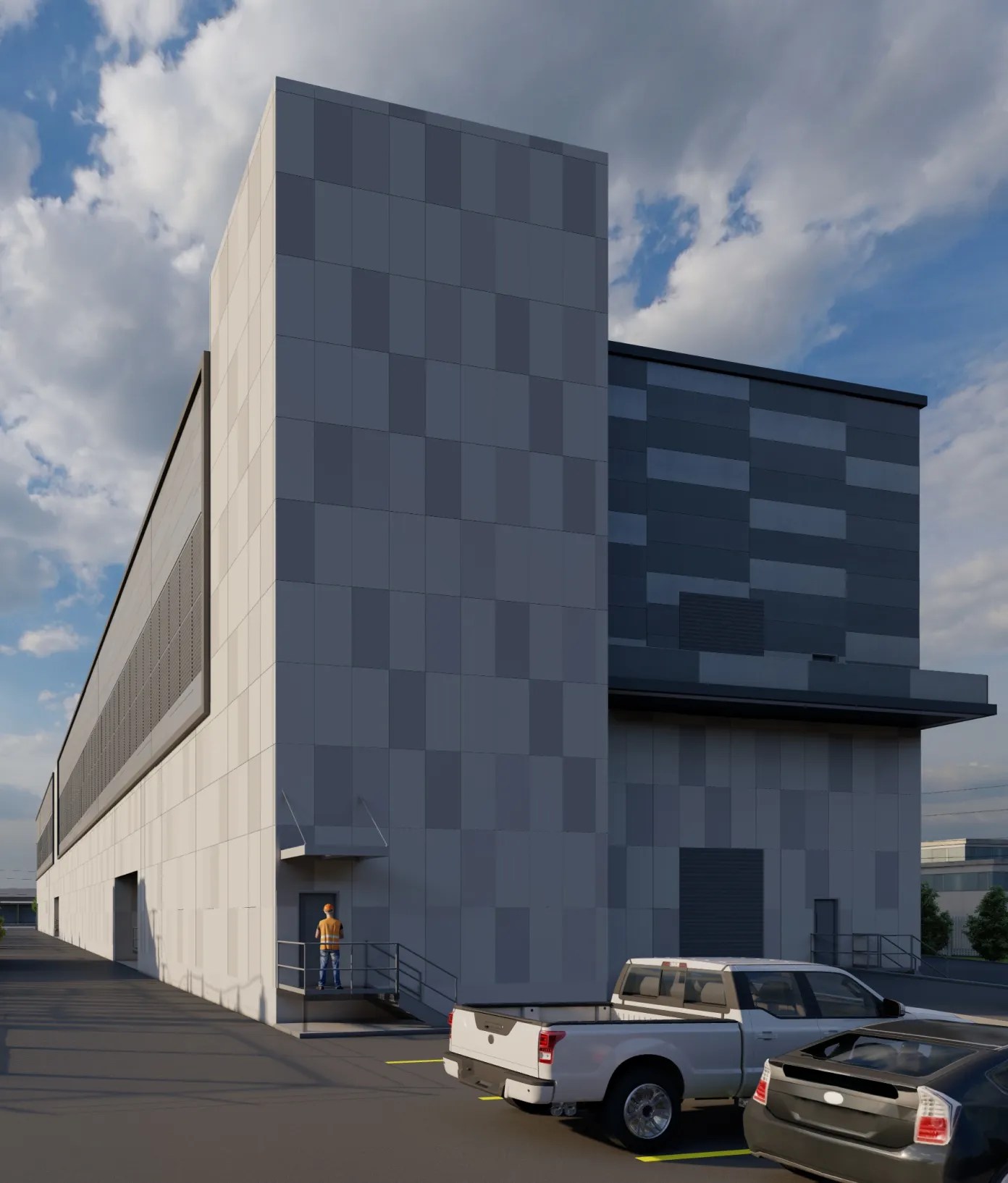
Urban storage requires careful attention to fire detection, electrical isolation, emergency response and equipment access. Flatiron reports ongoing emergency response training with the Chelsea Fire Department and commitments to local workforce programs. Battery degradation and replacement costs also matter over the operating life. Alternative technologies such as China’s liquid-air energy storage project offer different duration and siting trade-offs.
The most meaningful milestones ahead are equipment installation, interconnection testing and demonstrated commercial dispatch. Until those occur, Energizar’s rated power, energy capacity and expected reliability benefits remain design targets.
Featured image: official Flatiron Energy project rendering, not a photograph of completed construction.
We volunteer daily to ensure the credibility of the information on this platform is Verifiably True. If you would like to support to help further secure the integrity of our research initiative, please scan the QR code below.


Leave a Reply