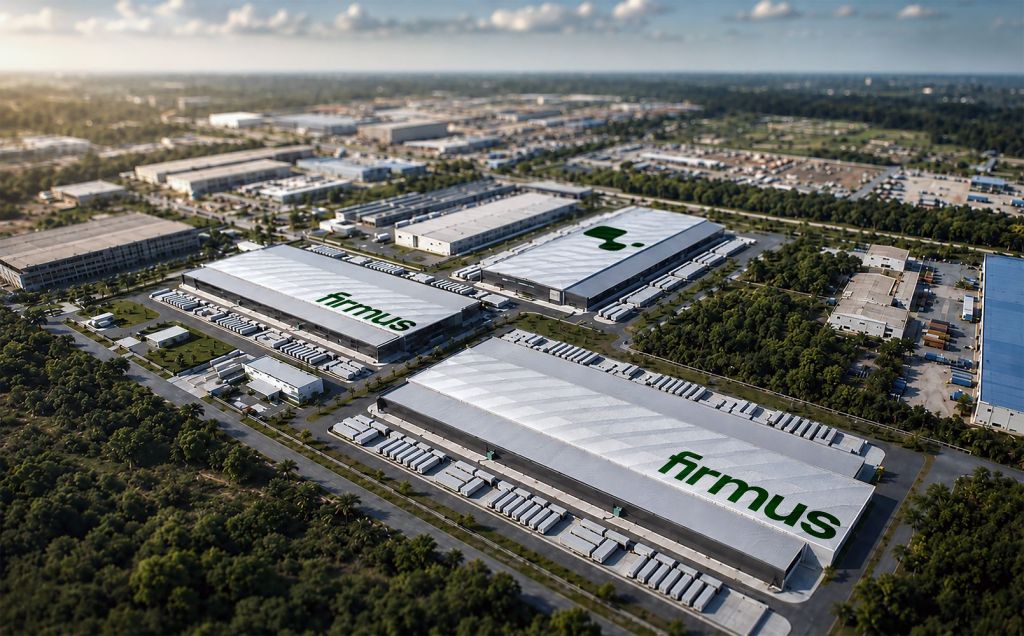
Tasmania’s industrial sites and hydroelectric system are attracting developers seeking energy for large artificial intelligence clusters. Firmus’s Project Southgate proposes repurposing former manufacturing properties for modular AI factories, including sites in northern Tasmania. The company’s ambitions have prompted scrutiny of whether the island can expand renewable generation and maintain reliable electricity service.
On November 12, Pulse Tasmania reported that Firmus told a parliamentary inquiry it expected to fund renewable electricity and network upgrades associated with its planned facilities. Hydro Tasmania’s published statement identifies a 444 MW electricity contract request and explains that the utility had not made a decision when it issued the statement. A request is not an approved supply allocation.
Modular AI factories on industrial land
Firmus’s Southgate project description emphasizes high-density computing modules, power efficiency and water minimization. One proposed facility occupies former pulp mill land at Bell Bay, while another would reuse part of the Wesley Vale pulp mill property. Existing industrial land may simplify some aspects of development, but every campus requires appropriate electrical distribution, telecommunications, cooling infrastructure and environmental approvals.
AI training workloads use interconnected accelerator systems that can draw substantial power within a small physical footprint. Modular design can allow operators to expand by deploying standardized units rather than constructing an entire final campus before installing hardware. The electrical grid, however, must support the cumulative demand of the modules.
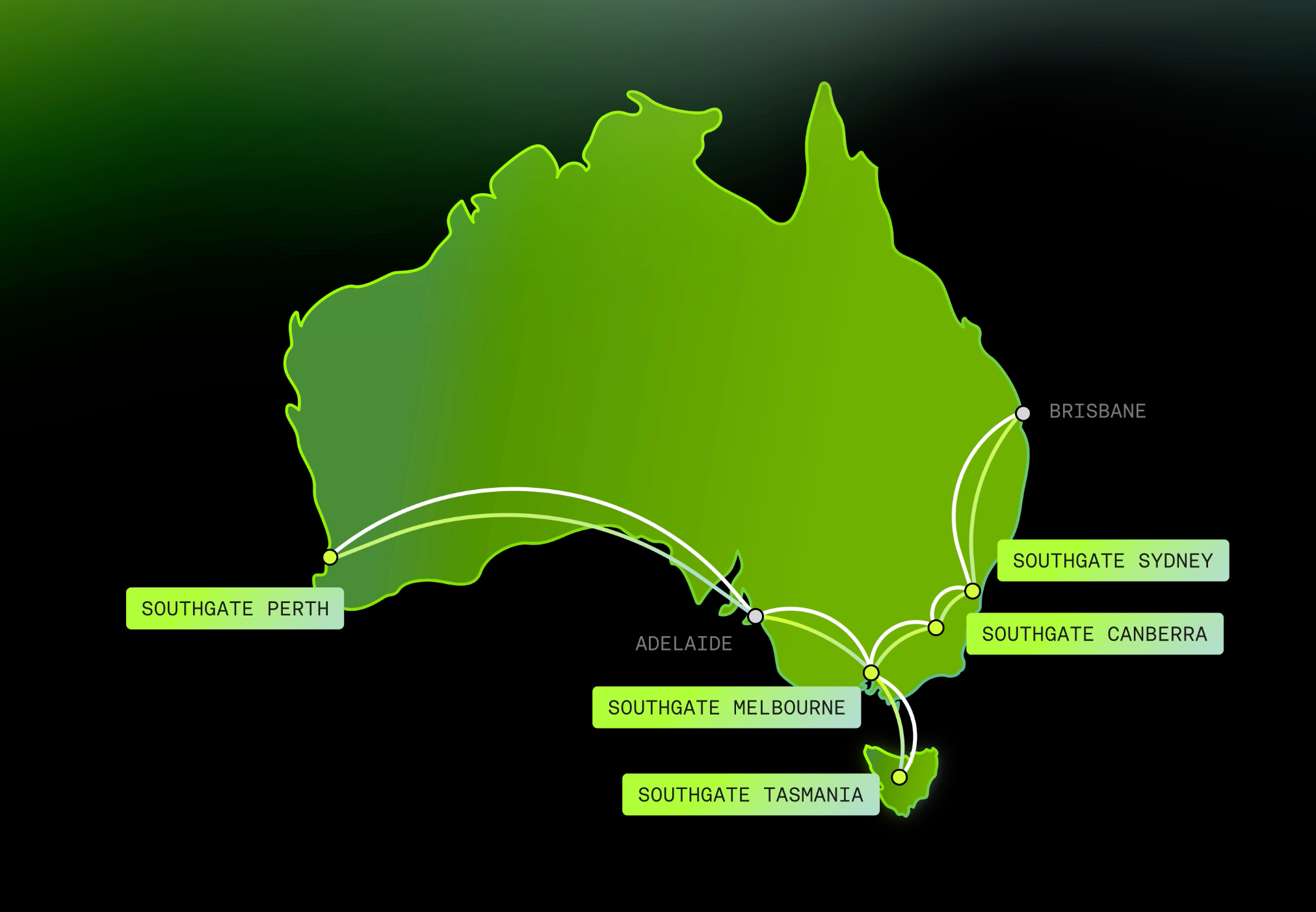
What 444 MW would mean
If 444 MW were drawn continuously for one year, the facilities would consume approximately 3.89 TWh of electricity. That calculation assumes full load for 8,760 hours; actual annual consumption would depend on commissioning, server utilization, availability and curtailment arrangements.
Hydroelectric systems offer controllable generation within water availability and reservoir constraints. Supporting large new loads can nevertheless require new wind or solar facilities, transmission reinforcements, storage and other firming resources. A renewable electricity contract does not by itself establish that sufficient generation and network capacity exist in every hour.
Regulatory and commercial milestones
The project is not a completed 444 MW AI installation. Firmus has proposed multiple facilities, and development approval, funding and electricity supply are distinct milestones. ABC reported in October that full funding remained outstanding and Hydro Tasmania was assessing the power request.
The next evidence to watch includes finalized supply arrangements, identified additional renewable generation, verified network connection capacity and commissioning of individual AI halls. The project offers a useful example of how the location of computing infrastructure can be shaped by electricity resources, while highlighting the need to distinguish a development ambition from an operating installation.
Related coverage: Google geothermal agreement · Geothermal transmission capacity · Offshore AI power · Hydropower-backed compute


Leave a Reply