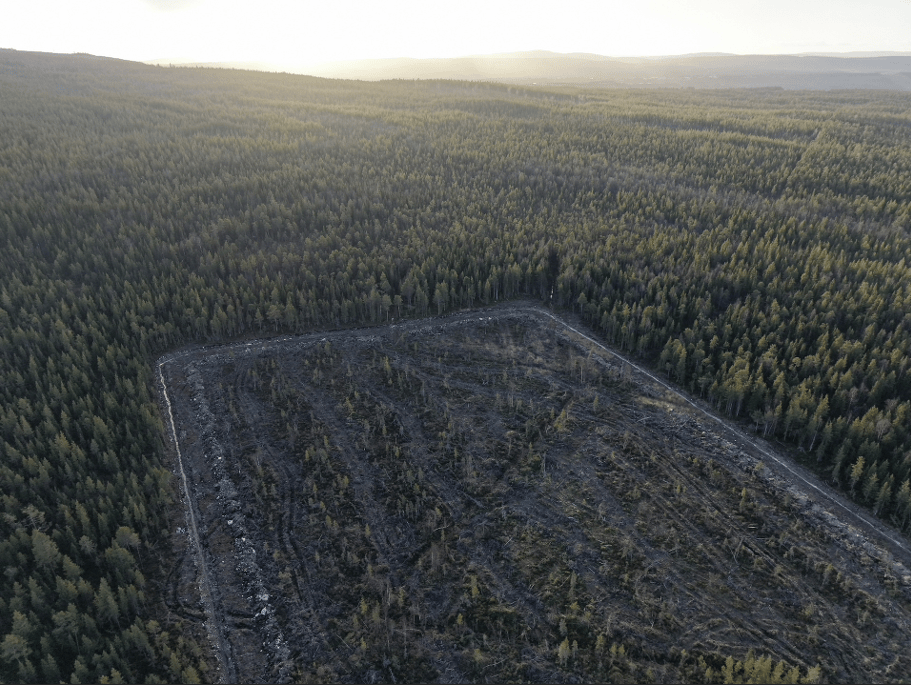
An artificial intelligence campus planned in northern Sweden could become an electricity consumer and a supplier of useful thermal energy. On November 10, Norwegian AI infrastructure developer Fossefall announced a grid connection agreement with Vattenfall Eldistribution for 65 MW at Jokkmokk. The company identified a possible 135 MW expansion, which would bring the eventual campus capacity to 200 MW.
Two days later, Jokkmokk Municipality published findings from a feasibility study examining how recovered data center heat could feed its district heating system. The combination offers a potential way to use more of the energy entering a computing facility, without treating waste heat as additional electricity generation.
Hydroelectric access and staged computing capacity
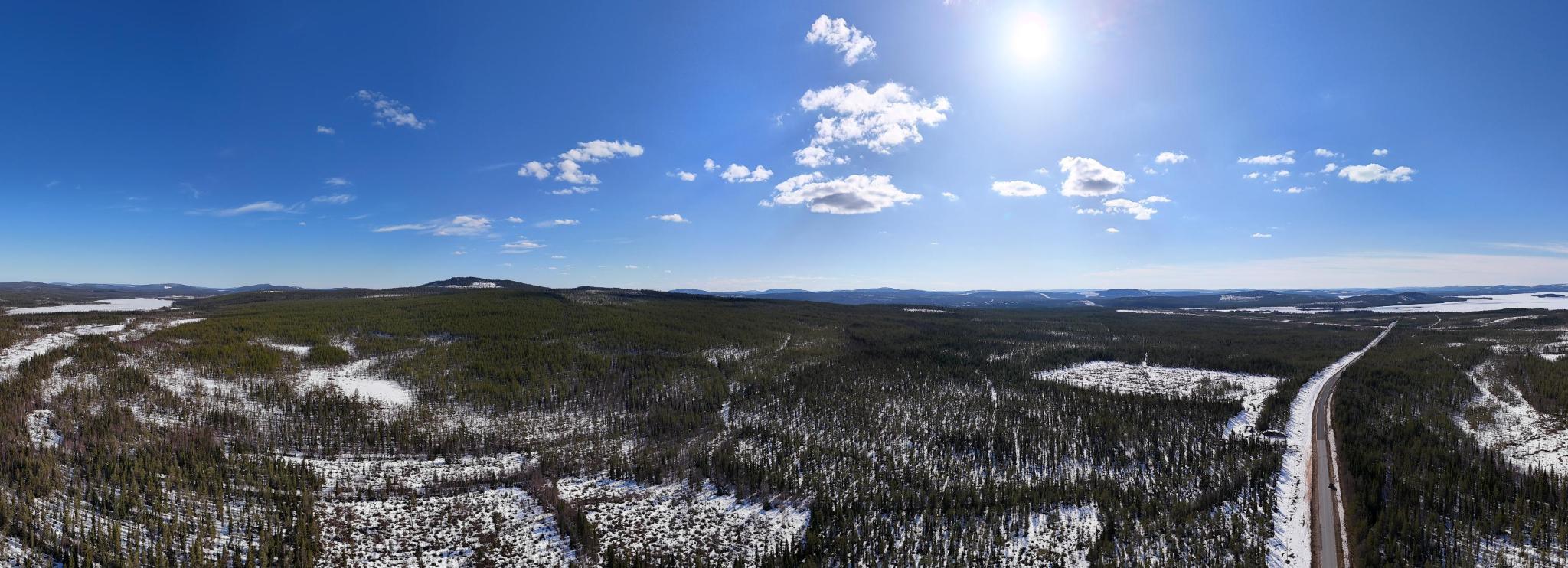
Fossefall’s proposed 35-hectare site lies in Sweden’s northern SE1 electricity bidding zone. The company describes its Nordic development strategy as centered on hydropower-rich regions. The grid agreement reserves capacity rather than guaranteeing an exclusive hydroelectric supply contract or confirming that servers are already energized.
Vattenfall will perform connection-related infrastructure work, with investment from Fossefall. Construction is targeted for the second quarter of 2027, subject to a final investment decision. An earlier company announcement in May described an initial development stage of approximately 45 MW; neither figure constitutes a commissioned IT-load measurement.
At full continuous utilization, a 65 MW facility would consume 569.4 GWh annually. The actual amount depends on the timing of commissioning, power utilization and the distinction between grid intake and IT power. GPU servers also need electrical redundancy, networking and mechanical cooling before customer workloads can begin.
Context video: Vattenfall’s July 2026 explanation of modern Swedish hydropower research, not footage of the proposed AI campus.
Recovering heat for district heating
Most electricity consumed by computing equipment ultimately becomes heat. A liquid cooling loop can transfer that energy to a heat exchanger. Where temperatures are insufficient for a district heating network, a heat pump can raise them at the expense of additional electrical input.
DataCenterSweden’s November 23 report describes an 8 MW heat pump and 100 MWh thermal accumulator in the feasibility study. At a hypothetical 8 MW heat output, the tank would hold approximately 12.5 hours of output before thermal losses and operating constraints.
The proposed arrangement could reduce dependence on the existing biomass-fired heat supply. However, its estimated seven-year payback assumes inexpensive recovered heat; a supply agreement has not been established. Backup boilers or other heat sources remain important during server outages, maintenance and seasonal demand peaks.
The decisive evidence will be a funded investment decision, physical construction, commissioned grid capacity, a signed heat supply agreement and measured electricity and heat flows. Jokkmokk remains a development project rather than a functioning AI-heated town.
Related coverage: Hydroelectric computing in Paraguay · Tasmania’s AI factories · Norwegian Bitcoin-to-AI conversion · Geothermal AI infrastructure


Leave a Reply