
Repurposing gas infrastructure
Reuters reported on November 27, 2026, that Gazprom has identified potential pilot projects totaling 400 MW at idle gas compressor facilities in Russia. The proposal aims to respond to regional electricity shortages and rising data center demand. A company official described the conversion as potentially faster and less costly than greenfield construction. The reported capacity represents identified opportunities, not generating assets confirmed to be operating.
Featured cover: conceptual editorial illustration, not a photograph of the named project. Documentary and contextual images are identified in their captions.
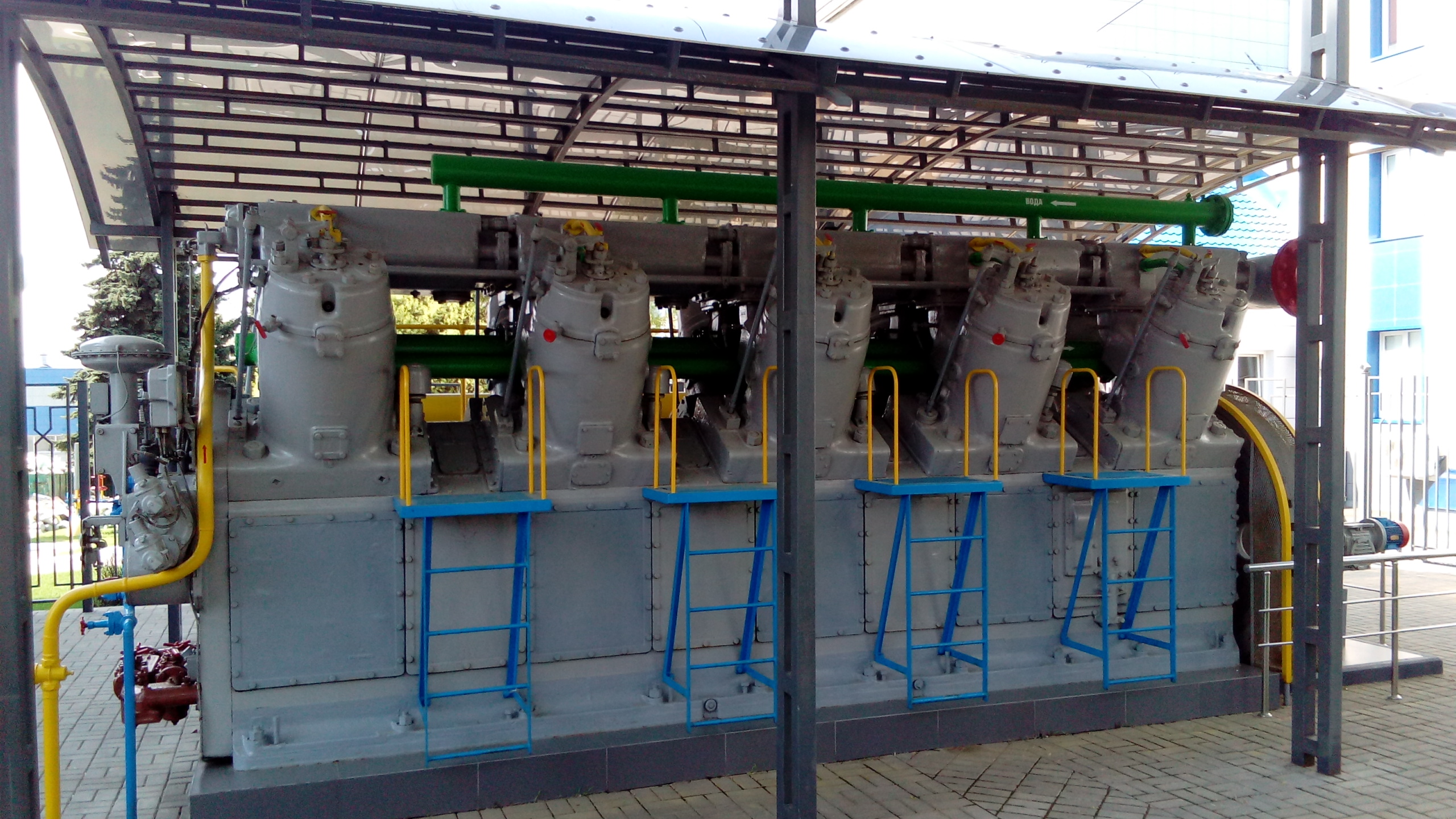
The role of compressor stations
Gas pipelines require pressure to transport natural gas over long distances. Compressor stations provide mechanical work to raise or maintain pressure along the network. Their sites can contain fuel connections, industrial buildings, machinery and supporting infrastructure. Under appropriate technical and regulatory conditions, existing assets may offer a starting point for adding local power generation. However, a compressor is designed to move gas, not automatically produce usable electrical output for a utility network.
What a conversion would require
A power-generation project would need suitable prime movers, electrical generators, transformers, protection systems, controls and a route for delivering power. The economics depend on which assets are reusable, their condition, gas availability and the cost of grid connection. Some locations may require significant changes to electrical and cooling infrastructure. The reported proposal does not identify the final equipment configuration or specify measured electrical efficiency for the candidate facilities.
A hypothetical computing load
At a constant 400 MW of output, generation would total 9,600 MWh per day. A data center campus receiving 400 MW of facility power at an assumed power usage effectiveness of 1.25 could allocate approximately 320 MW to IT equipment. Both calculations are illustrative; neither demonstrates that Gazprom’s proposed output would be dedicated to computing or that the projects would operate at full load continuously. Grid requirements and other customers could change the allocation substantially.
Reliability and emissions tradeoffs
Gas-fired generation can respond to changes in electrical demand, although startup characteristics depend on the selected technology. Data centers require reliable electrical delivery and redundant infrastructure beyond a source of fuel. Gas supply, maintenance and grid protection all affect availability. Carbon dioxide from combustion and methane emissions in the gas supply chain also matter in evaluating environmental impact. The next verifiable milestones would include awarded construction contracts, identified generating equipment, interconnection arrangements and actual commissioning. Until then, the proposal remains an infrastructure development opportunity rather than an established source of computing power.
An additional distinction concerns the location of the proposed generation relative to demand. Existing gas facilities may be distant from major computing campuses. Delivering electricity through a network requires sufficient transmission and distribution capacity along the relevant route. A project located near a computing load might reduce some network requirements, but its feasibility would still depend on permits, electrical design and the ability to maintain reliable service during maintenance.
Sources and further reading
Announcement or reporting | Additional source
Fervo’s geothermal transmission rights | China’s 60 MW liquid-air battery | U.S. electricity generation mix | Utah’s 600 MWh battery
We volunteer daily to ensure the credibility of the information on this platform is Verifiably True. If you would like to support to help further secure the integrity of our research initiative, please scan the QR code below.

For mobile scanning, open the article on another display and scan the QR code with a Bitcoin wallet. The voluntary donation amount is 5,000 sats. Verify the receiving address 3C9o19EH5HSiwEPyCTmEKzxhNCbo2X6TTb before sending.
BitcoinVersus.tech is not a financial advisor. This media platform reports on financial subjects purely for informational purposes.


Leave a Reply