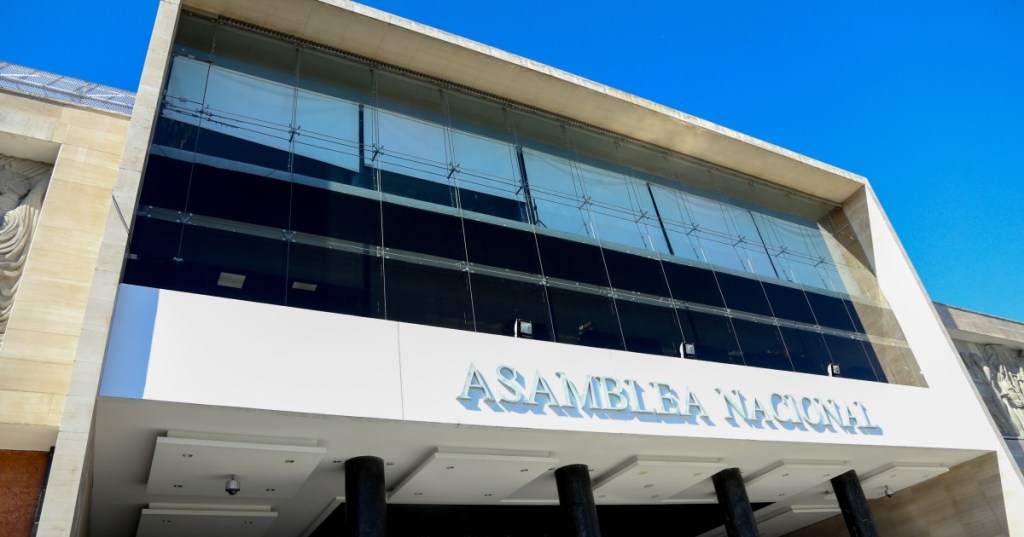
Ecuador’s National Assembly resumed consideration of its proposed Organic Law on Virtual Assets on November 27, 2026, after a parliamentary recess. The official committee report describes expert recommendations concerning digital-asset custody, authorization of service providers and investigative capabilities. A separate tax-information resolution published November 4 already extends financial reporting to certain cryptoasset-related accounts. Neither development authorizes Bitcoin as legal tender.
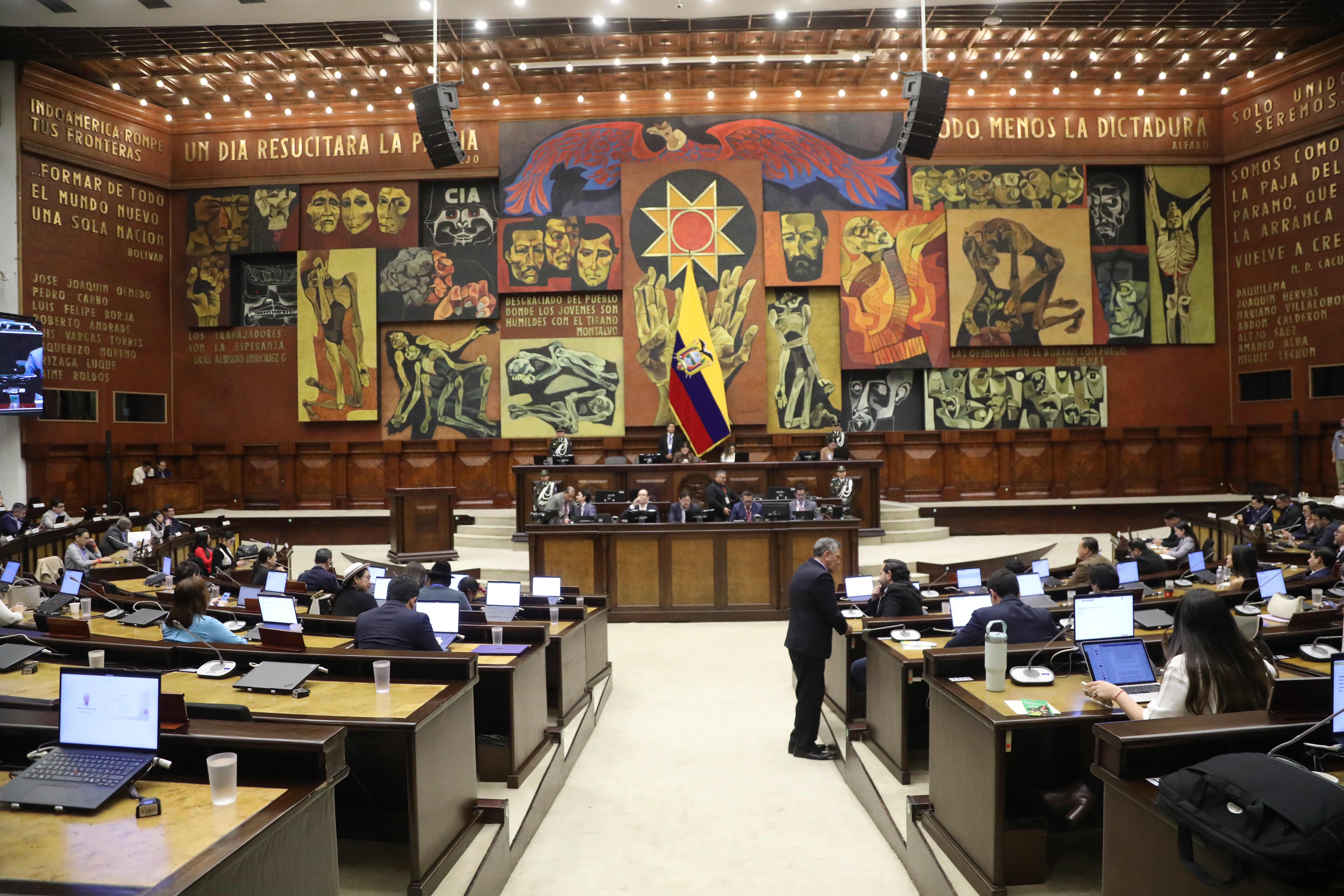
Two separate regulatory developments
The bill was presented October 2, qualified October 19 and referred for committee examination. On November 5, legislators began examining provisions for registration and oversight of commercial virtual-asset services, transaction traceability and coordination among financial and investigative authorities. The qualification resolution confirms that the proposal entered legislative review rather than becoming enacted law.
On November 27, specialist Julio Luis Navarrete recommended broadening the proposed framework to address tokenization, stablecoins and other digital instruments. Compliance specialist Catalina Carpio recommended stronger technical investigative capabilities. Both contributions are recommendations to lawmakers, not current statutory requirements. Watch Teleamazonas’s November 27 television report covering the resumed committee proceedings. The report also discusses separate legislative matters.
What financial reporting can establish about Bitcoin
Resolution NAC-DGERCGC26-00000038, published November 4, updates the country’s implementation of the Common Reporting Standard for financial accounts. According to Asobanca’s regulatory summary and NMS’s legal analysis, covered institutions include relevant investment and custody businesses. Reports may include account values, tax residency, identification details and specified income information for reportable nonresident accounts. Information exchange depends on the applicable international arrangements. The revised standard should not be confused with universal reporting of every Bitcoin transaction or a standalone national implementation of the entire OECD cryptoasset reporting framework.
A Bitcoin transaction can be publicly verified on the blockchain without disclosing the owner’s civil identity. A custodial exchange, however, maintains customer account records alongside its blockchain infrastructure. Reporting rules can connect financial accounts to identified taxpayers, whereas possession of private keys determines the technical ability to authorize a Bitcoin transaction. Reporting does not itself transfer those keys to a government.
Why dollarization still matters
The Central Bank of Ecuador’s August 2024 statement identifies the US dollar as the country’s legal tender and states that cryptocurrencies are not authorized payment instruments. Its earlier Bitcoin-specific notice distinguishes online purchases and sales of cryptocurrency from using it to pay for goods and services. Neither the November committee hearings nor the reporting resolution establishes a change to that monetary position.
The distinction separates Ecuador from the grassroots payment initiatives examined in our Dominican Republic report. Other recent country analyses examine Dominica’s custody obligations, Djibouti’s capital requirements and Denmark’s tax-accounting review. Ecuador’s next meaningful legislative milestone would be a published committee report or a formally approved bill, rather than an inference of Bitcoin adoption based on expanded oversight.
Featured photograph: Fernando Sandoval / Asamblea Nacional, Assembly facade, January 2020, cropped under CC BY-SA 2.0. The television report links to its original publisher because embedded playback and responsive presentation could not be independently verified.
We volunteer daily to ensure the credibility of the information on our platform is Verifiably True. If you would like to support our independent research, please scan the QR code below.



Leave a Reply