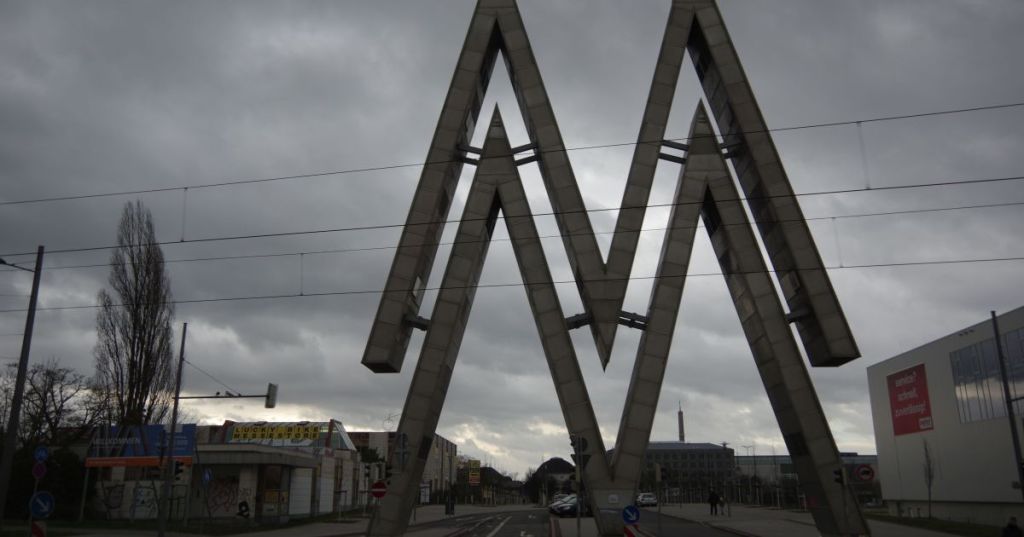
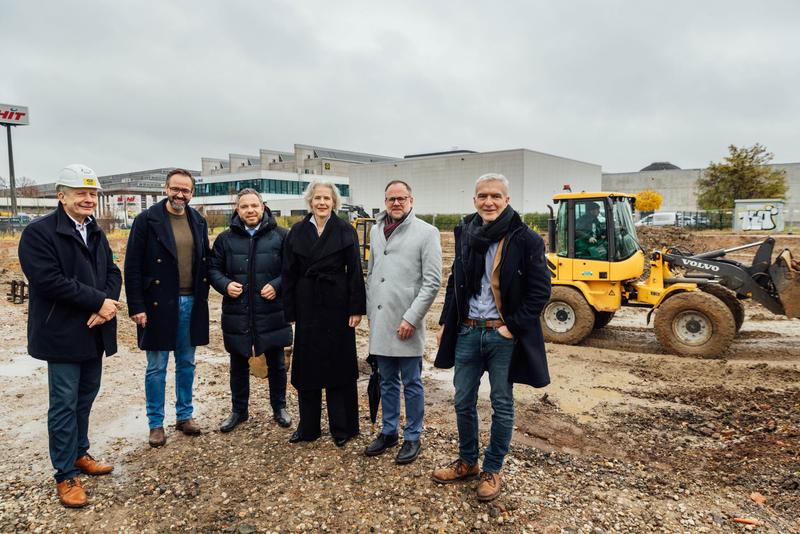
Construction of Leipzig University’s new AI research data center formally began on November 20, 2026, at the former Alte Messe exhibition grounds. The Saxon government estimates the building cost at just under €53 million. Data Center Dynamics reported the development on November 28. The facility, known as KIRZL, will support research and teaching across regional institutions. Unlike the commercial accelerator deployment planned by Georgia’s Silk Cloud, Leipzig’s project is centered on shared academic computing.
From construction to usable computing capacity
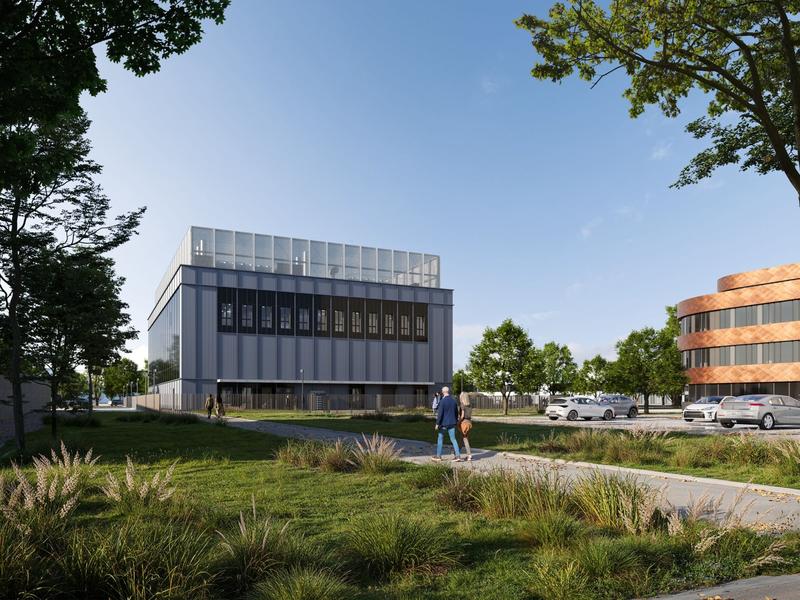
General contractor GP Papenburg Hochbau describes a building with three main floors and technical plant on the roof. Approximately 6,700 square meters of net space will accommodate computing equipment, cooling systems, batteries and operations monitoring. The construction target is the end of 2028, followed by equipment installation and a planned service launch in summer 2029. Most construction funding comes from a Saxon regional development fund established under Germany’s Coal Regions Investment Act.
Earlier university planning, reported by Data Center Dynamics, indicated an initial IT power capacity of approximately 1.4 MW with modular expansion potential to 4.4 MW. Those figures are design intentions, not measured demand or confirmed final equipment procurement. IT power describes electricity delivered to computing and associated information technology systems, while total facility demand includes cooling and distribution losses. Our Frankfurt electrical infrastructure report examines a separate example of why grid connection ratings must not be equated with installed computing capacity.
Recovering heat for Leipzig’s district network
The facility is designed to make waste heat available to the district heating system. Computing equipment converts most of its consumed electrical energy into heat. A recovery installation must collect that energy through cooling circuits and deliver it at a temperature acceptable to the receiving network. A heat pump may be needed when the source temperature is below the required supply temperature. Its electrical consumption and operating conditions affect the overall energy balance.
At the earlier initial design rating of 1.4 MW, continuous full-load IT operation would consume approximately 12.26 GWh per year before cooling and other overhead. That arithmetic is an illustrative upper reference for continuous operation at the stated IT rating, not a forecast of annual consumption or recoverable heat. Actual heat delivery depends on workload, collection efficiency, temperature and seasonal demand. Similar thermodynamic constraints apply to France’s planned industrial Bitcoin mining heat-recovery project.
Shared infrastructure requires more than accelerators
Academic computing must support multiple research groups without allowing one workload to exhaust resources needed by others. A scheduler can allocate accelerator time, memory and storage according to project priorities. High-speed interconnects help distributed training jobs exchange intermediate data, while access controls and separate storage permissions help protect research information. The university has not announced the final accelerator inventory, network bandwidth, measured energy efficiency or district heat delivery capacity for KIRZL.
The broader German infrastructure landscape includes E.ON’s feasibility work on former nuclear sites. Leipzig, by contrast, has reached a documented construction milestone. The next measurable steps are building completion, equipment installation, commissioned IT capacity and actual heat delivery. The university’s November 26 project announcement confirms the planned timeline. No Bitcoin mining deployment has been announced for the facility.
Featured photograph: Clemensfranz / Wikimedia Commons, January 11, 2015, cropped, CC BY-SA 3.0. Historic Alte Messe entrance, not the construction site. Credited still images and a downloadable government document are used in place of untested interactive players.
We volunteer daily to ensure the credibility of the information on our platform is Verifiably True. If you would like to support our independent research, please scan the QR code below.



Leave a Reply