General Motors has expanded its Energy Pass charging service to let eligible electric vehicles begin charging automatically at participating Electrify America stations. The automaker’s November 17, 2026 announcement identifies native Combined Charging System (CCS) vehicles as the first eligible group, with native North American Charging Standard (NACS) models scheduled for early 2027. GM reports that energy delivery starts within approximately 45 seconds in internal tests. The figure describes session initiation, not the time required to recharge a battery.
The communication behind automatic charging
Connecting a DC fast charger initiates more than an electrical connection. The vehicle and station must negotiate charging parameters, confirm electrical safety and establish authorization before high-voltage energy transfer begins. Plug & Charge architectures can use digital credentials associated with a charging contract to authenticate the vehicle and authorize billing without requiring a separate payment interaction. The ISO 15118-20 standard defines vehicle-to-grid communication requirements; GM’s announcement does not identify every protocol detail of its implementation.
During DC fast charging, the station supplies regulated DC to the battery system rather than relying on the vehicle’s AC onboard charger for the primary conversion. Our onboard charger engineering guide explains the distinction. Automatic authorization reduces interaction at the station but does not change a battery’s temperature-dependent charging limits or the charger’s available output.
Network coverage is not feature coverage
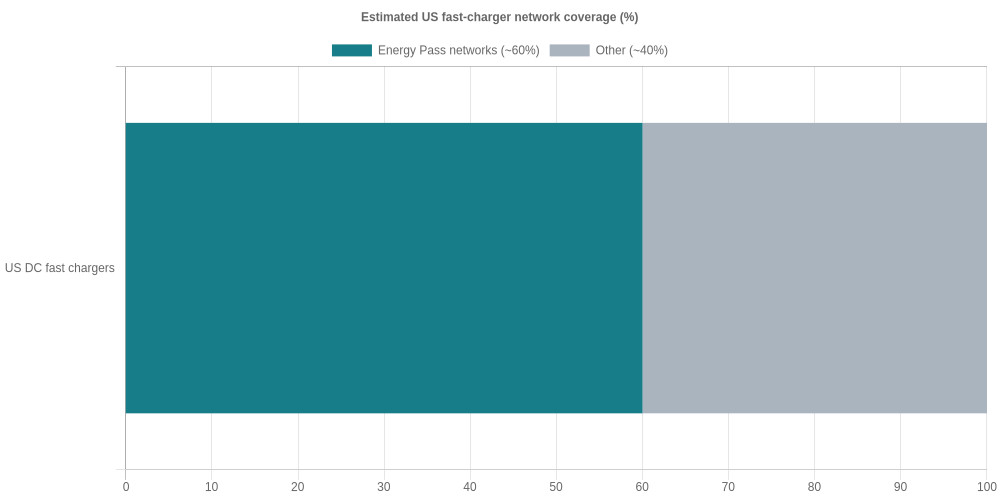
GM says its Energy Pass network partnerships collectively represented about 60% of U.S. DC fast chargers when the service launched in June. Electrify America’s earlier integration added more than 6,200 fast chargers to GM’s vehicle apps, with most rated for up to 350 kW. Neither figure establishes the number of individual chargers currently enabled for automatic authorization under the November rollout.
The owner must enroll through the appropriate GM application, register a payment method and enable the feature. The vehicle and compatible charger then handle session authorization, while the driver receives billing information through the app. The arrangement remains distinct from physical automation such as the MAHLE and BMW wireless charging pilot, which also addresses the act of connecting the vehicle to a power source.
Why the charging experience matters
Fast charging networks compete on more than peak kilowatts. Availability, payment reliability, interoperability and the time between arrival and energy delivery influence practical travel time. Additional functionality, including bidirectional charging for home energy, requires further compatibility across the vehicle and electrical equipment. Automated connectors, such as BYD’s robotic charging concept, address a different stage of the process.
GM’s rollout represents an incremental infrastructure improvement. Independent measurements of session initiation success, average delay and supported station counts would establish its practical performance more precisely. Drivers should consult the app for compatibility and retain an alternative payment method during the rollout.
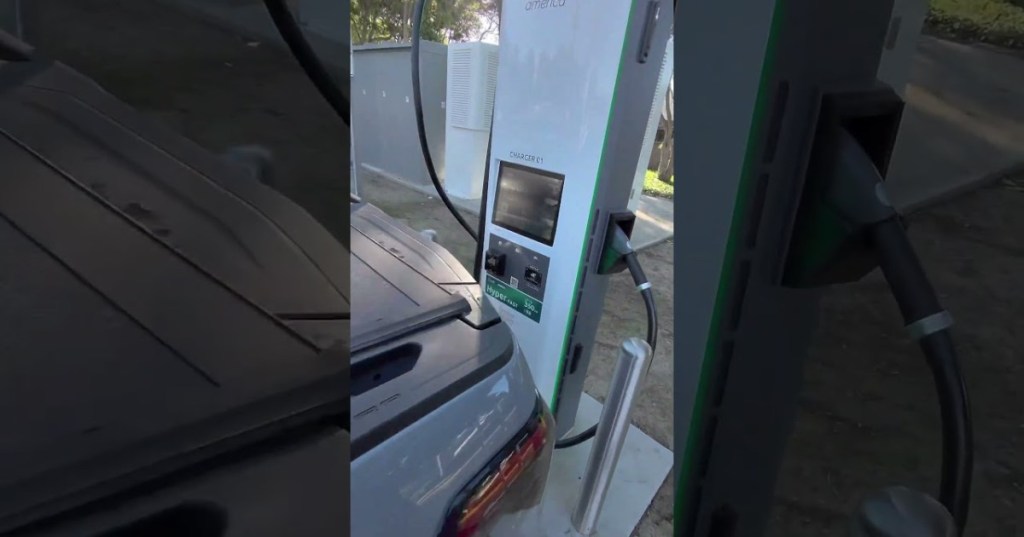
Featured image: earlier GMC Sierra EV charging demonstration video thumbnail, cropped for editorial presentation; not footage of the November rollout.
We volunteer daily to ensure the credibility of the information on our platform is Verifiably True. If you would like to support to help further secure the integrity of our research initiative, please scan the QR code below.



Leave a Reply