Microsoft is extending Windows web sign-in to computers joined to both its cloud identity service and an on-premises Active Directory environment. The feature appears in the November 19, 2026 optional Windows 11 update KB5132057 for versions 25H2 and 26H2. Microsoft describes a gradual rollout, meaning installation alone does not guarantee immediate access to every announced feature. The authentication changes complement the operational evidence discussed in our Windows authentication auditing lesson.
Why hybrid identity complicates sign-in
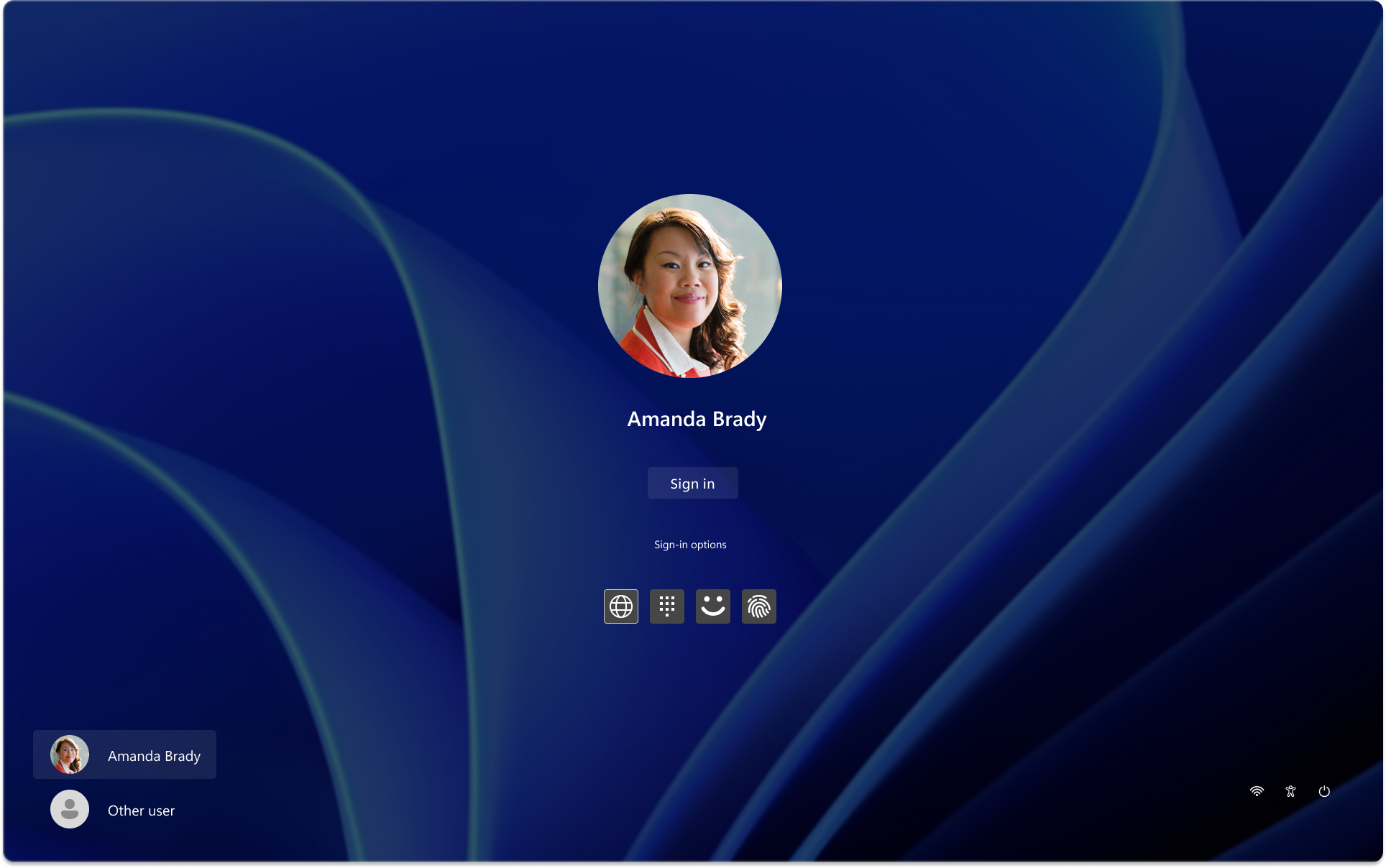
A hybrid-joined computer participates in an organization’s local Active Directory domain while also possessing a Microsoft Entra device identity. Many organizations retain internal file shares and applications that depend on domain authentication, even while using cloud-based identity policies. A Windows credential provider presents an authentication method on the sign-in screen; it is not itself the full identity infrastructure. Extending web sign-in to hybrid devices enables supported users to authenticate using a phone passkey or FIDO2 security key. Microsoft also supports Temporary Access Pass in appropriate configurations.
Public-key authentication and internal resources
FIDO2 authentication relies on cryptographic credentials associated with a relying party rather than transmitting a reusable password to a website. Supported authenticators prove possession of a private key by signing a challenge. A local biometric or PIN can authorize access to that credential without sending the biometric template to the relying service. Such mechanisms differ from the device-specific biometric design examined in our iPhone facial authentication report.
Microsoft says Windows obtains a Kerberos ticket after successful hybrid web sign-in, preserving access to eligible internal resources. Kerberos tickets allow services to authenticate a principal through a trusted ticket-issuing infrastructure. Success still depends on domain configuration, connectivity and appropriate authorization. The November Microsoft Ignite identity announcement describes additional passwordless and security changes, but several remain in separate preview channels.
Operational limits and validation
The Microsoft configuration documentation states that web sign-in requires Internet connectivity and does not support cached credentials. Administrators should retain suitable recovery methods, test supported editions and policy combinations, and verify access to internal services before expanding deployment. The feature does not remove every password dependency from a hybrid environment. Like the Windows Server IPv6 corrective hotpatch, update installation and functional validation are separate activities. The Thurrott release coverage confirms the optional preview rollout. Our earlier Windows memory optimization report concerns a separate performance improvement. The new authentication support addresses identity compatibility rather than delivering a demonstrated performance gain. Its practical value will depend on dependable sign-in, recovery and access to organizational resources.
We volunteer daily to ensure the credibility of the information on this platform is Verifiably True. If you would like to support to help further secure the integrity of our research initiative, please scan the QR code below.



Leave a Reply