Information Technology
-
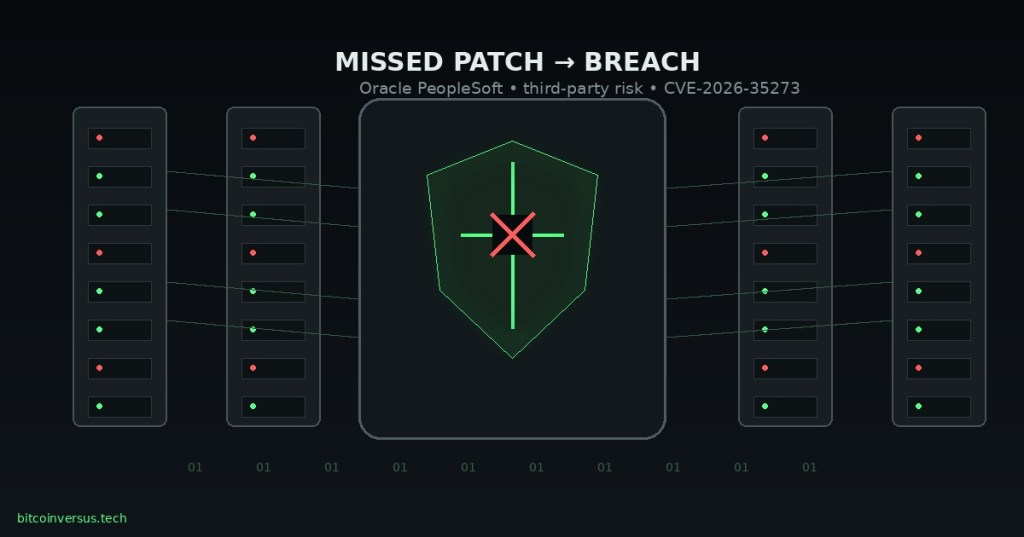
The FBI says a third-party contractor failed to apply an explicitly issued security patch before a breach exposed sensitive employee data. Reuters sources identify Accenture and Oracle PeopleSoft, while Oracle’s critical PeopleSoft flaw carried a 9.8 CVSS score.
-
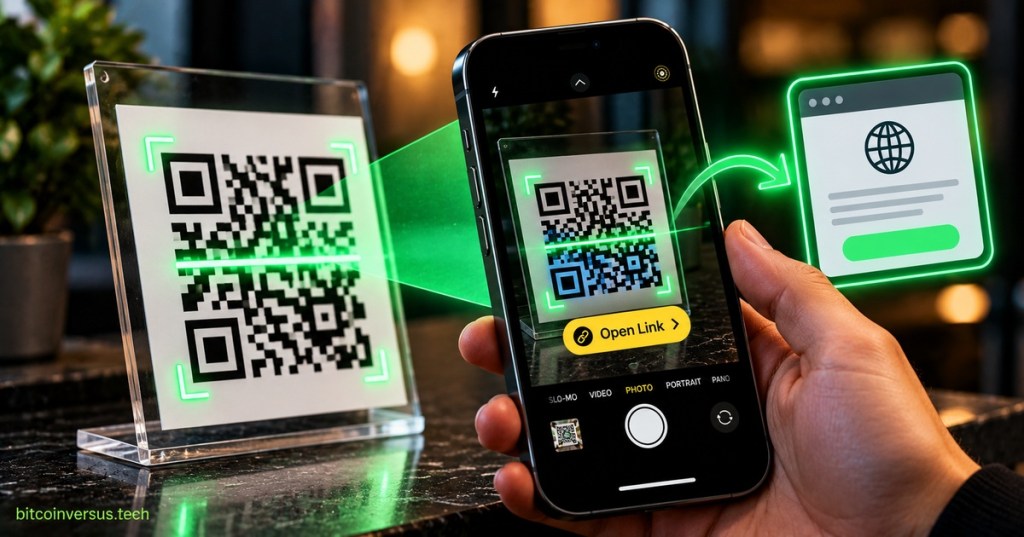
A QR code is a square pattern your phone can scan to quickly open a link or read stored information. Here’s the easy version of how it works and why QR codes became so common.
-
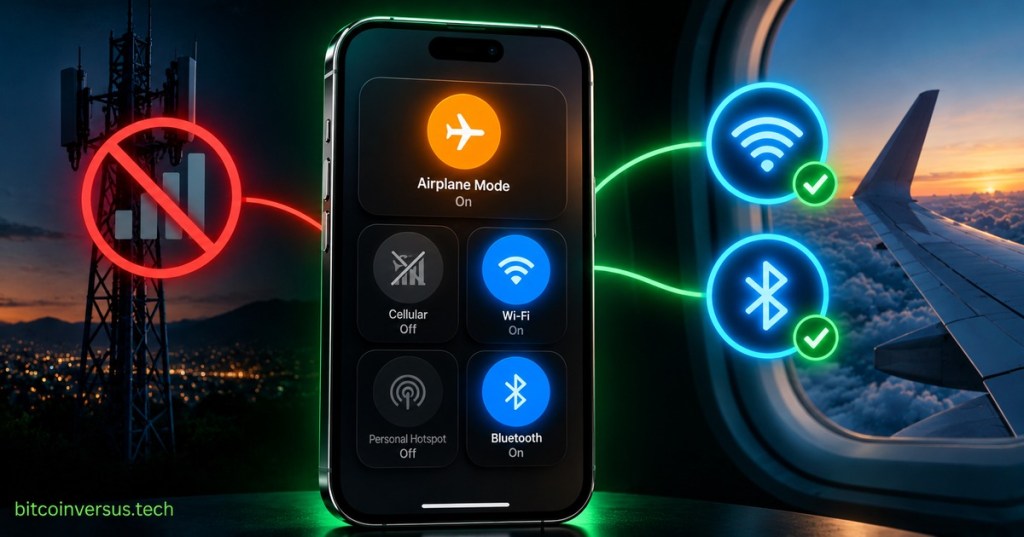
Airplane Mode is the quick setting that stops your phone from using normal cellular service. Your camera, downloaded music, games, Wi-Fi, and Bluetooth can still work depending on what you turn back on.
-
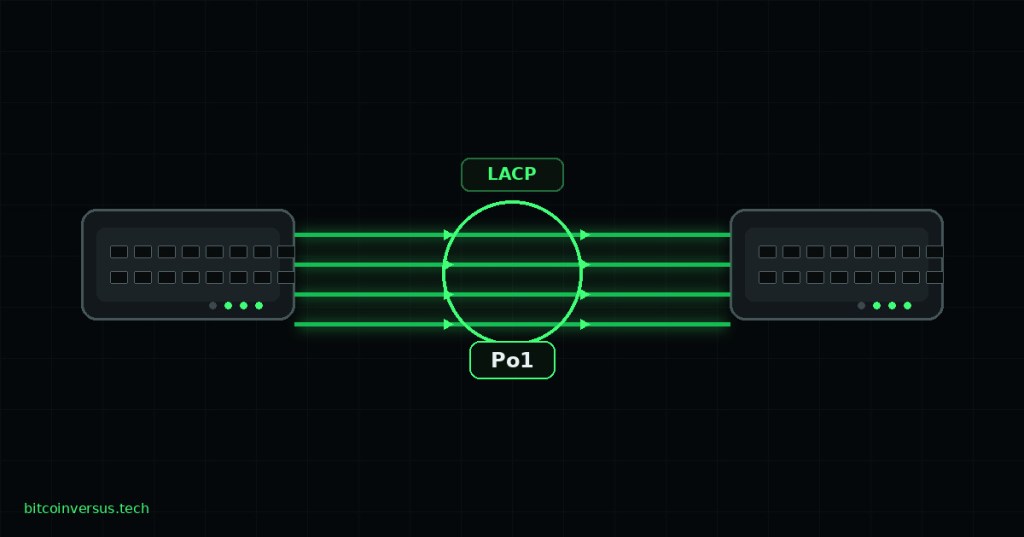
Learn how LACP and EtherChannel bundle multiple Ethernet member links into one logical port-channel, how load balancing works, how failures are handled, and how to verify and troubleshoot the bundle.
-
OSLTC.002 teaches technical leaders how to set clear expectations by defining the outcome, performance standard, constraints, and confirmation before work begins.
-
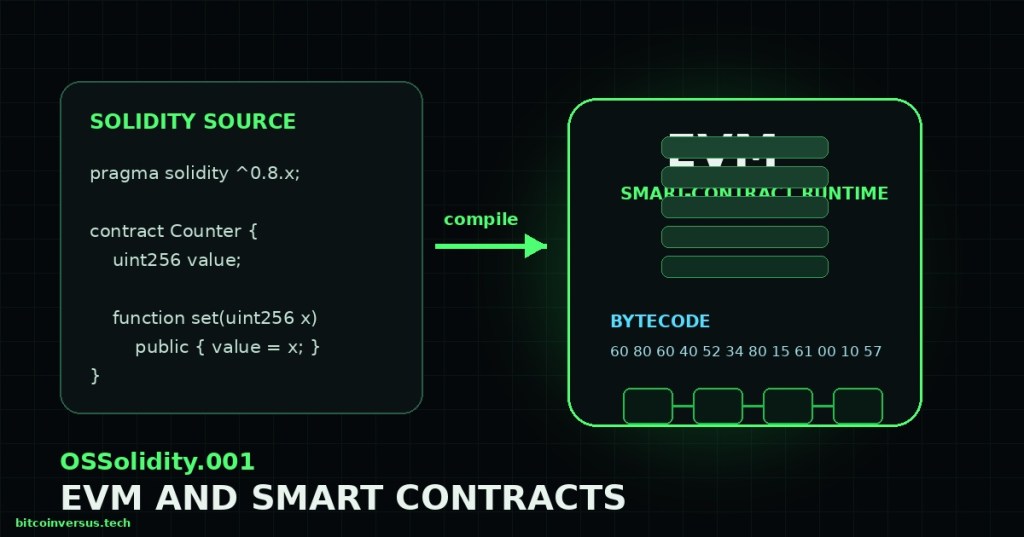
OSSolidity.001 explains the beginner mental model for Solidity: what smart contracts are, what the Ethereum Virtual Machine does, and how Solidity source becomes EVM bytecode that Ethereum nodes execute.
-
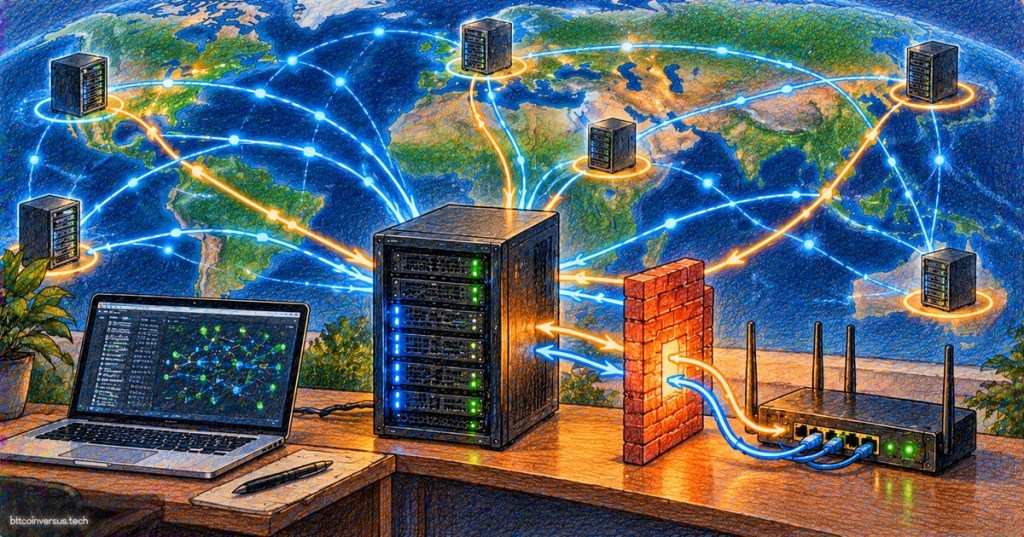
Bitcoin nodes use TCP port 8333 by default to find peers, relay transactions, and spread blocks. Learn how DNS seeds, NAT, port forwarding, firewalls, Tor, IPv6, and Bitcoin Core peer diagnostics fit together.
-
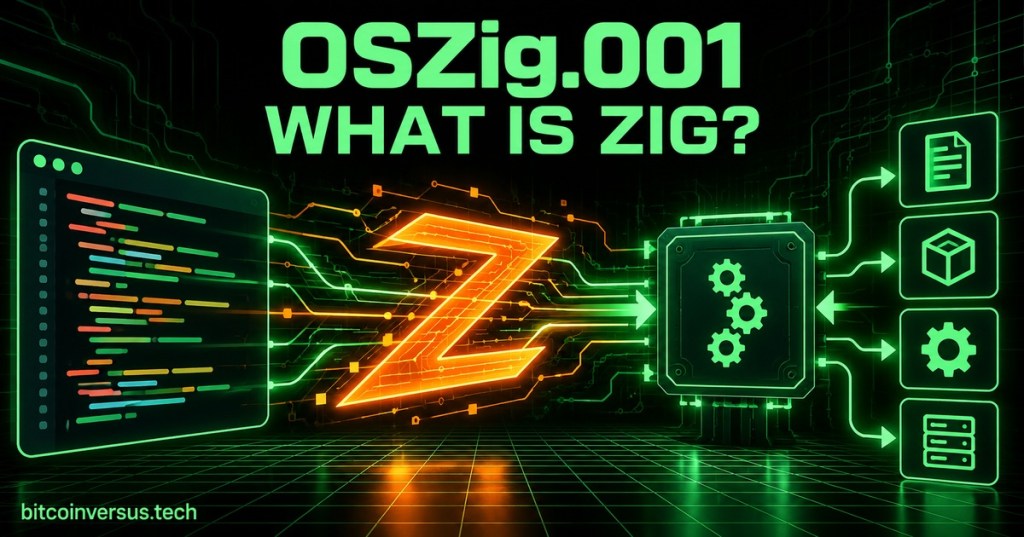
OSZig.001 introduces Zig from first principles: source files, the Zig toolchain, zig init, zig build run, a minimal program, and the path from source code to a native executable.
-
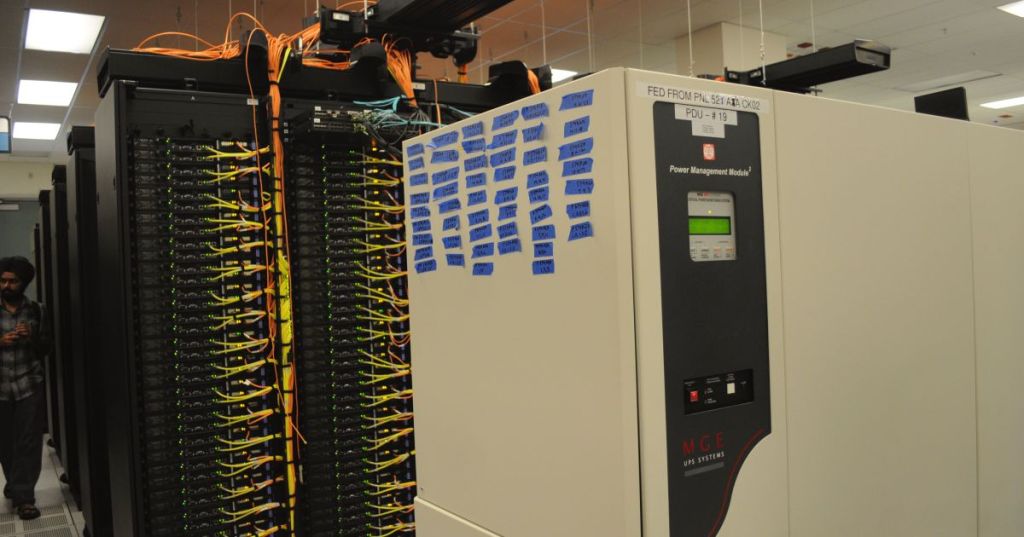
Learn data-center reliability engineering: availability, MTBF, MTTR, failure domains, FMEA, preventive maintenance, MOP/SOP/EOP, change control, root cause analysis, and corrective action.
-
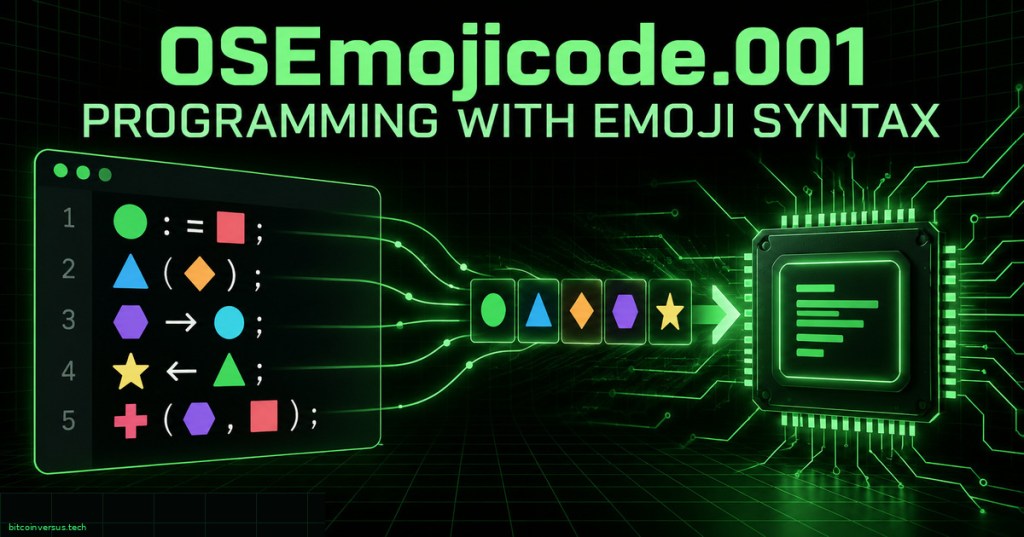
OSEmojicode.001 introduces the Emojicode programming language, showing how emoji tokens represent familiar ideas such as an entry point, blocks, output, strings, and typed program structure.
-
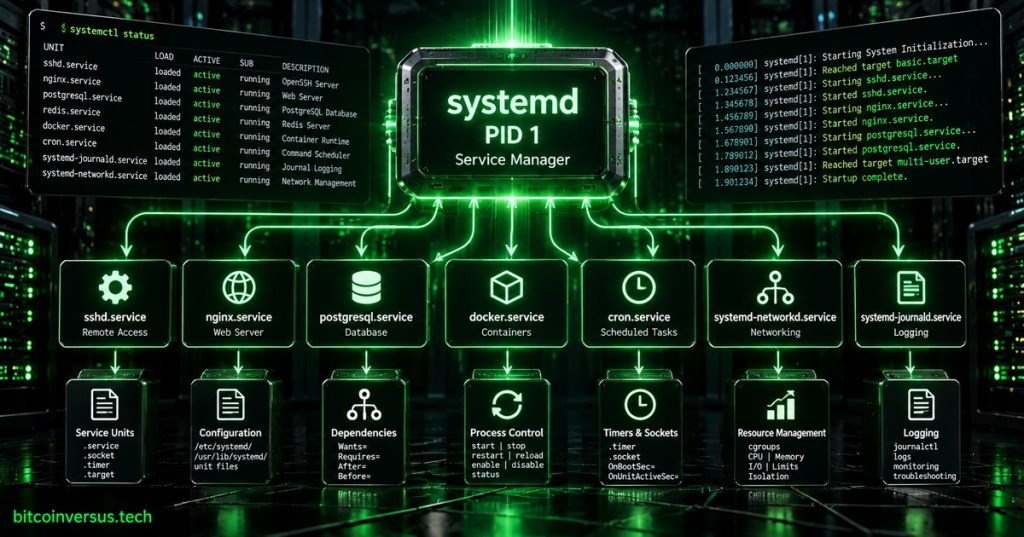
systemd is the PID 1 service manager on many Linux systems. Here’s how units, services, systemctl, journalctl, dependencies, timers, and boot targets fit together.
-
Bitcoin nodes use TCP port 8333 to find peers, relay transactions and blocks, and synchronize the blockchain. Learn how DNS seeds, version/verack, inbound vs. outbound peers, NAT, port forwarding, Bitcoin Core RPC, and P2P v2 transport fit together.

