Information Technology
-
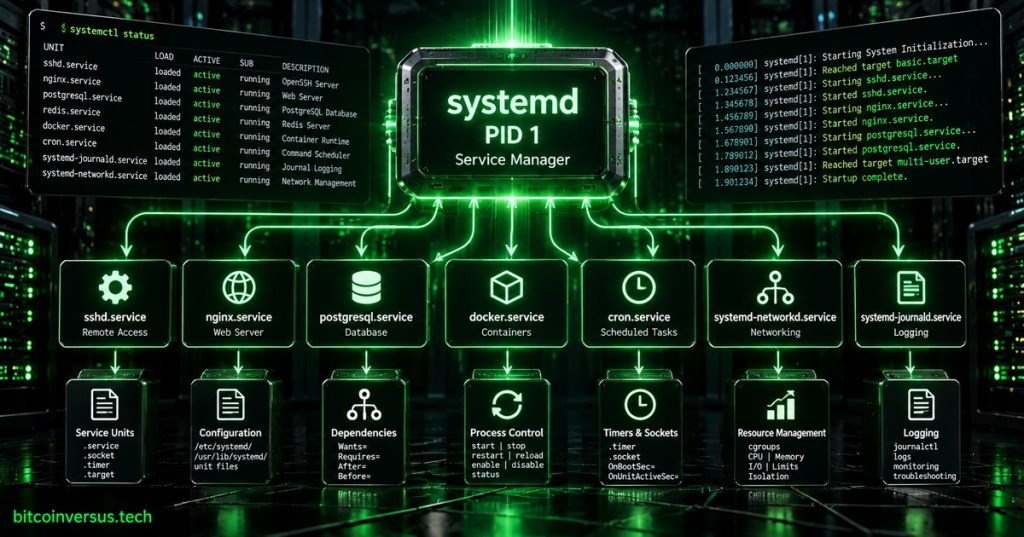
systemd is the PID 1 service manager on many Linux systems. Here’s how units, services, systemctl, journalctl, dependencies, timers, and boot targets fit together.
-

Bitcoin nodes use TCP port 8333 to find peers, relay transactions and blocks, and synchronize the blockchain. Learn how DNS seeds, version/verack, inbound vs. outbound peers, NAT, port forwarding, Bitcoin Core RPC, and P2P v2 transport fit together.
-
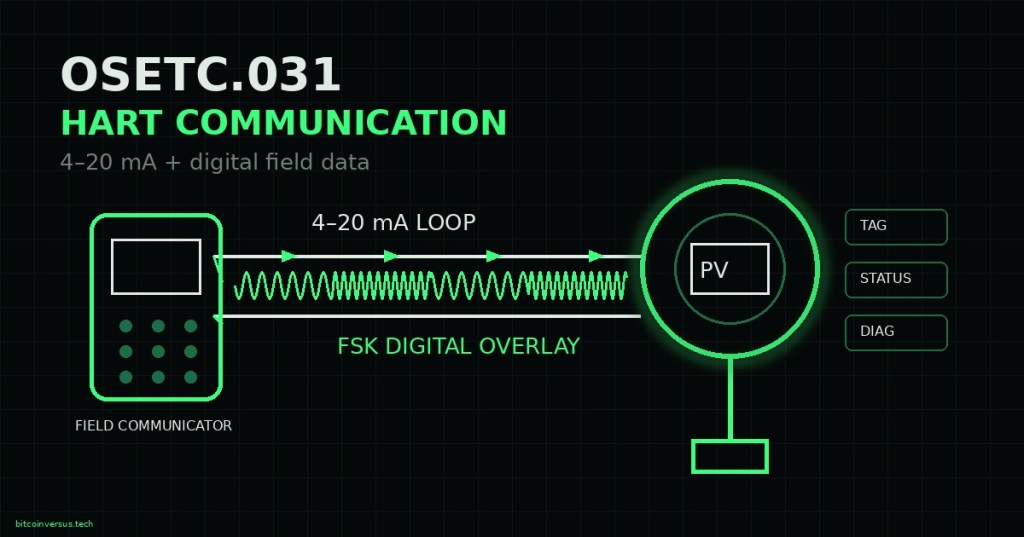
OSETC.031 explains HART communication over 4–20 mA loops, FSK signaling, field communicators, device data, loop connections, and basic HART troubleshooting.
-

Network Time Protocol keeps computers, servers, switches, and applications synchronized. Learn how NTP strata, UDP port 123, clock offset, chrony, UTC, Kerberos, TLS, and troubleshooting fit together.
-
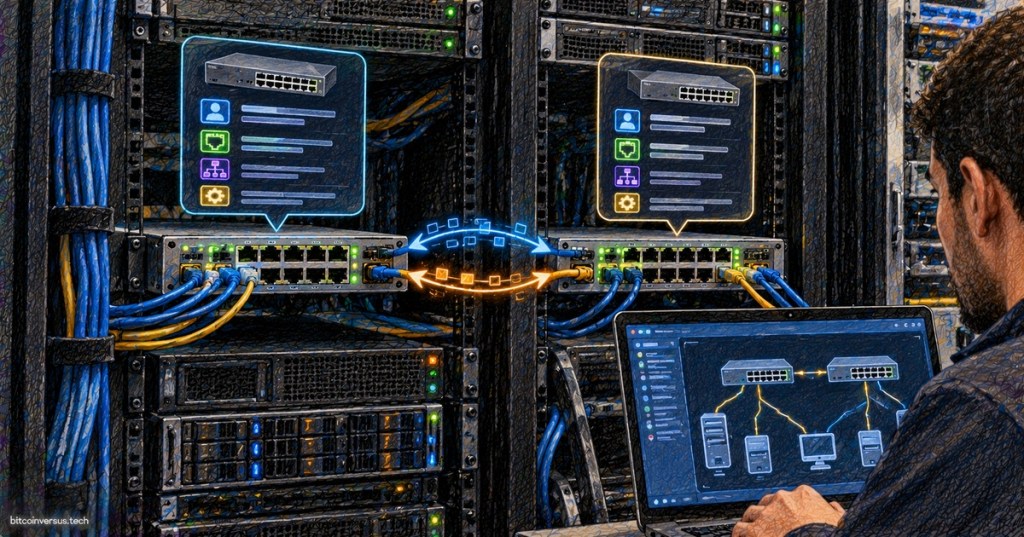
LLDP lets switches, routers, servers, phones, and other network devices advertise their identity and port information to directly connected neighbors. Here is how it works and why technicians use it.
-
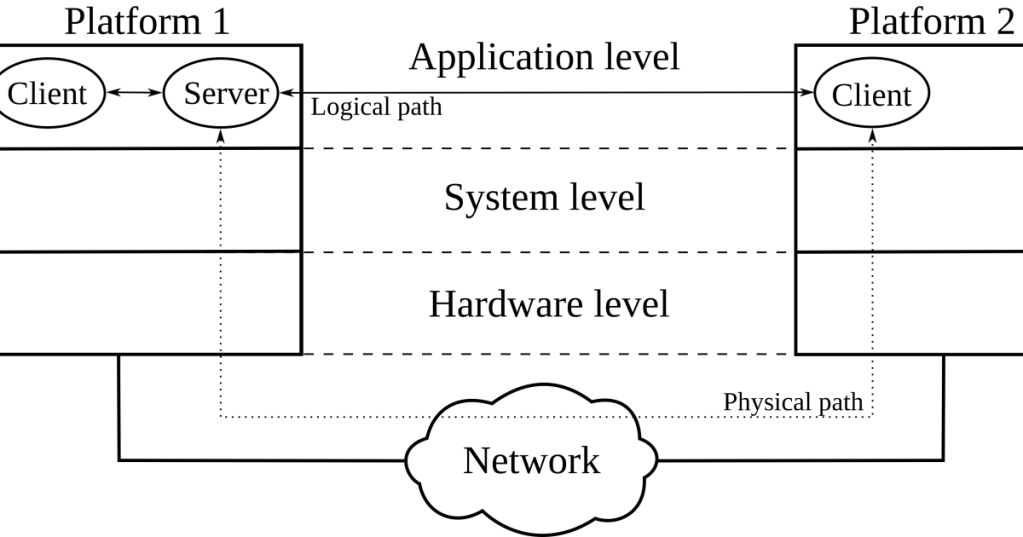
What is a network socket? Learn how applications use socket(), bind(), listen(), accept(), connect(), IP addresses, ports, TCP, UDP, file descriptors, buffers, and Linux ss.
-
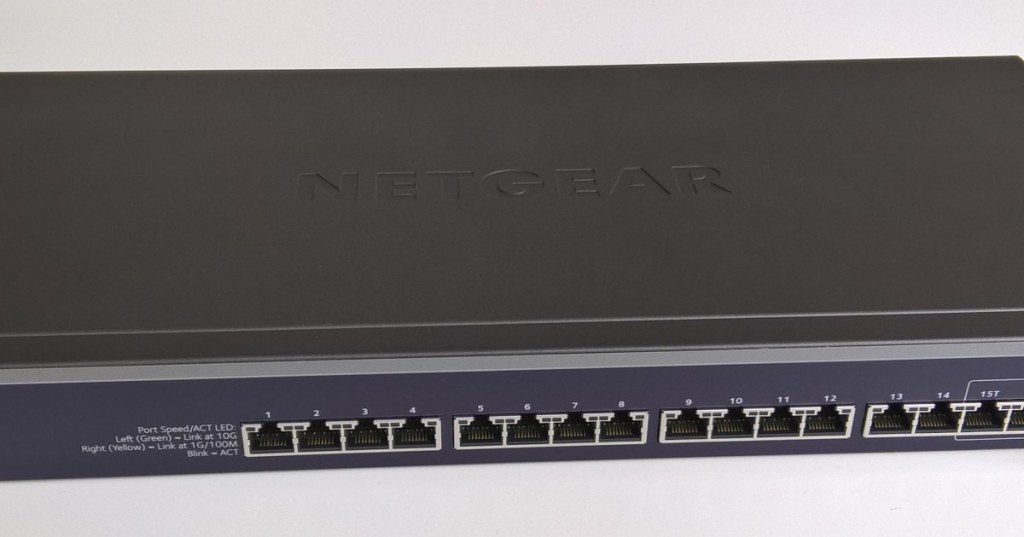
Managed vs unmanaged switches explained: VLANs, SNMP, STP, QoS, security, PoE, monitoring, troubleshooting, smart switches, and when simple plug-and-play is enough.
-
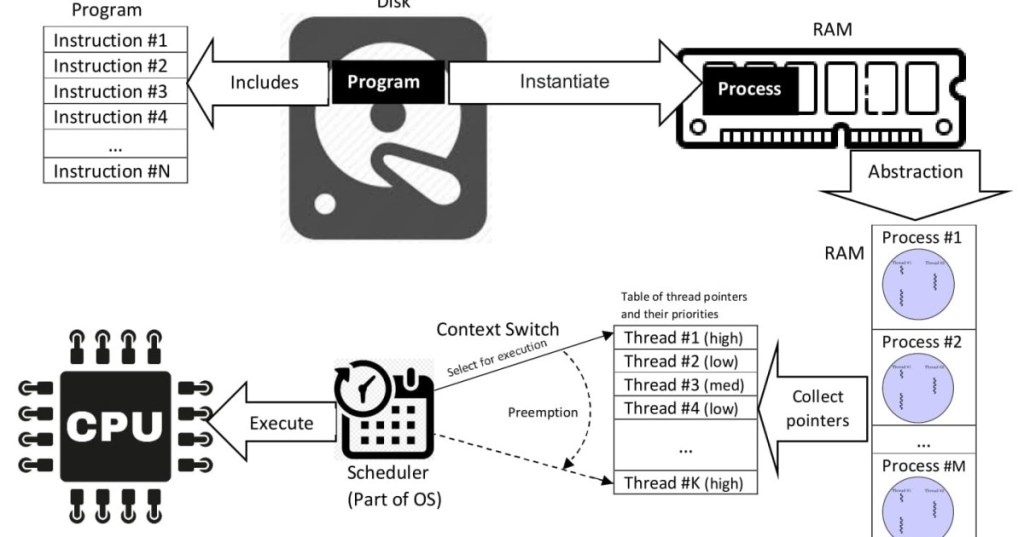
What is a context switch? Learn how operating systems save CPU state, switch between processes and threads, schedule tasks, handle voluntary and involuntary switches, and measure the overhead on Linux.
-
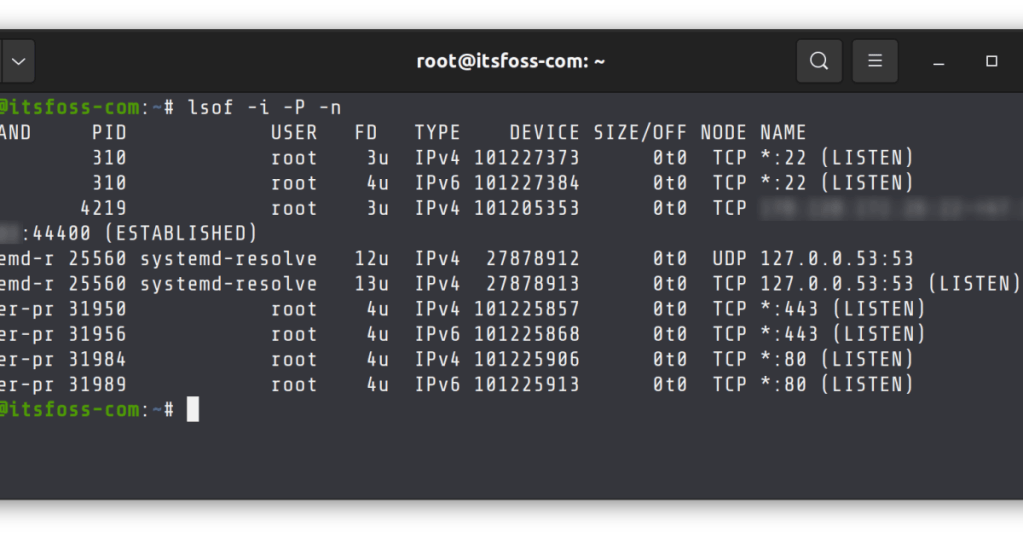
What is a file descriptor? Learn how Linux uses small integer FDs for open files, sockets, pipes, devices, stdin, stdout, stderr, redirection, and troubleshooting.
-
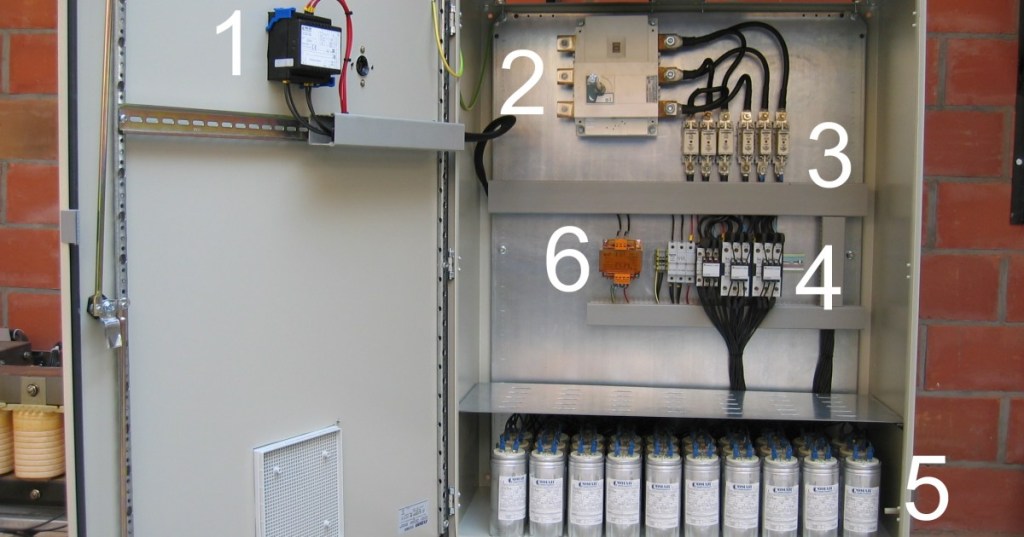
OSEEC.016 teaches power factor correction engineering: kVAR sizing, capacitor banks, automatic steps, overcorrection, harmonics, detuned reactors, and commissioning measurements.
-
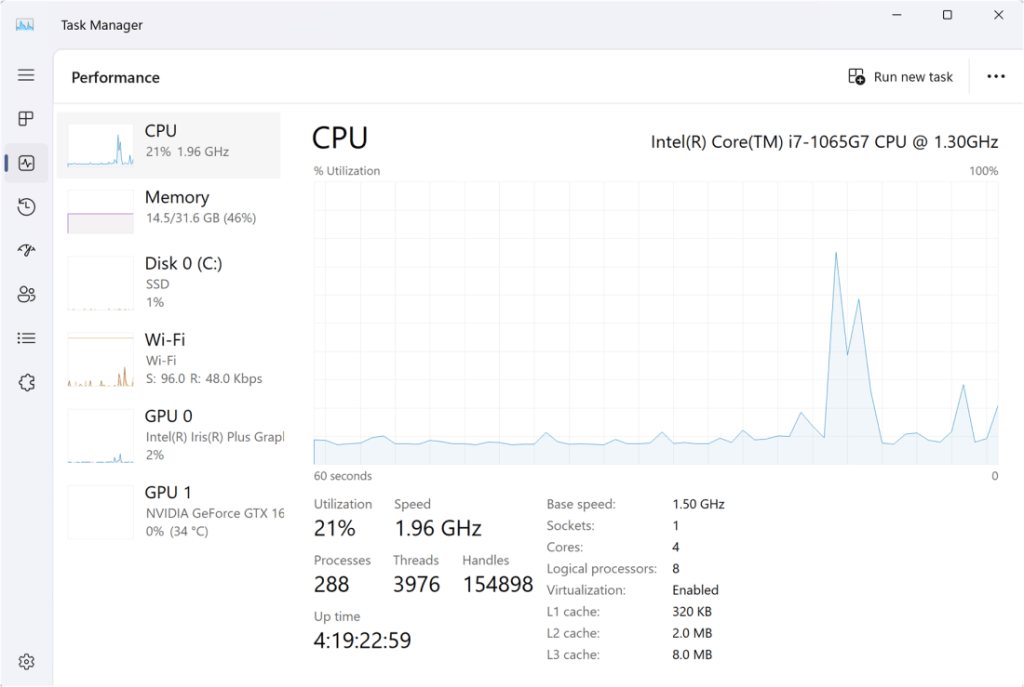
OSITC.003 teaches Windows process troubleshooting with Task Manager, PIDs, CPU and memory sorting, tasklist, safe process termination, and Sysinternals Process Explorer.
-
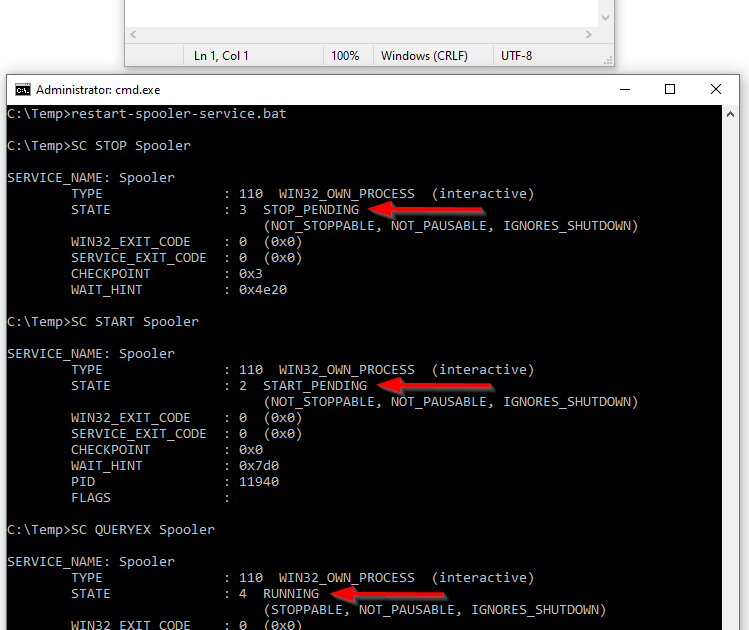
Windows Command #36 explains sc stop: stopping Windows services, STOP_PENDING vs STOPPED, service names, sc.exe in PowerShell, verification, and safe troubleshooting.

