Tech Docs
-

Corning’s ECOC 2026 networking stack combines Contour Form Micro Cable, four-core multicore fiber, contactless PRIZM connectors and CPO-ready connectivity for denser AI infrastructure.
-

GIGABYTE is launching a 64GB AI TOP ATOM on October 23, expanding its compact NVIDIA GB10 desktop AI platform for local inference, RAG, prototyping and clustered workloads.
-
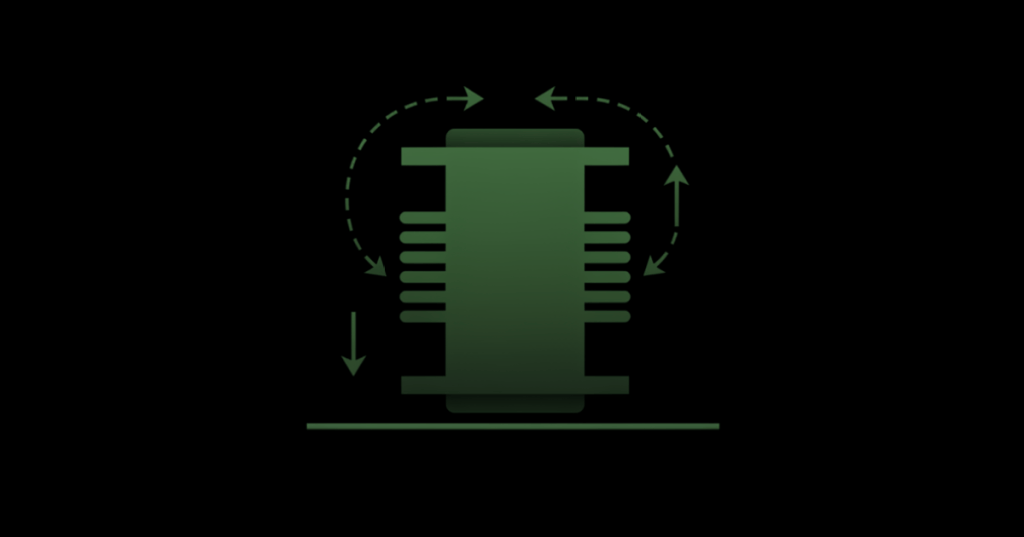
Learn transformer fundamentals: primary and secondary windings, turns ratio, step-up and step-down operation, current ratio, isolation, kVA ratings, losses, and safe measurement logic.
-
Learn the Windows net localgroup command for listing local groups, inspecting membership, and performing authorized group-management tasks from Command Prompt.
-

FieldAI’s new ₿8,092 ($700M) round values the physical-AI startup at roughly ₿115,596 ($10B), as it bets one robot brain can scale across many machines.
-
Learn the Windows net user command for listing accounts, inspecting user details, querying domain accounts, and understanding authorized account management from Command Prompt.
-

Tether’s USDT is coming back to the network where it began. More than a decade after the dollar stablecoin first appeared on Bitcoin through the Omni Layer, Utexo is preparing to bring USDT back to Bitcoin using RGB infrastructure—with private client-side validation, direct BTC/USDT swaps and a path toward Lightning-based dollar payments. Utexo made the…
-
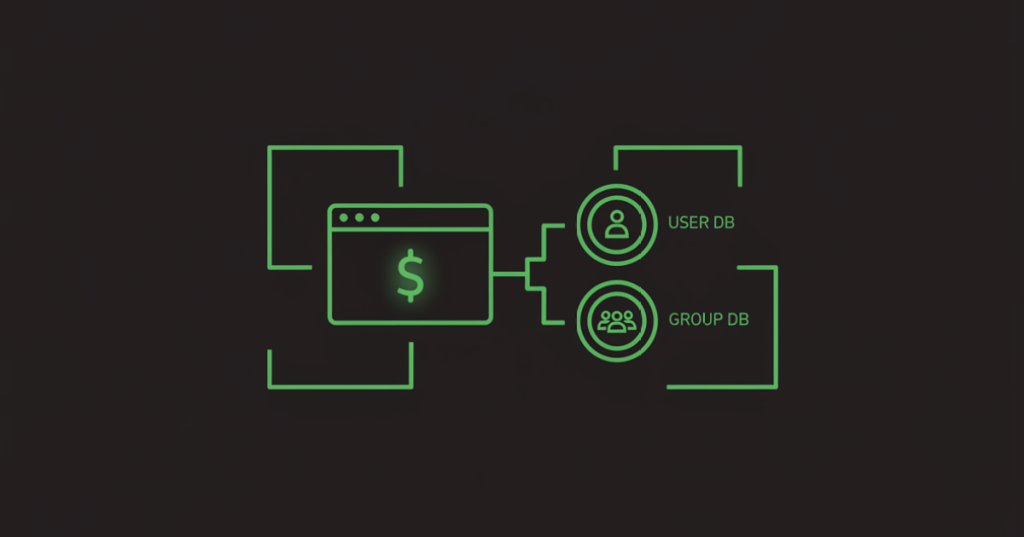
Learn the Linux getent command for querying users, groups, hosts, services, and other Name Service Switch databases.
-
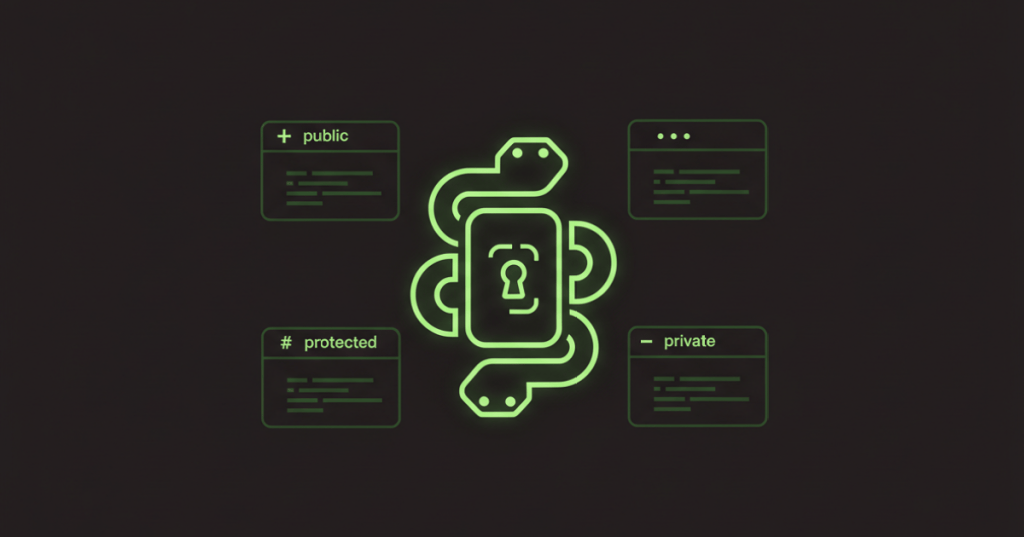
Learn Python encapsulation with public, protected-style, and private-style attributes, name mangling, properties, setters, and validation.
-

SEMIFIVE and Mobilint are developing a robotics AI chip with LPDDR6, PCIe Gen6 and UCIe-S for machines that need to keep processing locally when network connectivity is limited.
-
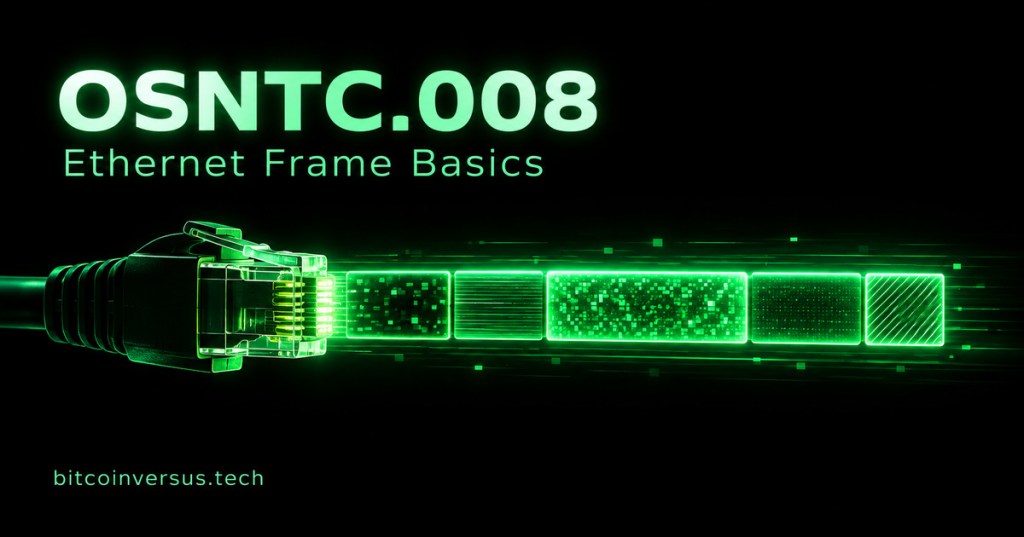
Learn the Ethernet II frame fields, how switches use MAC addresses, why frames differ from packets, and how padding, FCS, and VLAN tags work.
-
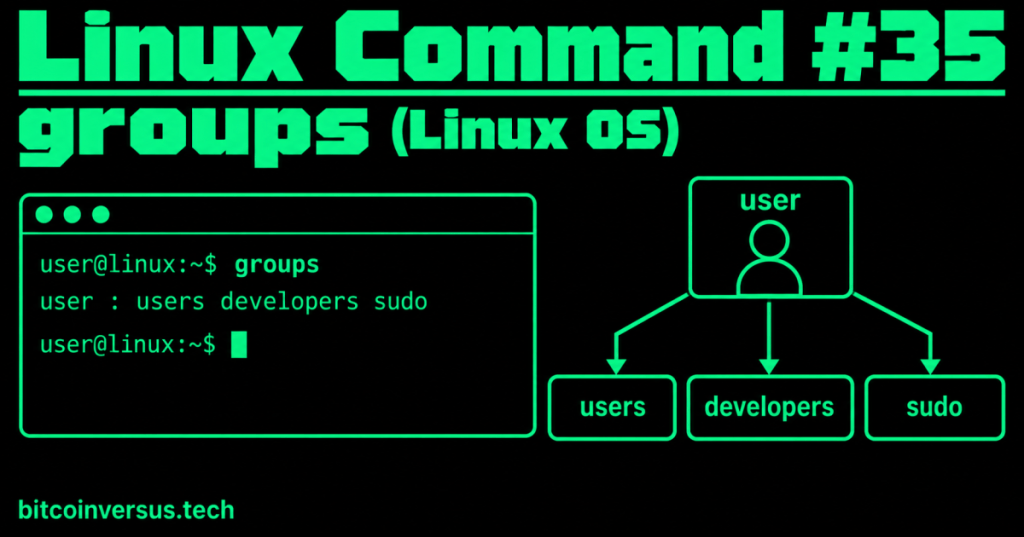
The Linux groups command shows which user groups an account belongs to. If you have ever been added to a team at work, a group chat, or a multiplayer squad, you already understand the basic idea. Linux groups collect users together so the system can give several accounts the same access or permissions. Start with…

