Tech Docs
-
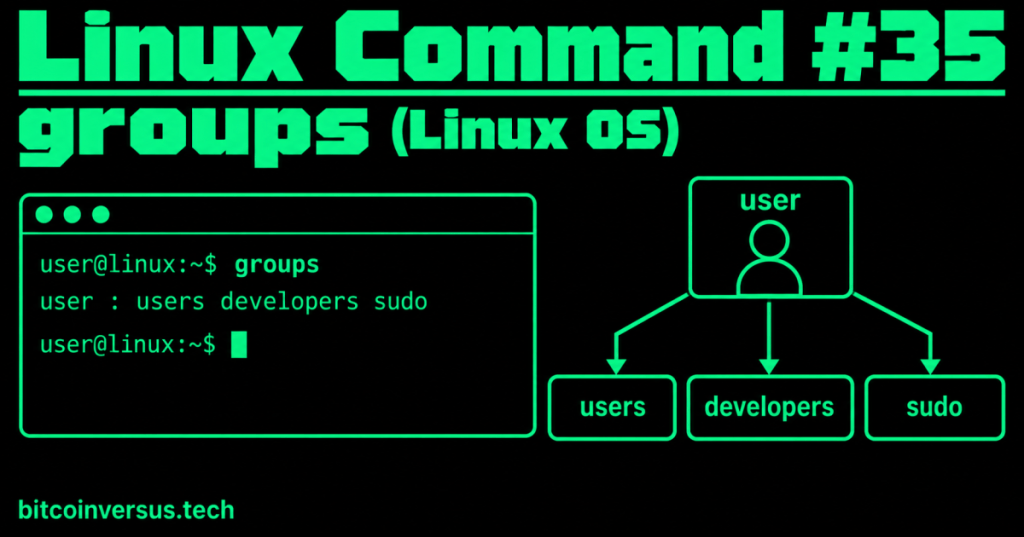
The Linux groups command shows which user groups an account belongs to. If you have ever been added to a team at work, a group chat, or a multiplayer squad, you already understand the basic idea. Linux groups collect users together so the system can give several accounts the same access or permissions. Start with…
-

onsemi has revised its Synaptics acquisition into an all-cash deal while preserving the strategic push into connected compute, sensing, human-machine interfaces, and edge AI.
-
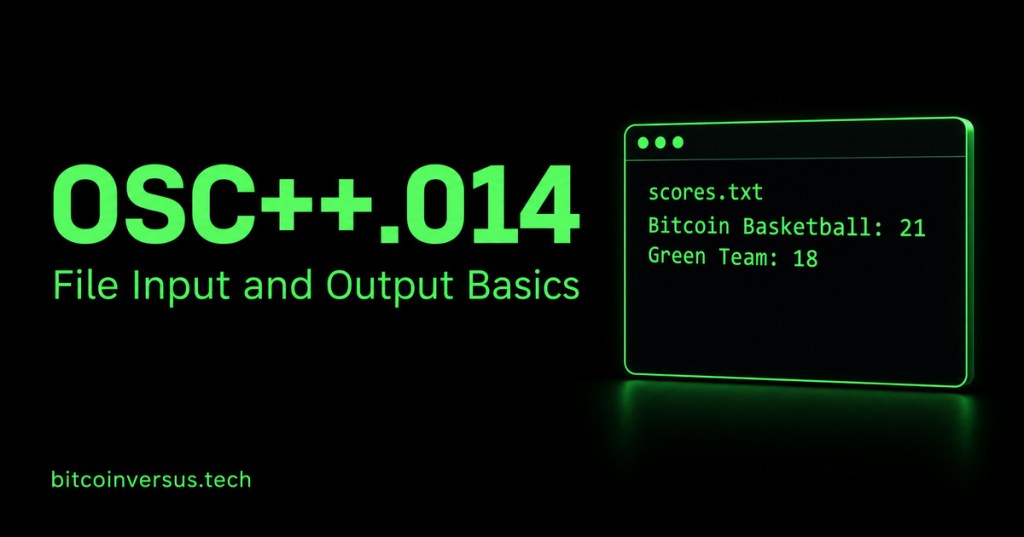
Write, read, and append a fictional sports score file in C++ using checked stream operations, complete examples, and three related videos.
-
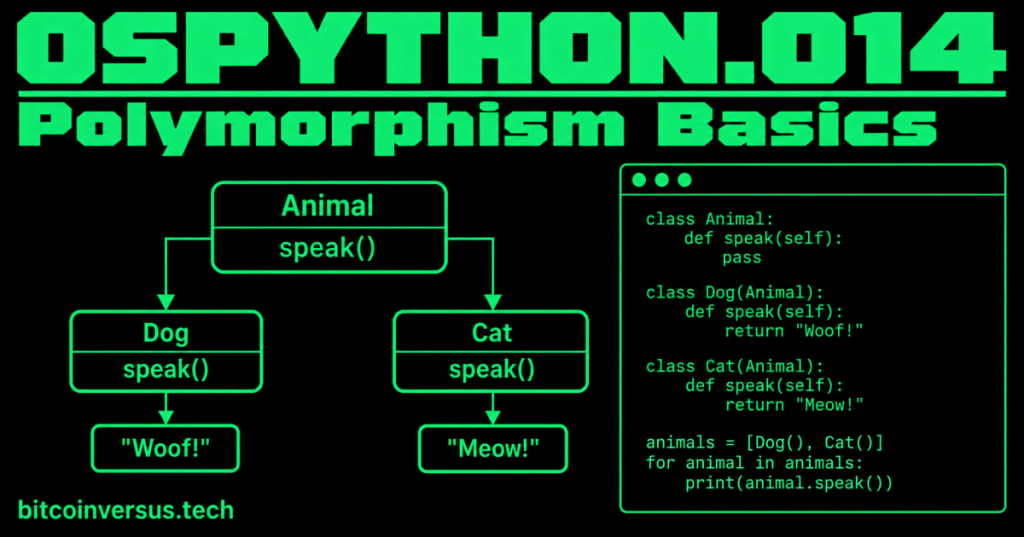
Polymorphism means “many forms.” In Python, it lets the same method name or operation work with different kinds of objects. In OSPython.013: Inheritance Basics, we learned that child classes can inherit and override behavior. Polymorphism builds directly on that idea: different objects can respond to the same method call in their own way. One method…
-

LG Electronics is building its first U.S. chiller factory in Virginia as AI data-center cooling shifts from specialized HVAC into a mass-manufactured infrastructure stack.
-
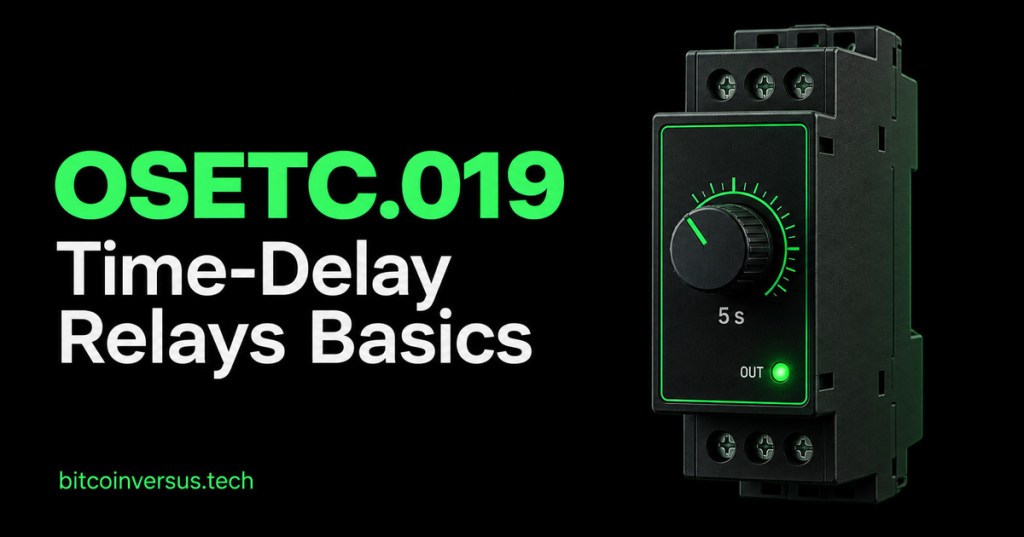
Understand on-delay and off-delay relays, trigger versus supply power, and timed-contact troubleshooting through clear examples and three related videos.
-
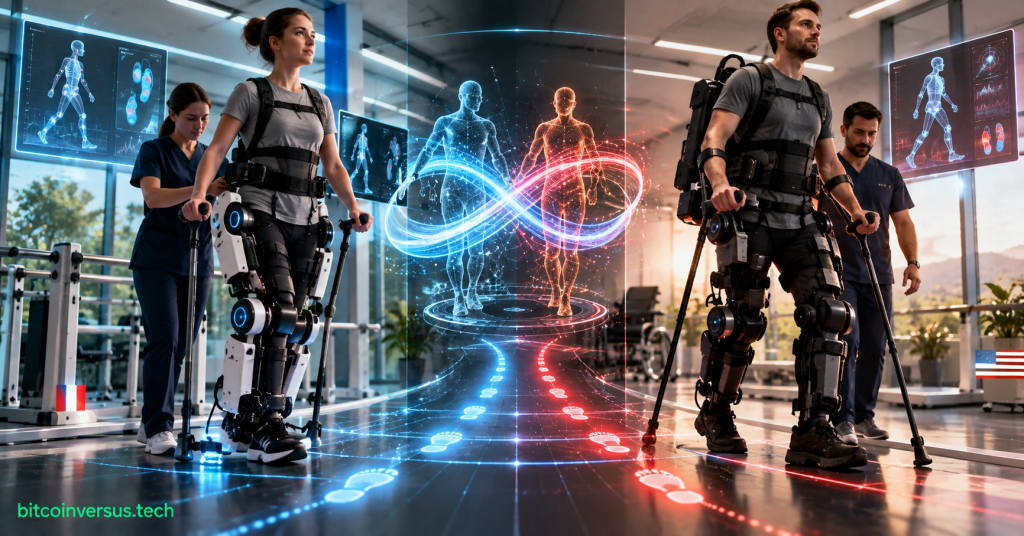
Wandercraft acquired Ekso Bionics, combining self-balancing physical AI with one of the largest clinical exoskeleton footprints in the United States.
-

Learn how capacitors and inductors store energy, how frequency changes reactance, and how impedance determines AC current—with simple definitions and worked examples.
-
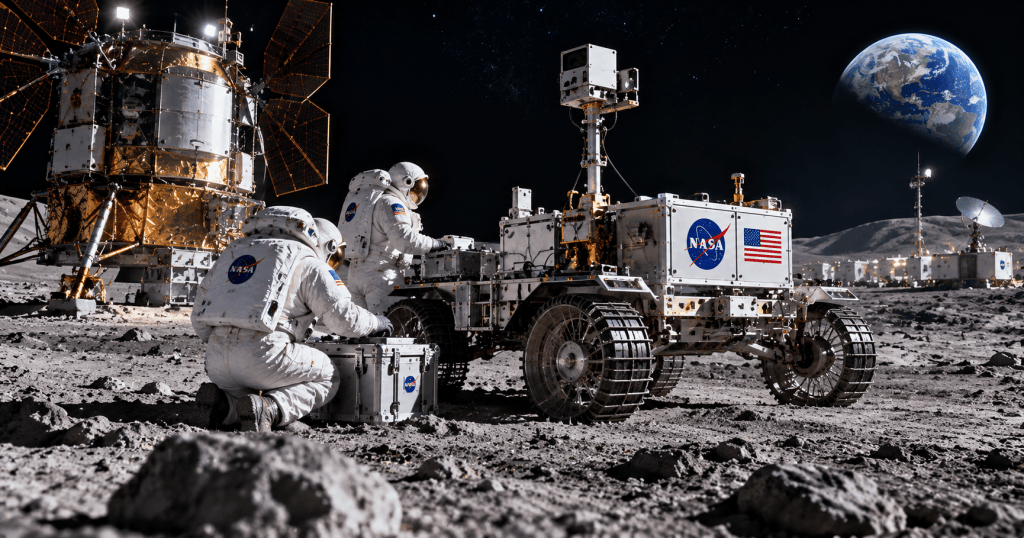
NASA selected three new Moon Base science payloads to measure lunar hazards, map possible lava-tube shelters, and directly probe ice in cold traps.
-
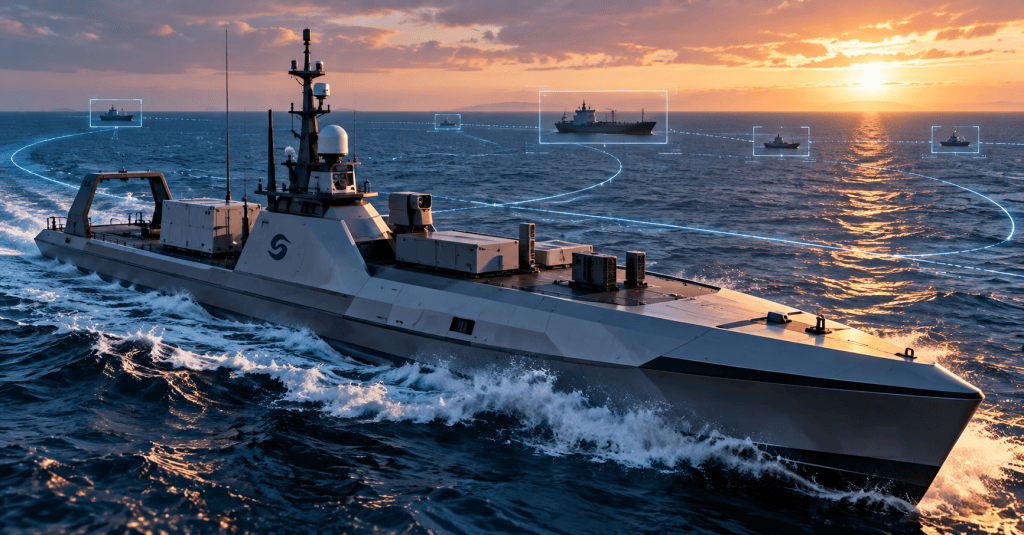
Saronic’s 180-foot Marauder autonomous ship moved into U.S. Navy production after eight days of continuous testing and more than 140 scenarios without a reported failure.
-
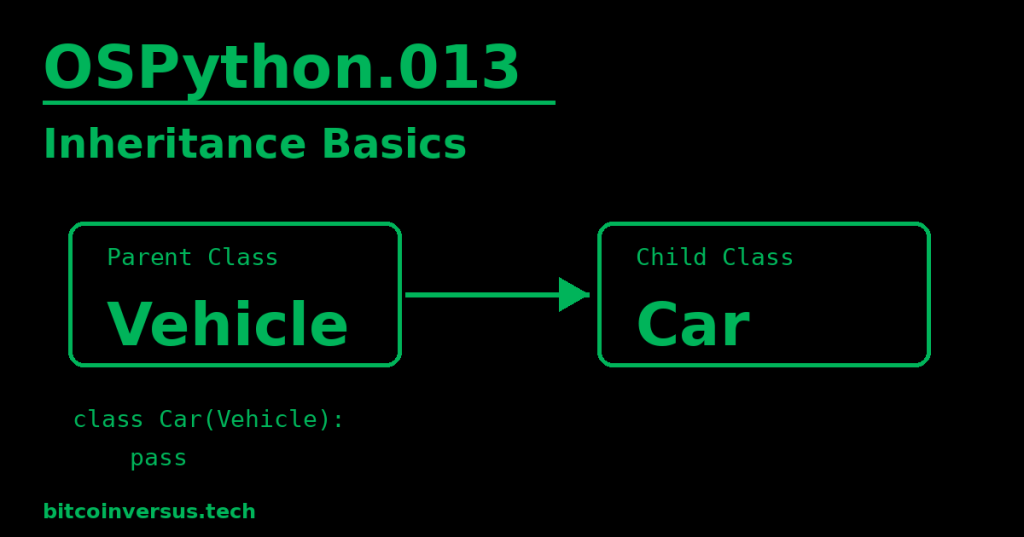
Inheritance lets a new Python class reuse the useful parts of an existing class and then add or change behavior of its own. In OSPython.012: Classes and Objects, we created classes as blueprints. In this lesson, we connect two blueprints: a general parent class and a more specific child class. Start with a parent class…
-

CScale exits stealth with ₿1,675 ($145 million) to build an optical scale-up interconnect designed to contain link failures without interrupting AI compute.

