Tech Docs
-

Kelly Clarkson says she enjoys AI creatively but thinks AI-generated artists should compete on a separate music chart rather than directly against human performers.
-
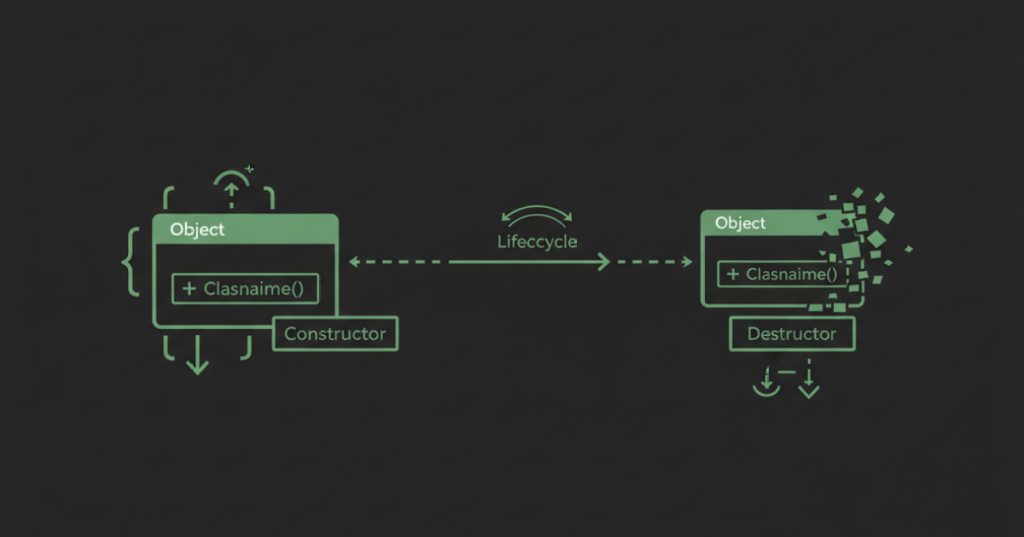
Learn C++ constructors and destructors, including default and parameterized constructors, initializer lists, object lifetime, destruction order, and RAII basics.
-

Sony’s new QSSR library brings AI-guided image reconstruction to the standard PS5, using a streamlined neural network developed through Project Amethyst with AMD.
-
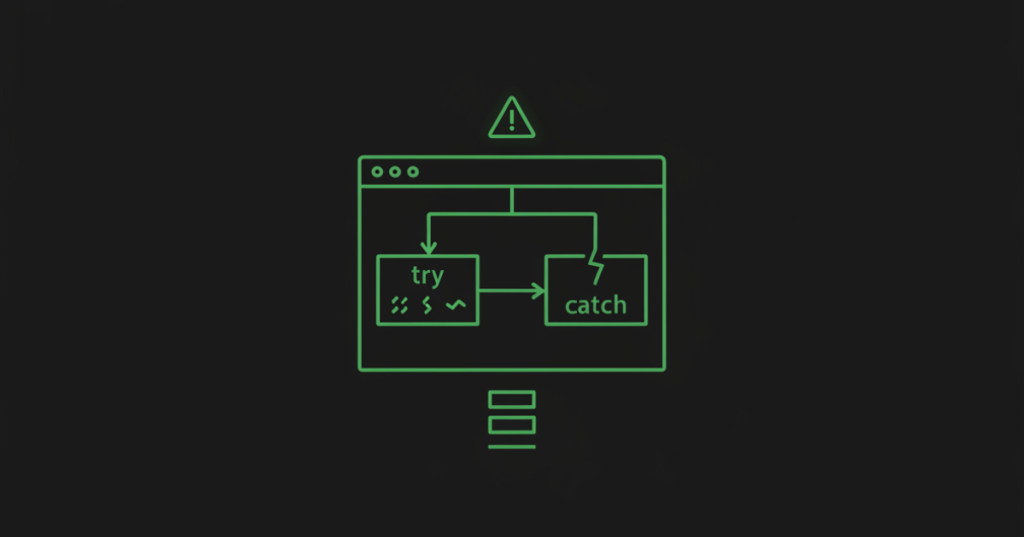
Learn C++ exception handling with try, throw, catch, standard exceptions, multiple handlers, stack unwinding, rethrowing, and practical file-I/O error examples.
-
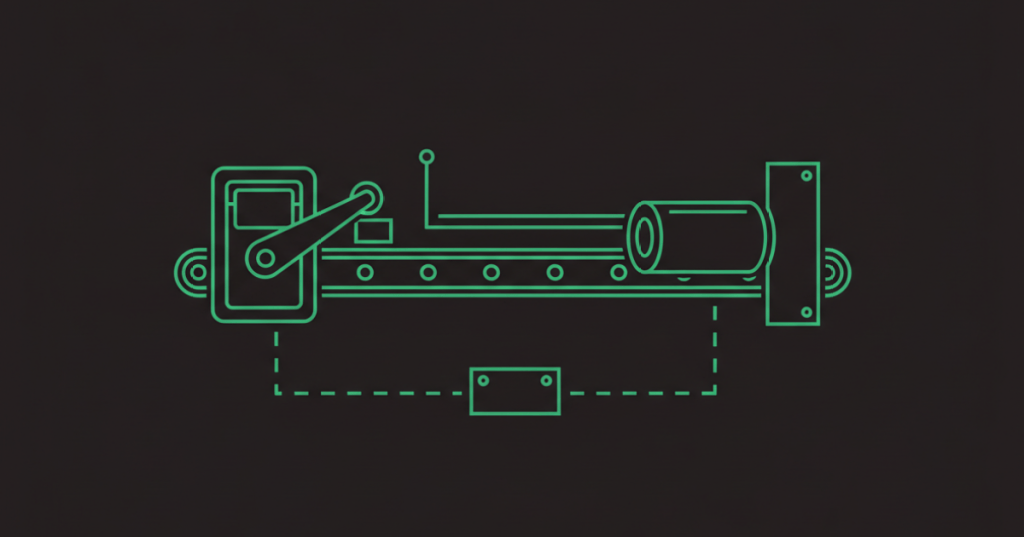
Learn industrial limit switches and proximity sensors, including NO/NC contacts, inductive, capacitive and photoelectric sensing, PNP/NPN outputs, troubleshooting, and field applications.
-
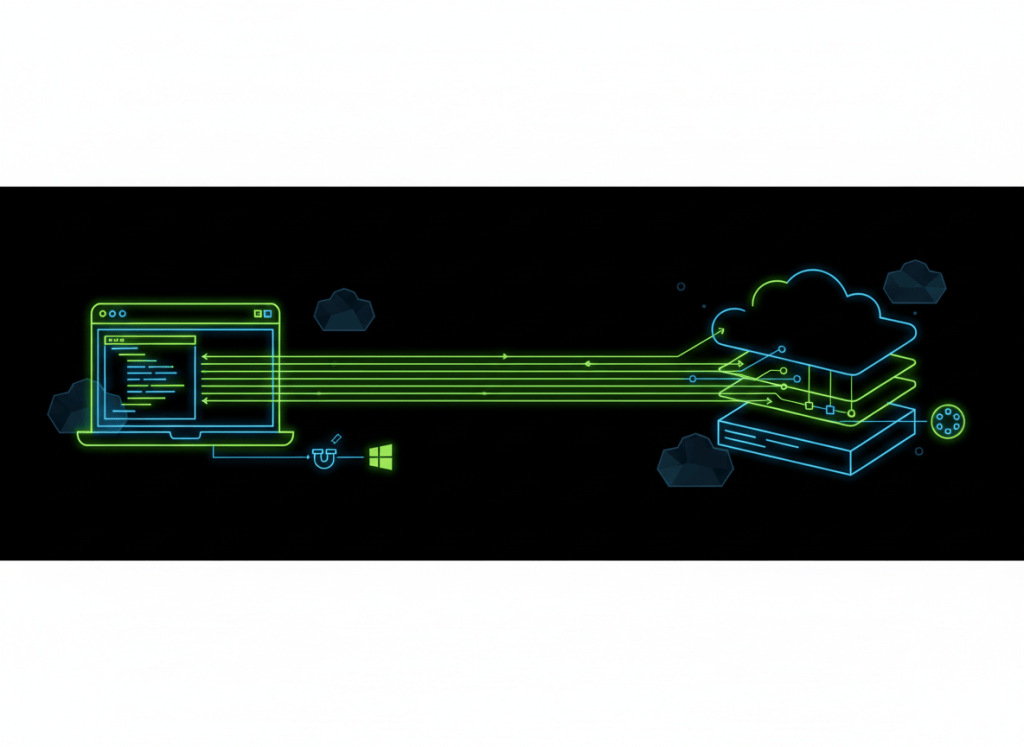
Microsoft’s September Azure Developer CLI releases add dependency-aware extensions, layered projects, concurrency controls, named-pipe authentication and stronger deployment diagnostics.
-
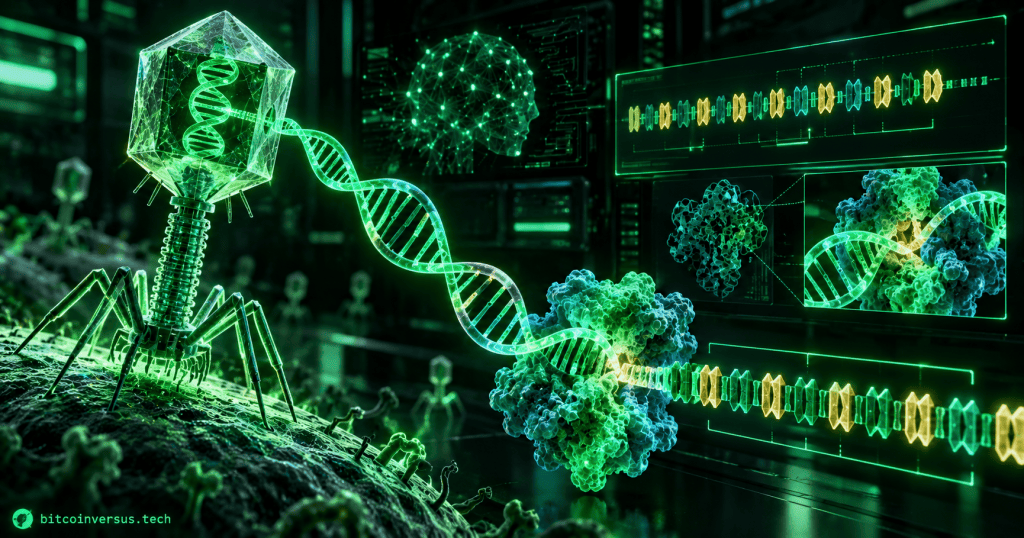
Anthropic says Claude helped identify an unusual bacteriophage enzyme system with CRISPR-like DNA repeats, then proposed wet-lab experiments for human scientists to test.
-
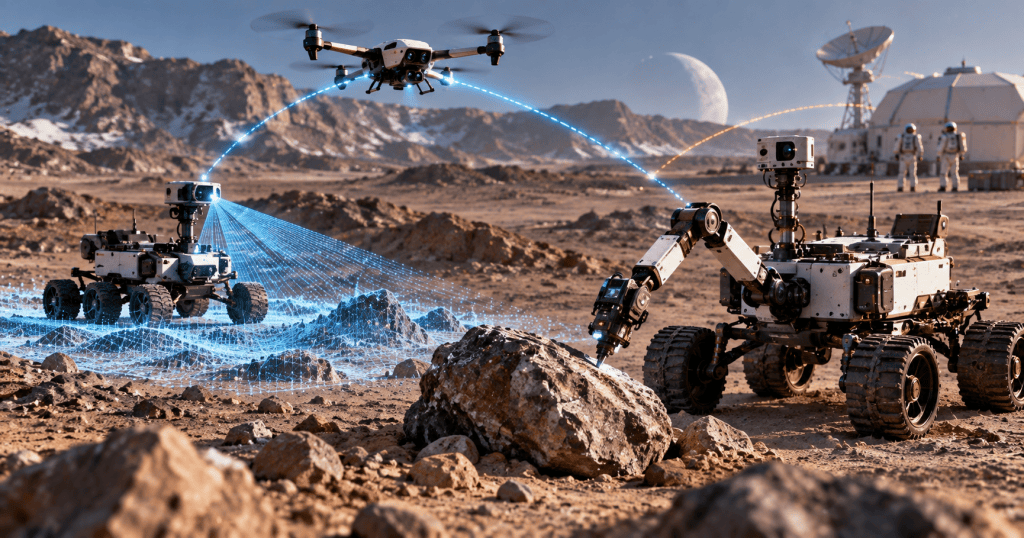
NASA’s ASTRA field test put a scouting drone and two specialized rovers into one AI decision loop that weighs science value, risk and changing conditions.
-
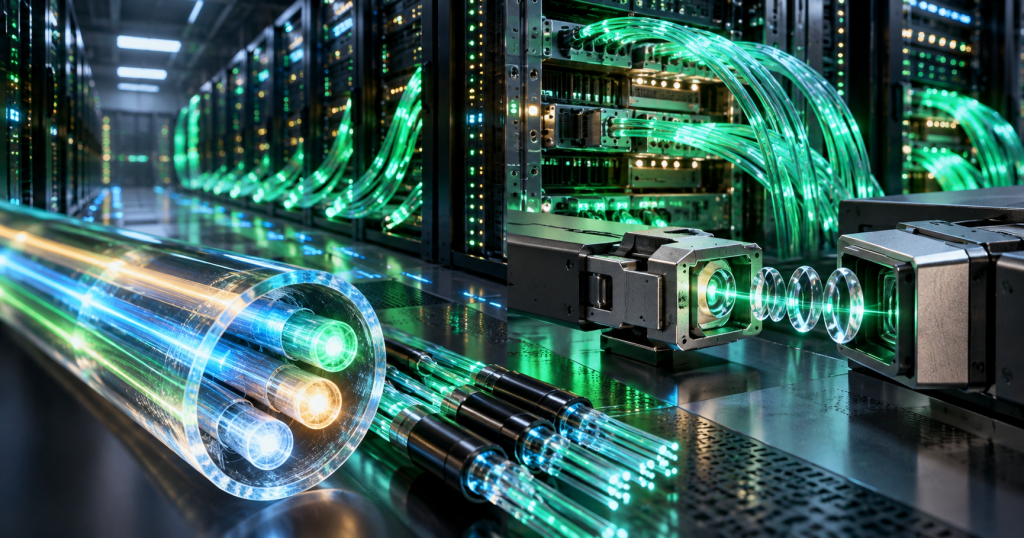
Corning’s ECOC 2026 networking stack combines Contour Form Micro Cable, four-core multicore fiber, contactless PRIZM connectors and CPO-ready connectivity for denser AI infrastructure.
-
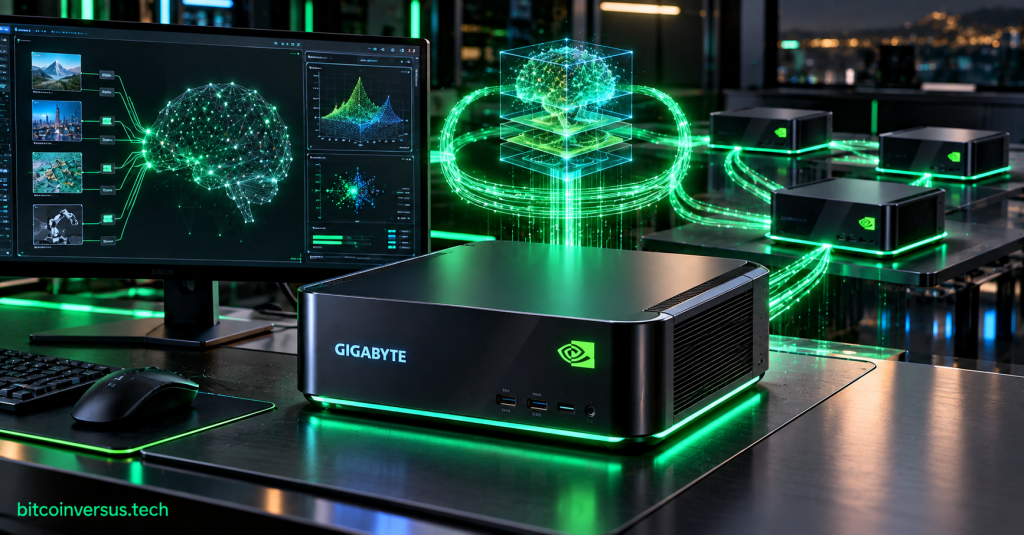
GIGABYTE is launching a 64GB AI TOP ATOM on October 23, expanding its compact NVIDIA GB10 desktop AI platform for local inference, RAG, prototyping and clustered workloads.
-
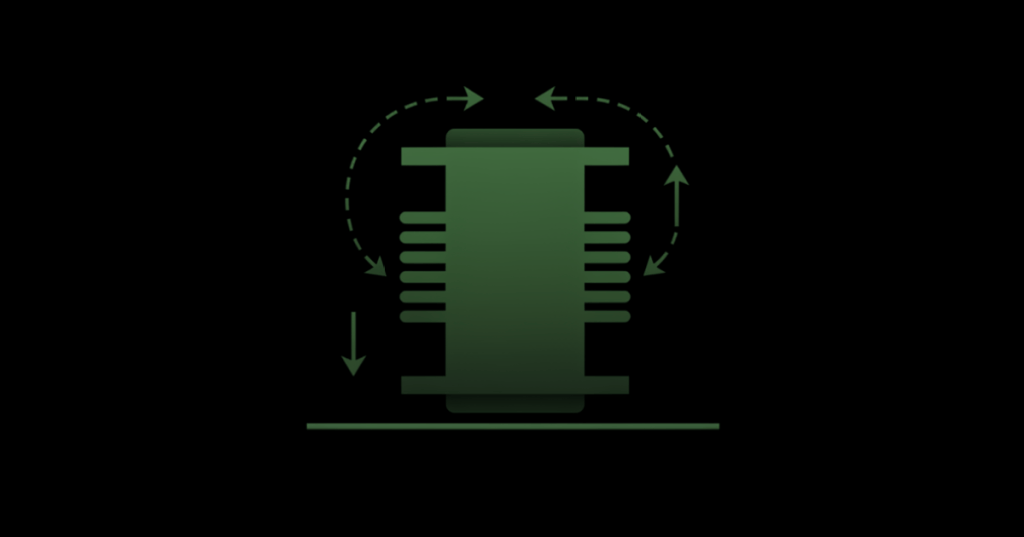
Learn transformer fundamentals: primary and secondary windings, turns ratio, step-up and step-down operation, current ratio, isolation, kVA ratings, losses, and safe measurement logic.
-
Learn the Windows net localgroup command for listing local groups, inspecting membership, and performing authorized group-management tasks from Command Prompt.

