Tech Docs
-
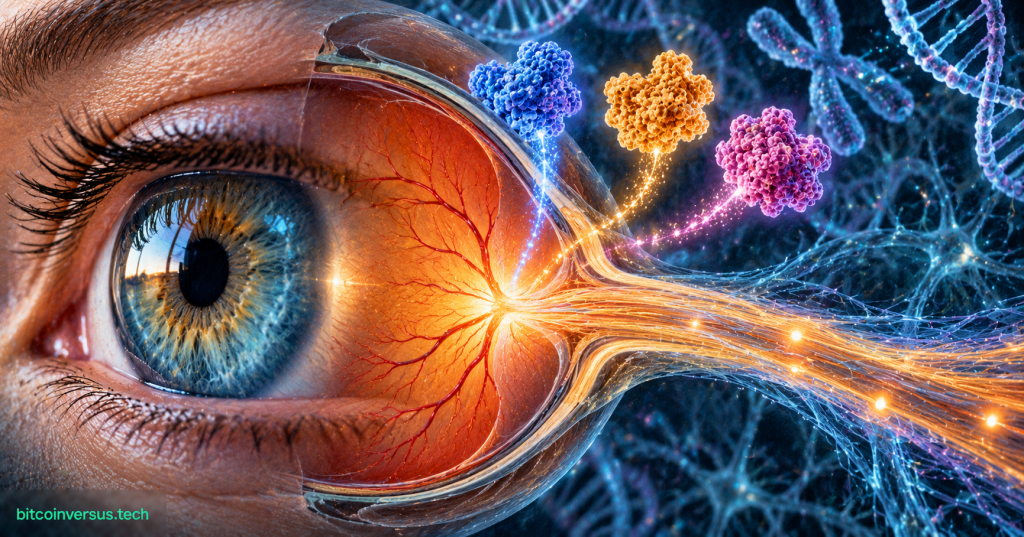
Life Biosciences will present the first interim human data from its Phase 1 ER-100 epigenetic restoration trial on October 8, creating the next major checkpoint for a story BitcoinVersus.Tech followed into the clinic this summer.
-
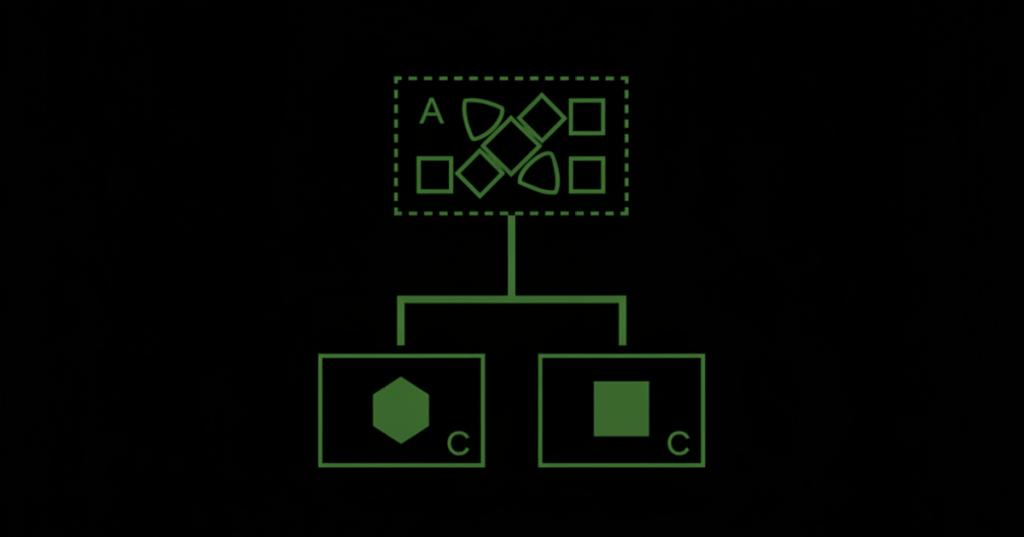
Learn Python abstraction and abstract base classes using ABC, @abstractmethod, concrete subclasses, shared interfaces, polymorphism, and practical data-center examples.
-
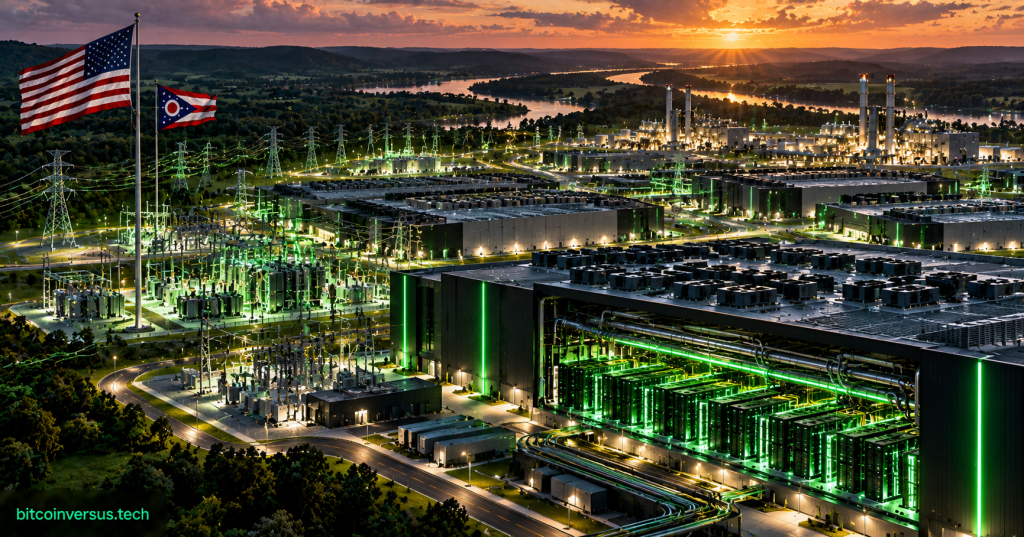
A BitcoinVersus.Tech follow-up to the May Ohio Stargate story: OpenAI now has a 20-year agreement for roughly 8 IT-GW at PORTS-Pike, backed by NVIDIA compute and a massive new power buildout.
-

YouTube is adding AI draft feedback, dynamic thumbnails and upcoming A/B testing for up to three video cuts, moving platform analytics directly into the creator editing workflow.
-
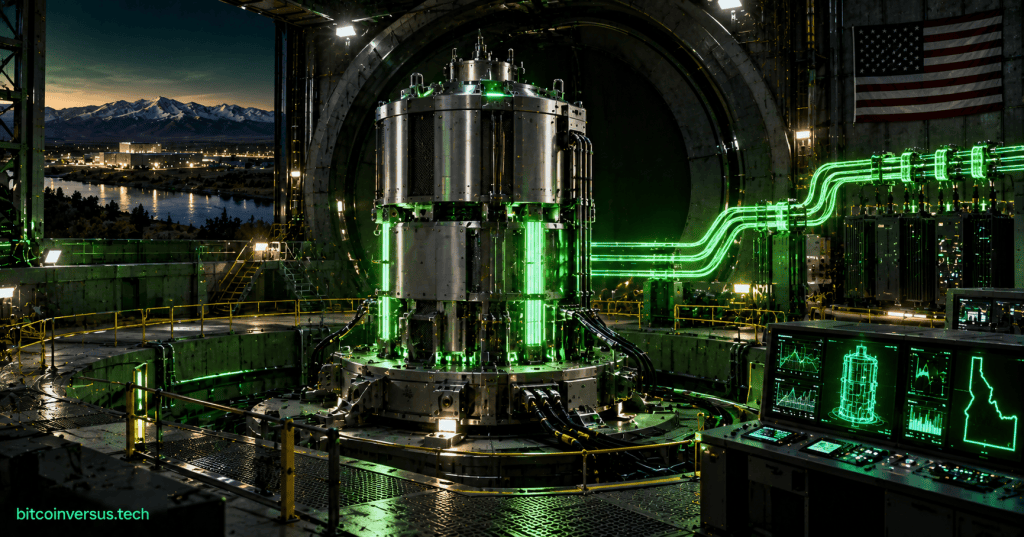
Deployable Energy’s 1 MWe Unity Nuclear Battery has been selected for a 2027 full-power test inside Idaho National Laboratory’s DOME microreactor testbed.
-

India now has an AI computer riding above Earth instead of waiting for satellite imagery to reach a terrestrial data center. TakeMe2Space’s MOI-1A reached orbit aboard SpaceX’s Transporter-18 mission, carrying an NVIDIA Jetson Orin NX, 16 GB of memory, 2 TB of onboard storage and a nine-band multispectral imager. The point is not simply to…
-
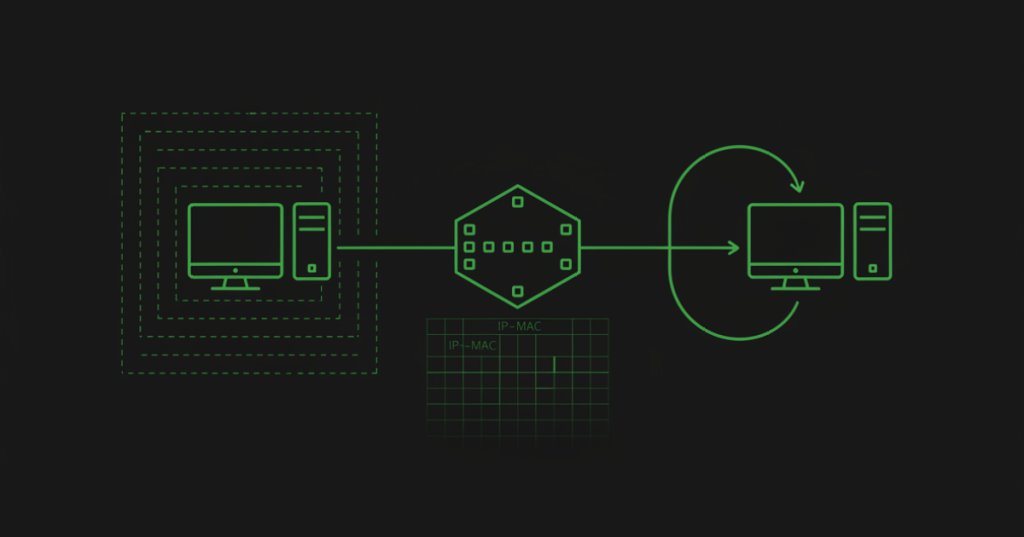
Learn ARP fundamentals: IPv4-to-MAC resolution, ARP requests and replies, ARP caches, same-subnet vs. routed traffic, troubleshooting, and security basics.
-

OIF is bringing 448G electrical signaling, optical interconnects and coherent networking work to October’s TEF and OCP events as 1.6T data-center links move toward interoperable deployment.
-

Kelly Clarkson says she enjoys AI creatively but thinks AI-generated artists should compete on a separate music chart rather than directly against human performers.
-
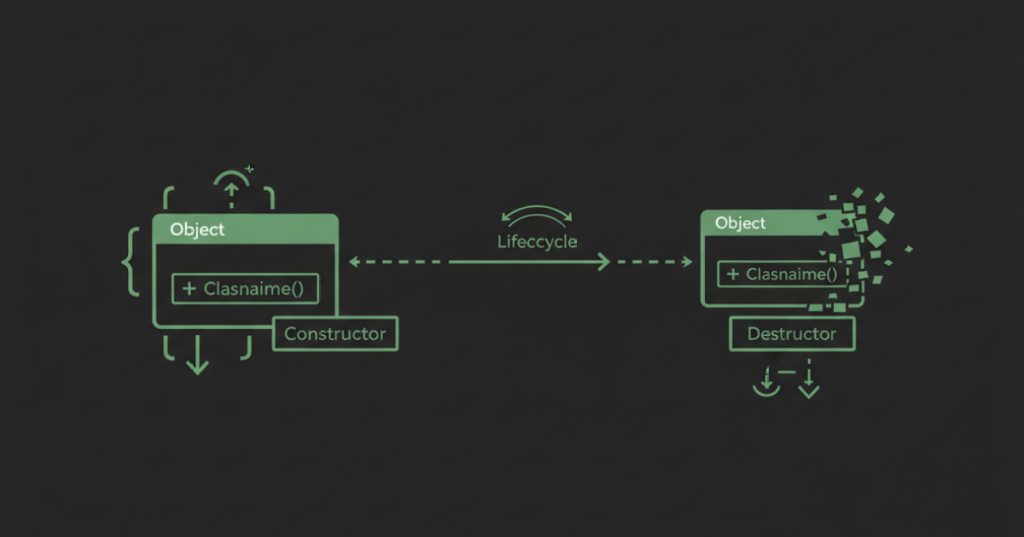
Learn C++ constructors and destructors, including default and parameterized constructors, initializer lists, object lifetime, destruction order, and RAII basics.
-

Sony’s new QSSR library brings AI-guided image reconstruction to the standard PS5, using a streamlined neural network developed through Project Amethyst with AMD.
-
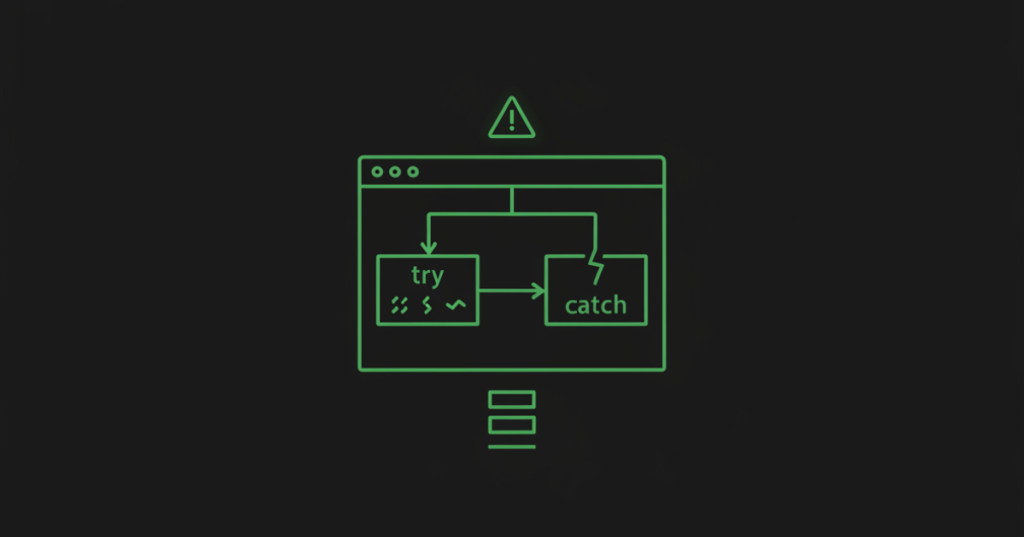
Learn C++ exception handling with try, throw, catch, standard exceptions, multiple handlers, stack unwinding, rethrowing, and practical file-I/O error examples.

