technology
-
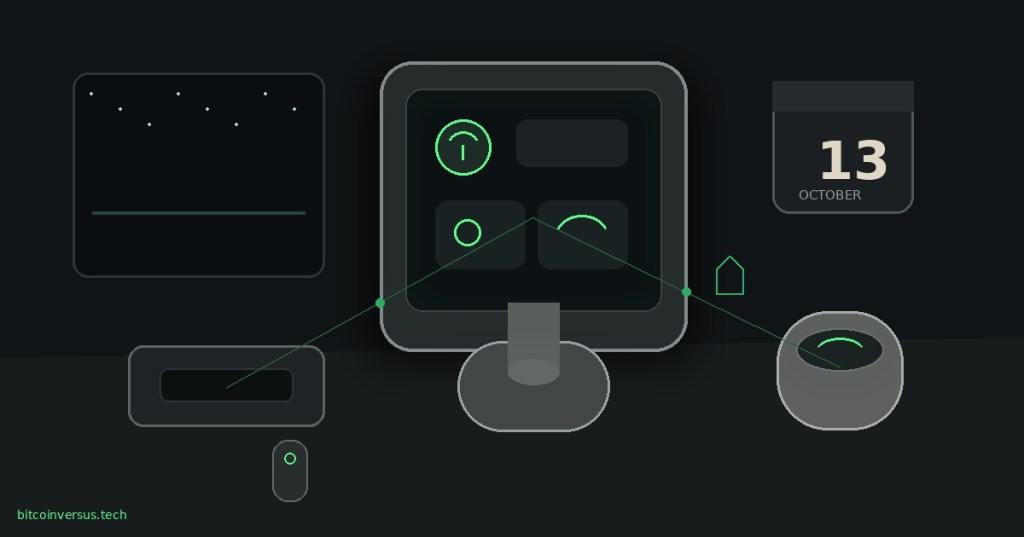
Apple has confirmed an October 13 “Welcome Home” product launch. Here is what is official, what remains rumored, and why its smart-home push matters.
-
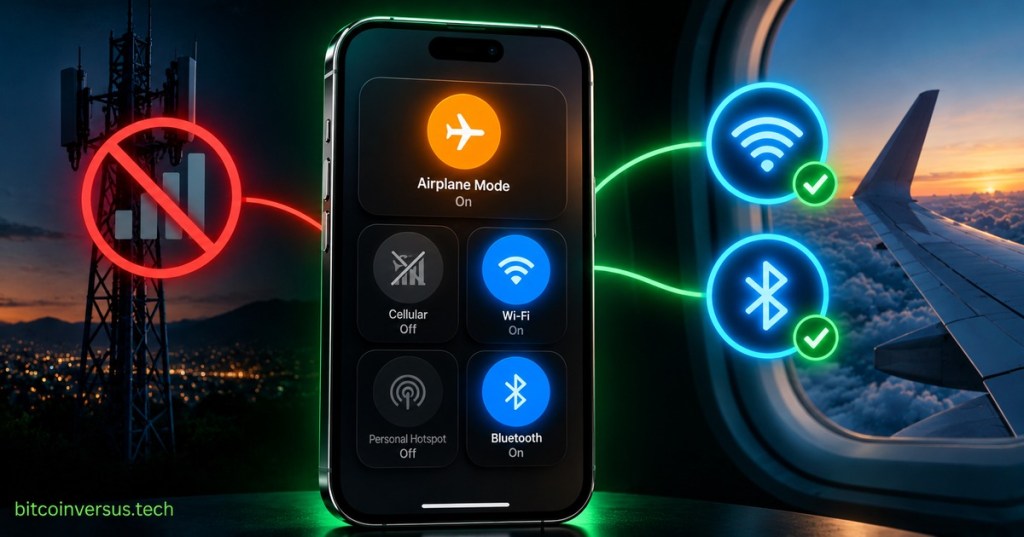
Airplane Mode is the quick setting that stops your phone from using normal cellular service. Your camera, downloaded music, games, Wi-Fi, and Bluetooth can still work depending on what you turn back on.
-
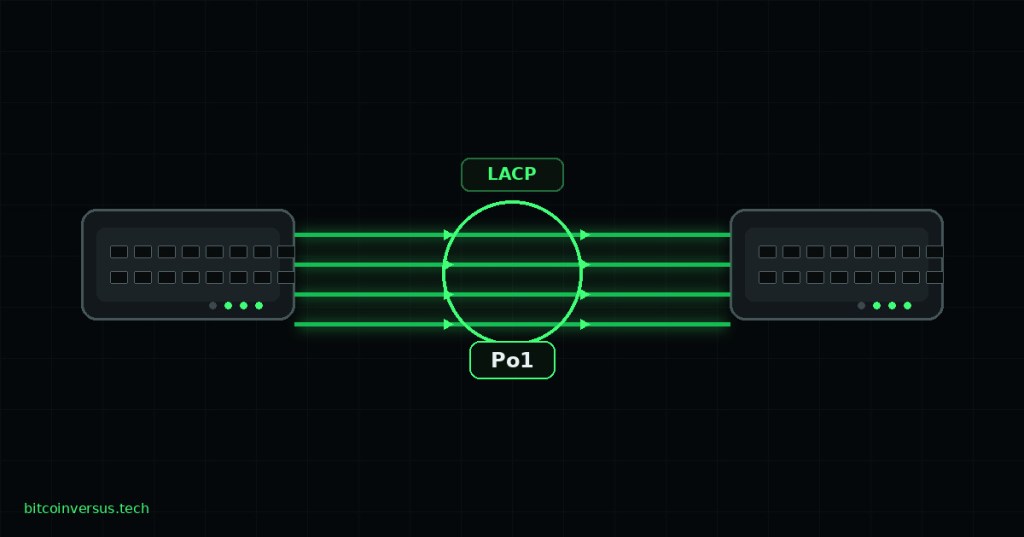
Learn how LACP and EtherChannel bundle multiple Ethernet member links into one logical port-channel, how load balancing works, how failures are handled, and how to verify and troubleshoot the bundle.
-
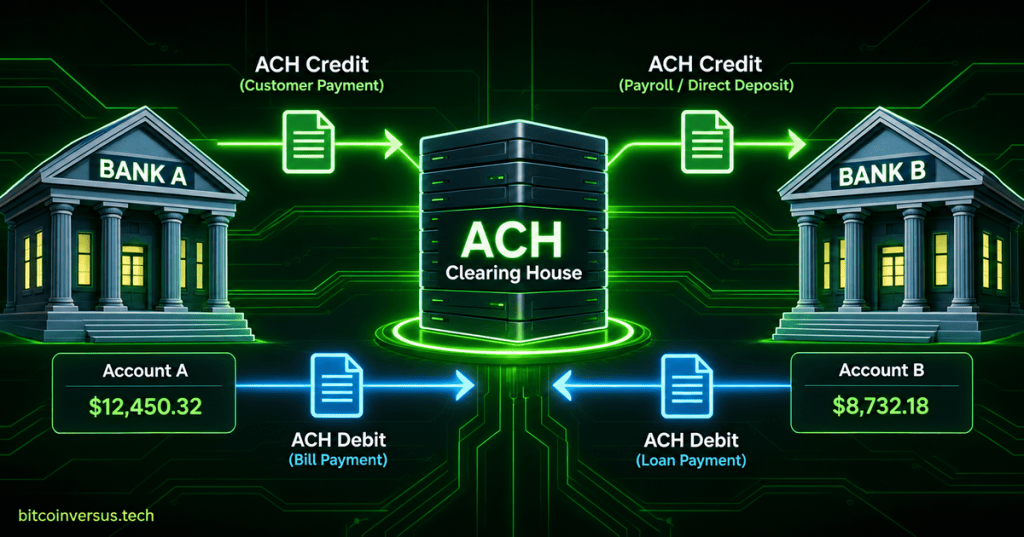
ACH is the batch-based U.S. bank-transfer network behind direct deposit, many bill payments, and account-to-account transfers. Here is how originators, banks, ACH operators, credits, debits, and settlement fit together.
-
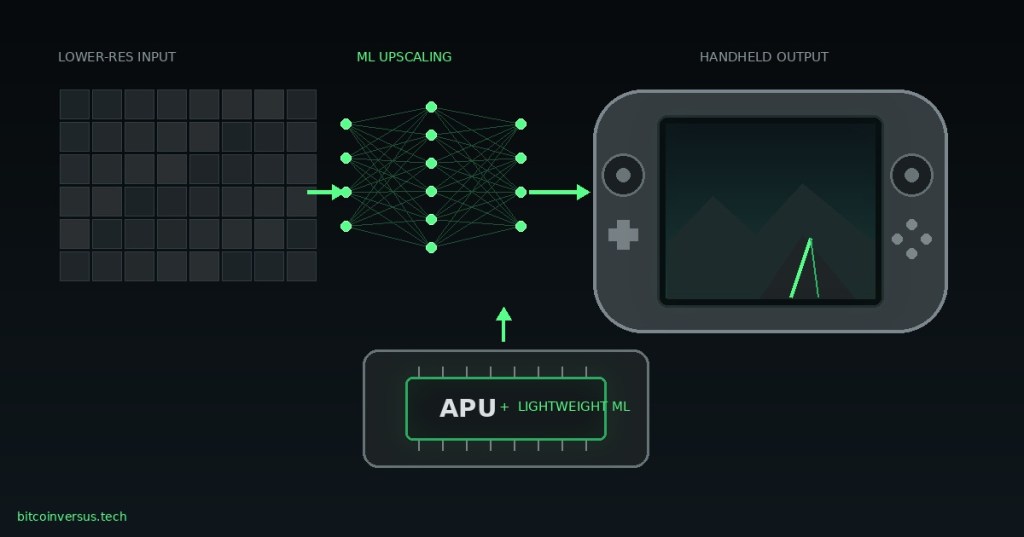
AMD says its machine-learning FSR 4 upscaling is coming to APUs, gaming laptops and handheld gaming PCs by the end of 2026, including a lighter model for existing chips and new FSR 4-capable APU products.
-
OSLTC.002 teaches technical leaders how to set clear expectations by defining the outcome, performance standard, constraints, and confirmation before work begins.
-
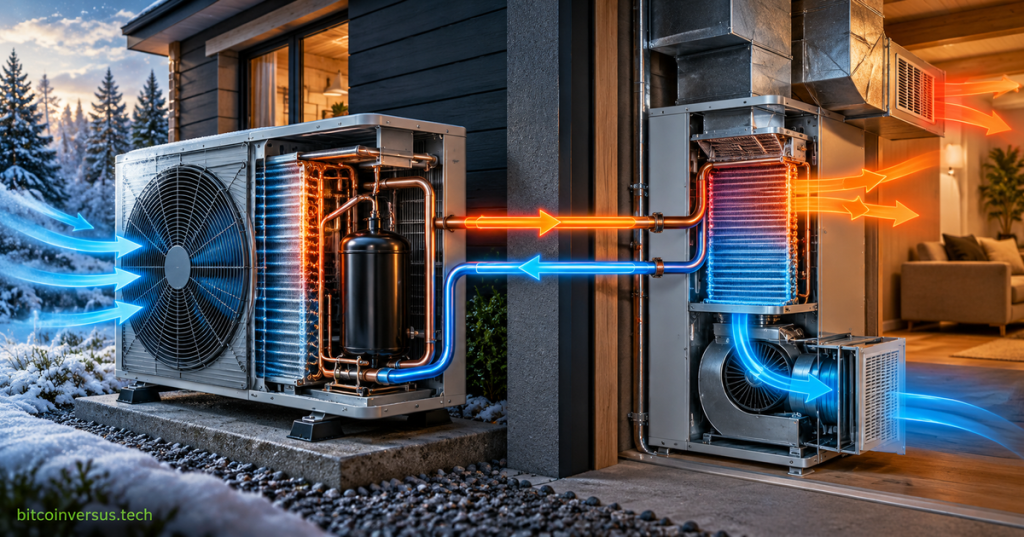
A heat pump does not create most of its heat. It moves heat using a compressor, refrigerant, coils and a reversing valve—letting one machine heat a building in winter and cool it in summer.
-
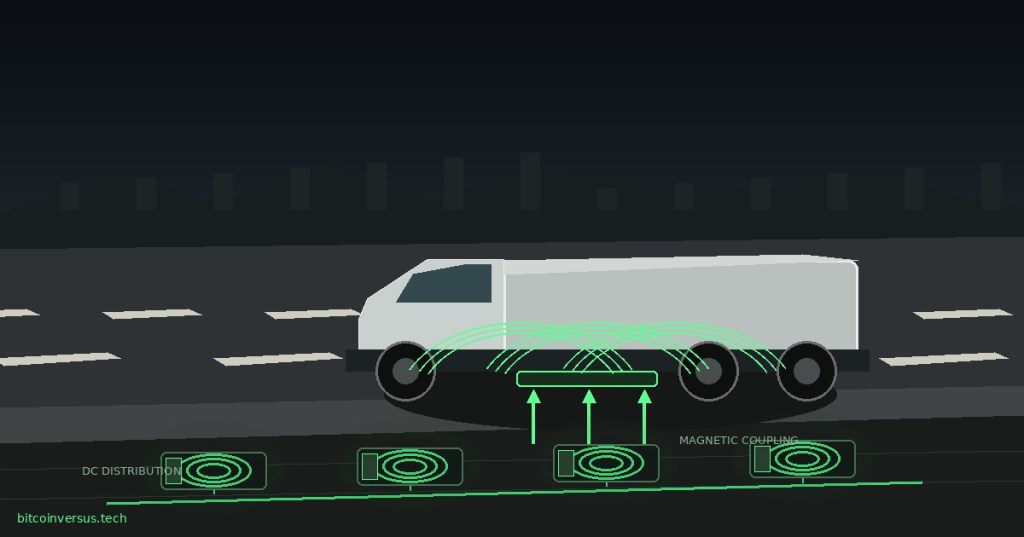
Honda, Taisei and Taisei Rotec are preparing public-road tests of a dynamic wireless charging system designed to transfer up to 150 kW to moving EVs.
-
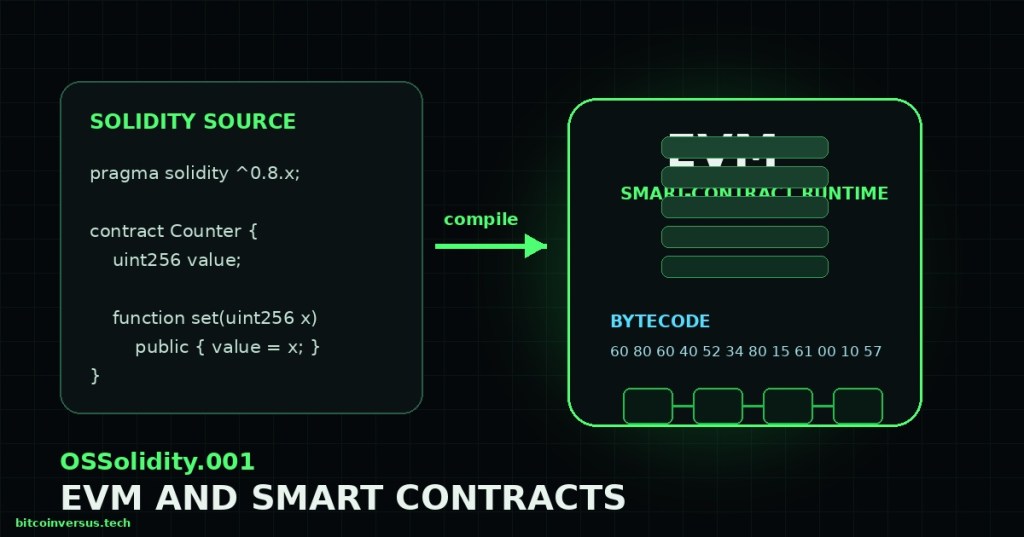
OSSolidity.001 explains the beginner mental model for Solidity: what smart contracts are, what the Ethereum Virtual Machine does, and how Solidity source becomes EVM bytecode that Ethereum nodes execute.
-
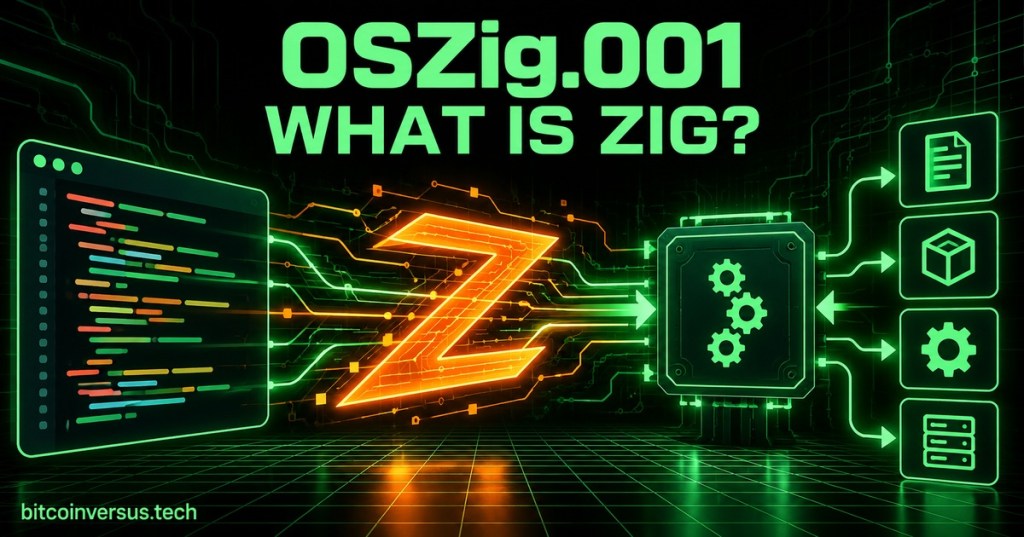
OSZig.001 introduces Zig from first principles: source files, the Zig toolchain, zig init, zig build run, a minimal program, and the path from source code to a native executable.
-
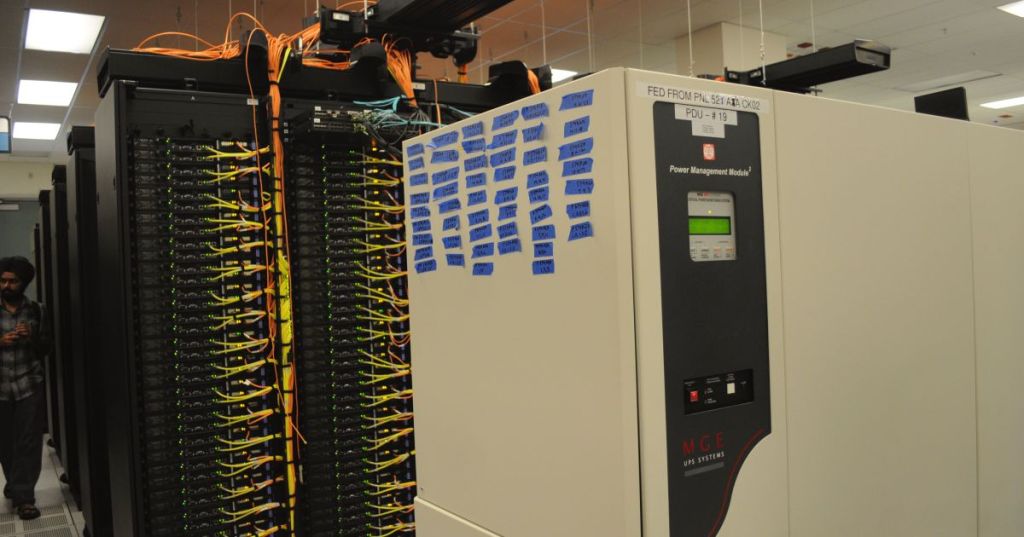
Learn data-center reliability engineering: availability, MTBF, MTTR, failure domains, FMEA, preventive maintenance, MOP/SOP/EOP, change control, root cause analysis, and corrective action.
-
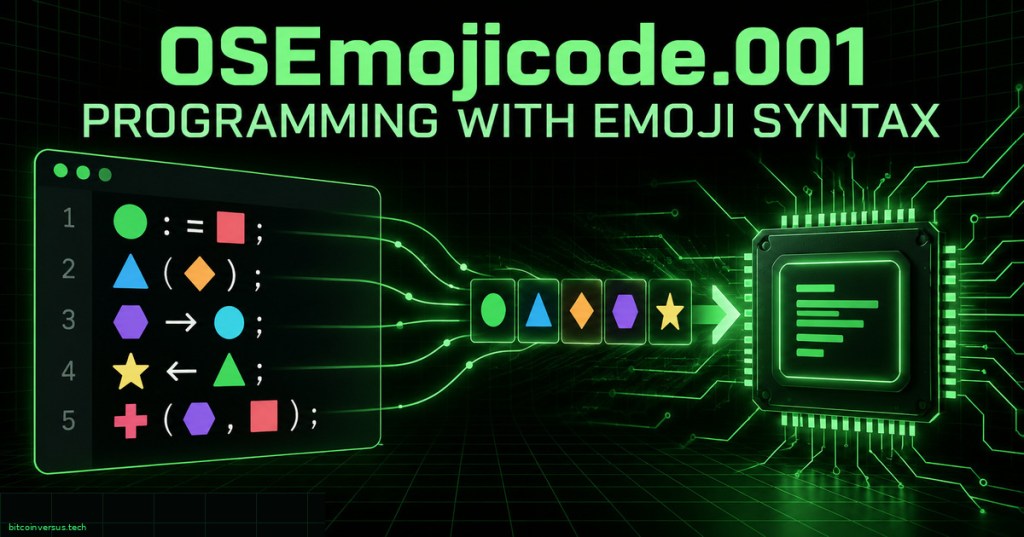
OSEmojicode.001 introduces the Emojicode programming language, showing how emoji tokens represent familiar ideas such as an entry point, blocks, output, strings, and typed program structure.

