technology
-
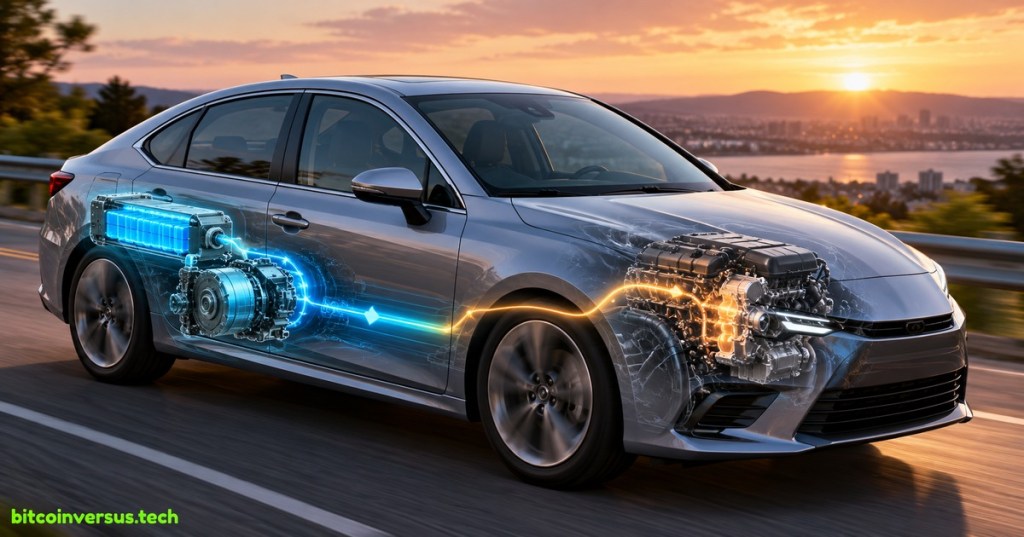
A hybrid car uses both a gasoline engine and an electric motor. The two systems work together to reduce fuel use without making everyday driving complicated.
-
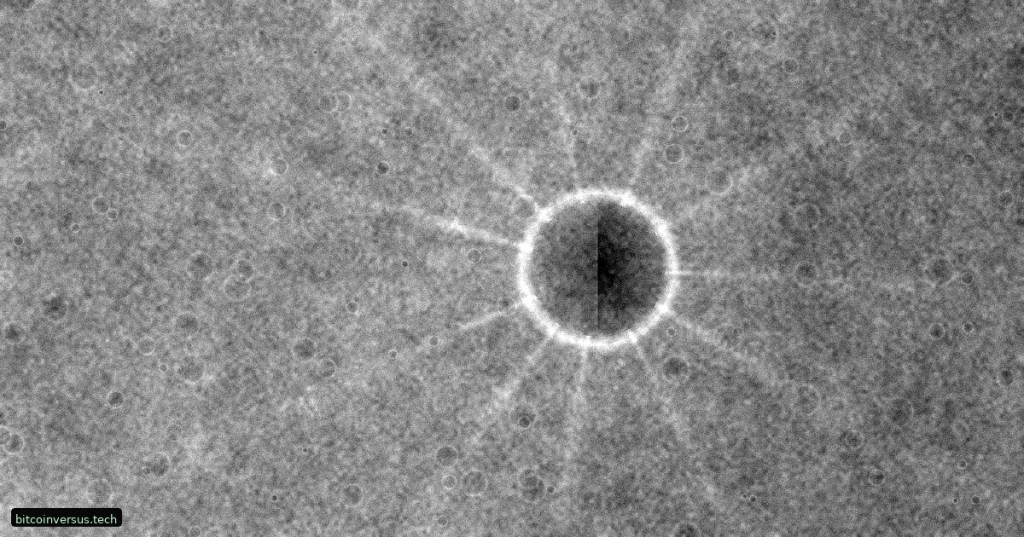
NASA’s Lunar Reconnaissance Orbiter found a fresh 222-meter crater on the Moon. The impact also created a cold spot roughly 7 kilometers wide.
-
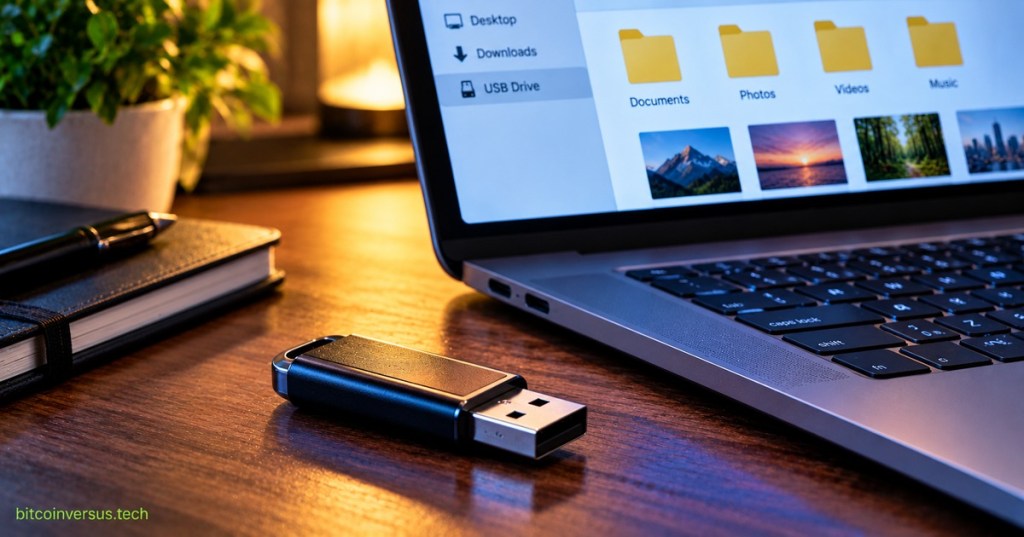
A USB flash drive is a small portable storage device that lets you carry files from one computer to another.
-
sc qc asks Windows for the stored configuration of a service. It is the natural read-only follow-up to Windows Command #37 — sc config. Where sc config changes settings, sc qc lets you inspect important settings such as the startup type, executable path, service account, display name, dependencies, and error-control behavior. Basic Syntax sc.exe qc…
-
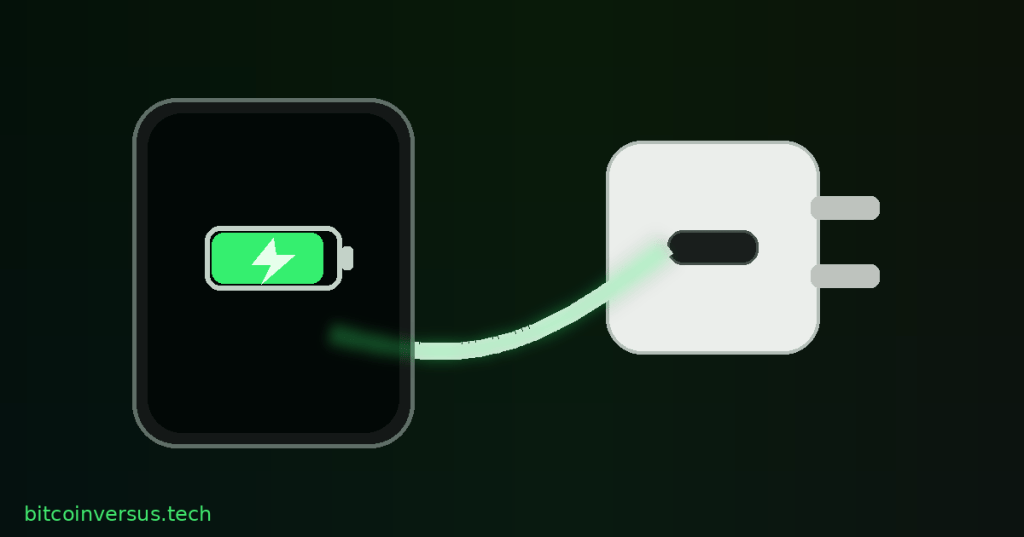
A phone charger takes power from the wall, sends it through a cable, and gives your phone the electricity it needs to refill its battery.
-
Windows Command #37 explains sc config: how to change Windows service startup types, use the required spacing, verify service names, and avoid changing critical services blindly.
-
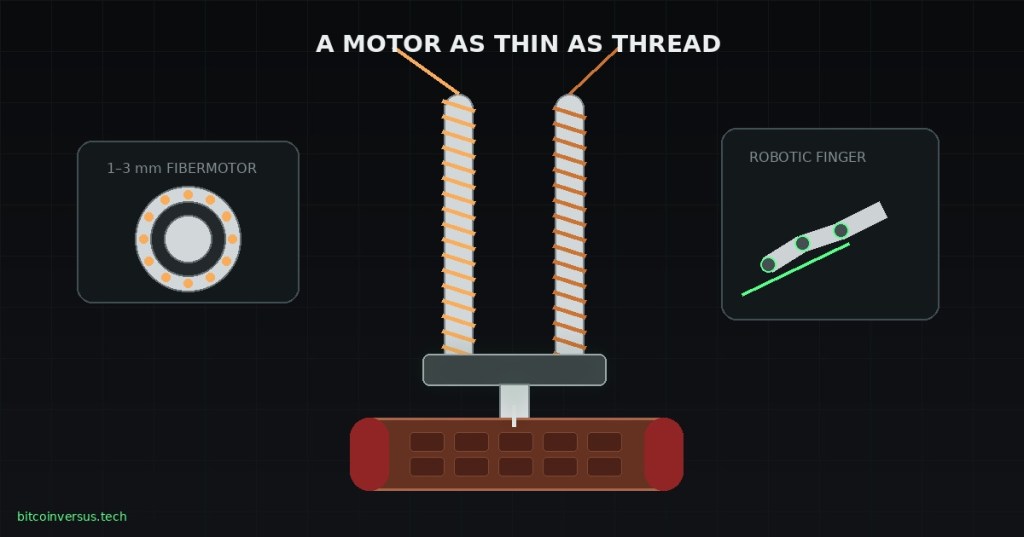
EPFL’s FiberMotor is only 1–3 mm thick, slides like a tiny telescope, and can be bundled into flexible actuators for robotic fingers and wearable robotics.
-
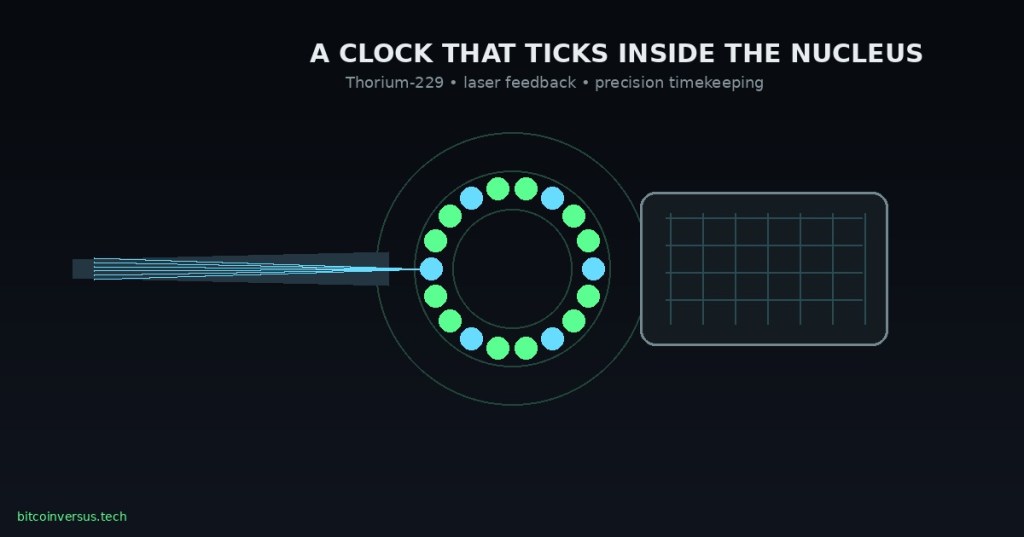
Researchers in Vienna and Beijing have independently demonstrated operational nuclear clocks using thorium-229, shifting precision timekeeping from electron transitions to the atomic nucleus itself.
-
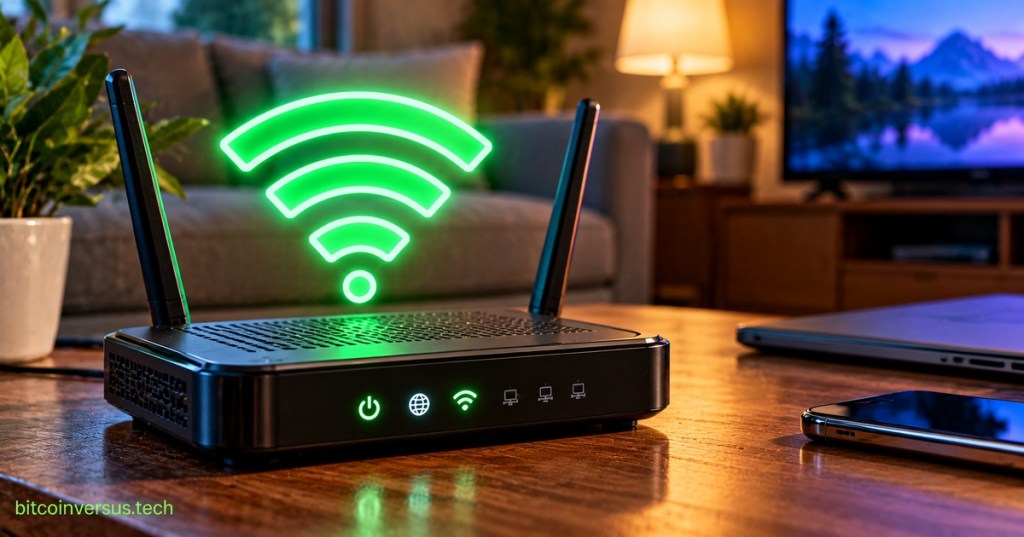
Wi-Fi is a way for your phone, laptop, TV, and other devices to connect to a nearby network without a cable.
-
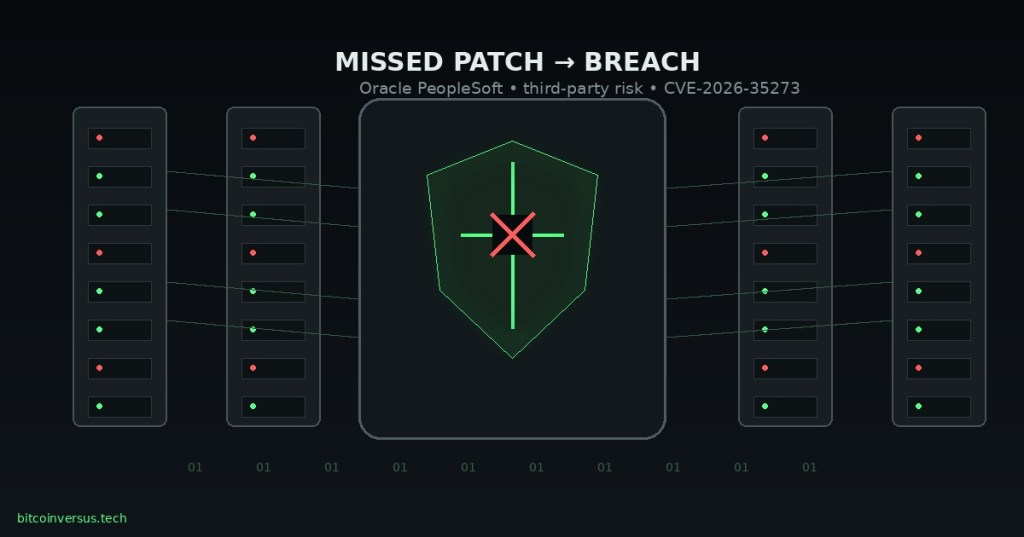
The FBI says a third-party contractor failed to apply an explicitly issued security patch before a breach exposed sensitive employee data. Reuters sources identify Accenture and Oracle PeopleSoft, while Oracle’s critical PeopleSoft flaw carried a 9.8 CVSS score.
-
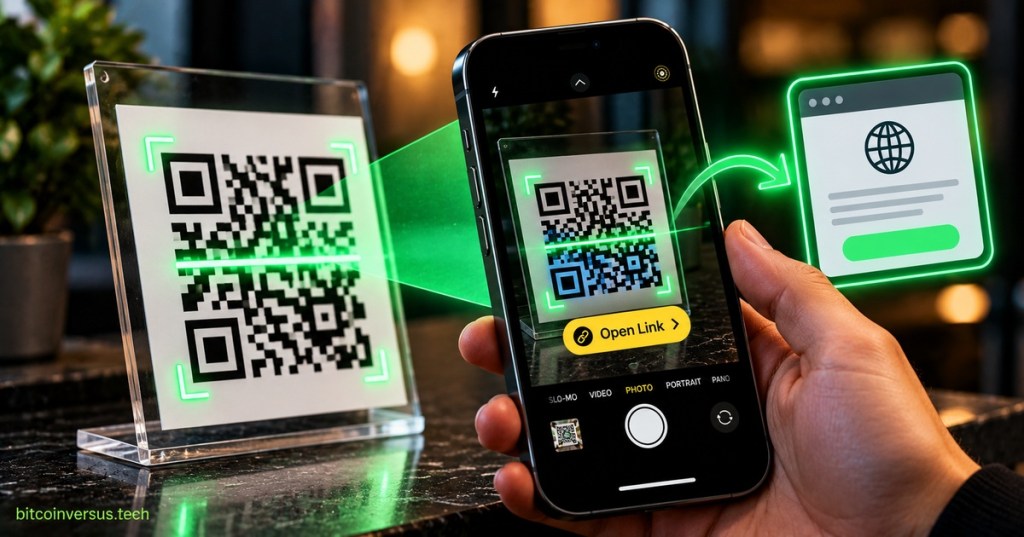
A QR code is a square pattern your phone can scan to quickly open a link or read stored information. Here’s the easy version of how it works and why QR codes became so common.
-
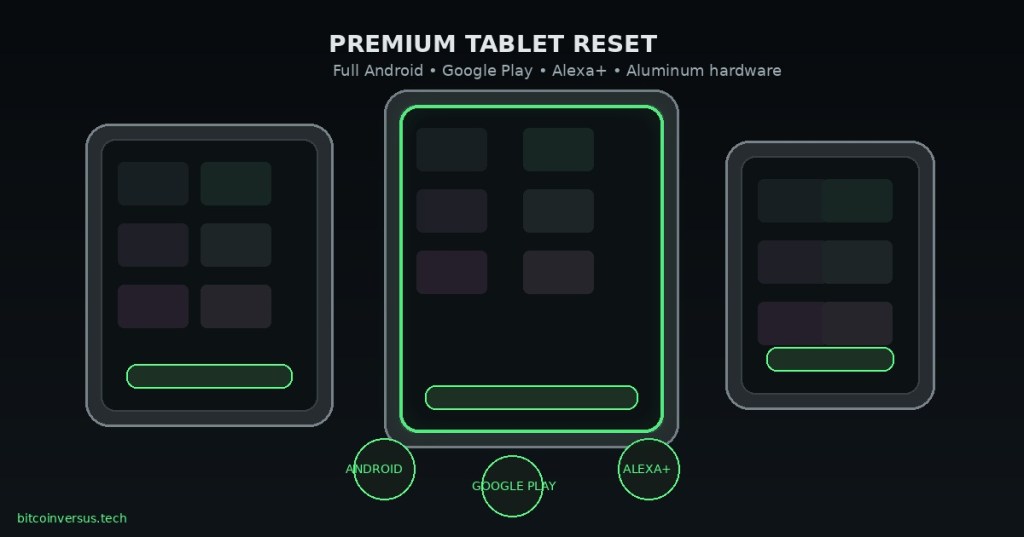
Amazon’s new Alexa Tablets replace the Fire-tablet formula with Google-certified Android, full Google Play access, Alexa+ and a premium 12 Pro model.

