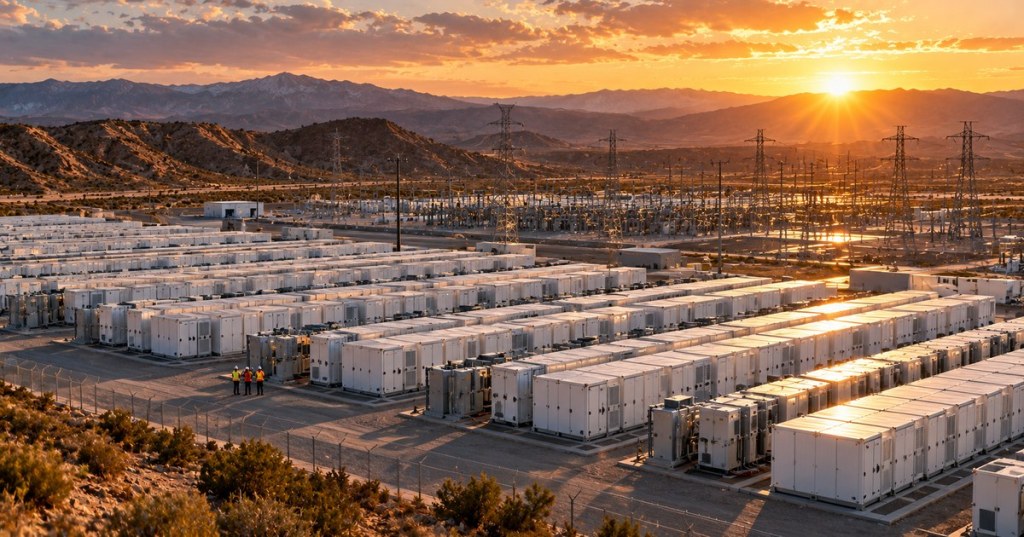
The largest U.S. grid battery facilities are now capable of dispatching hundreds of megawatts at a time, giving utilities a way to shift electricity across the day without starting another conventional power plant. By October 2026, the leader is the 680-megawatt Nova Power Bank in California, followed by large batteries in Georgia, California, Florida, Texas, Utah and Nevada. The rankings also show how difficult it can be to distinguish a facility that has entered service from one that remains under construction—or has been taken offline.
These seven entries follow the U.S. Energy Information Administration’s monthly generator inventory, as compiled in an August 2026 battery-only ranking and Cleanview’s October operating-project tracker. The unit of comparison is operating battery nameplate power in megawatts (MW) at an individual registered plant, not solar output, the total capacity of a development campus, or stored energy in megawatt-hours (MWh). Public operating-status reports are not proof that every megawatt is available on a given day. Sites sharing the same MW rating are tied; the two 400-MW facilities profiled below are not uniquely above other 400-MW plants.
7. Sierra Solar Hybrid, Nevada — 400 MW
In Churchill County, Sierra Solar Hybrid is listed as operating with 400 MW of battery capacity in 2026, alongside a separately measured solar-generation component. The site’s battery equipment was built in Nevada’s desert, where transmission infrastructure can shift daytime renewable electricity toward evening consumption. Its battery power rating, not the adjoining solar farm’s rating, determines its place here.
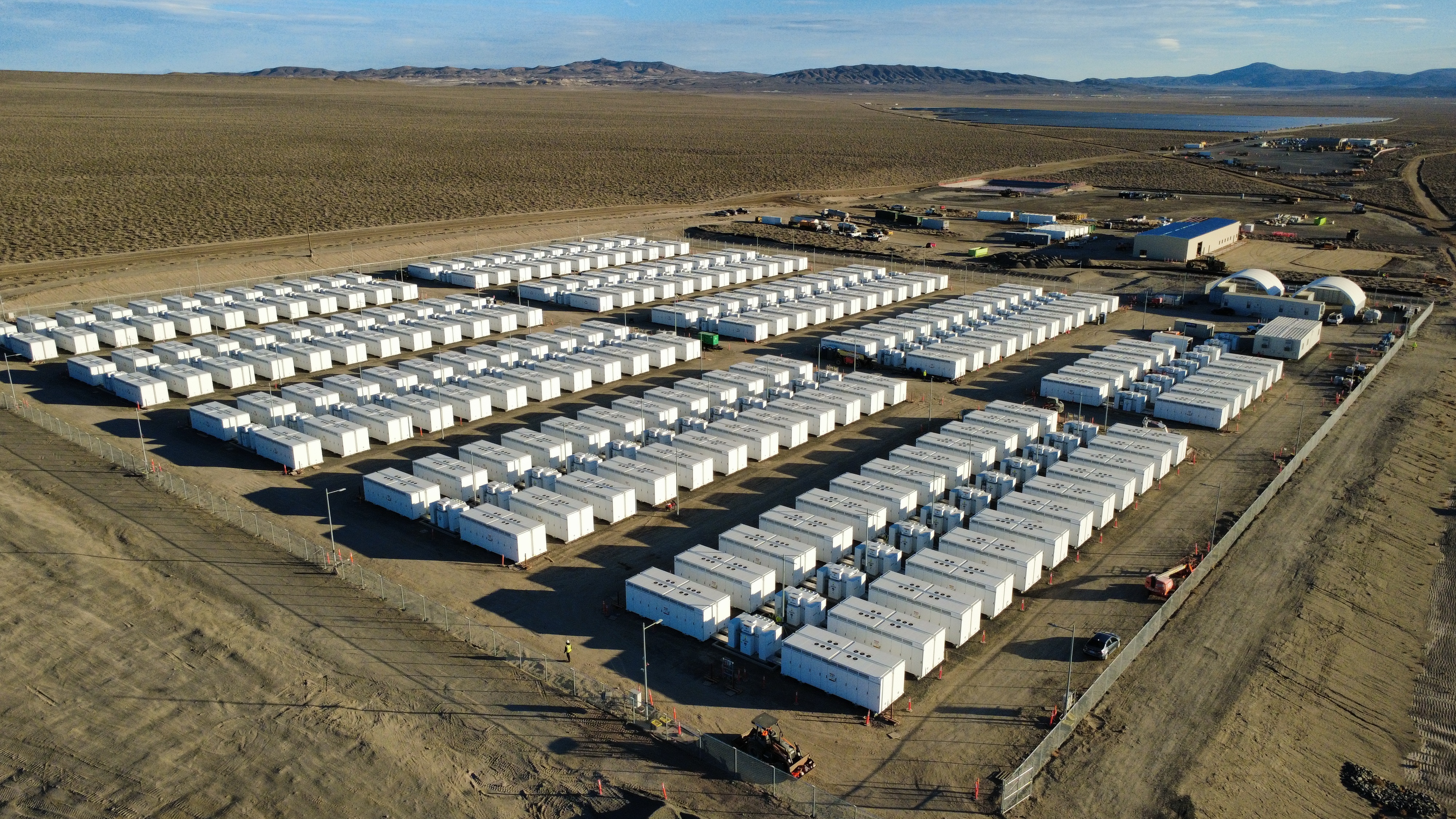
Sierra is in a three-way tie at 400 MW with Utah’s Green River Energy Center and California’s Kola Energy Center in the EIA-derived table. Their order below is editorial, not a meaningful difference in maximum instantaneous output. Storage duration and performance during peak hours are important measures that MW alone cannot settle.
6. Green River Energy Center, Utah — 400 MW / 1,600 MWh
rPlus Energies’ Green River Energy Center entered commercial operation in June 2026 in Emery County. It combines 400 MW of solar generation and a separate 400 MW / 1,600 MWh battery system. The battery can theoretically sustain its rated discharge for four hours from a full usable charge, although real output is subject to dispatch and operating conditions.
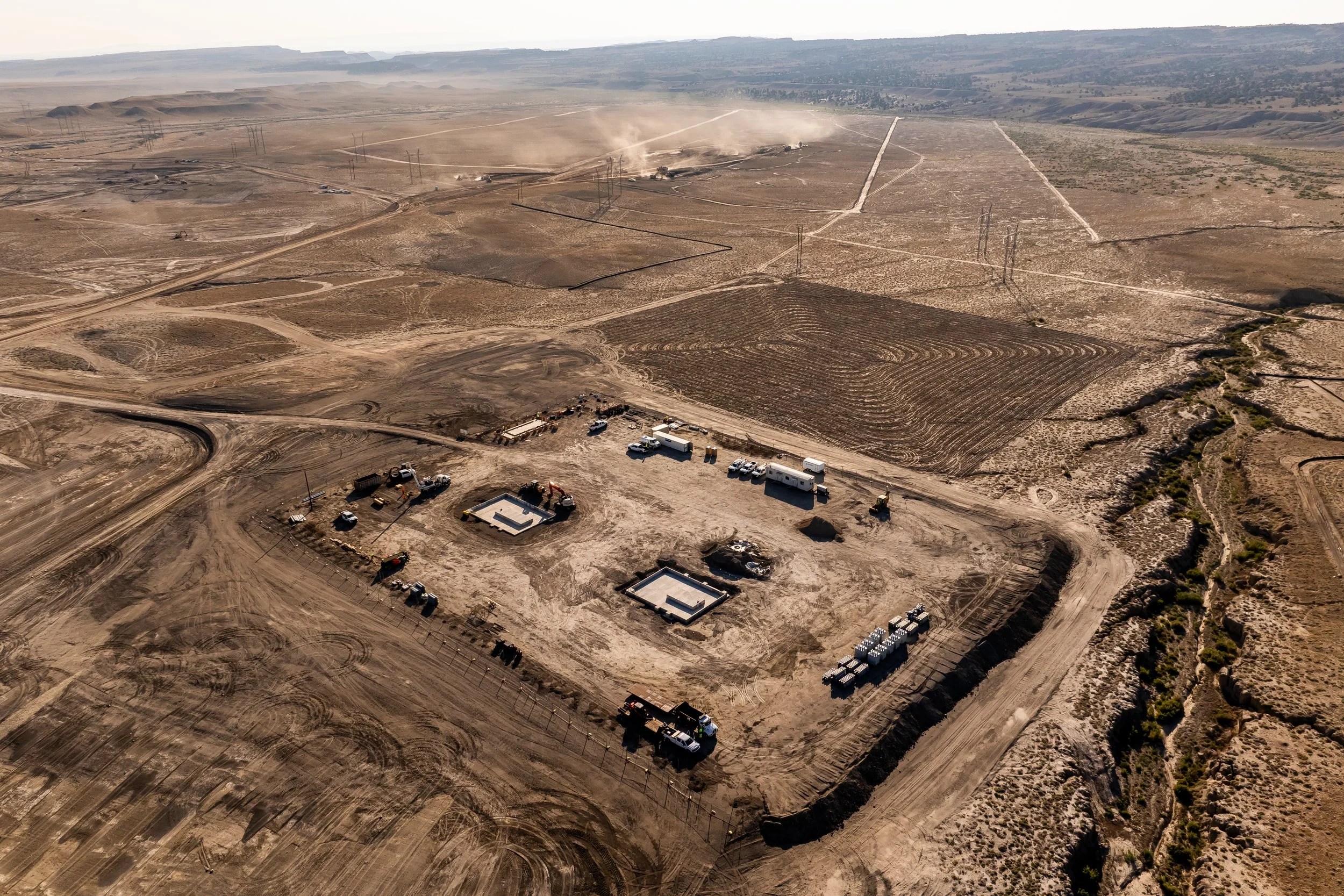
The roughly $1.1 billion project contains nearly one million photovoltaic modules and hundreds of battery enclosures, supporting PacifiCorp’s broader Western grid. rPlus confirmed commercial operation on June 23. The frequently cited 800-MW combined solar-and-storage figure must not be used as the battery’s 400-MW rating.
5. SAHARA BESS / Project SOHO, Texas — 408.7 MW
A two-unit battery plant in Brazoria County, identified in federal records as SAHARA BESS (SOHO BESS), carries 408.7 MW of operating nameplate capacity. Both units are listed as entering service in July 2026. The project is commercially described as a roughly 400-MW, 800-MWh system, with financing backed by Deutsche Bank. The difference between the rounded project description and the EIA figure explains why this ranking uses 408.7 MW.
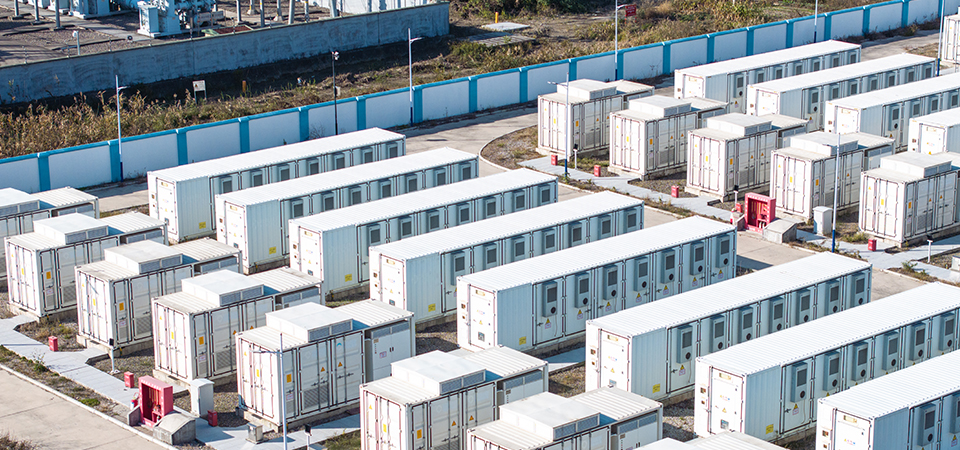
Unlike a solar-paired plant, SOHO is a standalone grid battery intended to respond to wholesale electricity prices, system demand and grid-service needs in ERCOT. A storage facility of this size can supply power quickly, but it must first charge from available electricity. The grid’s need for flexible resources is particularly relevant to the region’s expanding electricity demand.
4. FPL Manatee Energy Storage Center, Florida — 409 MW / 900 MWh
Florida Power & Light’s Manatee Energy Storage Center in Parrish entered service in December 2021 and remains one of the nation’s largest grid batteries by power capacity. Its 409 MW / 900 MWh system is paired with an existing solar facility, allowing some daytime solar production to be stored and released when the grid needs it. At its nameplate power, 900 MWh corresponds to a little more than two hours of idealized full-rate discharge, before practical limits.
10 Tampa Bay reports on the unveiling of FPL’s Manatee Energy Storage Center in December 2021.
The utility says the installation can support hundreds of thousands of households for a limited period, but the homes-served claim is a scenario, not a constant output guarantee. Battery duration is also distinct from its ability to stabilize voltage or respond rapidly to system fluctuations. Manatee narrowly outranks SOHO only because the federal table reports the latter at 408.7 MW.
3. Bellefield Solar and Energy Storage Farm, California — 500 MW / 2,000 MWh
In Kern County, the operating first phase of AES’ Bellefield project contains 500 MW of solar generating equipment and 500 MW / 2,000 MWh of batteries. Federal data places the battery nameplate at 500 MW after the initial phase began operating in December 2025. That is a four-hour storage configuration at rated power.
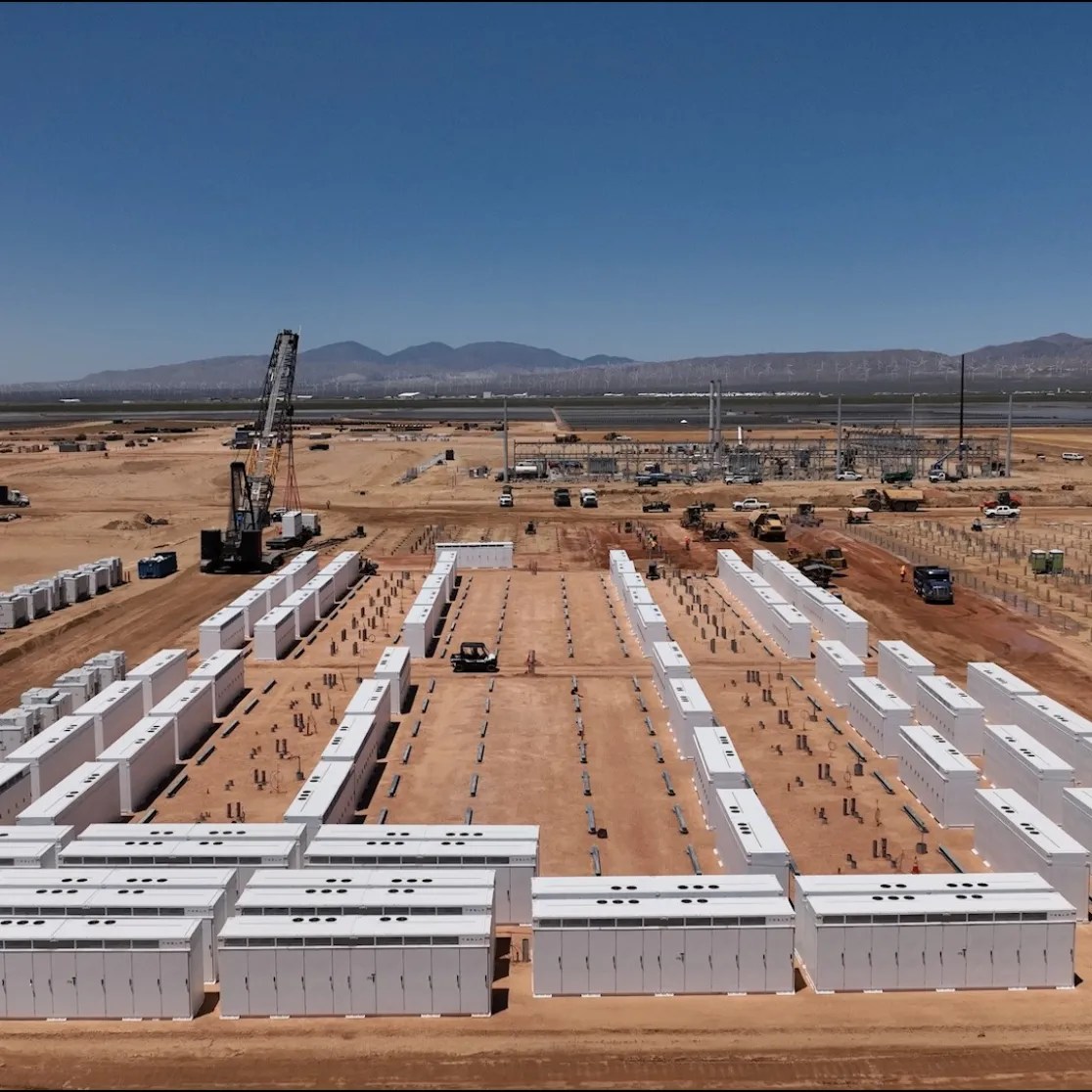
Developer Avantus and owner AES have described two planned phases, each with 500 MW of solar and 500 MW of batteries. As of this ranking’s data cutoff, the second Bellefield phase is still listed as under construction. Adding its prospective 500 MW to the first operating phase would inflate today’s operating total, even though the full development could eventually reach 1,000 MW of battery power.
2. McGrau Ford Battery Storage Facility, Georgia — 530 MW
Georgia Power’s McGrau Ford project in Cherokee County is listed with 530 MW of battery nameplate capacity in the EIA-derived 2026 operating inventory. The project uses two 265-MW phases with lithium iron phosphate technology and Tesla Megapack equipment, built by Burns & McDonnell. Contractor materials describe an aggregate 1,590 MWh of planned storage, reflecting phases with different durations.
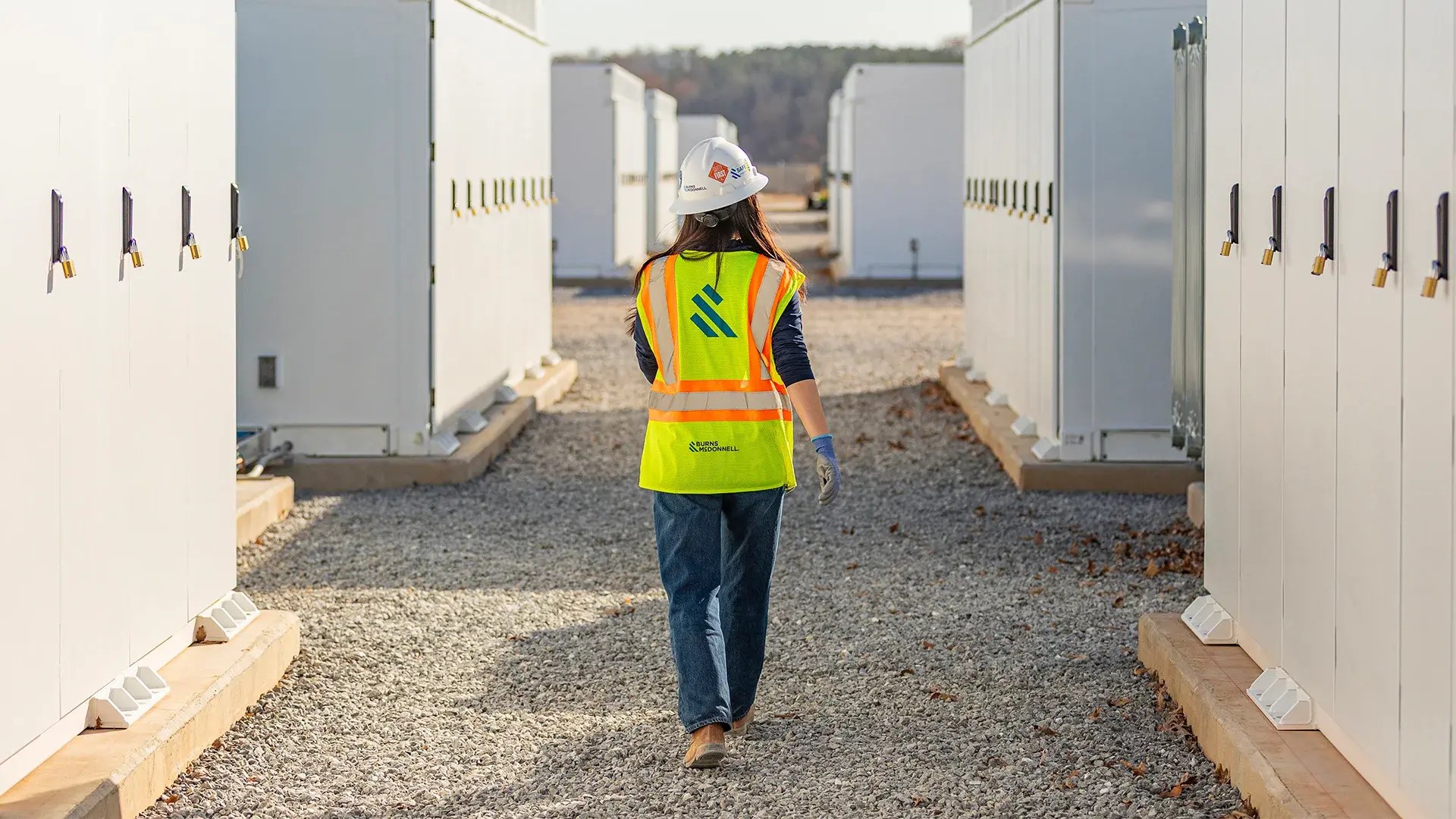
There is an important reporting qualification. Georgia Power’s earlier project schedules put the phases into service in September and October 2026, while its June 2026 regulatory schedule still described construction activity. The EIA-derived inventory now lists the full 530 MW as operating, but a publicly available, later utility commissioning release was not located. The plant is ranked on its recorded operating status, not on an independent real-time verification of full-power dispatch. This distinction matters as data-center load grows across Georgia.
1. Nova Power Bank, California — 680 MW / 2,720 MWh
The largest operating battery plant in the EIA-based list is Nova Power Bank in Menifee, California, at 680 MW / 2,720 MWh. The four-hour system was built on land formerly occupied by a gas-fired power station. By repurposing electrical infrastructure and upgrading substations, its developer avoided starting from an entirely untouched utility site.
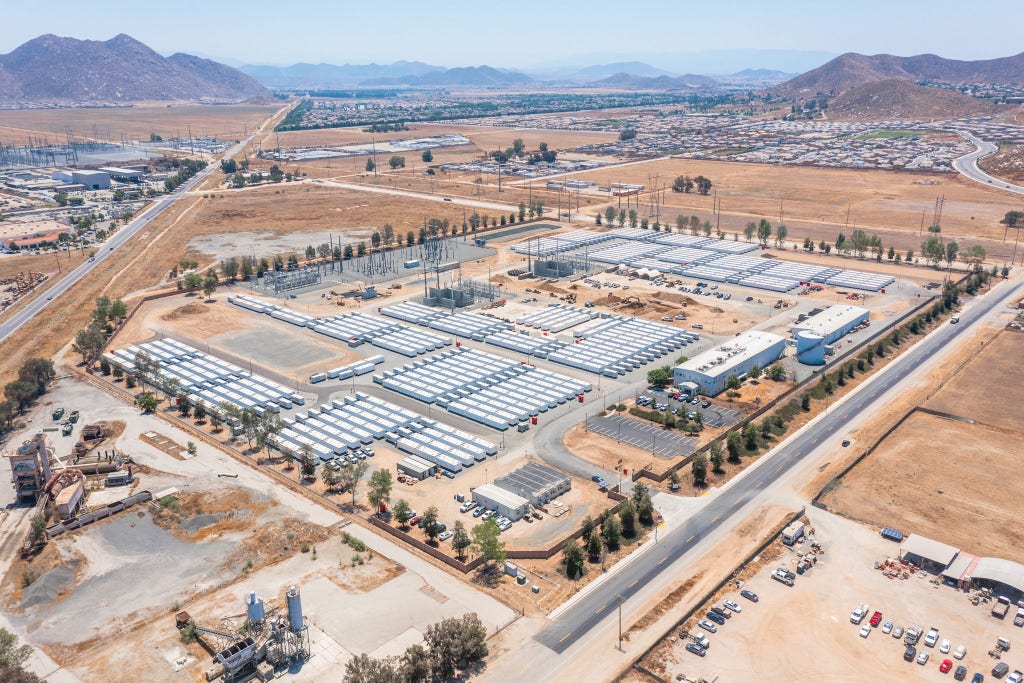
Construction contractor Mortenson says the first phases entered service in 2024 and the full project was completed in June 2025. About 1,200 battery enclosures are connected through three high-voltage substations. Nova’s record is not simply about size: it shows how existing power-plant land and interconnection assets can be converted to quickly dispatchable electricity storage.
Why Moss Landing Is Absent—and Why 400 MW Is a Tie
Some lists still show a 450-MW battery entry for the Moss Landing power-plant complex. That is misleading as a statement of power actually available in October 2026. Vistra’s June filing says the 300-MW battery destroyed in the January 2025 fire was written off, the 100-MW facility will not return to service, and restarting the separate 350-MW facility remained uncertain. The EPA’s September 2026 update describes ongoing demolition and disposal work. It would be inappropriate to treat those nominal ratings as a confirmed operating plant.
Among the remaining sites, Kola Energy Center in California also appears at 400 MW in EIA-derived tables, tying Sierra and Green River. The two sites profiled here therefore illustrate shared capacity positions rather than a clear sixth-versus-seventh performance advantage. This ranking also keeps related but separately registered solar or battery projects as distinct plants instead of adding an entire development campus together.
MW, MWh and the Economics of Grid Storage
MW measures the maximum instantaneous discharge rate; MWh measures the energy stored. A 400-MW battery with 1,600 MWh can theoretically deliver its full-rated output for four hours, while a 409-MW system with 900 MWh has a much shorter rated duration. Both may provide frequency response, reserves and peak-shifting services. They cannot create net electricity; charging consumes energy, and conversion losses reduce the amount returned.
The significance extends to solar, wind, power investment and large computing loads. Batteries can delay conventional generation at peak hours, but sustained multiday shortages require other resources. As facilities expand, utility filings must continue to distinguish commissioned capacity from proposals, operating restrictions and retired equipment.
BitcoinVersus.Tech
BitcoinVersus.Tech Editor’s Note: We volunteer daily to ensure the credibility of the information on this platform is Verifiably True. If you would like to support our work and help further secure the integrity of our research initiatives, please scan the QR code below to donate 5,000 sats. For best results, scan the QR code from a laptop or larger screen.
Bitcoin address: 3C9o19EH5HSiwEPyCTmEKzxhNCbo2X6TTb. Confirm the destination address before sending.

BitcoinVersus.tech is not a financial advisor. This media platform reports on financial subjects purely for informational purposes.


Leave a Reply