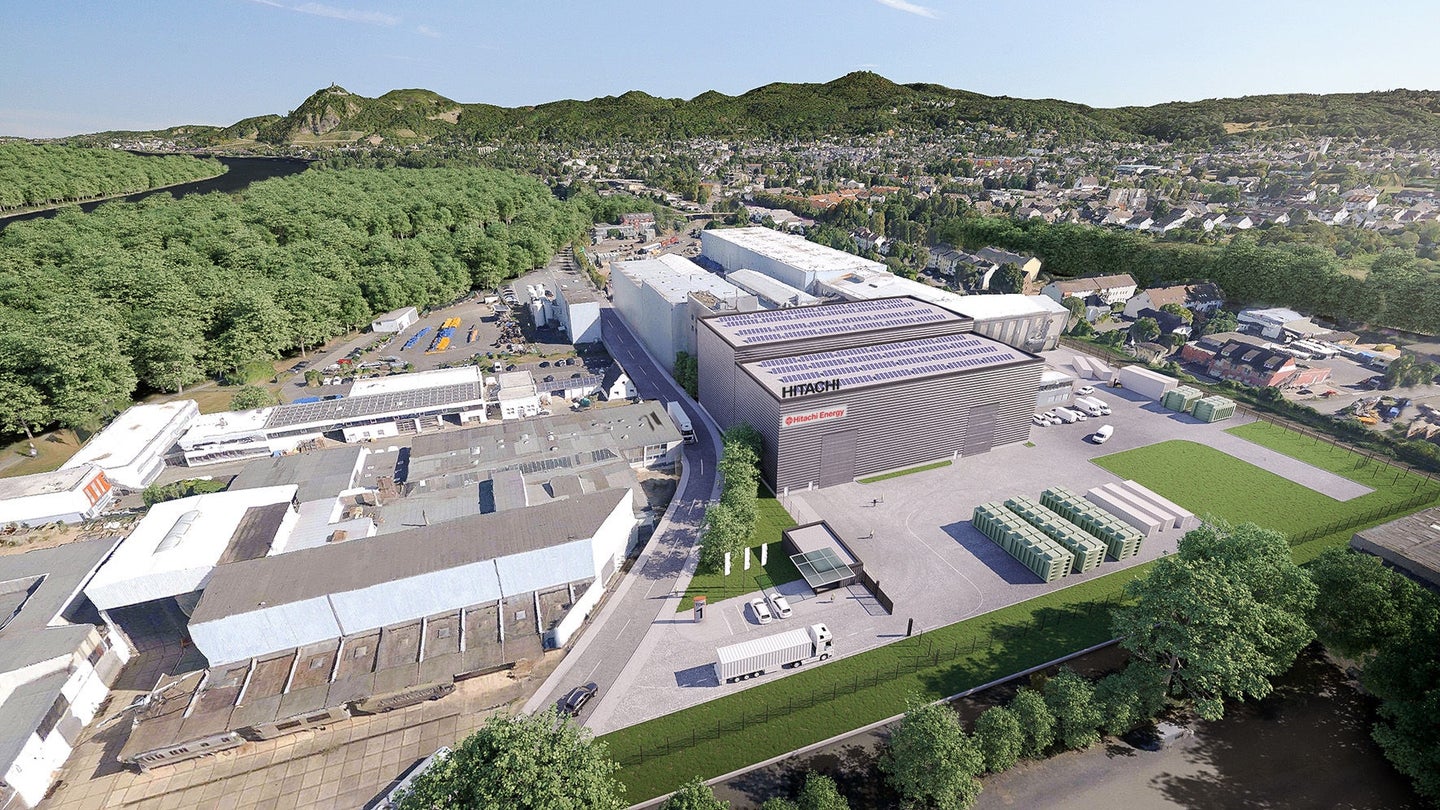
Hitachi Energy inaugurated its expanded power-transformer factory in Bad Honnef, Germany, on November 12, 2026, completing a manufacturing upgrade intended to relieve pressure on Europe’s electricity infrastructure supply chain. The plant now encompasses 15,000 square meters of production space, according to the company’s official announcement. A new production hall, machinery upgrades and modernization of older buildings support higher output, although Hitachi did not disclose an exact annual transformer-unit or megavolt-ampere production figure.
The site began manufacturing transformers in 1906. Hitachi initially announced an investment of more than €30 million in February 2024; chief executive Andreas Schierenbeck says the company’s financial commitment has since more than doubled. Therefore, the commitment is above €60 million by simple arithmetic, but the company did not publish a precise updated budget. German broadcaster WDR independently reported that almost 100 employees had already been hired and trained for the expansion.
Hitachi Energy’s official February 2024 video announcing the Bad Honnef expansion, with its original €30 million-plus budget and 2026 target. Credit: Hitachi Energy/YouTube. The film predates the November 2026 inauguration.
Why transformer factories are becoming critical infrastructure
Transformers change alternating-current voltage through electromagnetic induction. Stepping voltage up helps transmit power over long distances at lower current, reducing resistive losses in conductors. Stepping voltage down makes transmission-grid power suitable for distribution networks and industrial facilities. The BitcoinVersus.Tech substation explainer examines how transformers operate alongside switching and protection equipment.
Large transformers require specialized winding, insulation, tank manufacturing, drying, oil processing and high-voltage testing. Unlike commodity electronic components, they are often engineered for particular voltage ratios, grid conditions, environmental requirements and transport constraints. Increasing factory space can improve throughput, but it does not automatically shorten delivery times without sufficient skilled staff, core steel, copper, testing capacity and supplier coordination.
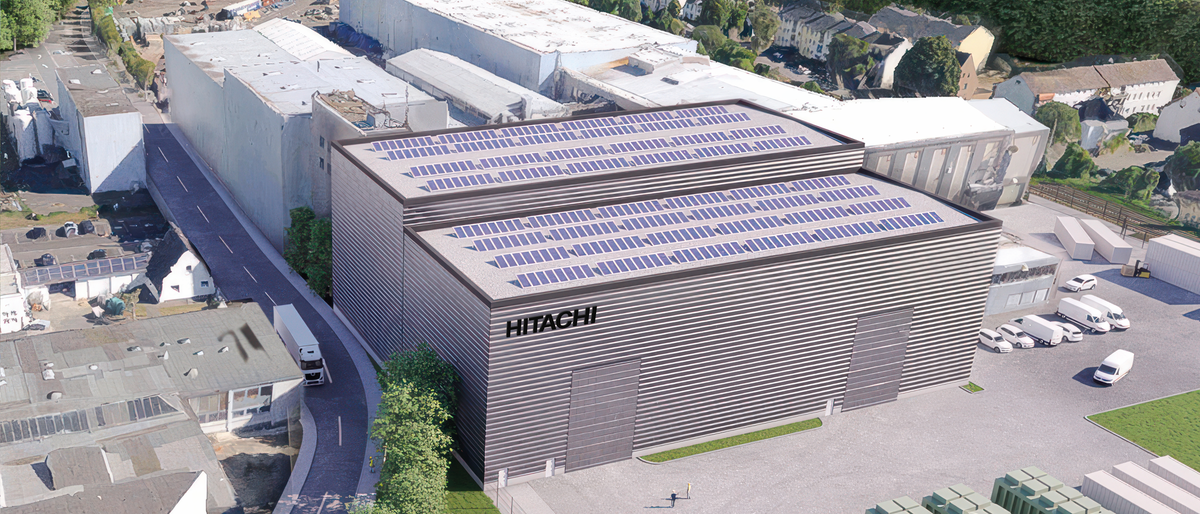
The 15,000-square-meter figure is factory area, not power capacity
Hitachi describes 15,000 m² as the expanded site’s production floor area, not additional megawatts of electrical generation or total transformer capacity. WDR’s on-location report characterizes the project as substantially boosting production, but neither account provides a verified post-expansion annual MVA figure. Conflating factory floor area with grid capacity would overstate the practical result.
The plant’s equipment is relevant to renewable-energy connections, utility substations, industrial electrification and data centers. Oregon’s new 20 MW data-center tariff illustrates how a large prospective load can require new grid infrastructure well before servers are installed. Additional transformer production can ease one bottleneck, but network planning, permits and substation construction remain separate dependencies.
Hitachi Energy’s official March 2025 TrafoStar manufacturing video explains standardized power-transformer design, production processes and quality control. Credit: Hitachi Energy/YouTube. Technology background, not a November 2026 factory-tour recording.
A European expansion within a global investment program
Hitachi says it is investing more than $9 billion globally in manufacturing, workforce and technology, including transformer capacity. Its earlier $528 million Mississippi transformer-factory investment reflects the same demand pressure in the United States. Both sums are company-wide or project-specific investment commitments; neither should be interpreted as actual transformer production or completed grid connections.
A transformer also must meet mechanical and safety requirements, not just its electrical nameplate ratings. The Idaho National Laboratory’s 230 kV seismic test provides an example of specialized qualification. Meanwhile, Hitachi’s grid-to-rack simulation work with NVIDIA addresses digital design tools rather than physical transformer availability.
The most defensible conclusion is that a longstanding European transformer plant has completed a documented production-facility expansion. Whether the investment substantially shortens delivery queues will require disclosed output, lead-time and order-fulfillment data. The new halls and hiring are observable progress; the full effect on electricity-grid construction remains to be measured.
Sources and verification
Primary reporting: Hitachi Energy’s November 12, 2026 inauguration announcement; original February 2024 expansion announcement; WDR’s November 12 independent on-site reporting; Hitachi’s original factory-expansion video; and Hitachi’s TrafoStar manufacturing explanation. Reported spending, floor space and employment are attributed to their original sources.
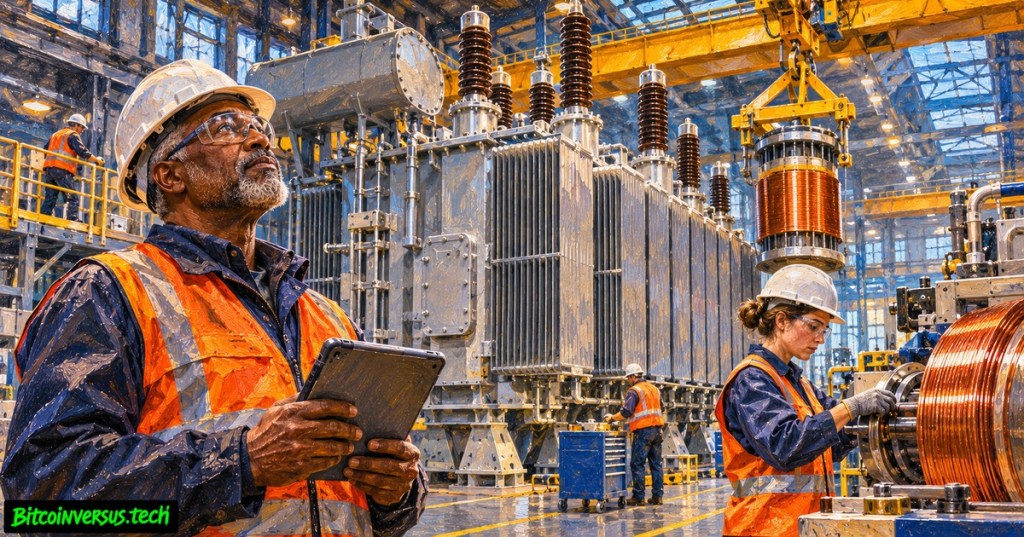
Editor’s Note: The 15,000 m² measurement describes post-expansion factory production area, not 15,000 m² of additional area or grid output. The initial investment exceeded €30 million, and Hitachi now says its commitment more than doubled without publishing an exact final total. The 1200 × 630 original oil-painted featured cover is conceptual and does not portray actual factory personnel. The main in-story photograph comes from Hitachi’s official November 2026 newsroom; the aerial artwork and videos predate the inauguration and are labeled accordingly. WordPress embed rendering cannot establish successful end-user playback without a browser test.
Support BitcoinVersus.Tech
Optional donations of 5,000 satoshis help fund independent engineering and energy coverage. Scan the original BitcoinVersus.Tech QR code using a compatible Bitcoin wallet on a second device. On a phone, save the image and use a wallet supporting QR scanning from stored photos. Confirm the address and amount before approving a transaction.

BitcoinVersus.Tech is volunteer-run and publishes independently researched technical journalism. Contributions are voluntary and may be irreversible. Verify Bitcoin recipient 3C9o19EH5HSiwEPyCTmEKzxhNCbo2X6TTb and 5,000 satoshis before sending. The article is informational reporting, not a transformer design approval, equipment certification or investment recommendation.


Leave a Reply