A future electrical grid dominated by wind and solar could have more usable energy than its customers and storage systems can absorb at certain times. Instead of treating every surplus as a loss, researchers from MIT and Georgia Tech propose designing industrial equipment around intermittent electricity. Their November 24 research announcement describes a potential opportunity for flexible computation, manufacturing and other power-intensive operations.
The study, Dynamics of excess renewable energy and implications for its potential use, published in Joule, models future electricity systems rather than measuring a new operating power plant. In cost-optimized scenarios supplying 80% of electricity demand from renewable sources, MIT reports that potential surplus generation could reach roughly 10% beyond electricity the system can immediately consume or store.
Why surplus power occurs
Grid operators must maintain balance between generation and consumption. Solar production may peak when residential heating and cooling requirements are modest. Wind output can also exceed available demand or transmission capacity. Operators may reduce generator output, a practice called curtailment, when other resources cannot absorb or export the electricity.
The study incorporated four decades of weather information and varied wind, solar and storage costs. Across many modeled configurations, surpluses clustered around daylight hours and the spring and autumn seasons. Several consecutive hours of excess were common; the researchers identify operating periods of seven to 12 hours as a useful target for flexible batch processes. Occasional longer events were also possible.
What the opportunity means in megawatt-hours
Consider a hypothetical flexible computing facility with a 10 MW electrical demand at its utility meter. Running at full load for seven hours requires 70 MWh; running for 12 hours requires 120 MWh. Both quantities describe consumed electrical energy rather than processing throughput. If the same facility ran continuously, it would consume 240 MWh daily. A single surplus-only shift would therefore use about 29% to 50% of that daily energy budget. Those are illustrative calculations, not measured utilization rates or forecasts from the paper.
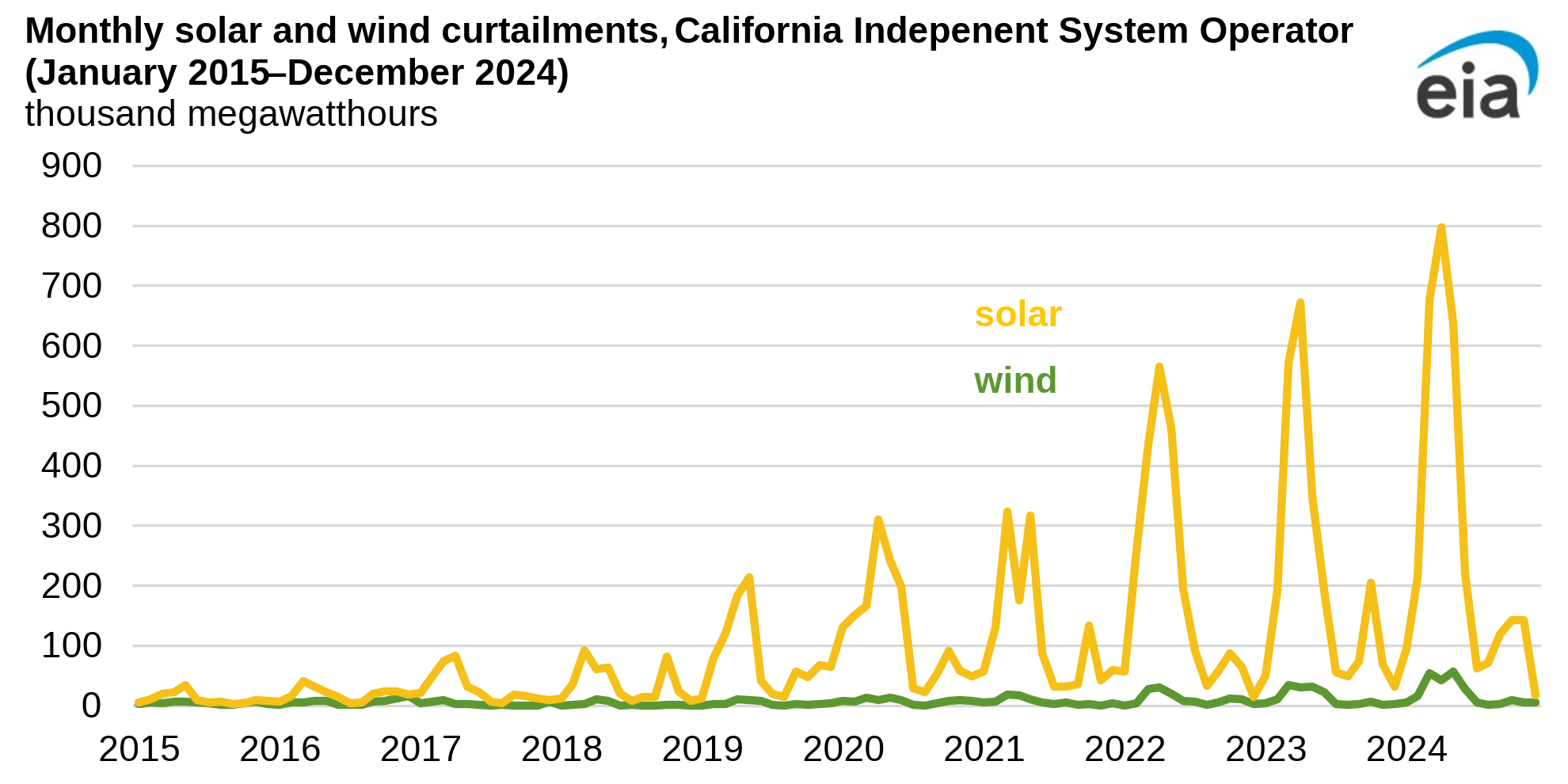
California offers a real-world reference: the U.S. Energy Information Administration reported 3.4 million MWh of wind and solar curtailment in CAISO during 2024. That historical figure cannot establish how much surplus any particular facility could purchase or physically access.
Where computing fits
Bitcoin mining can generally interrupt hashing without losing a long-running scientific computation, although electrical and thermal cycling, uptime targets and equipment depreciation matter. AI training may instead require checkpointing, coordinated restart procedures and scheduling across networked accelerators. Latency-sensitive inference cannot necessarily wait for cheap power. Related reporting examined Bitcoin mining and grid stability, flexible AI data centers, stranded electricity and Soluna’s computing infrastructure.
Cheap energy is not automatically cheap computation
A curtailed generator and a flexible facility must share a usable electrical path. Grid connection costs, demand charges, power electronics, cooling, financing and hardware depreciation may outweigh lower energy prices. Storage and competing industrial customers can also absorb available surplus. The paper does not establish profitability for a mining site or guarantee a fixed daily operating window. The engineering opportunity is to design interruptible loads whose full lifecycle costs remain competitive while responding to actual grid conditions.
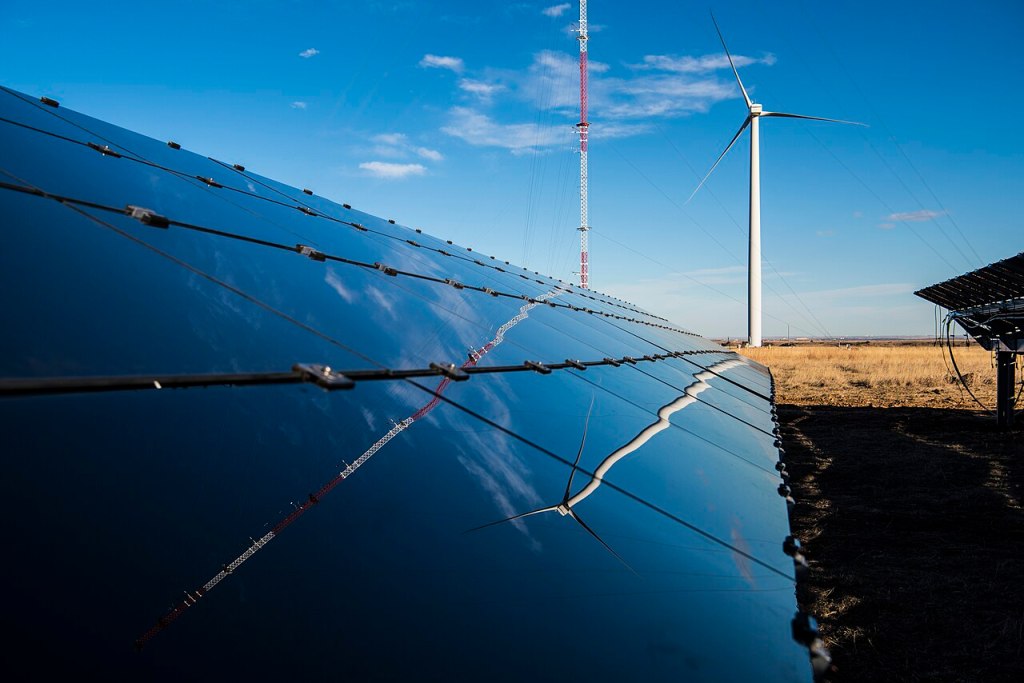
Cover photograph: Dennis Schroeder / NREL, via U.S. Department of Energy and Wikimedia Commons (public domain). The photograph depicts a renewable energy research site, not the MIT modeling project.
We volunteer daily to ensure the credibility of the information on this platform is Verifiably True. If you would like to support to help further secure the integrity of our research initiative, please scan the QR code below.



Leave a Reply