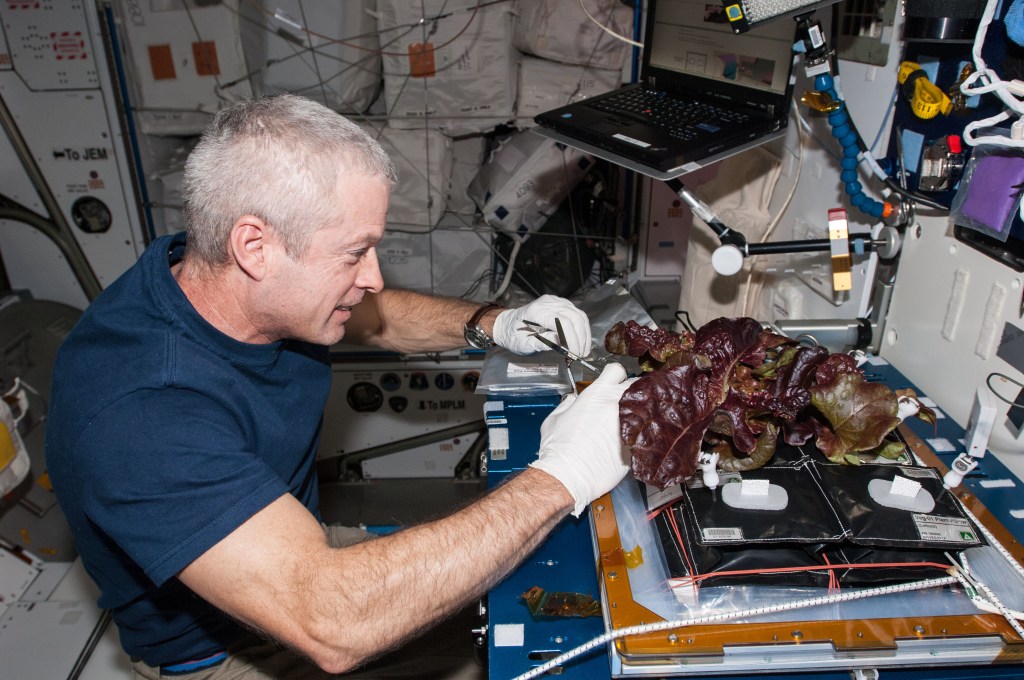
Growing food in orbit is no longer merely a question of whether a seed can germinate without conventional gravity. NASA is preparing to test whether a spacecraft can support a dependable agricultural system. On November 27, 2026, the agency announced that its Ohalo III prototype will travel to the International Space Station aboard Northrop Grumman’s 25th commercial resupply mission.
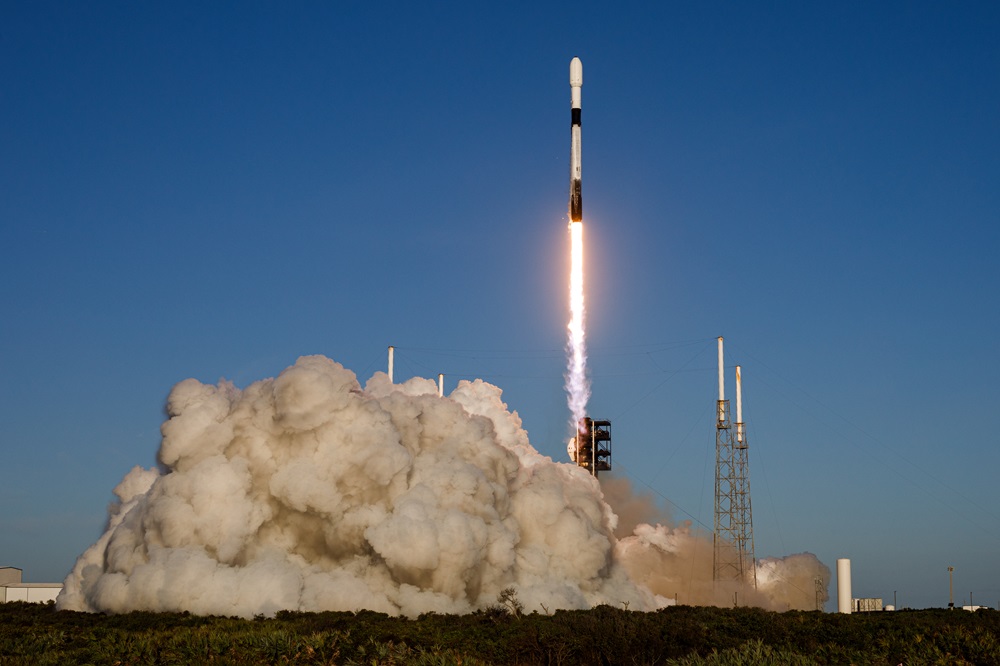
The Cygnus XL spacecraft is scheduled to launch no earlier than November 29 aboard a SpaceX Falcon 9. NASA’s mission advisory identifies approximately 11,000 pounds of total cargo, equivalent to about 4,990 kilograms. That figure covers the entire delivery, not the mass of Ohalo III alone.
Why watering plants becomes an engineering problem
On Earth, gravity helps separate air from liquid and directs excess irrigation water downward. Inside an orbiting spacecraft, surface tension and capillary forces become particularly important. Water may cling to surfaces or surround roots rather than drain away as expected. A root system must receive moisture and dissolved nutrients while retaining sufficient access to oxygen for respiration.
Ohalo III is intended to evaluate water distribution and improve the use of available growing space. NASA’s investigation profile describes a mixed-crop configuration containing lettuce, a compact tomato variety, basil and two types of mustard. Different crop geometries and growth cycles make efficient allocation of chamber volume a significant design challenge.
From research chamber to agricultural infrastructure
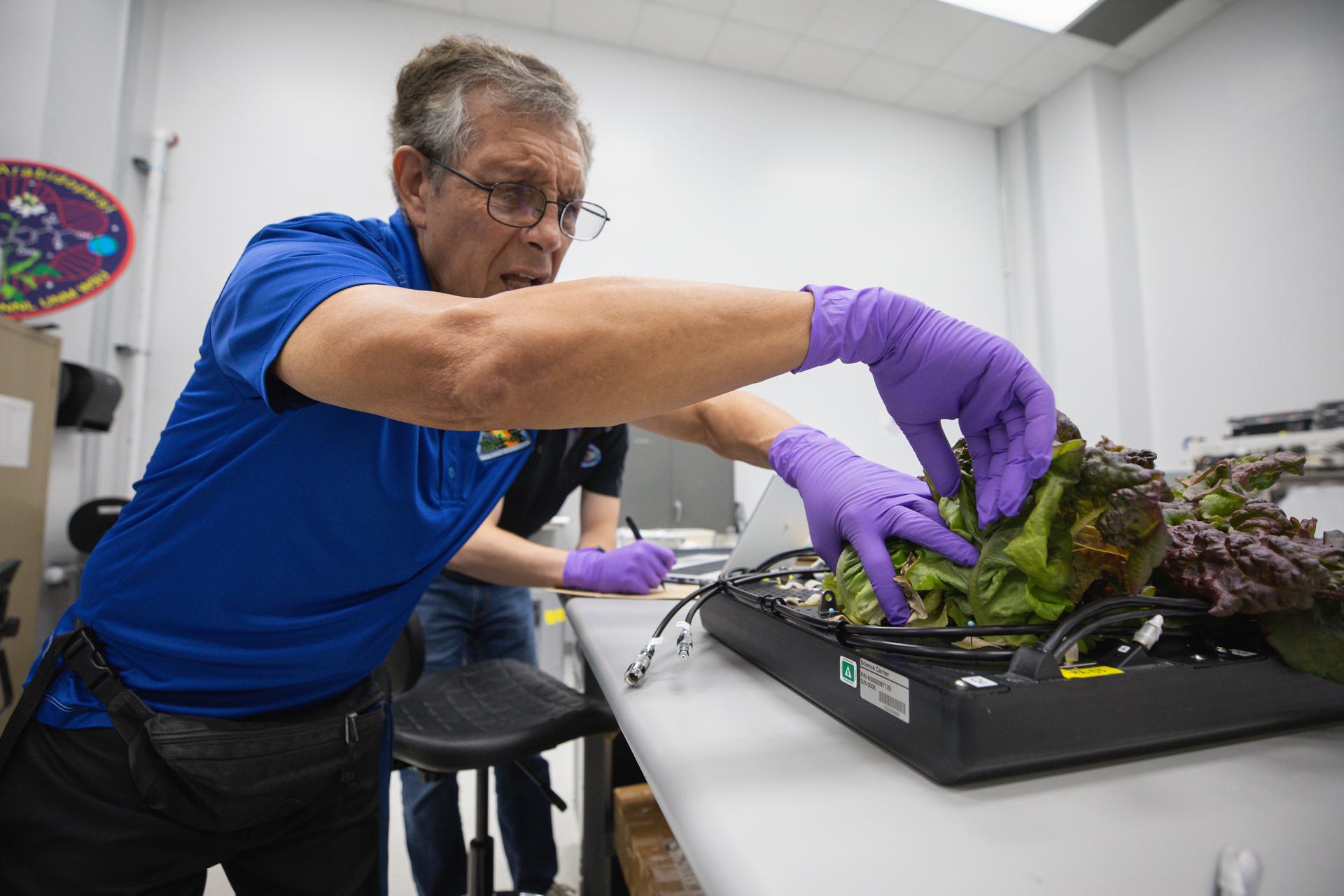
NASA has already grown edible plants aboard the station. Its 2026 crop research overview identifies the Veggie chamber and Advanced Plant Habitat as predecessors informing Ohalo III. The newer facility shifts attention toward the performance of a food-producing system rather than the biological response of a single experimental plant.
Useful engineering metrics include edible biomass per unit of growing volume, electrical energy per kilogram harvested, irrigation water consumed per kilogram of food and crew labor per harvest. Operators also need to measure crop failures and microbial safety. The most productive chamber is not necessarily the most valuable if it requires excessive energy, frequent maintenance or scarce astronaut time.
Related challenges appear in terrestrial agriculture, including NASA’s satellite-based monitoring of farm water use. Space agriculture adds strict constraints on launch mass, equipment volume and the reliability of environmental controls.
Preparing for missions beyond Earth orbit
The experiment complements NASA’s broader exploration infrastructure, including its lunar technology portfolio, commercial Moon delivery framework and lunar habitat exploration research. Producing supplemental fresh food could improve dietary variety during extended missions, although a complete food supply would demand substantially greater capability.
Ohalo III remains a technology demonstration. NASA has not reported orbital harvest yields or established how much of a crew’s diet the system could sustainably provide. Those measurements, together with the equipment’s reliability and resource consumption, will determine how far the prototype advances practical space agriculture.
Sources: NASA, November 27, 2026; Ohalo III investigation profile; NASA Technical Reports Server. Featured photograph: NASA, historical ISS Veggie lettuce harvest, via Wikimedia Commons.
We volunteer daily to ensure the credibility of the information on this platform is Verifiably True. If you would like to support to help further secure the integrity of our research initiative, please scan the QR code below.



Leave a Reply