Tech Docs
-
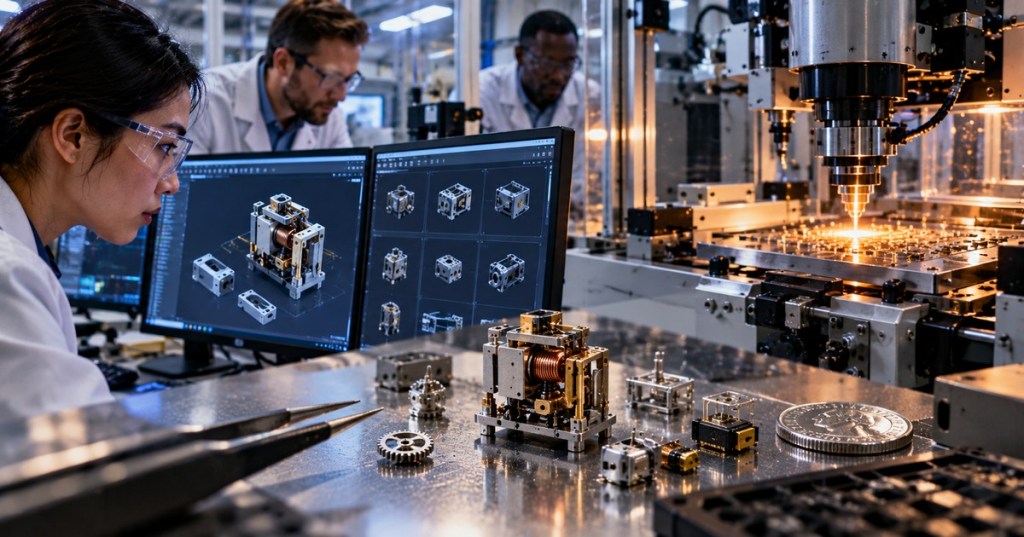
Atomic Machines has emerged from stealth with the Matter Compiler, an AI-native manufacturing system designed to turn digital instructions into working micro-machines. Its first product is PrimeSwitch, a 150-amp relay aimed at 800-volt AI data center power systems.
-
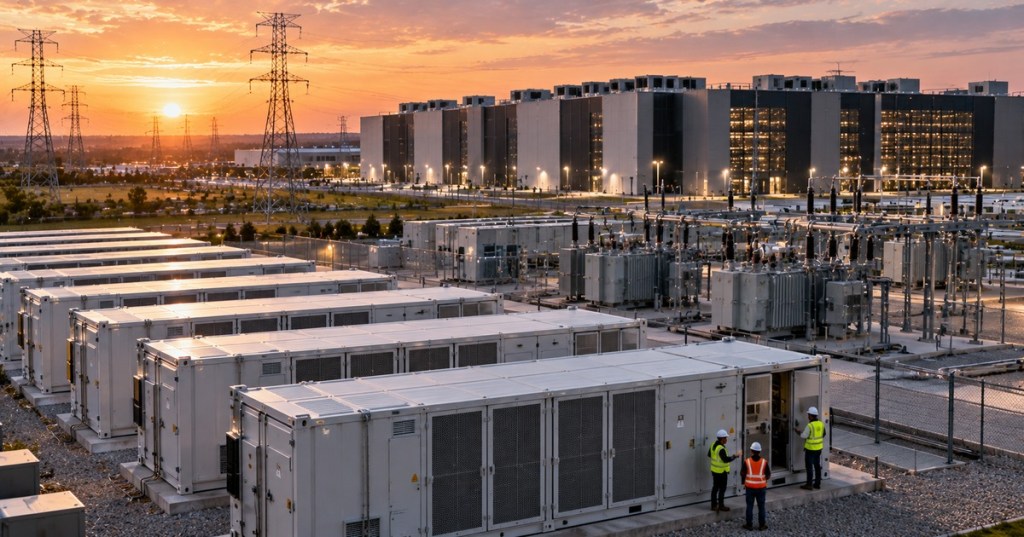
Wood Mackenzie says four-hour battery storage now undercuts open-cycle gas turbines in all 43 markets it modeled, as data-center demand pushes turbine costs and wait times higher.
-

NVIDIA’s Halos for Robotics brings safety architecture from autonomous vehicles into humanoid and industrial robots that increasingly work around people.
-
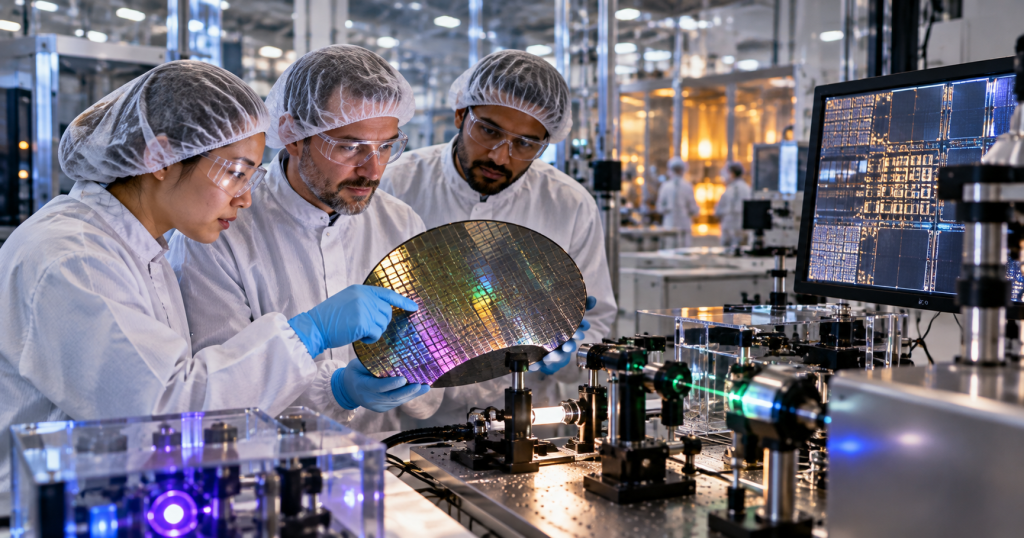
Xanadu and GlobalFoundries plan to manufacture silicon-nitride photonics and single-photon detectors on 300 mm wafers in New York. What the agreement really changes.
-

Linux Command #52 explains getfacl, Access Control Lists, ACL masks, default ACLs, recursive inspection, and how to troubleshoot permissions beyond chmod.
-
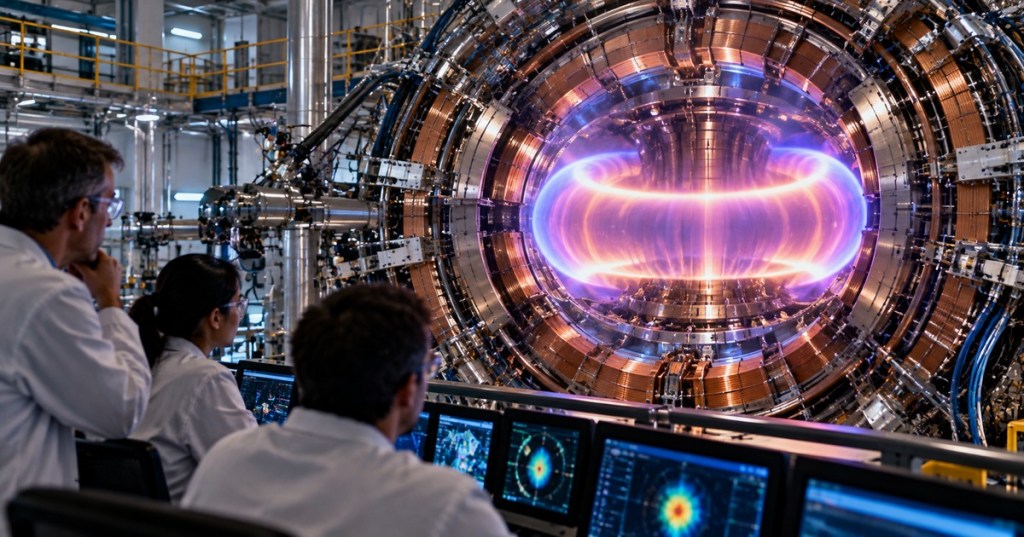
Princeton Plasma Physics Laboratory researchers say heating plasma before increasing its density could offer a less demanding theoretical route to fusion ignition, while real-world impurities and magnetic-field limits make the problem harder.
-

MARA moved 996 BTC to a Galaxy Digital-labeled wallet, but the transaction does not prove a sale. We calculate the miner’s treasury change and explain its debt strategy.
-
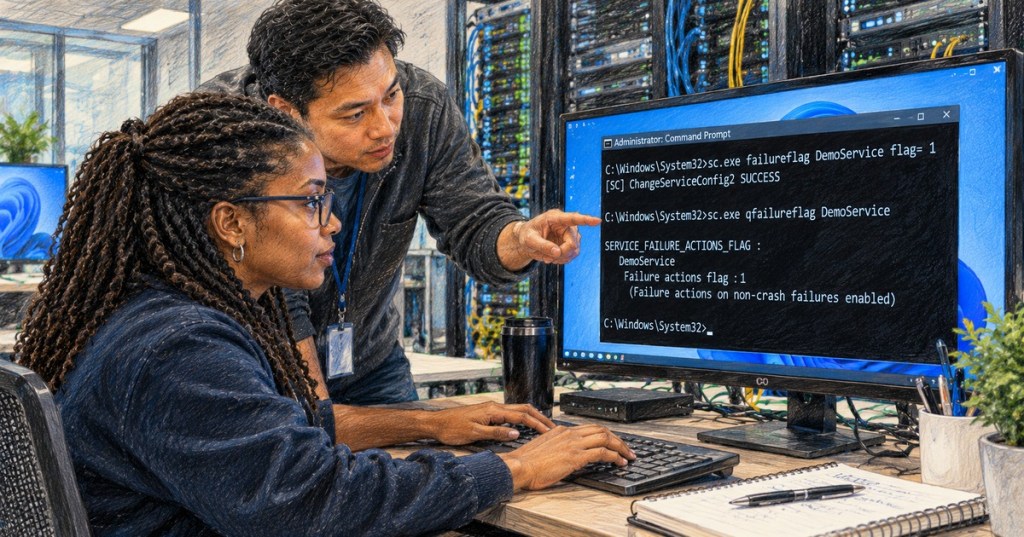
Windows Command #44 explains sc.exe failureflag and qfailureflag, when Windows service recovery actions run, safe verification, and why non-crash failures matter.
-

Human rejuvenation research has entered early clinical testing, but solving aging as a whole remains a much larger challenge. Here is where the science actually stands in 2026.
-

Government-linked wallets transferred roughly $1.5 billion in seized crypto over two days. Here is the wallet math—and why transfers do not prove sales.
-
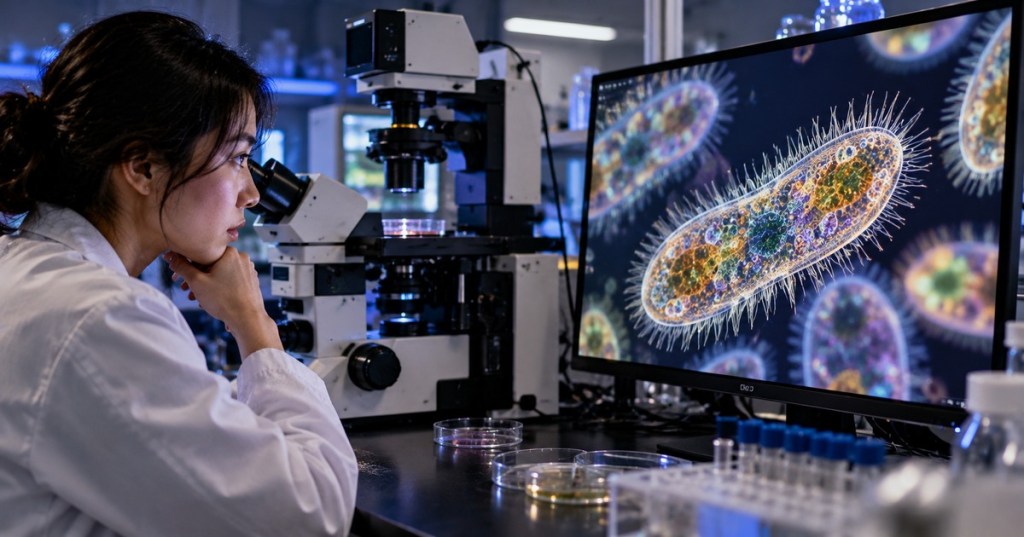
Nikon removed the 2026 Small World in Motion first-place winner after determining the microscopy video violated its generative-AI rules, elevating Nguyen Nam Nhat’s roundworm-and-Dileptus footage to first place.
-
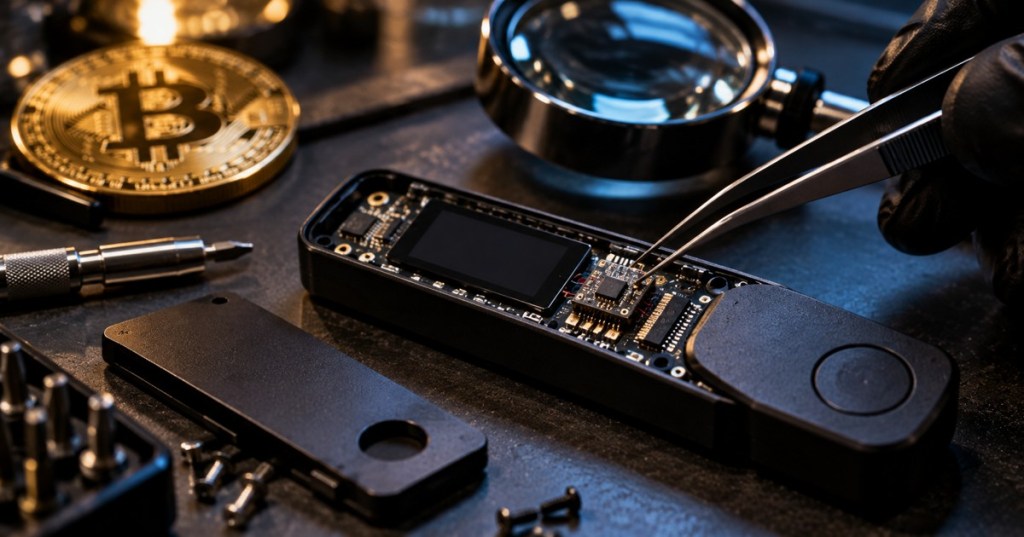
Ledger confirms an unauthorized implant in one wallet as independent researchers trace up to $92.9 million in suspected crypto losses tied to a reseller investigation.

