Tech Docs
-
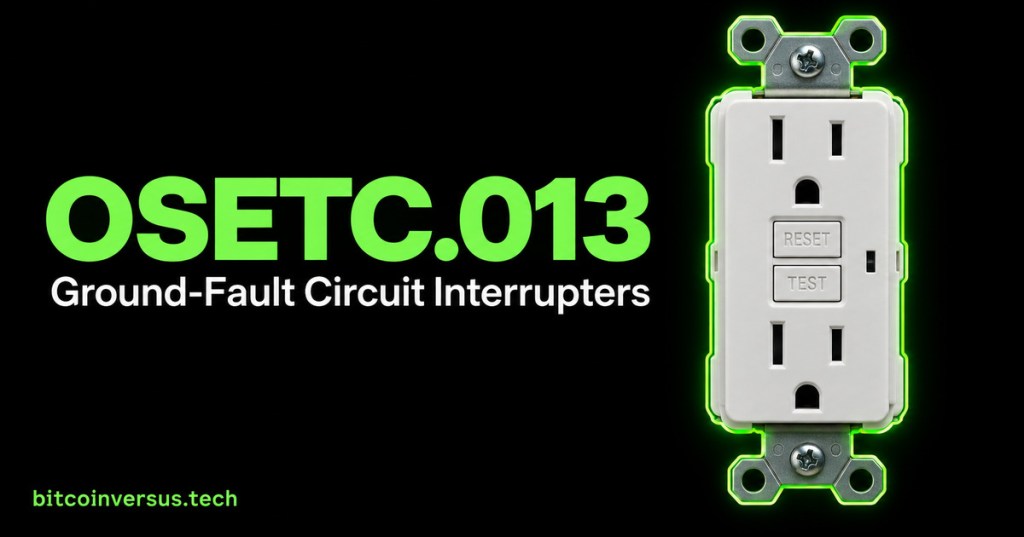
Learn how GFCIs detect current imbalance, where they appear, how TEST and RESET work, and what this essential shock-protection device cannot do.
-
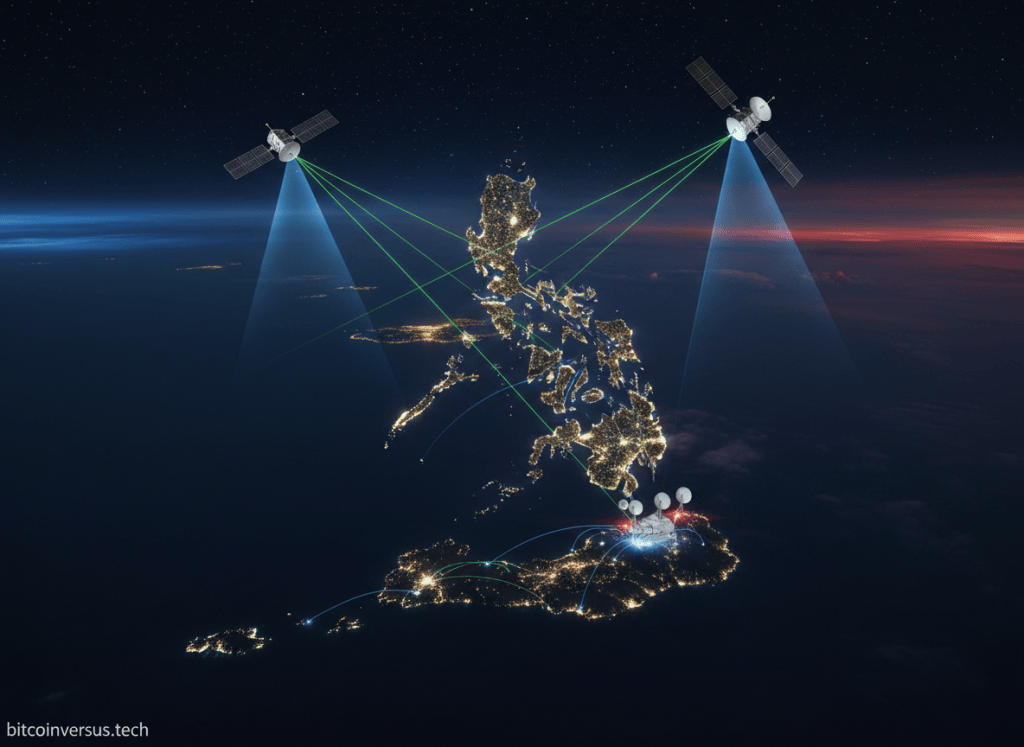
Space Network signs a binding Philippine Freeport satellite-connectivity pre-order worth about ₿599 ($50M), taking disclosed pre-orders to roughly ₿1,798 ($150M).
-
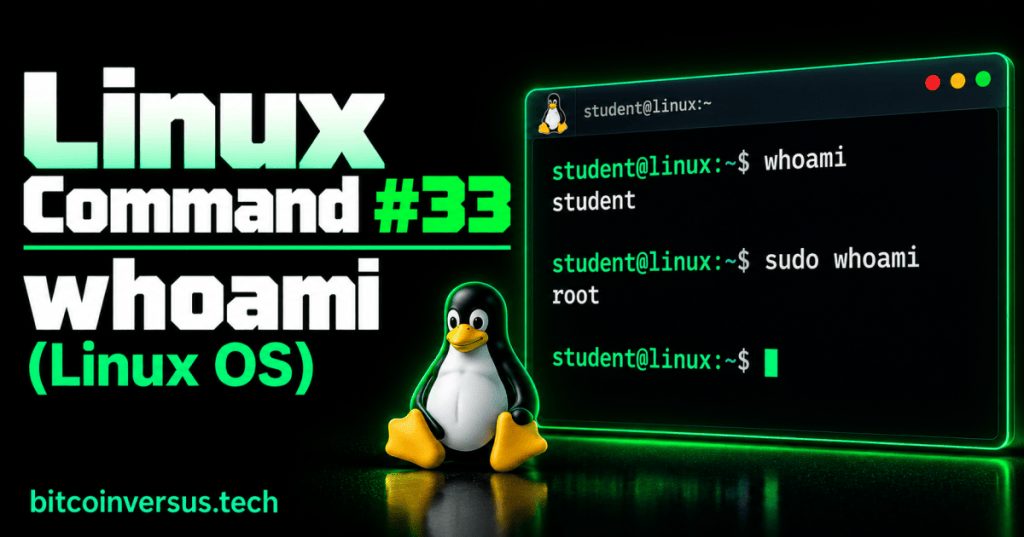
The Linux whoami command tells you which user account the current command is running as. It is one of the simplest Linux commands, but it is useful when troubleshooting permissions, working over SSH, using sudo, or checking which account a script is using. Basic Syntax If your current effective user is student, the command prints:…
-
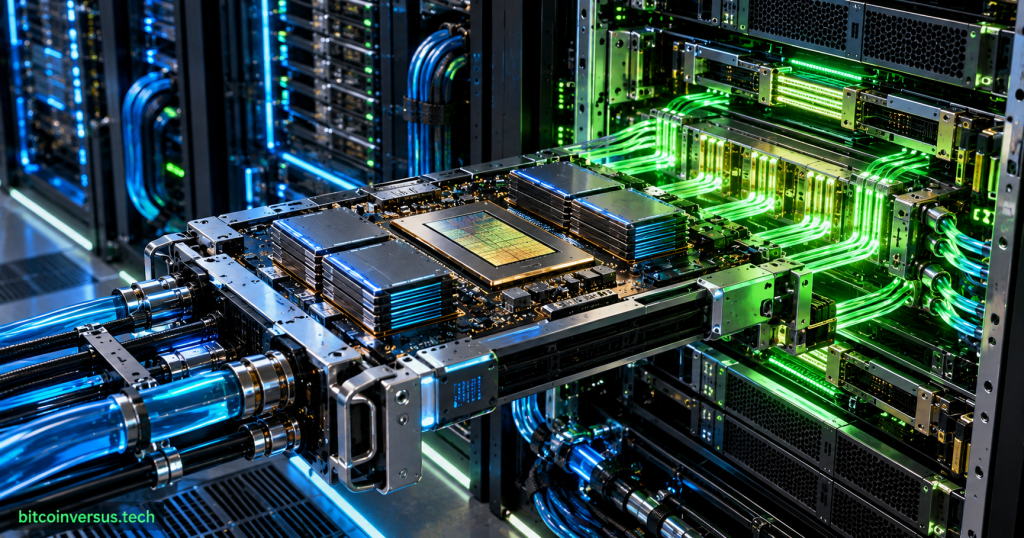
MediaTek is adopting NVIDIA NVLink Fusion to help custom AI accelerators move from chip design into NVIDIA-connected rack-scale AI factories.
-
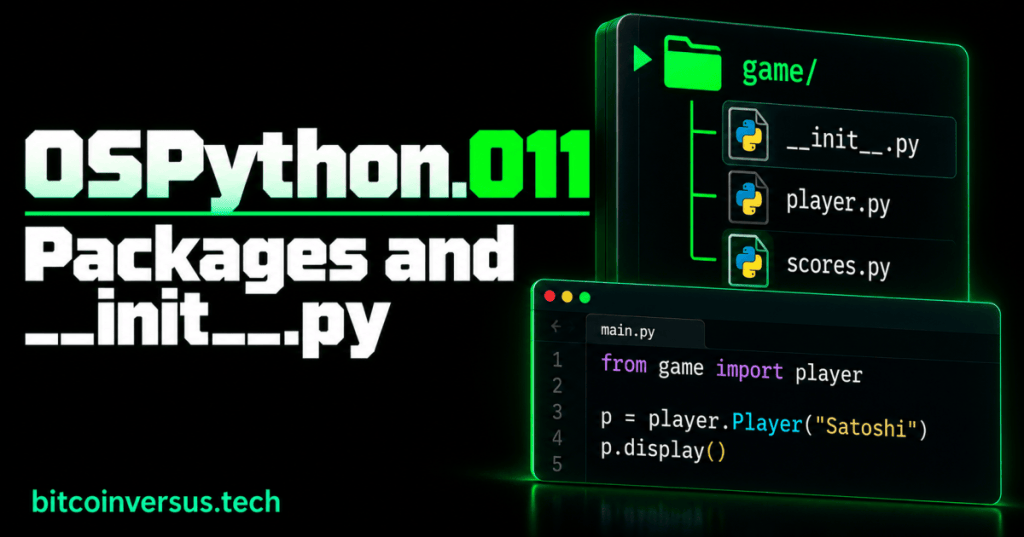
A Python package is a way to organize related modules together. Think of a package as a folder for Python code that belongs to the same part of a project. This lesson follows OSPython.008 on modules/imports, OSPython.009 on virtual environments, and OSPython.010: pip and Package Installation. Now we will build a tiny package of our…
-
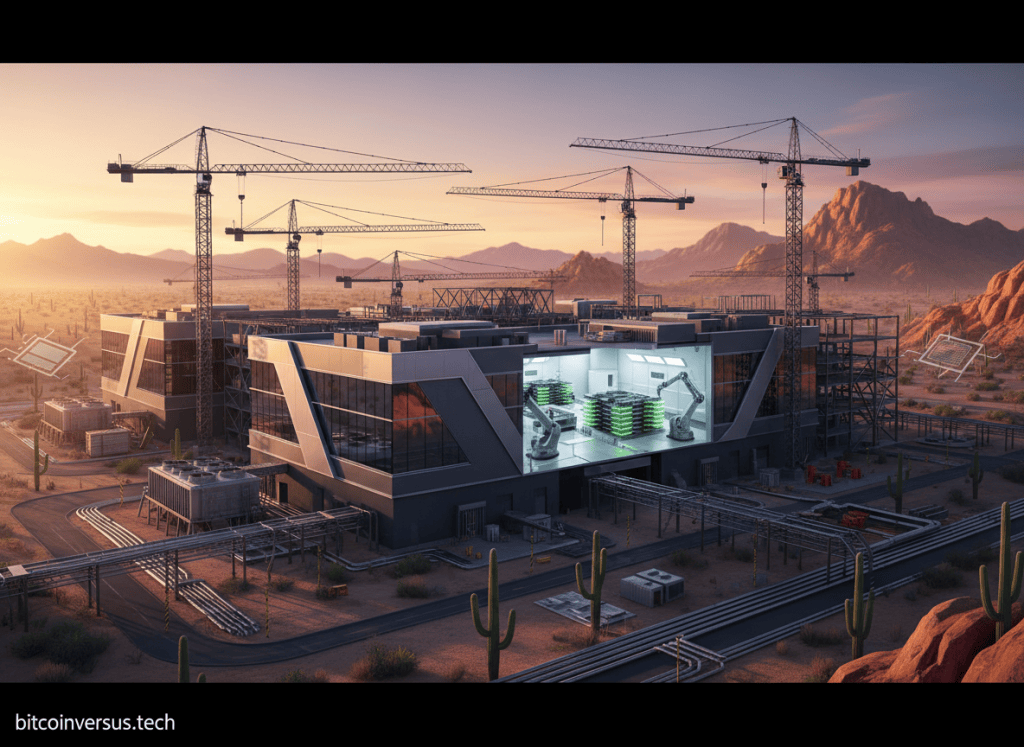
Amkor is expanding its Arizona advanced packaging and test campus to about ₿143,800 ($12B), adding 60,000 square meters of cleanroom capacity.
-
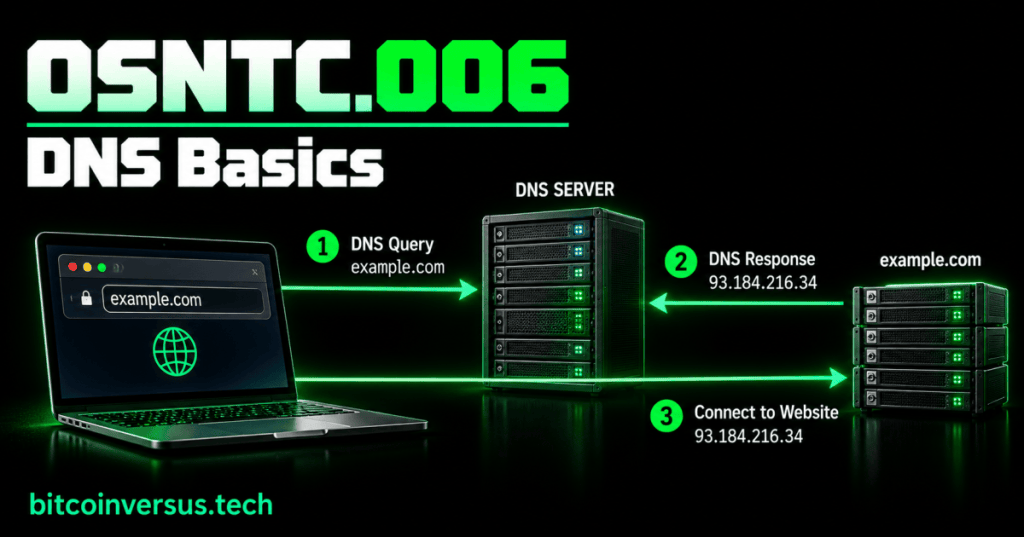
DNS stands for Domain Name System. Its basic job is to help devices turn easy-to-remember names such as example.com into IP addresses that computers can use to communicate. This lesson follows OSNTC.005: DHCP Basics. DHCP can give a device its network settings, including DNS-server addresses. DNS then helps that device find services by name. Names…
-
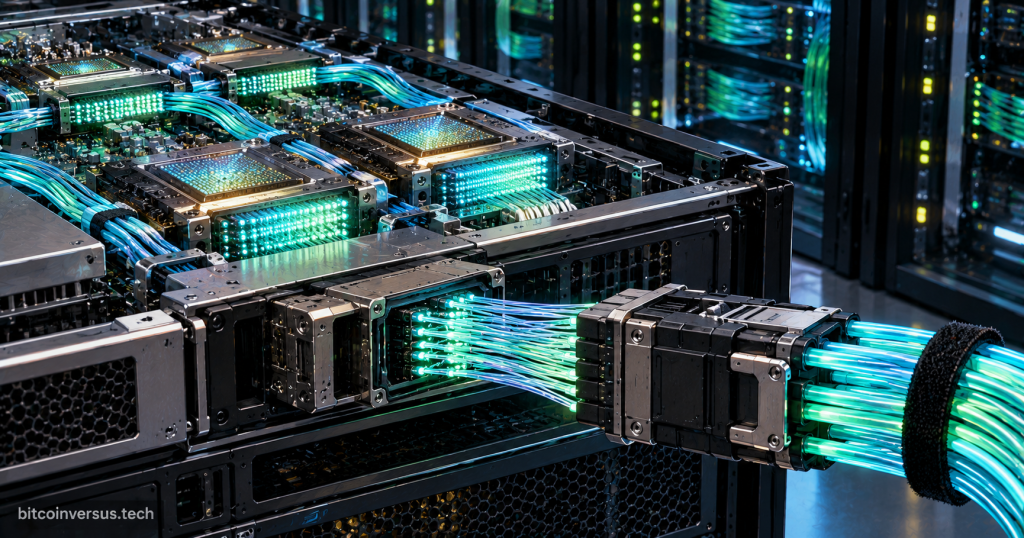
Avicena’s connectorized LightBundle demonstration brings detachable, serviceable microLED optical links closer to real AI system deployment.
-
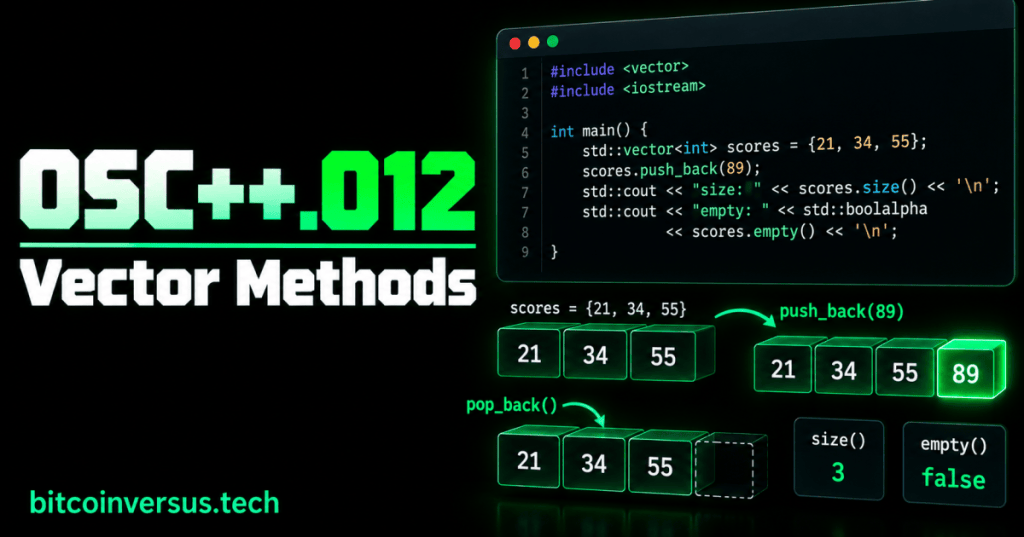
A C++ vector is a container that can hold multiple values. In OSC++.010, we introduced vectors. In OSC++.011, we looped through them. Now we will learn four simple vector methods that let us add, remove, count, and check items. Start With a Vector Our vector is named scores. It currently contains three numbers. push_back(): Add…
-
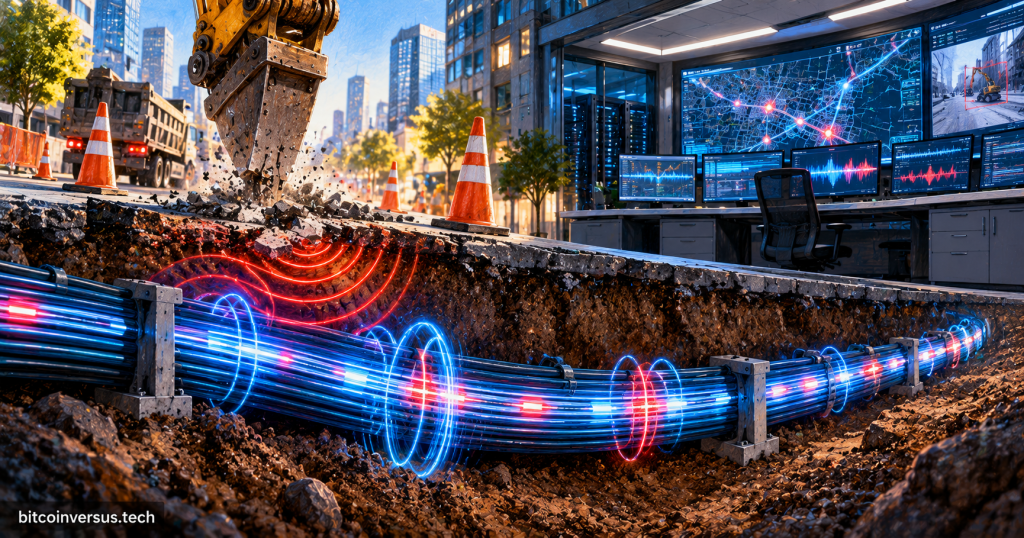
Comcast is using fiber itself as a real-time sensing layer to detect construction, damage, and other physical activity before it becomes a network outage.
-
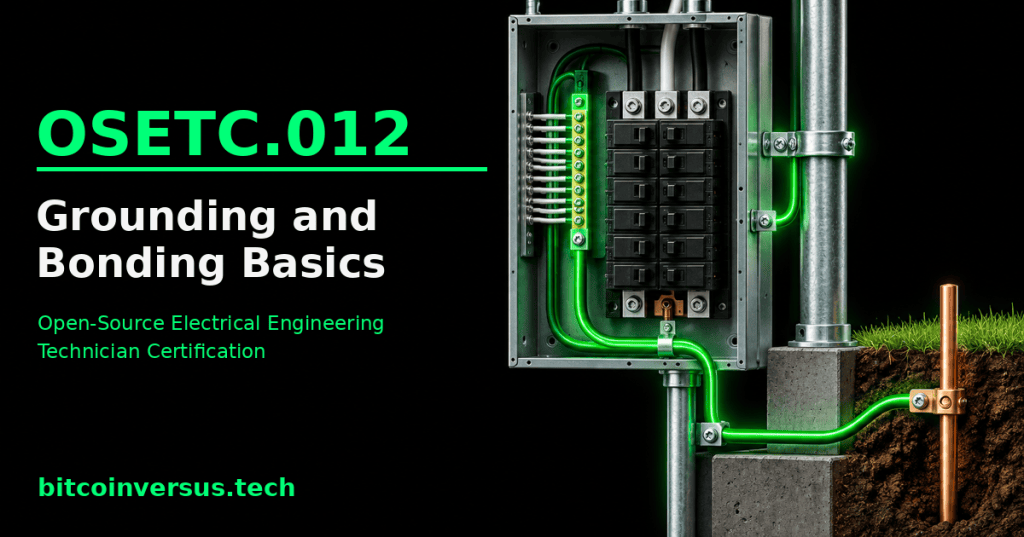
Grounding and bonding are related electrical-safety concepts, but they are not the same thing. Grounding connects an electrical system or equipment to earth or another grounding reference. Bonding electrically connects conductive parts so they remain at substantially the same potential and provide electrical continuity. This lesson follows OSETC.011: Lockout/Tagout and Energy Isolation. It is a…
-
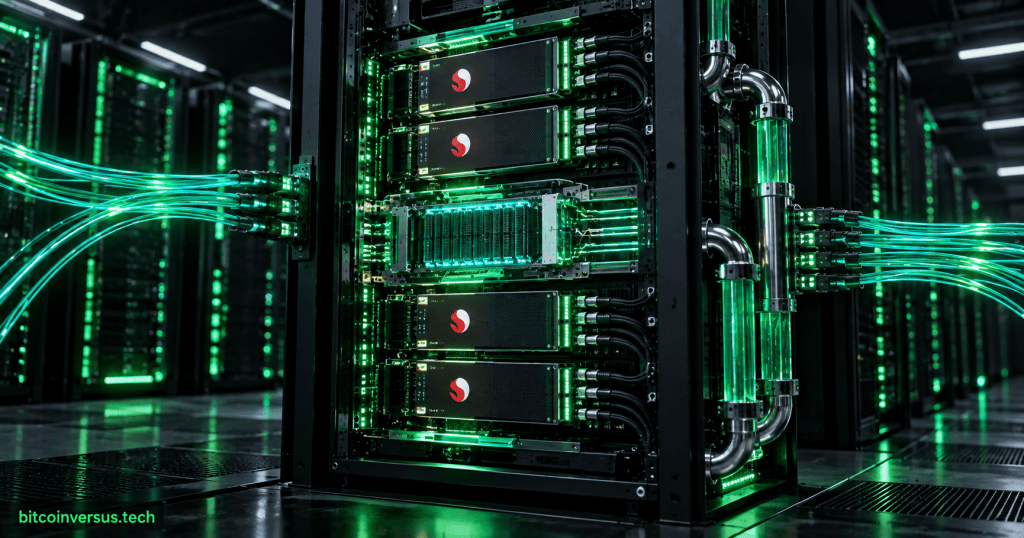
Qualcomm is pitching Dragonfly as a rack-scale agentic AI platform where memory efficiency and tokens per watt matter more than peak FLOPS alone.

