data centers
-
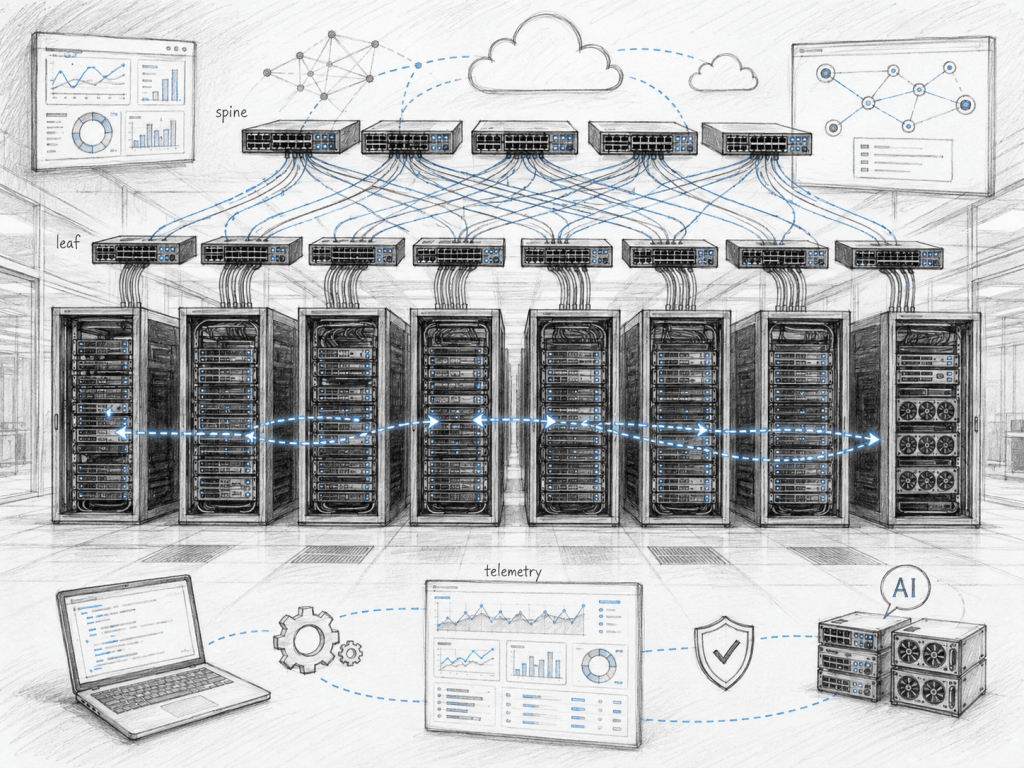
Cisco Nexus networking platforms help modern data centers build scalable spine-leaf architectures designed for cloud computing, AI infrastructure, storage, and high-volume east-west traffic. Technologies such as VXLAN and EVPN extend network segmentation and workload mobility beyond traditional VLAN limitations, allowing logical networks to operate independently from the underlying physical fabric. High-throughput switching silicon, low-latency forwarding,…
-
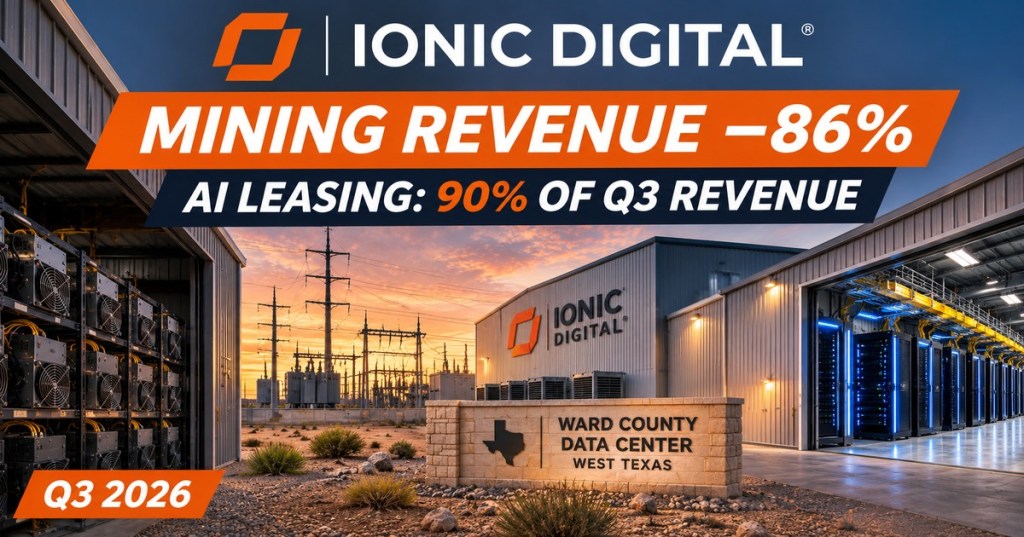
Ionic Digital’s Q3 2026 Bitcoin mining revenue fell 86.3% as infrastructure leasing reached 89.6% of sales. Cash rent and 466 MW provisional capacity remain key caveats.
-
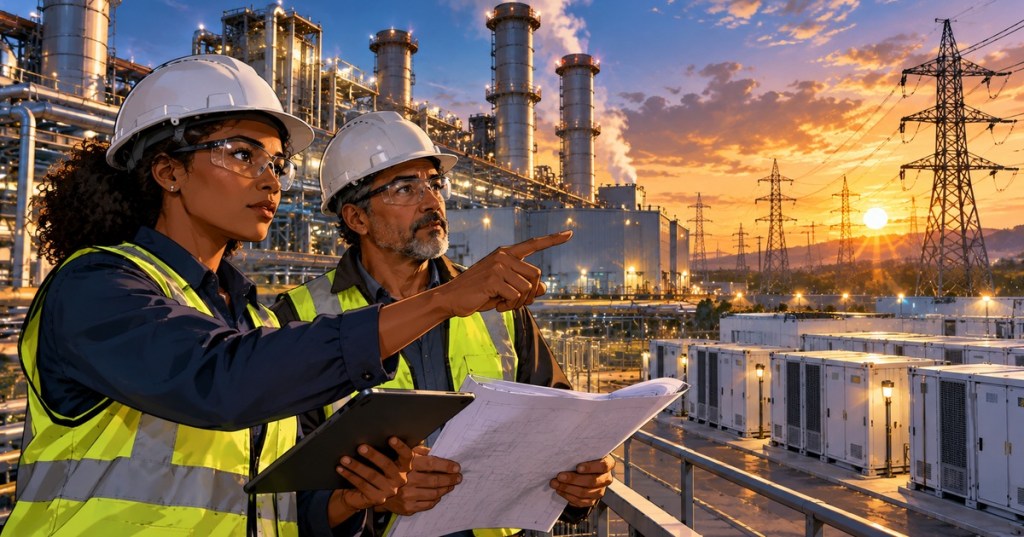
Alliant Energy has closed a $5.1 billion federal loan package to finance gas generation, battery storage and grid reliability projects in Iowa and Wisconsin.
-
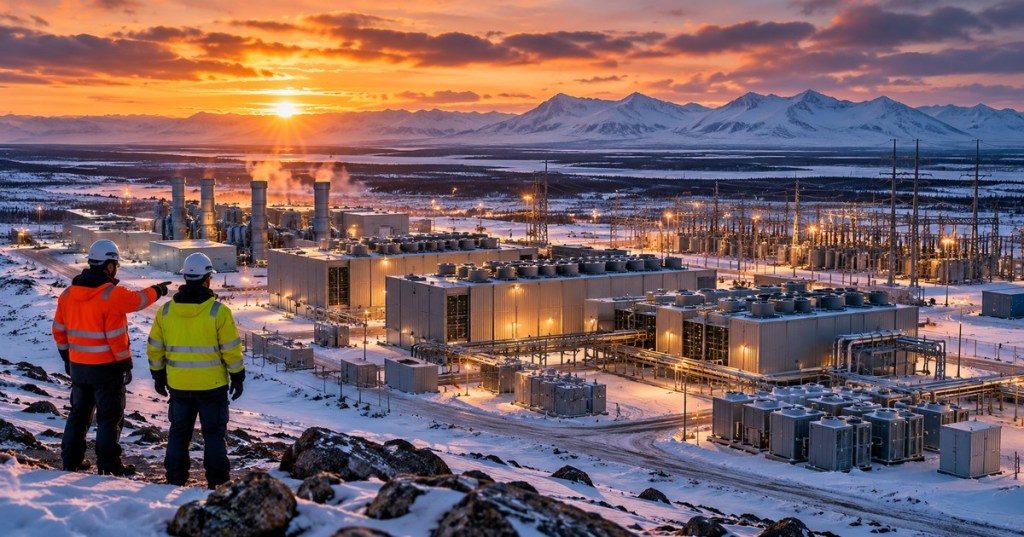
Alaska’s three biggest named computing proposals span a 50 MW Bitcoin pilot, 100 MW subsea concept and STAK’s 1–3 GW power campus. Here’s what the permits really show.
-
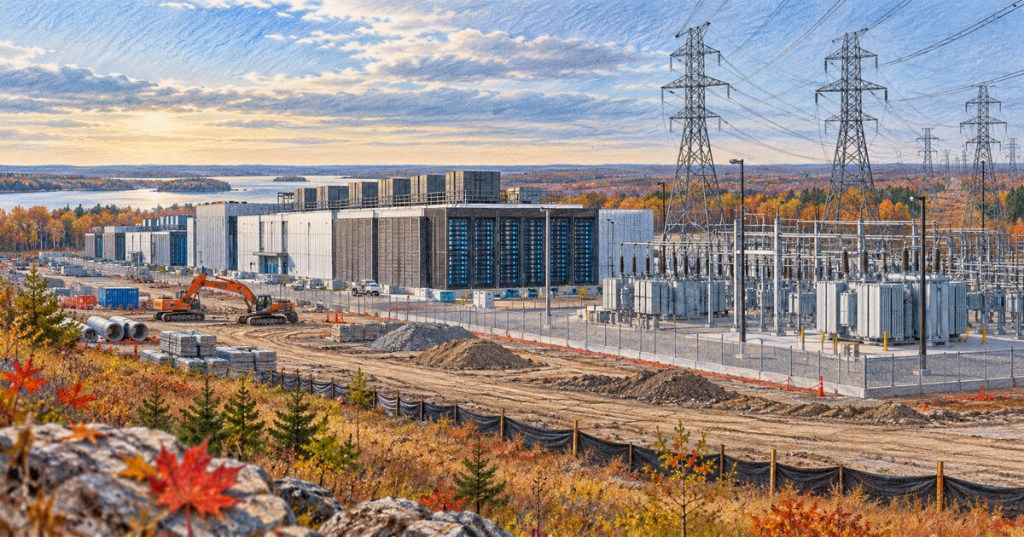
HIVE BUZZ’s proposed 320 MW Oakville AI campus would use Ontario’s provincial grid while Oakville’s one-year data-center freeze remains in force.
-
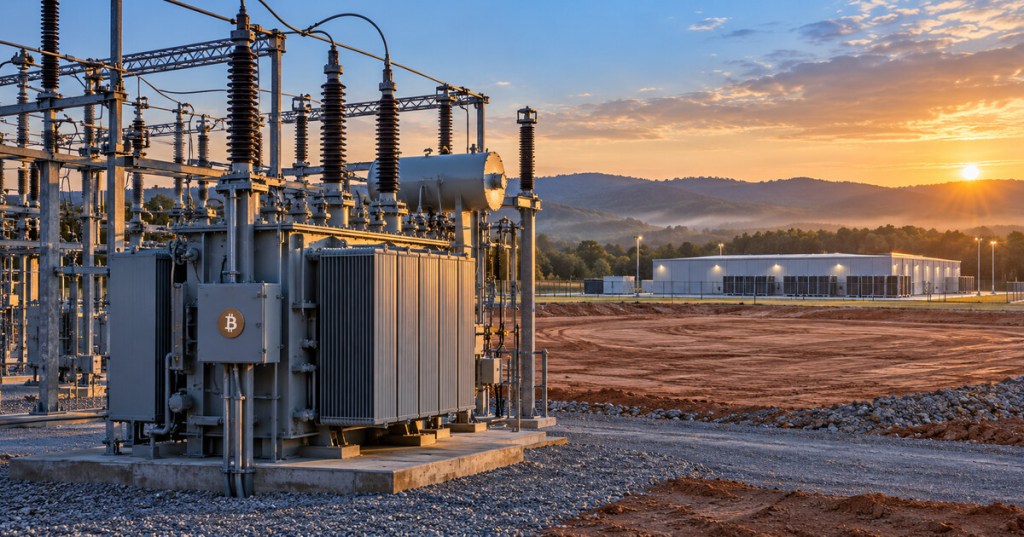
Atlantic acquired 29 MW of Tennessee utility power contracts, expanding its development pipeline while funding, permits and transformer work still precede energization.
-

Data center cabling is the physical foundation of the network. Before servers can communicate, switches can forward traffic, or applications can reach the cloud, equipment has to be connected correctly at the physical layer. For a data center technician, cabling knowledge goes far beyond plugging in an Ethernet cable. It includes understanding copper and fiber,…
-

In a data center, some of the most important infrastructure practices are also some of the easiest to overlook. Cable bend radius is a perfect example. It simply describes how tightly a cable can be bent without risking physical damage or degrading its intended performance. Think of a cable going around a corner. Instead of…
-

Artificial intelligence companies are usually compared by model size, benchmark scores, response speed and the number of tokens their systems can process. Perplexity CEO Aravind Srinivas believes the longer-term competition may be determined by a broader efficiency metric: token value per watt per user. In a June 2026 CNBC interview, Srinivas argued that the eventual…
-
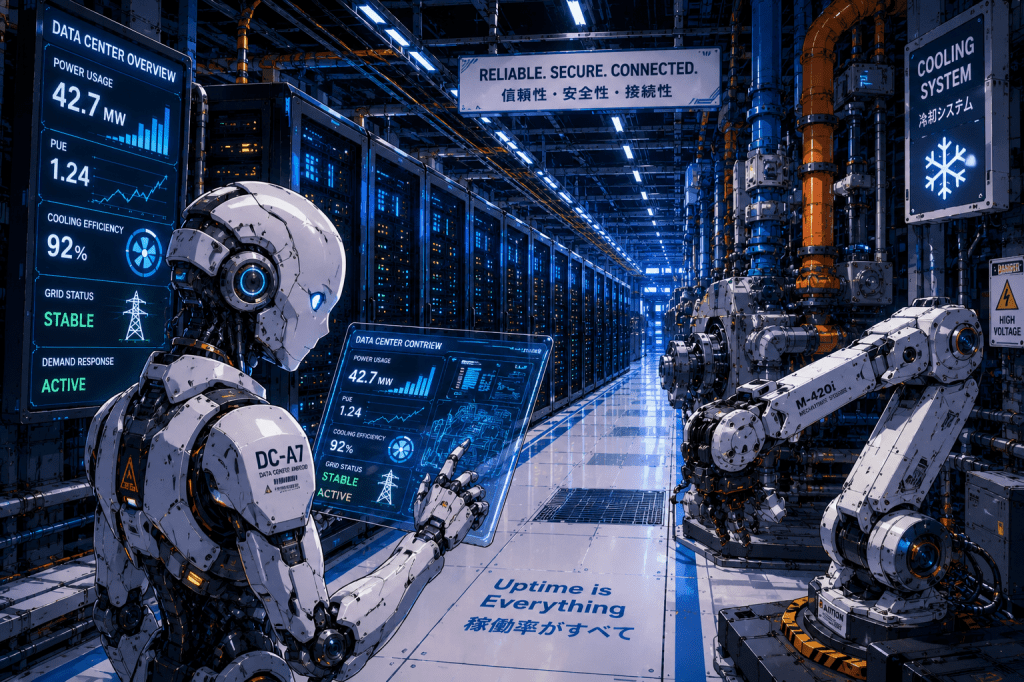
Data centers have become one of the easiest targets in today’s debate over electricity, artificial intelligence, and infrastructure. They consume significant amounts of power, require major investment, and often face opposition from nearby communities. Some of those concerns are reasonable. Large facilities should be built responsibly, follow environmental regulations, and minimize impacts on surrounding neighborhoods.…
-
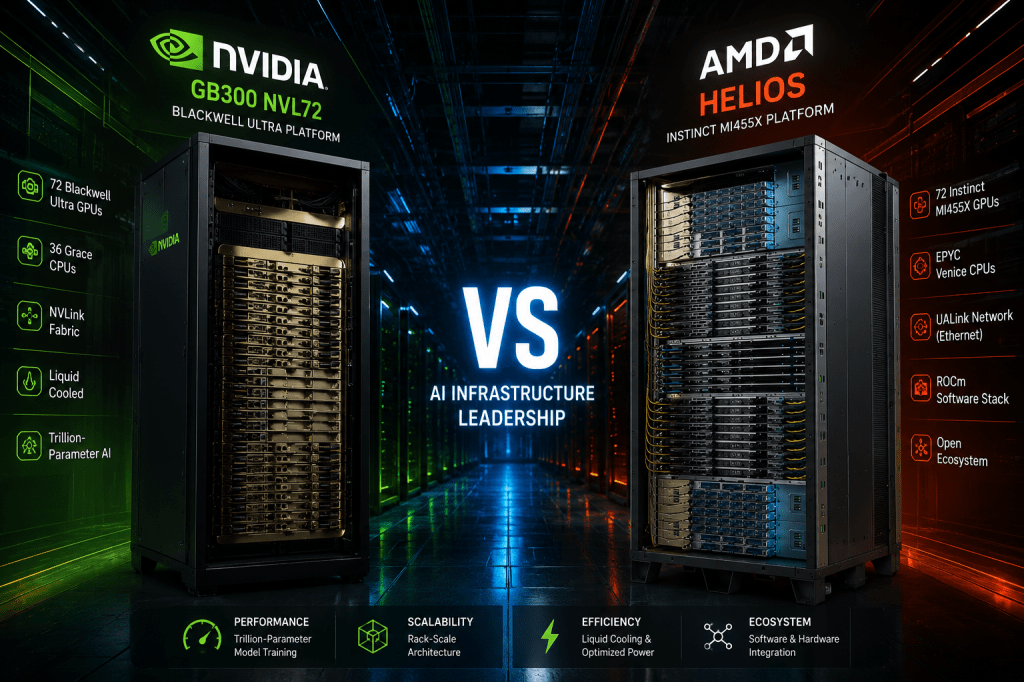
The race to build the world’s most powerful AI infrastructure has shifted beyond individual GPUs to complete rack-scale systems that integrate processors, networking, memory, and cooling into a single high-performance platform. Rather than selling standalone accelerators, companies are now engineering entire AI racks capable of training trillion-parameter models and supporting the next generation of reasoning…
-

Data centers have become one of the most debated pieces of modern infrastructure. Critics often focus on electricity consumption, land use, and local development, but it’s important to remember what these facilities actually do. Every photo uploaded to social media, every cloud document, every AI prompt, every streaming movie, every online purchase, and nearly every…

