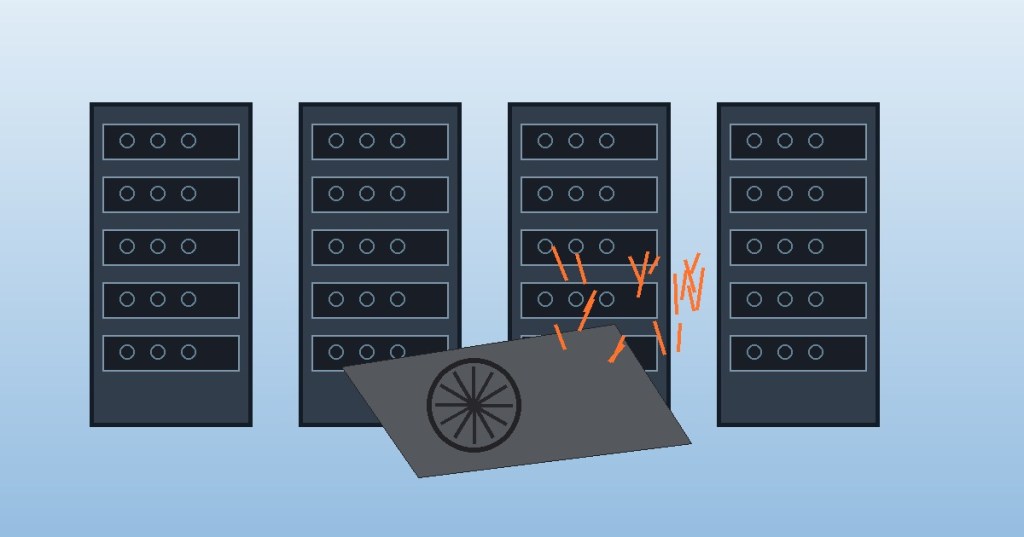
An ASIC miner’s power supply unit (PSU) converts incoming electrical power into the regulated outputs its hashboards and controller need. When that conversion fails, the miner may shut down, reboot repeatedly or stop hashing.
Heat is a common stressor. Blocked airflow, failed fans and high inlet temperatures can accelerate wear in capacitors, semiconductors and other PSU components. Dust buildup may make cooling worse. A hot PSU, however, is not proof that overheating caused the failure.
Electrical conditions matter too. Input-voltage problems, repeated power cycling, overloaded circuits and damaged plugs or connectors can interrupt operation. Discolored terminals, a burning smell or melted insulation warrant immediate removal from service by qualified personnel.
Pivotal Pleb Tech has documented APW12 power-supply modifications for home-mining configurations. Modifying a PSU involves hazardous voltage and should only be attempted by people qualified to perform the work.
Symptoms overlap: a failed PSU, control board, hashboard or unstable power feed can all produce missing hashrate or restart loops. Technicians should check documented error logs, site power conditions and the manufacturer’s diagnostic procedures before replacing parts.
Safety comes first. Miner PSUs can contain hazardous voltages and stored electrical energy even after shutdown. Never open or probe one without the required training, isolation procedure and test equipment. Follow the manufacturer’s service instructions and site lockout/tagout rules.
VoskCoin demonstrates replacement of an ASIC miner power supply. The video is useful for identifying the hardware and replacement process, but manufacturer procedures and electrical-safety rules should take priority.
For related reading, see our coverage of how heat affects computing hardware, air-cooled miner designs and industrial device protection. Hardware specifications and troubleshooting procedures should be checked against the Bitmain support documentation for the exact model.
BitcoinVersus.Tech Editor’s Note:
We volunteer daily to ensure the credibility of the information on this platform is Verifiably True. If you would like to support to help further secure the integrity of our research initiatives, please donate using the QR code provided

For best QR-code scanning results, please scan this donation code from a desktop or larger screen. Mobile screens may prevent camera recognition.


Leave a Reply