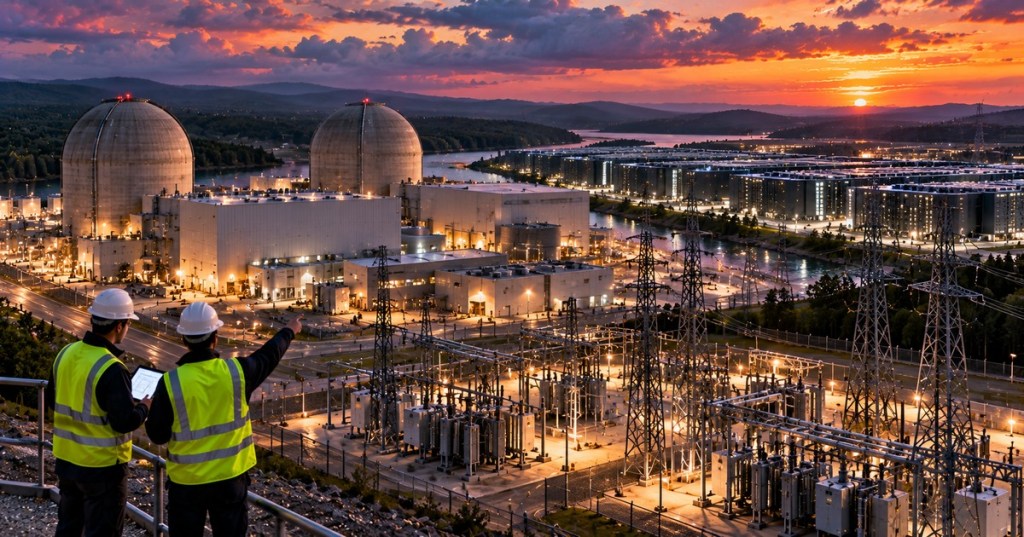
AI’s growing power demand has pushed Microsoft, Meta, Amazon and Google into multidecade nuclear contracts. This Top 7 ranks the largest named nuclear energy agreements or announced agreement packages by total megawatts referenced in signed arrangements as of October 27, 2026. The ranking is not based on new generating capacity, contract value or energy currently delivered. We separate existing output, reactor restarts and incremental uprates to prevent misleading comparisons.
A special caveat applies to Google’s No. 1 entry: its 3,590 MW figure combines a 20-year agreement for 890 MW of uprates and a separate 15-year agreement for 2,700 MW of existing output. The two terms and purposes are different. The rankings below cover individual named counterparties and plant packages, not a buyer’s entire global nuclear portfolio. All seven sections have their own attributed nuclear-energy media image.
7. Amazon + Constellation — Calvert Cliffs, Maryland — 690 MW
Announced September 30, 2026, this 20-year agreement supports 690 MW of power from Calvert Cliffs, including about 190 MW of incremental uprates targeted for 2030–2032. Constellation says it enables more than $3 billion of investment. The 690 MW is the contracted amount, not 690 MW of brand-new reactors. Read our earlier coverage. Contract/package amount: 690 MW. New or restored generating capacity identified: 190 MW (where restart capacity is counted separately from uprates). Read the primary agreement or filing.
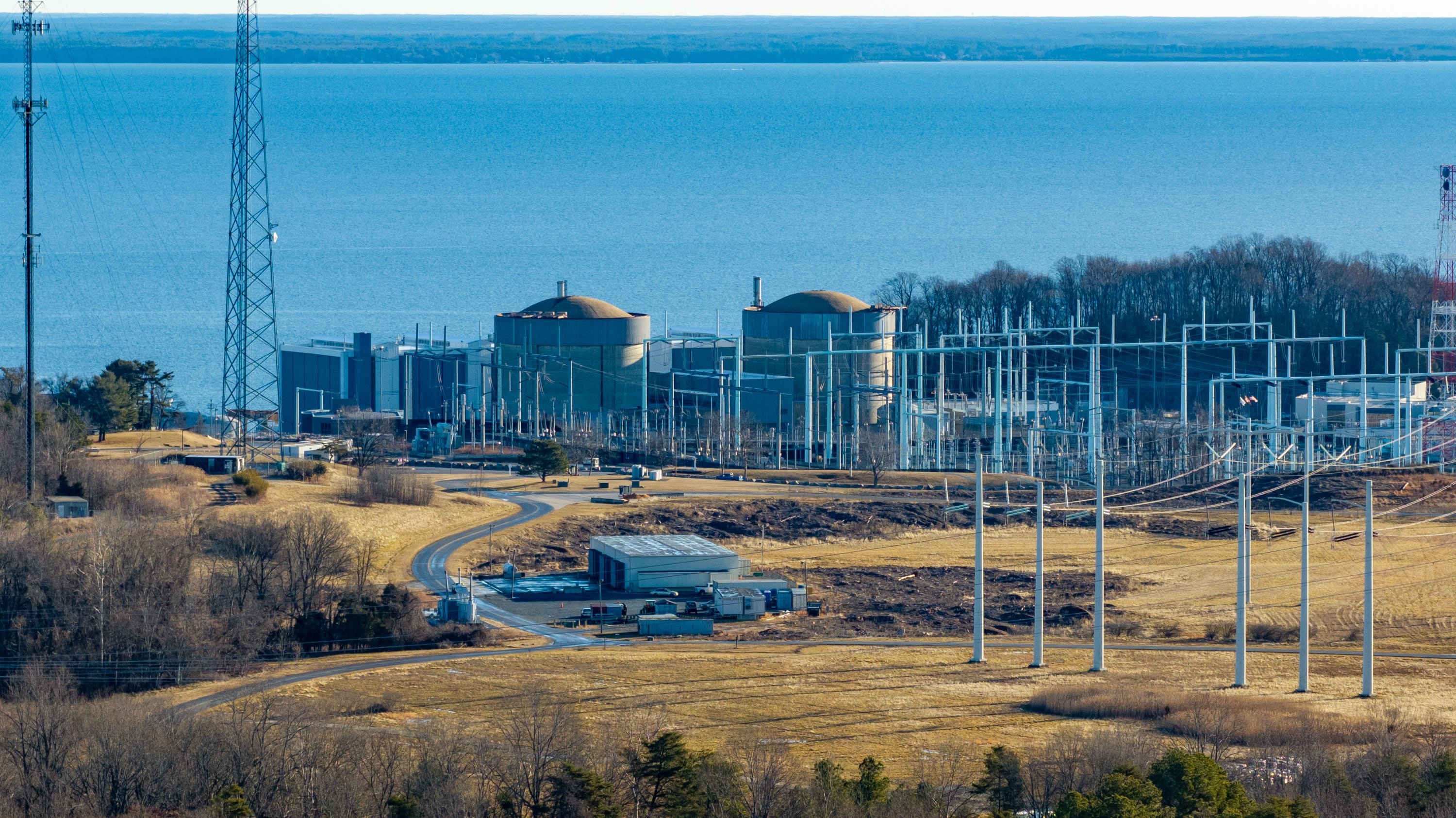
The image above illustrates nuclear-generation infrastructure. It does not establish that 690 MW is currently flowing to data centers; electricity is delivered through the relevant grid and contract structures.
6. Microsoft + Constellation — Crane restart, Pennsylvania — 835 MW
Microsoft’s 20-year agreement supports restarting the former Three Mile Island Unit 1, renamed the Crane Clean Energy Center. The 835 MW represents a reactor being returned to service rather than newly built reactor capacity. The restart requires regulatory and operational milestones; the contracted figure is not power already delivered to Microsoft’s data centers. Contract/package amount: 835 MW. New or restored generating capacity identified: 835 MW (where restart capacity is counted separately from uprates). Read the primary agreement or filing.
The image above illustrates nuclear-generation infrastructure. It does not establish that 835 MW is currently flowing to data centers; electricity is delivered through the relevant grid and contract structures.
5. Meta + Constellation — Clinton, Illinois — 1,121 MW
The June 2025, 20-year agreement backs 1,121 MW from Clinton beginning in 2027, including about 30 MW of additional output through uprates. It helps sustain an existing plant beyond a state zero-emission credit program. The picture is explicitly an illustration of a different existing reactor; it is not a Clinton-site photograph. Contract/package amount: 1,121 MW. New or restored generating capacity identified: 30 MW (where restart capacity is counted separately from uprates). Read the primary agreement or filing.
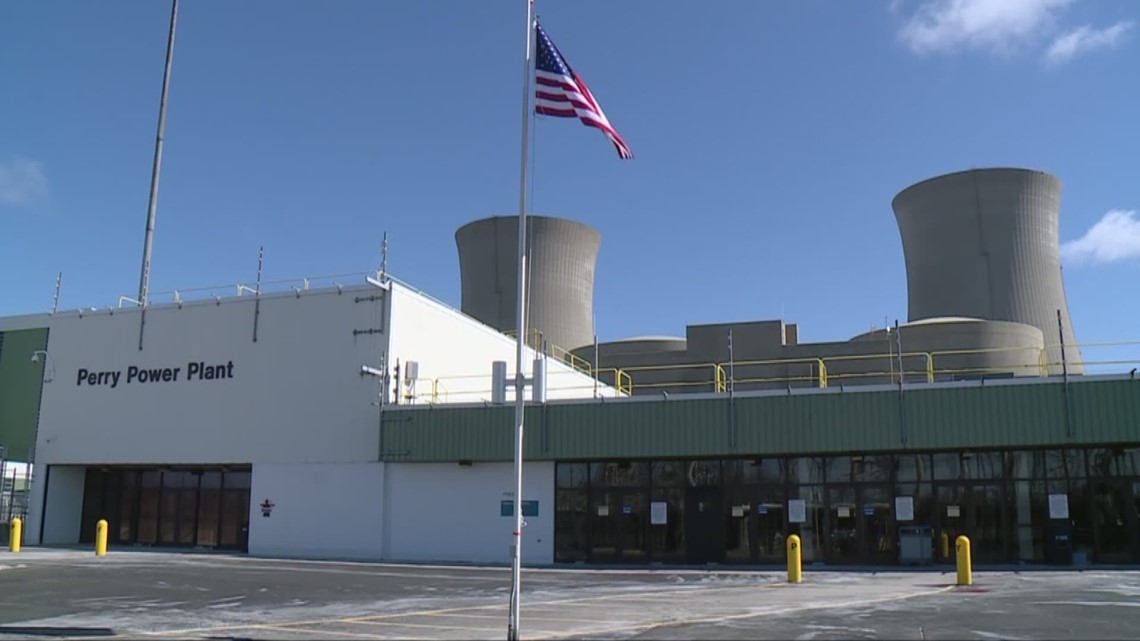
The image above illustrates nuclear-generation infrastructure. It does not establish that 1,121 MW is currently flowing to data centers; electricity is delivered through the relevant grid and contract structures.
4. Amazon + Vistra — Comanche Peak, Texas — 1,200 MW
Vistra’s SEC filing confirms a 20-year AWS contract for 1,200 MW from the operating Comanche Peak plant. Deliveries are scheduled to begin in late 2027 and reach full volume by 2032. The deal does not itself guarantee new nuclear generation, although the companies may explore uprates and additional technologies. The image is illustrative, not the contracted plant. Contract/package amount: 1,200 MW. New or restored generating capacity identified: 0 MW (where restart capacity is counted separately from uprates). Read the primary agreement or filing.
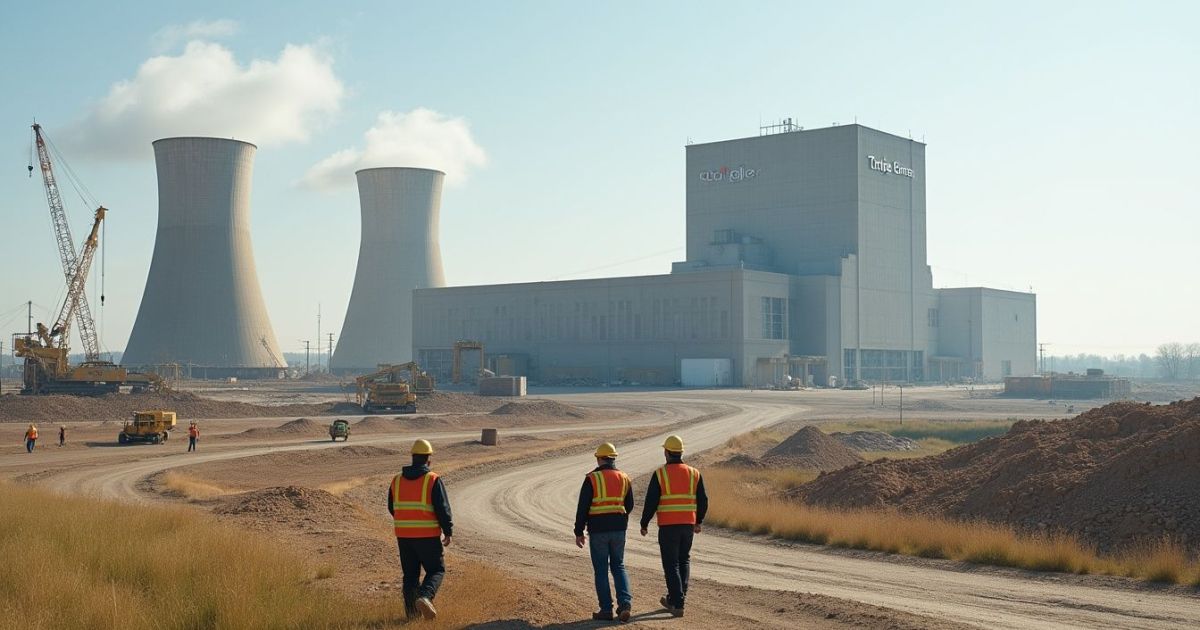
The image above illustrates nuclear-generation infrastructure. It does not establish that 1,200 MW is currently flowing to data centers; electricity is delivered through the relevant grid and contract structures.
3. Amazon + Talen — Susquehanna, Pennsylvania — 1,920 MW
Talen’s June 2025 agreement supplies up to 1,920 MW of nuclear electricity for AWS operations through 2042, ramping to full quantity no later than 2032. This is a long-term purchase from an existing plant, not 1.92 GW of freshly constructed nuclear capacity. The parties are separately studying uprates and small modular reactors; neither should be counted as completed additions. Contract/package amount: 1,920 MW. New or restored generating capacity identified: 0 MW (where restart capacity is counted separately from uprates). Read the primary agreement or filing.
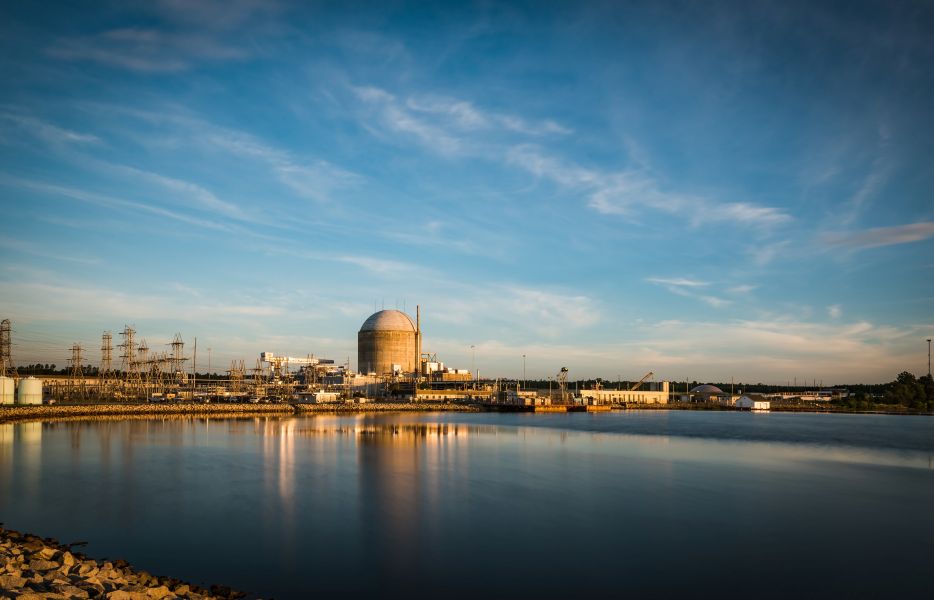
The image above illustrates nuclear-generation infrastructure. It does not establish that 1,920 MW is currently flowing to data centers; electricity is delivered through the relevant grid and contract structures.
2. Meta + Vistra — Perry, Davis-Besse and Beaver Valley — 2,609 MW
Meta’s January 2026 package covers 2,176 MW of existing nuclear output plus 433 MW of uprates across three plants. The uprates are expected to be added in stages into the 2030s. The distinction matters: only the 433 MW increases generation capacity. The Department of Energy also announced a conditional financing commitment in October 2026, which is not the same as a funded loan. Contract/package amount: 2,609 MW. New or restored generating capacity identified: 433 MW (where restart capacity is counted separately from uprates). Read the primary agreement or filing.
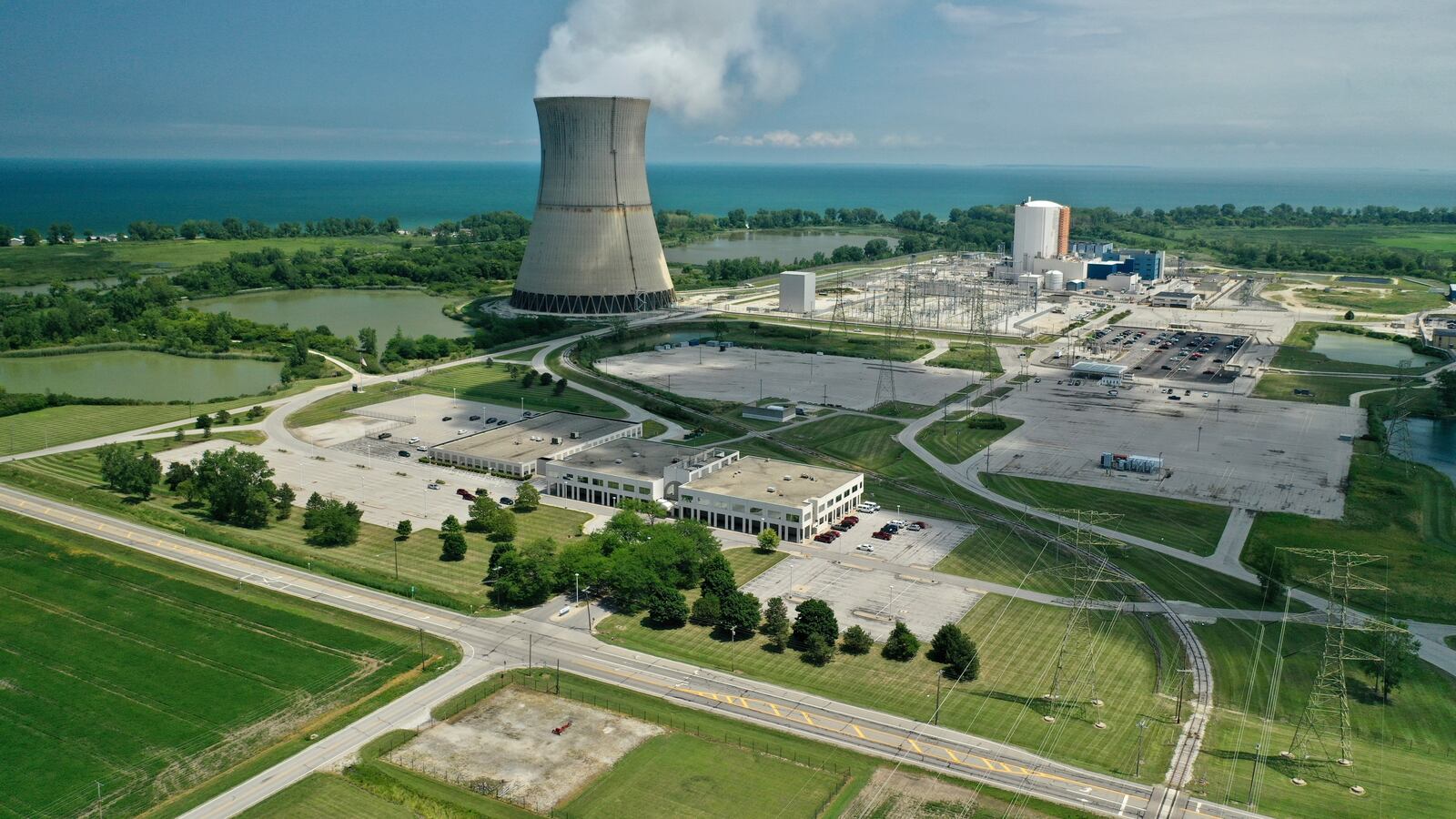
The image above illustrates nuclear-generation infrastructure. It does not establish that 2,609 MW is currently flowing to data centers; electricity is delivered through the relevant grid and contract structures.
1. Google + Constellation — PJM nuclear agreement package — 3,590 MW
Announced October 6, 2026, the package combines a 20-year power purchase agreement for 890 MW of new uprates at 11 reactors and a separate 15-year energy supply arrangement for 2,700 MW of existing generation. The 3,590 MW total combines two different contracts and terms; only 890 MW is new capacity. Constellation estimates more than $4.3 billion in investment. Read our original breaking report. Contract/package amount: 3,590 MW. New or restored generating capacity identified: 890 MW (where restart capacity is counted separately from uprates). Read the primary agreement or filing.
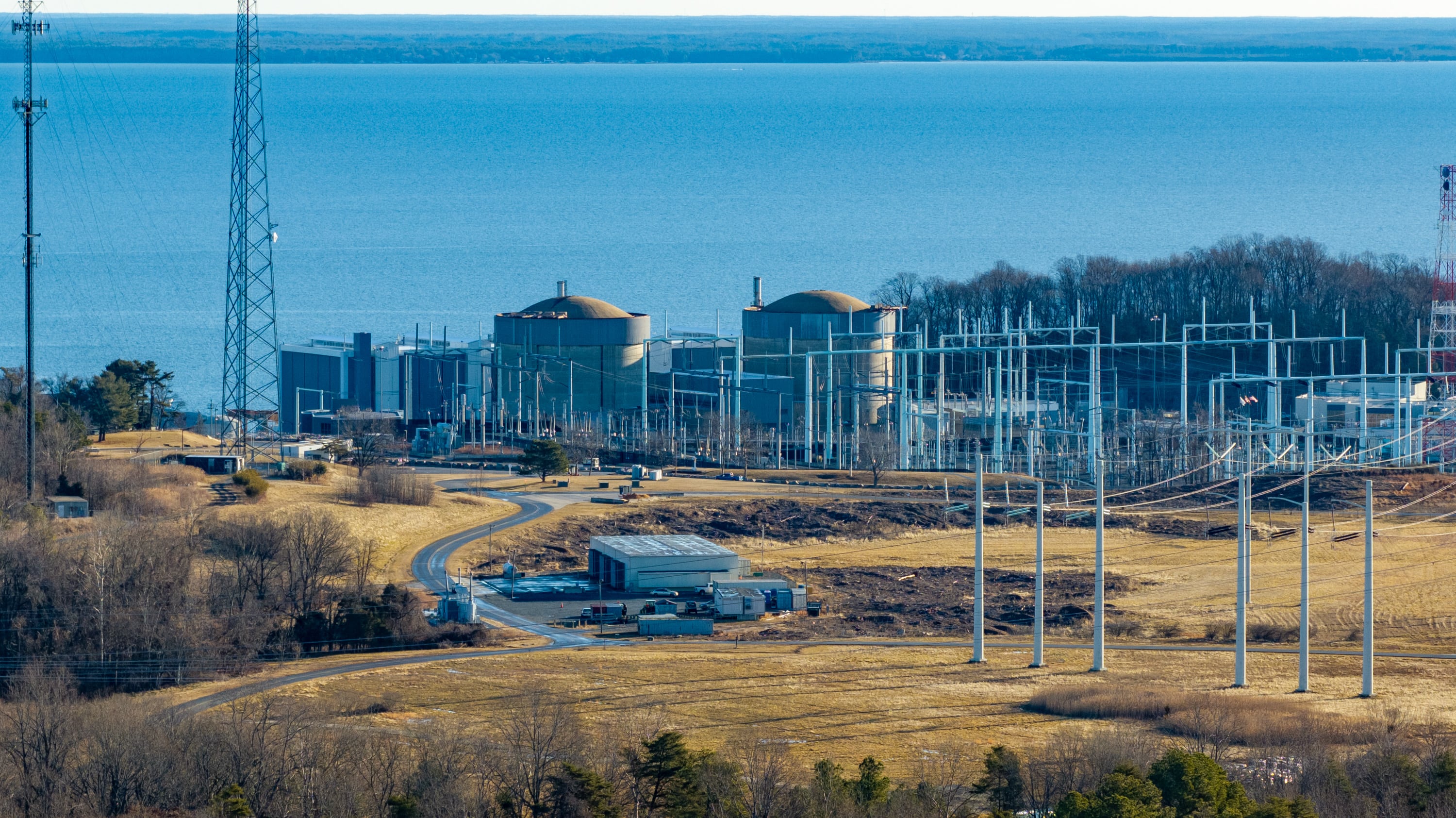
The image above illustrates nuclear-generation infrastructure. It does not establish that 3,590 MW is currently flowing to data centers; electricity is delivered through the relevant grid and contract structures.
For scale, a 1 GW facility running continuously at full electrical output would produce about 8.76 terawatt-hours per year before downtime or losses. Yet the agreements above do not imply one-for-one power delivery to individual AI campuses, and nuclear energy procurement is not equivalent to the installation of new servers. See our Top 7 AI data-center megaprojects and report on who pays for new power infrastructure for the load-side implications.
One further development occurred on October 27: Constellation disclosed a conditional federal loan commitment of up to $5 billion for nuclear uprates. This is financing support for nuclear projects, not an eighth signed hyperscaler PPA, and is therefore excluded from this buyer–seller ranking. DOE conditional commitments are not necessarily disbursed funds.
Editor’s Note: BitcoinVersus.Tech distinguishes signed purchases, power-plant output, new uprates, planned restarts and conditional financing. To support independent reporting, consider donating 5,000 sats by scanning the QR code below.

Scan this donation code using a Bitcoin wallet camera, preferably from a separate desktop display.


Leave a Reply