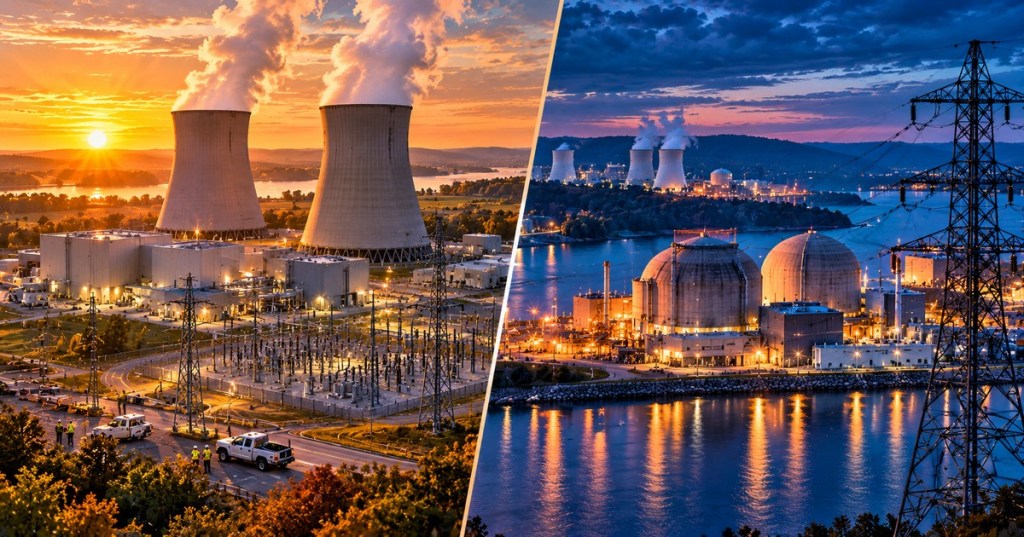
The U.S. Department of Energy announced on October 27, 2026, a conditional loan commitment of up to $5 billion for Constellation Energy to modernize existing nuclear plants in Illinois, Maryland and Pennsylvania. Proposed power uprates could add nearly 1.1 gigawatts of generating capacity, enough electricity for an estimated 930,000 homes. The money has not yet been disbursed.
Key Takeaways
- Up to $5 billion is conditionally committed; it is not a closed or funded loan.
- Eight existing nuclear facilities are eligible for potential uprates.
- Any reduction in electricity prices remains projected, not an observed customer saving.
Eight plants across three states
The DOE announcement names Braidwood, Byron, Clinton, Dresden, LaSalle and Quad Cities in Illinois, Calvert Cliffs in Maryland and Limerick in Pennsylvania. An uprate increases a reactor station’s output using improvements such as turbine or generating-equipment upgrades; it does not necessarily mean building another reactor.
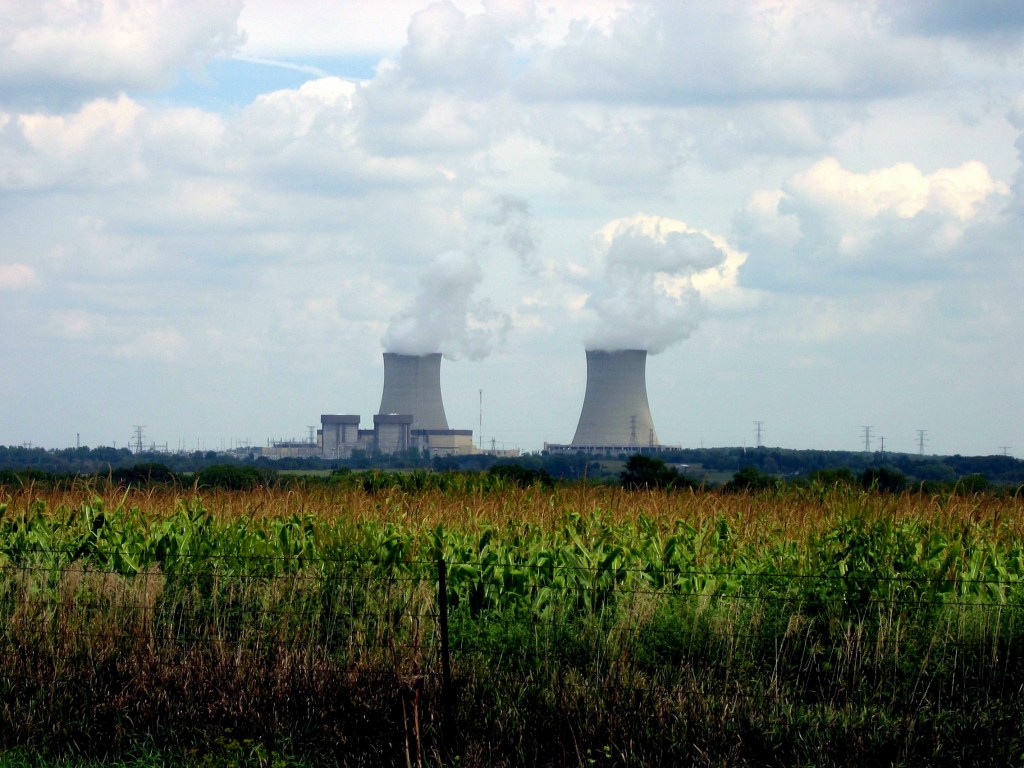
The financing could help Constellation borrow at lower cost, but each project must satisfy technical, environmental, legal and financial requirements before funds are released. Constellation also says the agreement does not constitute a final decision to proceed at every site. DOE estimates more than 10,000 project-related jobs; that figure is a projection.
Why nuclear capacity matters for AI demand
The plan overlaps with investment backed by Constellation’s earlier customer agreements, including Google’s 890 MW nuclear capacity arrangement and Amazon’s 190 MW Calvert Cliffs uprate. Their megawatts should not be added to DOE’s nearly 1.1 GW as if they were separate projects. Large AI and Bitcoin mining power demand is part of the broader pressure on electricity systems.
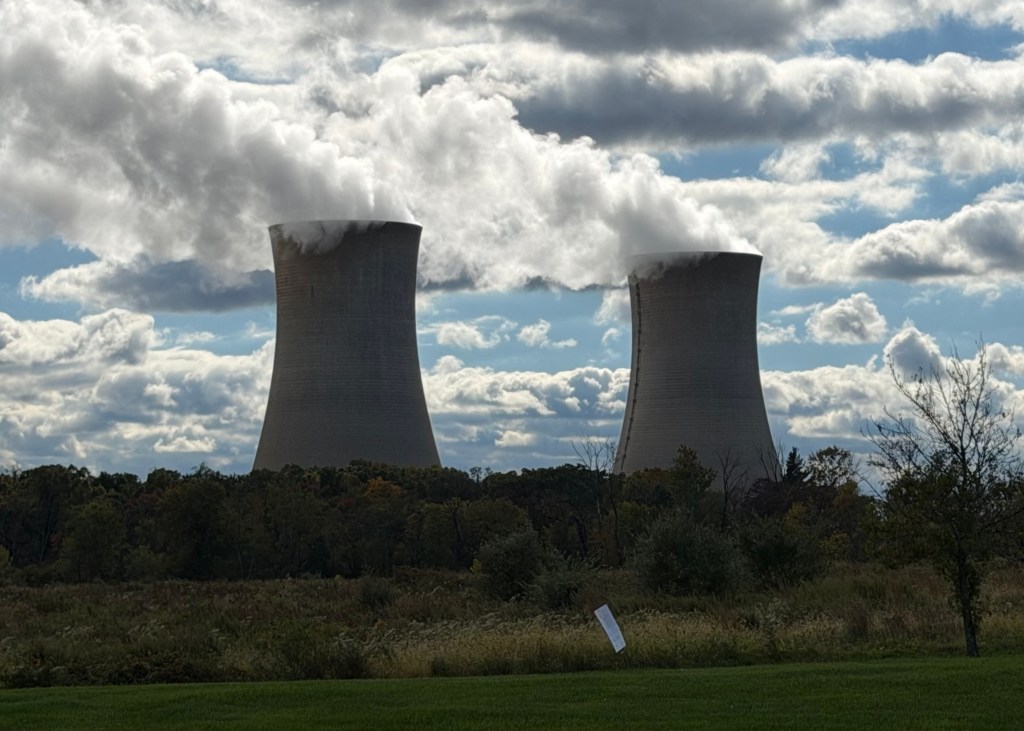
DOE says greater supply could improve reliability in the PJM and MISO regions and help restrain prices. Those outcomes depend on project completion, grid conditions and market prices; no specific household bill reduction has been demonstrated. For context, BitcoinVersus.Tech previously covered the separate $4.2 billion Vistra commitment. Both remain distinct from operating nuclear output already online.
BitcoinVersus.Tech Editor’s Note: We volunteer daily to help ensure the credibility of our reporting is Verifiably True. To support independent research, scan the donation QR below. Suggested donation: 5,000 sats (0.00005 BTC).

For best scanning results, display the QR code on a larger screen and scan it from another device.


Leave a Reply