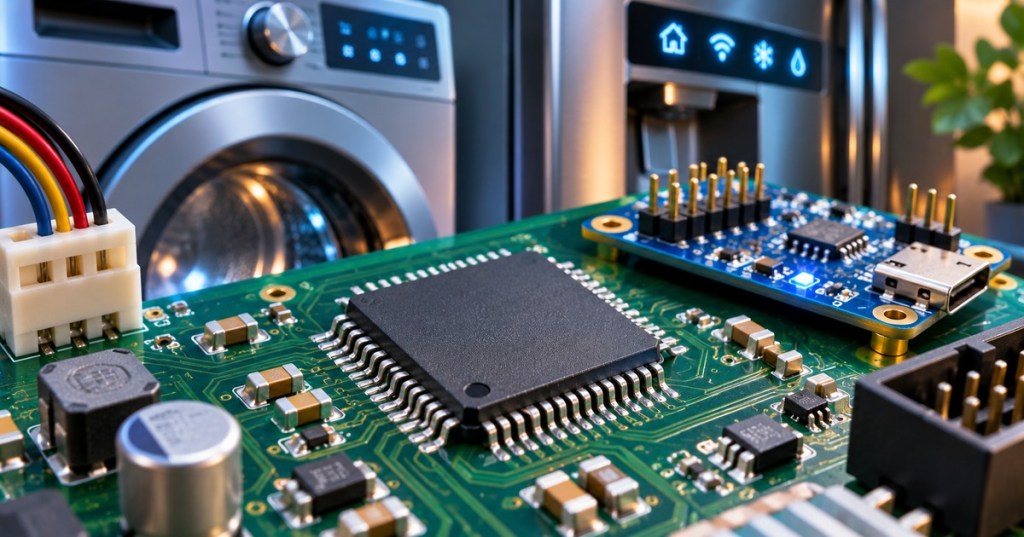
Renesas Electronics launched the RL78/G21 on October 28, 2026, in Japan, targeting lower-power control systems in washing machines, refrigerators, air conditioners and other appliances. The 16-bit microcontroller draws a specified 34 microamps per megahertz (µA/MHz) in active operation. Renesas says that rate is nearly half the corresponding figure for its earlier RL78/G13, potentially reducing control-board energy demand.
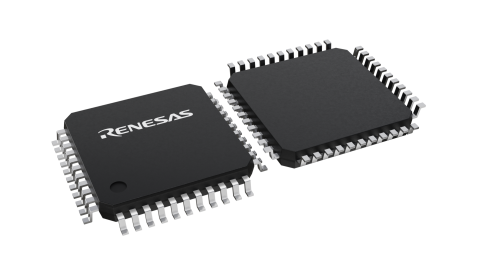
The G21 is not an AI accelerator or a new high-performance CPU. It is a small embedded controller that reads sensors through interfaces such as SPI, runs timing logic and switches other electronic components. Its published specifications list a 32 MHz RL78-S3 core, 128 KB or 256 KB of program flash, 8 KB of RAM and a 1.6–5.5 V supply range.
Why lower current can matter
A smart appliance may operate its control electronics continuously even while its motor or compressor is idle. Lower MCU run current can reduce the controller’s share of power consumption, although total appliance savings also depend on the motors, sensors, displays and power supply. The 34 µA/MHz figure is not a complete appliance power measurement.
The G21 also integrates a 4 KB data-flash area and an on-chip oscillator rated to ±1% accuracy. These features can remove separate components on some boards. Renesas cites ±4 kV human-body-model electrostatic-discharge tolerance and security features such as flash read protection. Engineers still need to qualify actual assemblies; an ESD rating is not proof that an appliance survives every surge.
The related G23 gets more touch controls
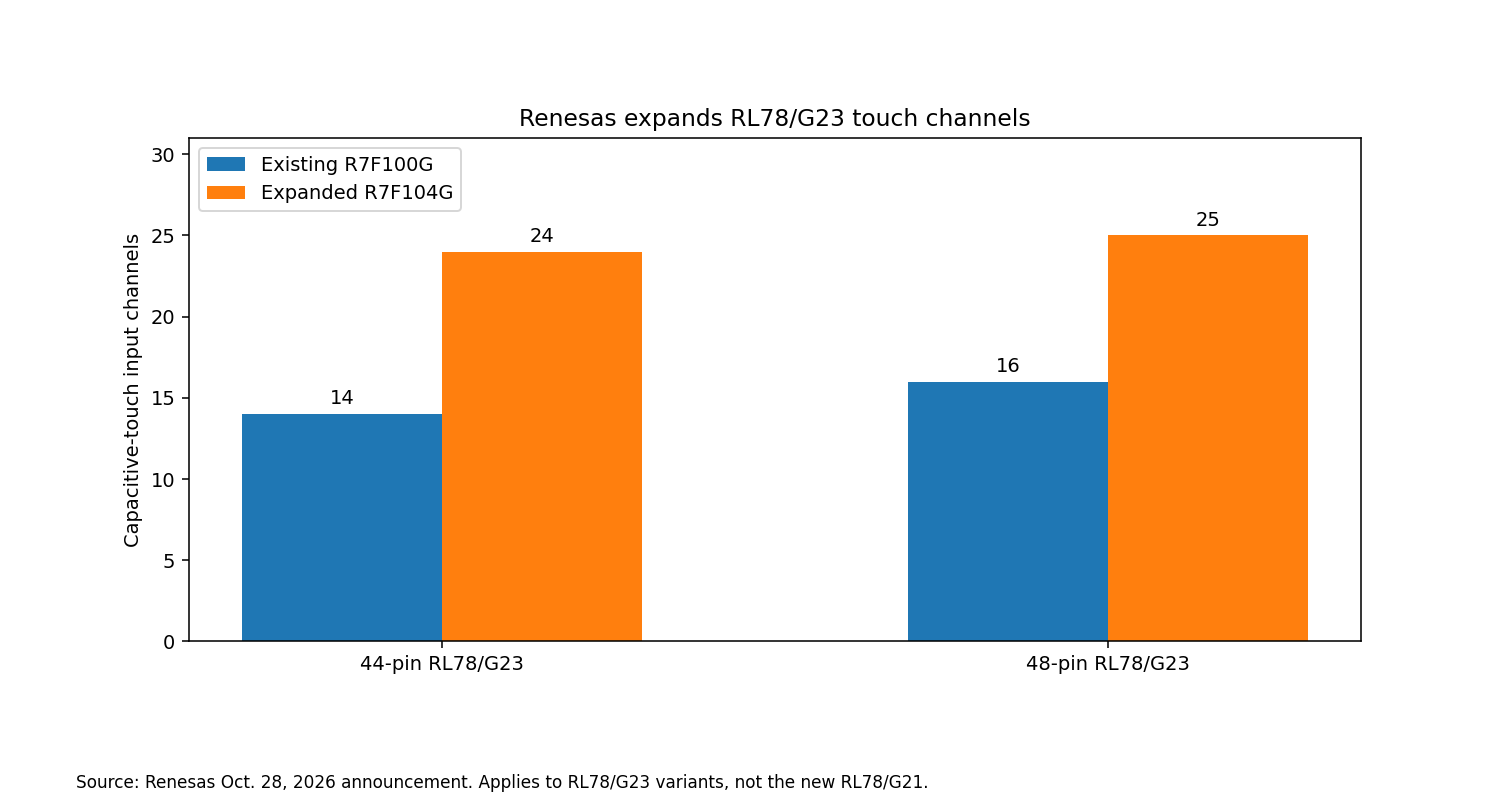
Alongside the G21 launch, Renesas expanded a different microcontroller, the RL78/G23, for touch-button interfaces. Its newer R7F104G versions support 24 touch channels on 44-pin packages versus 14 previously, and 25 channels on 48-pin packages versus 16. This could help developers consolidate touch buttons and sliders, as seen in our touch-controller coverage. The G21 itself is not being credited with those touch-channel counts.
Availability and the next test
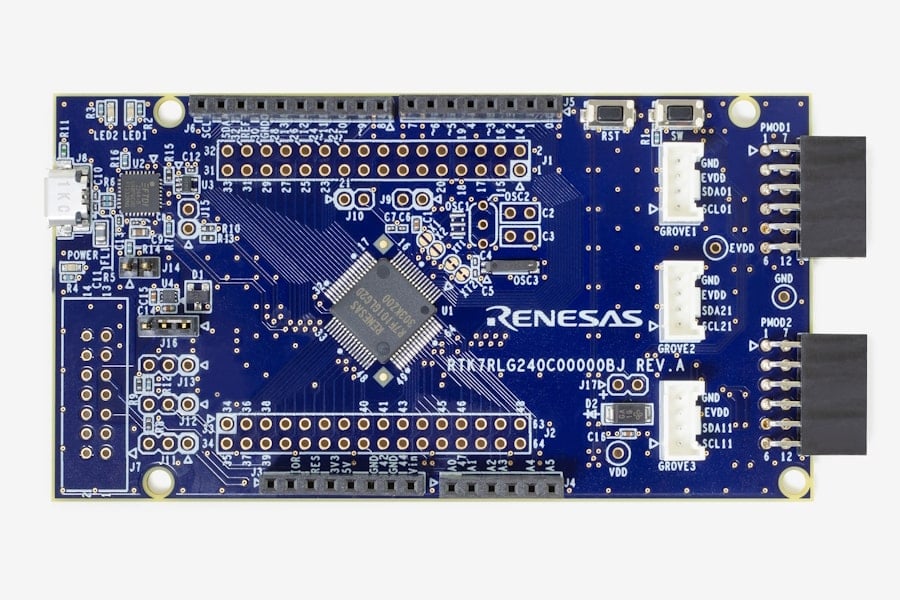
Renesas says both product lines are available now. The G21 starts at $0.56 for a 128 KB, 44-pin device, or $0.77 for 256 KB, but these are suggested unit prices at quantities of 10,000 rather than one-piece retail quotes. A dedicated G21 prototyping board is offered for design evaluation.
The next meaningful evidence will be independent power measurements and completed appliance designs. Similar engineering trade-offs appear in Renesas’s higher-performance RX microcontrollers and embedded brownout diagnostics, where reliable low-voltage operation matters as much as nominal clock speed.
BitcoinVersus.Tech
BitcoinVersus.Tech Editor’s Note: We volunteer daily to ensure the credibility of the information on this platform is Verifiably True. If you would like to support our work and help further secure the integrity of our research initiatives, please scan the QR code below to donate 5,000 sats. For best results, scan the QR code from a laptop or larger screen.

Bitcoin address: 3C9o19EH5HSiwEPyCTmEKzxhNCbo2X6TTb. On a phone, open the QR image on another screen or copy and verify the address in your wallet before sending.
BitcoinVersus.tech is not a financial advisor. This media platform reports on financial subjects purely for informational purposes.


Leave a Reply