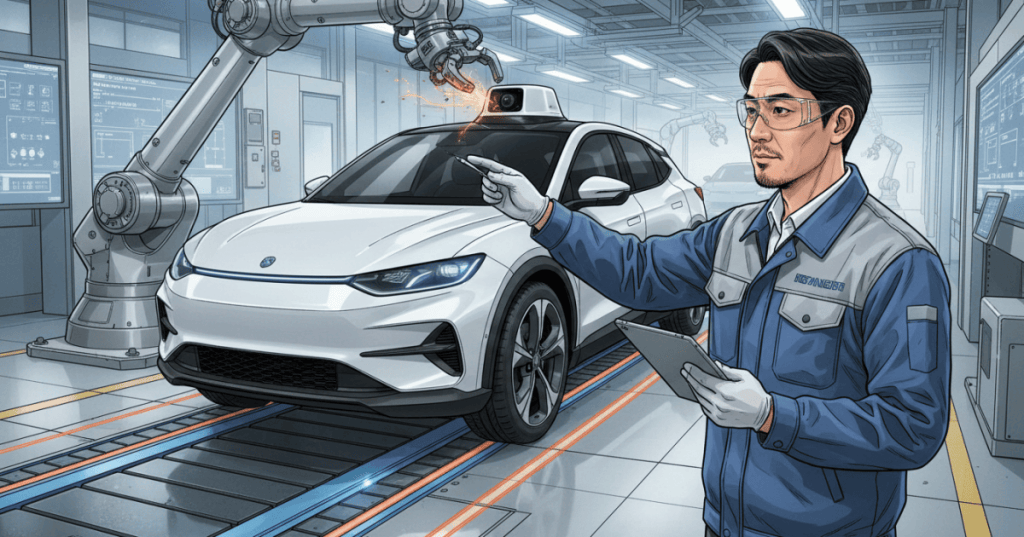
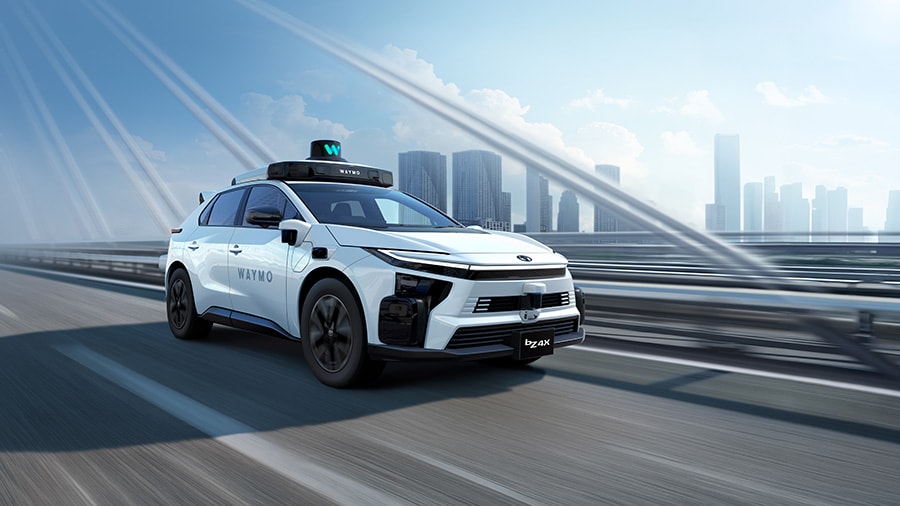
Toyota and Waymo announced October 30, 2026, that they will begin testing a purpose-built, battery-electric Toyota bZ4X robotaxi fleet in Japan in 2027. The Japanese automaker will assemble the vehicles and integrate Waymo’s autonomous-driving hardware at its Takaoka plant in Toyota City, Aichi Prefecture, rather than converting finished vehicles elsewhere.
The agreement advances a partnership first outlined in April 2025. The companies plan deployment in the United Kingdom and other Waymo-served markets in subsequent years. Crucially, the 2027 Toyota-fleet milestone is for initial operations, testing and validation—not a confirmed start date for public rides in Toyota vehicles.
Why building robotaxis at Toyota matters
Under the manufacturing plan, Toyota’s regular production workflow will accommodate Waymo sensors and computing hardware under one roof. That could reduce the logistics and rework associated with retrofitting vehicles after they leave a factory, although neither company disclosed manufacturing volumes, unit costs or the fleet’s eventual purchase price.
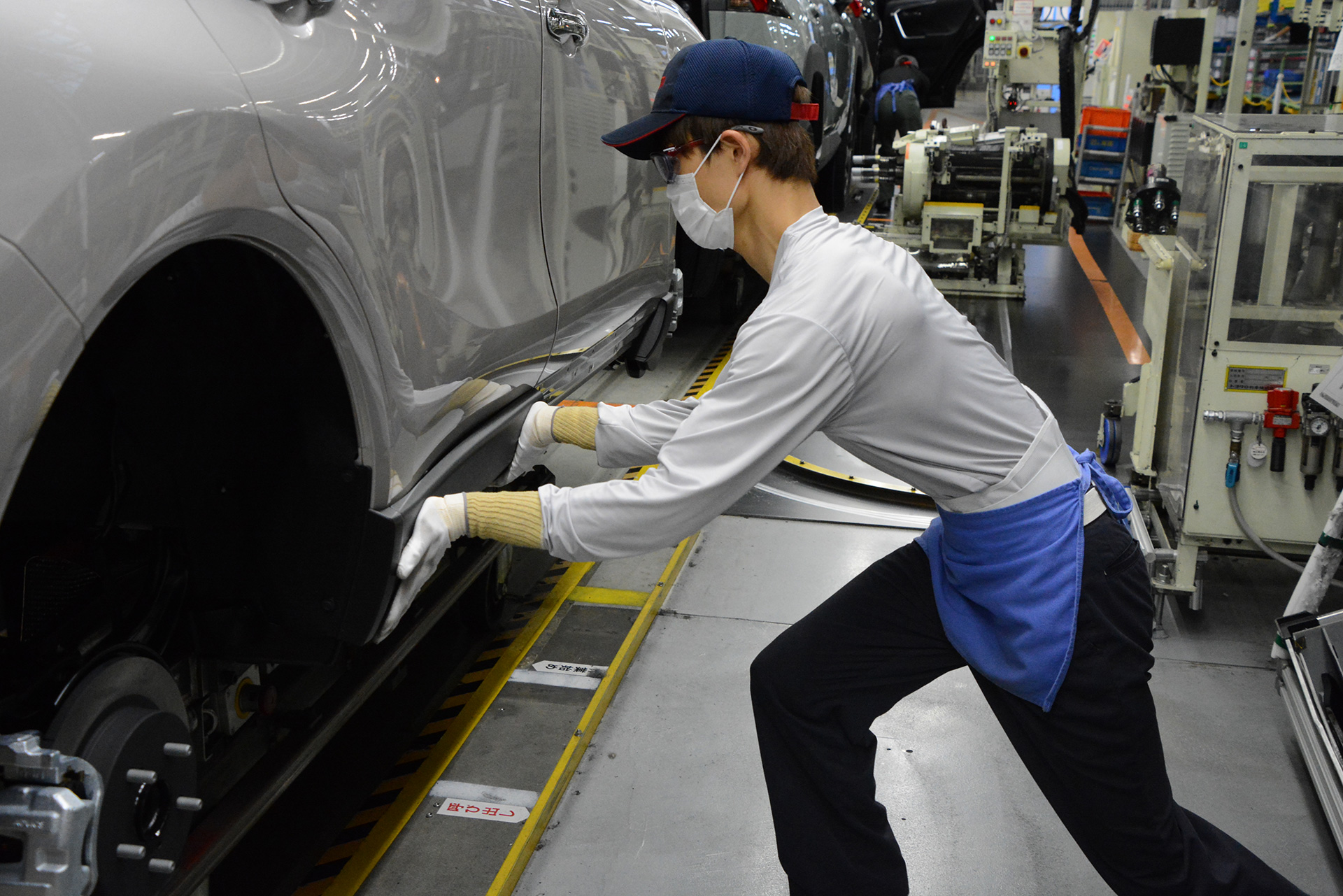
The choice of Takaoka has engineering significance. Toyota’s August production-site listing already identifies the plant as a bZ4X factory. Toyota’s own manufacturing coverage describes a dedicated battery-electric assembly line and efforts to automate physically demanding production tasks. Adding robotaxi hardware introduces another layer of factory-level integration and validation.
Tokyo rollout and the economics
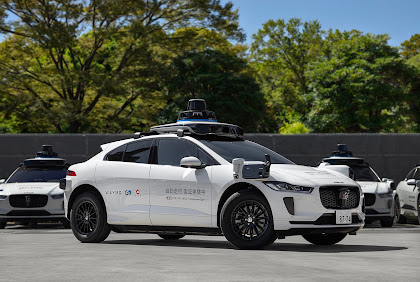
Waymo has also been preparing an autonomous taxi service in Tokyo with Nihon Kotsu and mobility-app operator GO. In September, the partners targeted first public rides in 2027, subject to permits and safety validation. That broader Tokyo launch plan should not be confused with the Toyota bZ4X test program; the companies have not said every initial Tokyo robotaxi will use the new model.
Competition is intensifying as Zoox expands paid robotaxi operations, while autonomous-fleet economics receive scrutiny. Our earlier robotaxi fleet-operator analysis explains why dispatch, maintenance and vehicle utilization matter alongside self-driving performance. Waymo’s financing plans show the capital required to scale such services.
What happens next
Toyota and Waymo describe the target as Level 4 autonomy: driving without human intervention within defined operating conditions. This does not imply unrestricted self-driving on every road. Toyota’s software subsidiary Woven will also study whether operational data can improve broader vehicle and traffic safety, complementing other automated-driving partnerships.
Next come Japanese regulatory approvals, vehicle qualification, real-world validation and a production ramp. The manufacturers have published no bZ4X fleet-size commitment or final commercial launch schedule. For automakers and electric-vehicle rivals, the key test is whether factory-integrated autonomy can become repeatable mass production rather than a costly specialist conversion.
BitcoinVersus.Tech
BitcoinVersus.Tech Editor’s Note: We volunteer daily to ensure the credibility of the information on this platform is Verifiably True. If you would like to support our work and help further secure the integrity of our research initiatives, please scan the QR code below to donate 5,000 sats. For best results, scan the QR code from a laptop or larger screen.

Bitcoin address: 3C9o19EH5HSiwEPyCTmEKzxhNCbo2X6TTb. On a phone, open the QR image on another screen or copy and verify the address in your wallet before sending.
BitcoinVersus.tech is not a financial advisor. This media platform reports on financial subjects purely for informational purposes.


Leave a Reply