Bitcoin mining operator BitFuFu reported improved ASIC fleet efficiency on November 6, 2026, even as its October Bitcoin production fell nearly 18%. The company’s SEC-filed operating disclosure places average mining-machine efficiency at 16.3 joules per terahash (J/TH), down from 16.7 J/TH in September. Lower J/TH means less electricity consumed for a given amount of SHA-256 hashing work.
BitFuFu produced 137 BTC during October, compared with 167 BTC a month earlier, while managed hashrate edged up from 19.4 to 19.5 exahashes per second (EH/s). The opposing movements illustrate a central hardware reality: more efficient mining equipment cannot guarantee higher Bitcoin output when network difficulty and operating conditions change.
A measurable improvement in energy efficiency
The 0.4 J/TH reduction represents approximately 2.4% less energy per unit of hashing work at the reported fleet averages. As an engineering illustration, 1 petahash per second (PH/s) running continuously at 16.7 J/TH corresponds to 16.7 kilowatts of ASIC load; at 16.3 J/TH, it corresponds to 16.3 kilowatts. The 400-watt difference would save 288 kilowatt-hours over a 30-day month if identical hashrate were sustained throughout.
The illustration is not a measured BitFuFu electricity bill. Facility cooling, distribution losses, curtailments, uptime, and the precise makeup of the managed fleet can change total site consumption. October’s reported 317 MW of managed power capacity, down from 324 MW, describes capacity under management rather than confirmed average megawatt draw or monthly megawatt-hours consumed.
Earlier BitcoinVersus.Tech reporting documented BitFuFu’s August expansion beyond 20 EH/s and explained why ASIC efficiency trends across generations should be assessed separately from actual production. The October data represent a new monthly operating result, not a newly announced ASIC chip.
What the installed hardware can and cannot explain
BitFuFu’s June report confirmed deployment of 1,200 BITMAIN ANTMINER S21 XP units and an agreement for another 2,000, providing evidence of an earlier fleet-refresh strategy. BITMAIN specifies a typical S21 XP at 270 TH/s, 3,645 watts, and 13.5 J/TH at a 25°C inlet. The manufacturer’s specification is a model benchmark; BitFuFu has not published an October machine-by-machine inventory establishing exactly how much of the month’s efficiency gain came from S21 XP deployments, other ASIC changes, or operating-mode adjustments.
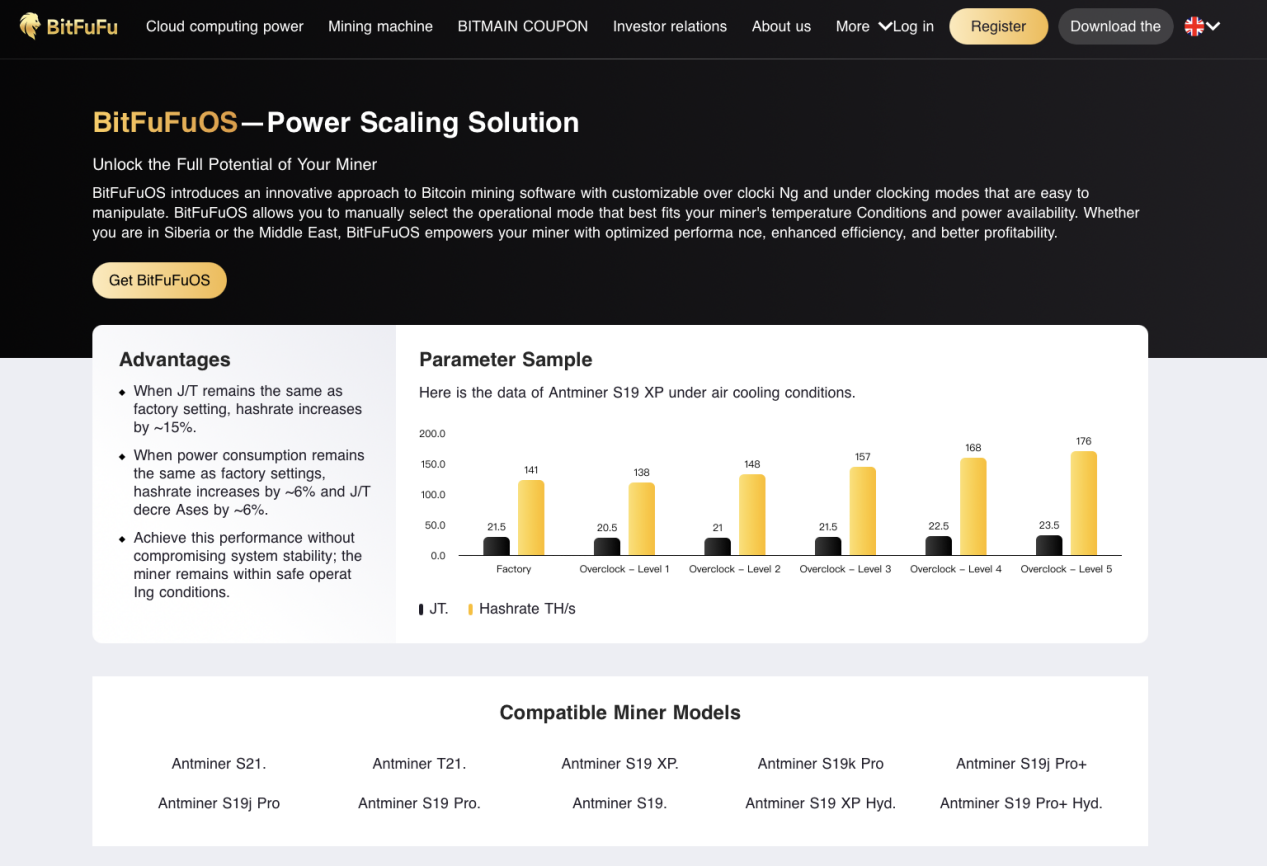
Firmware controls can also affect electrical performance. BitcoinVersus.Tech previously covered BitFuFuOS power-management features, and higher-efficiency chip families have altered mining economics more broadly. Neither earlier firmware demonstrations nor manufacturer laboratory ratings should be represented as proof of the October fleet’s specific configuration.
Network difficulty outpaced hardware progress
The October production decline came primarily from self-mining, which fell from 98 to 67 BTC. The cloud-mining category increased slightly, from 69 to 70 BTC. BitFuFu attributed weaker overall production partly to an approximately 11.8% increase in Bitcoin network difficulty, from 132.76 trillion at the beginning of October to 148.36 trillion at month-end. The company noted that the public blockchain difficulty data used in its announcement were not independently verified by BitFuFu or another party.
The reported 19.5 EH/s also should not be mistaken for equipment entirely owned by the company: 3.7 EH/s was self-owned hashrate and 15.8 EH/s came from third-party suppliers and hosting customers. Hashrate ownership and whether the work is assigned to self-mining or cloud-mining contracts are different accounting categories.
Equipment availability and electrical reliability remain consequential risks. BitcoinVersus.Tech previously examined BitFuFu’s disputed Ethiopia mining-facility acquisition, where power-supply arrangements and deployed machines created uncertainty. No portion of the new October efficiency improvement can be attributed specifically to that facility from the available disclosure.
Bitcoin holdings nevertheless rose from 1,388 to 1,454 BTC, an increase of 66 BTC. The company disclosed no independent wall-power measurement campaign, detailed machine mix, or per-model uptime figures for October. Its next monthly report will be needed to determine whether the lower J/TH average persists and whether efficiency gains can withstand further shifts in network difficulty.
We volunteer daily to ensure the information on this platform is Verifiably True. If you would like to support the research, please scan QR code.

To send 5,000 sats, scan the original QR code using a compatible Bitcoin wallet. On mobile, display the QR on a separate screen for scanning. Verify the destination 3C9o19EH5HSiwEPyCTmEKzxhNCbo2X6TTb before completing a payment.
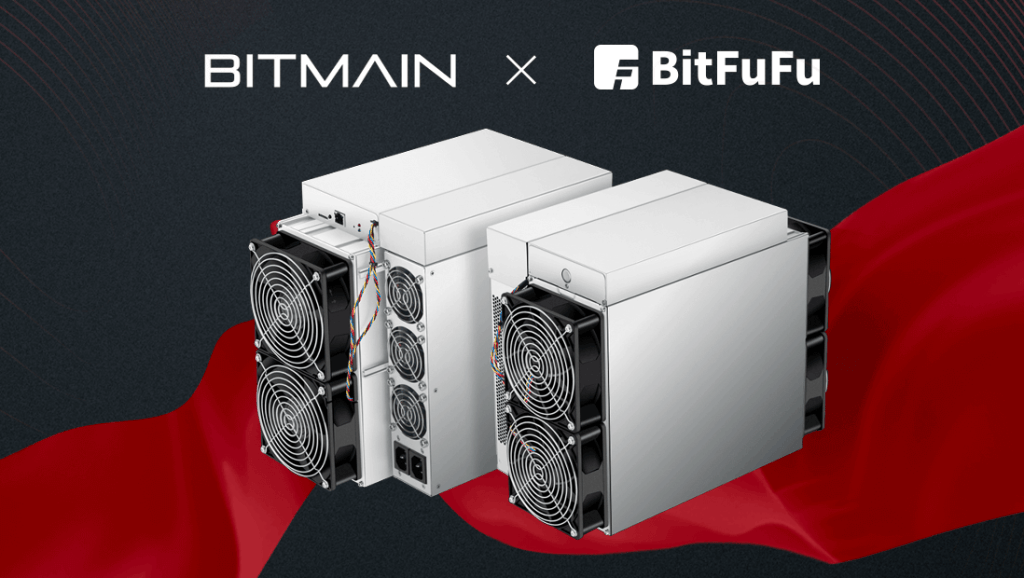
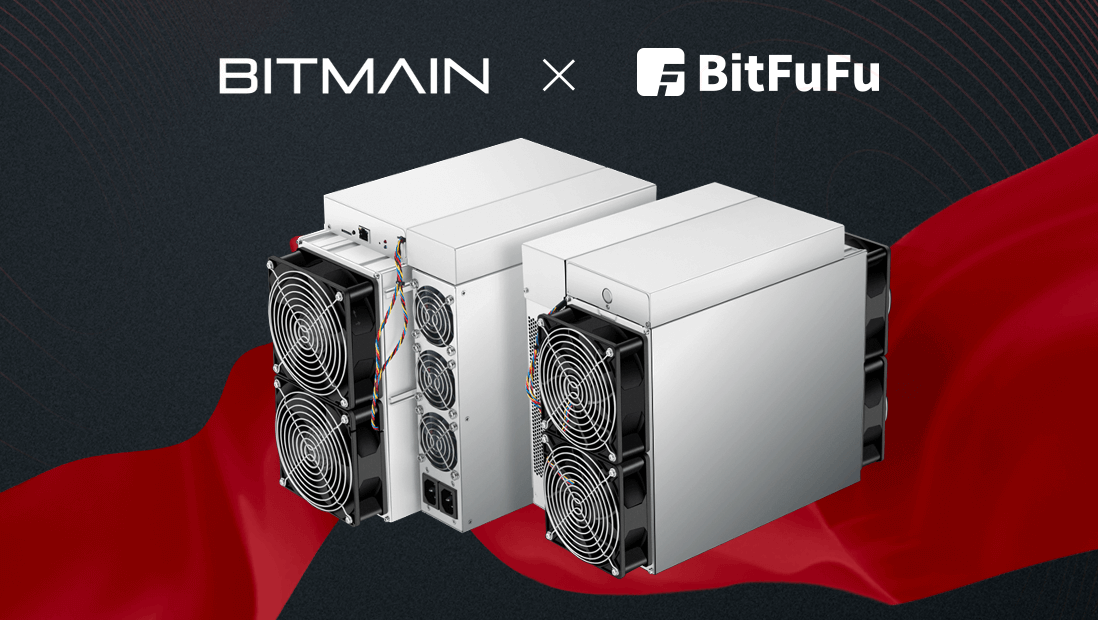
Editor’s Note: The October production, fleet efficiency, hashrate and capacity numbers are BitFuFu’s November 6 unaudited SEC-furnished release; machine specifications come from BITMAIN technical documentation, and the historical deployment follows BitFuFu’s June operating release. The two in-story company graphics are archival media, not evidence of October hardware deployments. No YouTube video identity or playback was verified. BitcoinVersus.Tech is not a financial advisor; financial information is provided for educational purposes.


Leave a Reply