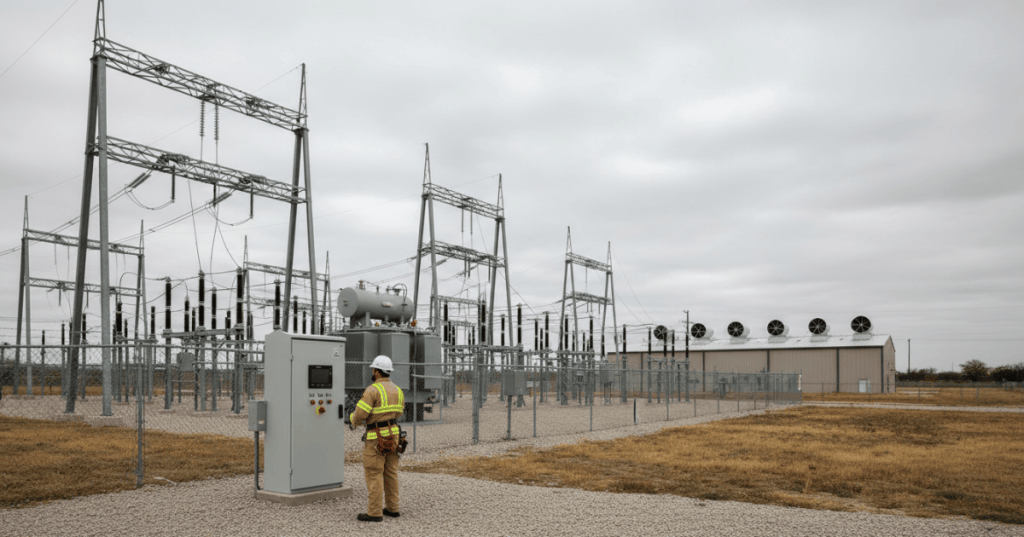
Texas grid operator ERCOT convened a November 6, 2026 workshop on how large electricity customers, including qualifying Bitcoin mining operations, could be ordered to reduce demand during grid emergencies. The official Austin workshop agenda covered which site configurations fall under Senate Bill 6, registration procedures, power-curtailment mechanics and potential wholesale-price effects.
The session followed an October workshop and September ERCOT market notice outlining a proposed operating framework. The latest meeting was a technical review, not evidence that every Texas mine has received a shutdown order or that every implementation rule has been approved.
Not every mining site faces the same curtailment rule
Texas Senate Bill 6, enacted in 2025, created several distinct tools. One concerns new large loads paired through net metering with generating plants already serving the ERCOT system. Under certain approved arrangements, customers may have to reduce consumption so the generator can continue supplying power to the wider grid when needed.
A separate provision addresses covered large loads whose on-site backup generators can supply at least 50% of their demand. Under defined emergency conditions, ERCOT may direct the utility to require qualifying customers to operate backup generation or cut grid demand, subject to the statute’s sequencing and notice requirements. An eligible Bitcoin mine without such a configuration should not automatically be described as subject to the identical requirement.
ERCOT’s proposed Large Load Curtailment Manager is intended to help operators anticipate shortages and coordinate reductions. The November 6 agenda also identifies registration and pricing as implementation questions. Details remain subject to the applicable rulemaking and protocol process.
A separate 75 MW service could reward flexibility
Another provision directs the state to develop a reliability service procuring reductions from loads of at least 75 megawatts. The statute specifies advance notice and excludes certain customers already responding to wholesale prices or participating in other reliability services. The 75 MW demand-management service is distinct from emergency authority tied to backup generation or co-located generation; the thresholds should not be combined into one blanket rule.
Bitcoin mining rigs can throttle or stop hashing relatively quickly, although a power-down has costs. For scale, a hypothetical 100 MW mining site reducing grid draw by 100 MW for three hours would reduce energy consumption by 300 MWh. The calculation describes an example, not a verified ERCOT deployment or a forecast of savings.
Power contracts become an engineering constraint
Existing BitcoinVersus.Tech reporting examined ERCOT’s separate telemetry-offsetting proposal and large-miner grid-model requirements. The November workshop addresses a different operational framework. The site’s earlier four-coincident-peak analysis also concerned transmission charges rather than a blanket emergency shutdown mandate.
For miners, site value depends on power prices, curtailment rights, equipment efficiency and the ability to monetize flexibility. Companies building AI campuses face additional uptime and redundancy requirements. Riot’s long-duration data center lease illustrates why grid access and contractual restrictions now matter far beyond Bitcoin hashrate.
Grid operators, meanwhile, must protect reliable supply without treating available capacity on paper as delivered electricity. ERCOT’s next verifiable milestones are formal rule filings, finalized registration standards, tested dispatch procedures and disclosed operational deployments. A workshop agenda alone does not establish actual curtailed megawatts.
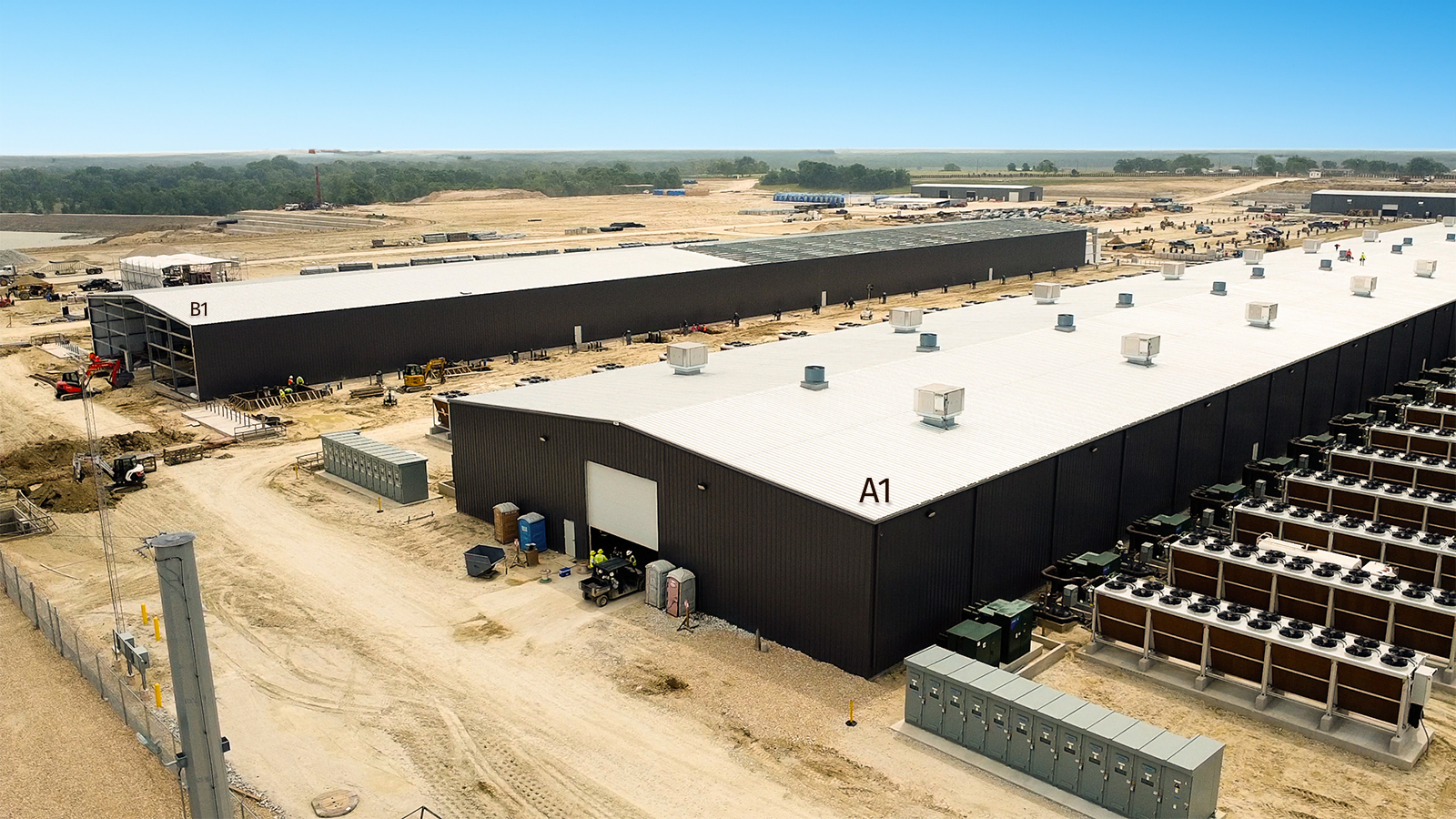
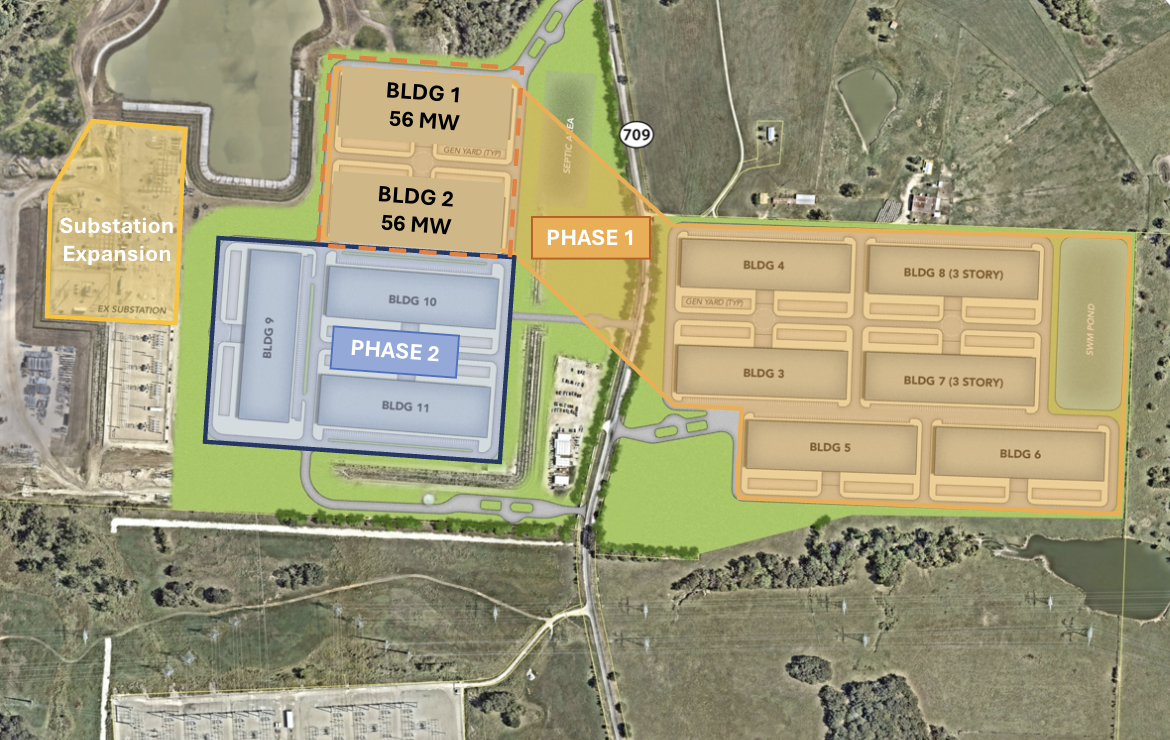
Editor’s Note: Primary sources are ERCOT’s November 6, 2026 workshop agenda, September operations notice, the Texas Senate Bill 6 statutory text and Riot’s September-quarter SEC filing for context on large-load compliance. The 100 MW illustration is an arithmetic example; no November 6 emergency load reduction was verified. Company images show Riot’s earlier Corsicana facility and plan, not workshop activity. The featured 1200 × 630 image is original conceptual editorial artwork. An ERCOT video link was not embedded because public player playback and permissions were not independently confirmed.

To donate 5,000 sats, open the article on a second screen and scan the original QR code with a compatible Bitcoin wallet. Mobile readers whose wallets support importing QR images may save the image to scan. Verify the destination before sending: 3C9o19EH5HSiwEPyCTmEKzxhNCbo2X6TTb.
We volunteer daily to ensure the information on this platform is Verifiably True. If you would like to support the research, please scan QR code.
BitcoinVersus.tech is not a financial advisor. Coverage of energy markets and Bitcoin mining is informational, not investment advice.


Leave a Reply