Artificial Intelligence
-

Mistral Large 4 is a 1-trillion-parameter open-weight AI model with 49 billion active parameters, trained on 3,800 NVIDIA Grace Blackwell GPUs in Europe.
-

SAP is acquiring Belgian AI company TechWolf to bring its workforce ‘context graph’ into SuccessFactors and give enterprise AI agents better data about jobs, tasks and skills.
-

AI training changes a model; inference uses it. Learn how the two phases differ in weights, GPUs, latency, edge deployment, serving, and cost.
-

Anthropic lists frontier AI research-engineering roles as high as $850,000 a year. Stanford’s free CS336 course publishes the roadmap—but one lecture is only the beginning.
-

Reflection AI’s Beam combines 501B total parameters with only 23B active at a time, targeting coding and agentic workloads with an efficiency-first open-weight design.
-

A viral X meme turns NVIDIA CEO Jensen Huang into ‘King Jensen,’ but the joke works because OpenAI, Anthropic and xAI all still depend heavily on NVIDIA-class compute to push frontier AI forward.
-

OpenAI is already testing Sponsored Agents and visual ads while Google is building conversational AI search formats. The giant exclusive logo deals are not public yet, but AI’s advertising wave is no longer hypothetical.
-

OpenAI will begin testing visual ads alongside ChatGPT image generation later this month in the U.S., while keeping sponsored visuals separate from generated images and model answers.
-

OpenAI’s new ChatGPT Space gives teams, files and AI agents a shared workspace, turning persistent context into part of the product instead of a separate workflow.
-
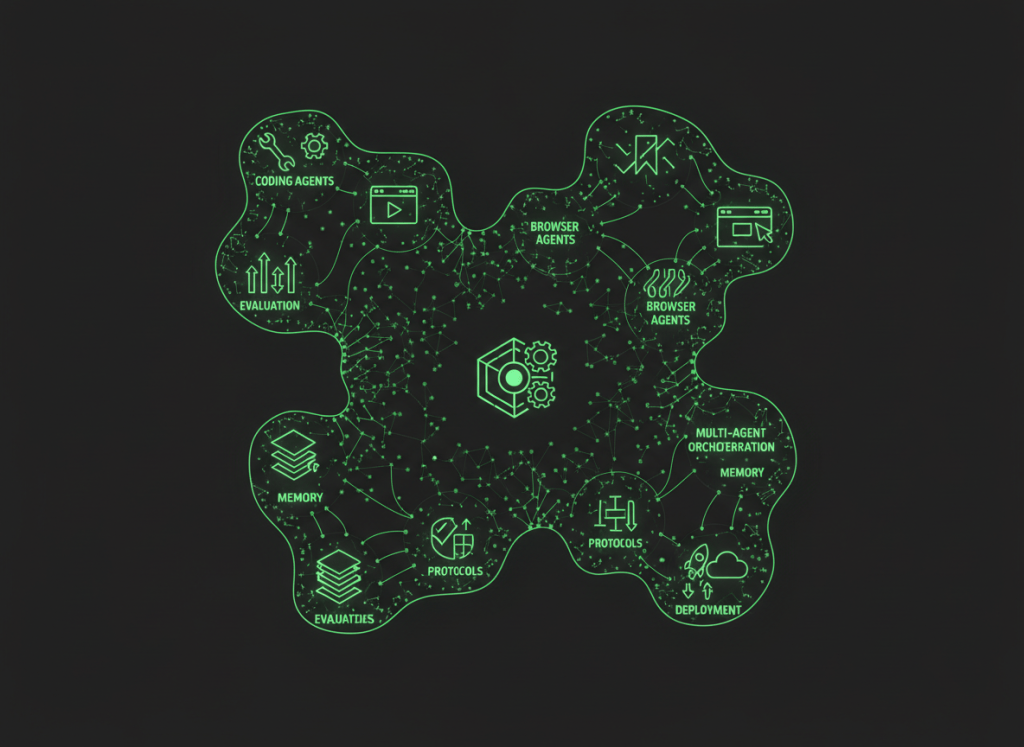
A viral post calls it a 300+ AI-agent leak, but the public GitHub repository now maps 470+ agent frameworks, tools, protocols, benchmarks and infrastructure projects across 32+ categories.
-

Jeff Dean’s February 2026 AI lecture is going viral again for its final question: how does one human manage dozens—or 100—AI agents? The real lesson is orchestration, not just prompting.
-

Anthropic’s new Claude Mods let developers rewrite prompts, intercept tool calls, change permissions and replace UI features inside Claude Code—but the extensions are not sandboxed and run with Claude Code’s machine access.

