Information Technology
-
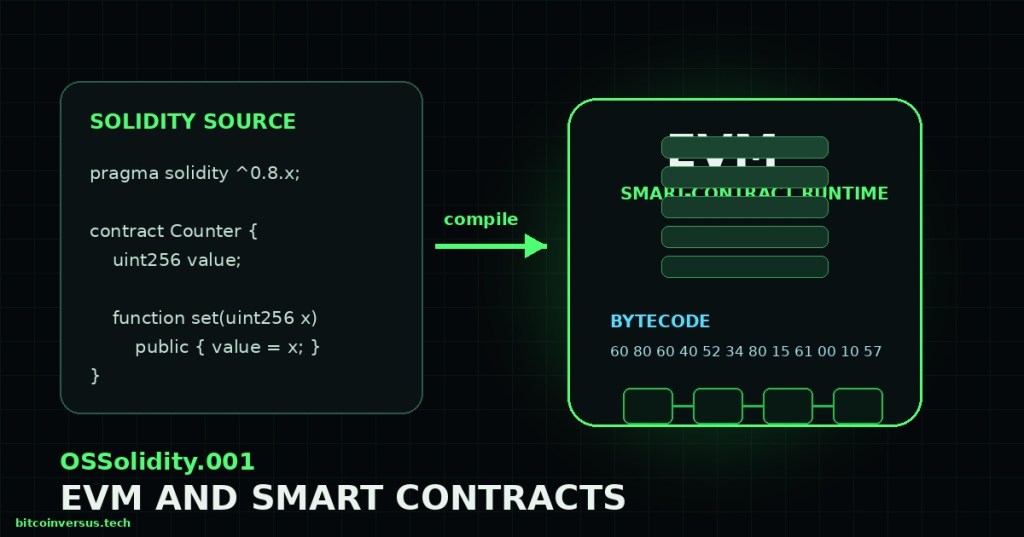
OSSolidity.001 explains the beginner mental model for Solidity: what smart contracts are, what the Ethereum Virtual Machine does, and how Solidity source becomes EVM bytecode that Ethereum nodes execute.
-
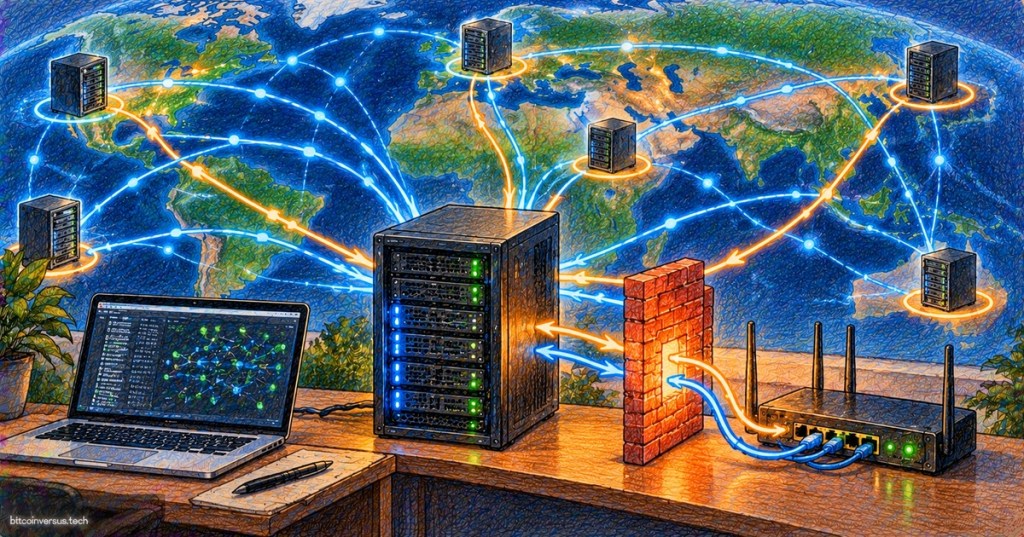
Bitcoin nodes use TCP port 8333 by default to find peers, relay transactions, and spread blocks. Learn how DNS seeds, NAT, port forwarding, firewalls, Tor, IPv6, and Bitcoin Core peer diagnostics fit together.
-
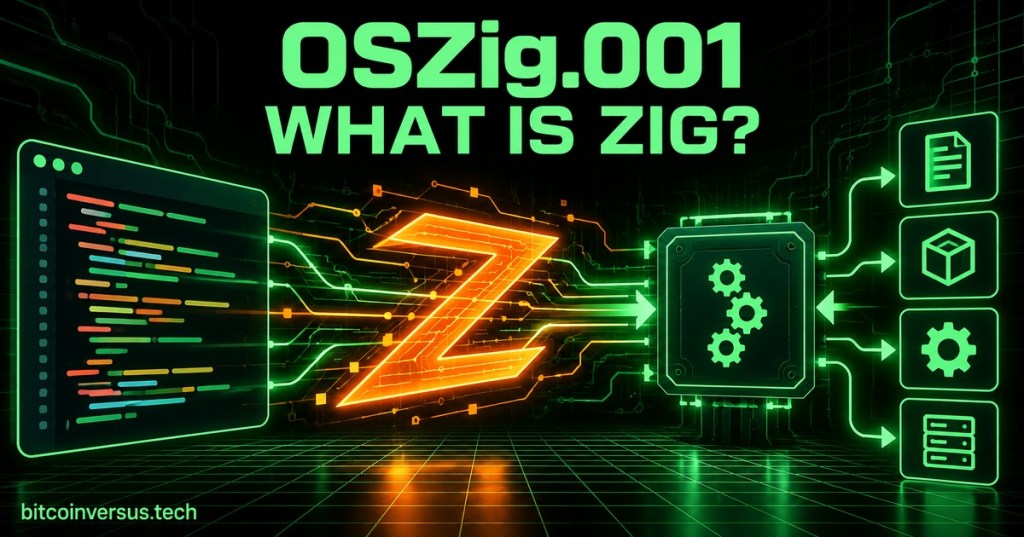
OSZig.001 introduces Zig from first principles: source files, the Zig toolchain, zig init, zig build run, a minimal program, and the path from source code to a native executable.
-
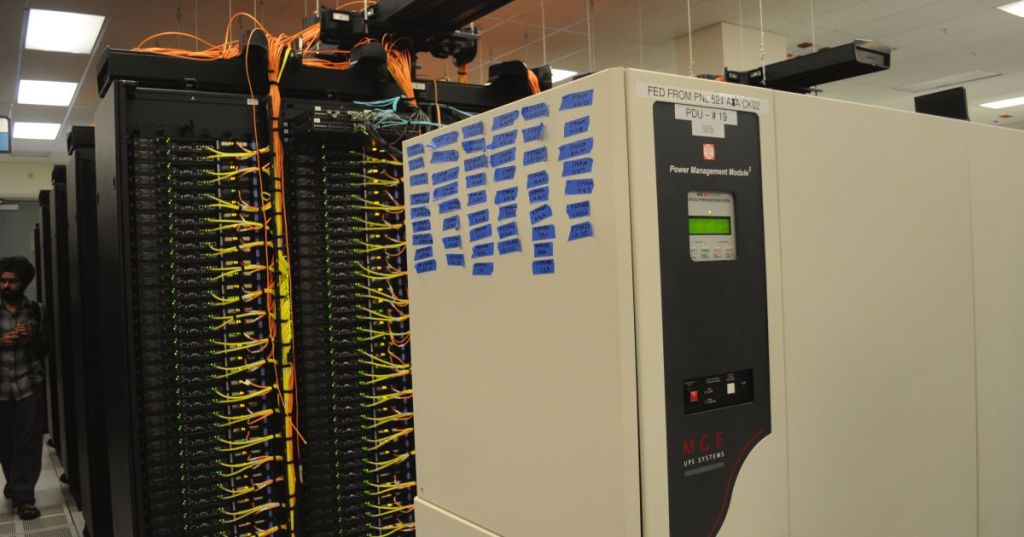
Learn data-center reliability engineering: availability, MTBF, MTTR, failure domains, FMEA, preventive maintenance, MOP/SOP/EOP, change control, root cause analysis, and corrective action.
-
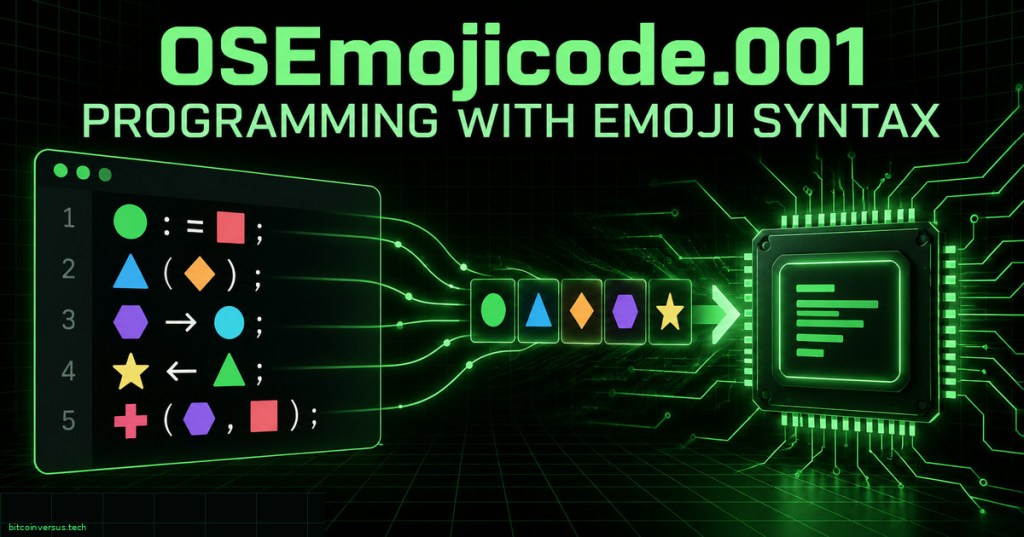
OSEmojicode.001 introduces the Emojicode programming language, showing how emoji tokens represent familiar ideas such as an entry point, blocks, output, strings, and typed program structure.
-
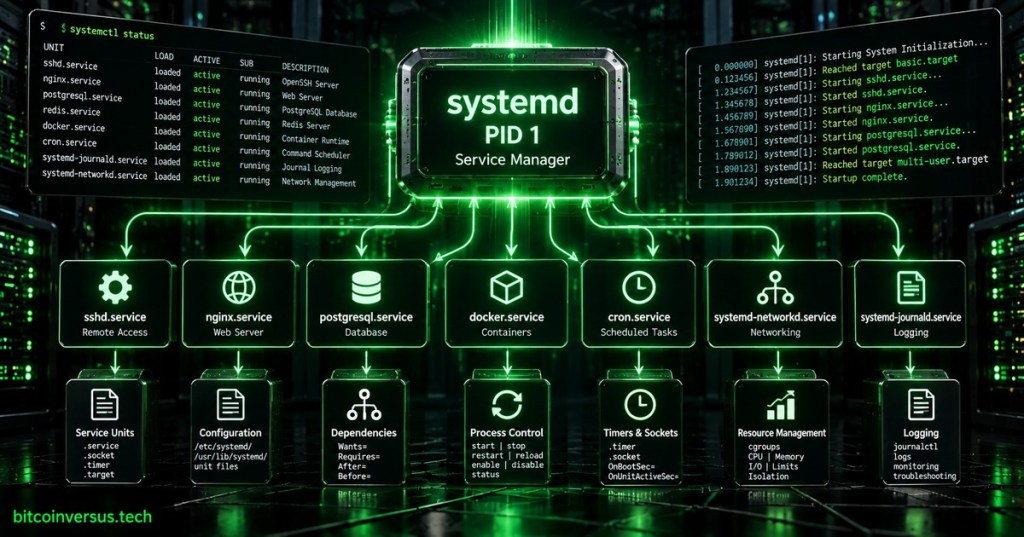
systemd is the PID 1 service manager on many Linux systems. Here’s how units, services, systemctl, journalctl, dependencies, timers, and boot targets fit together.
-
Bitcoin nodes use TCP port 8333 to find peers, relay transactions and blocks, and synchronize the blockchain. Learn how DNS seeds, version/verack, inbound vs. outbound peers, NAT, port forwarding, Bitcoin Core RPC, and P2P v2 transport fit together.
-
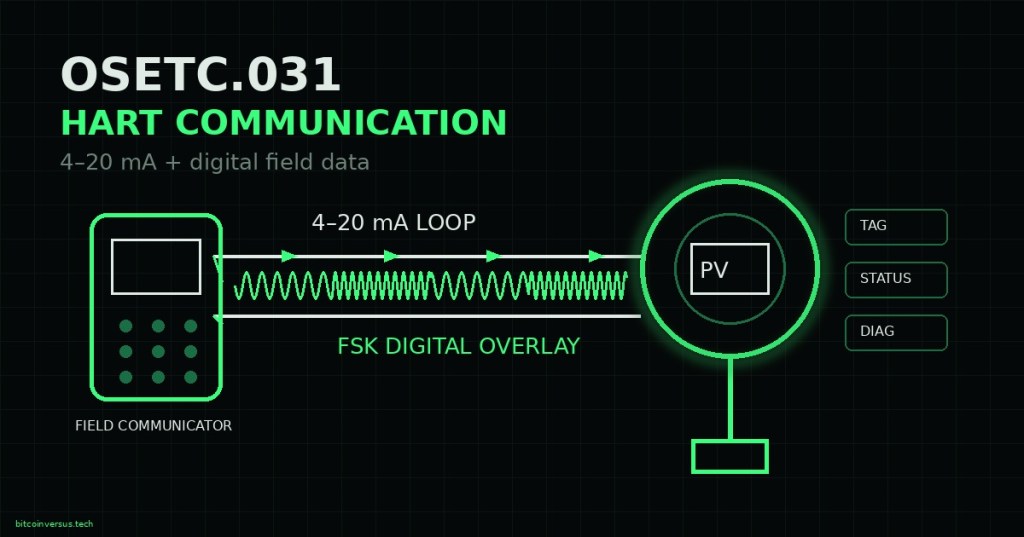
OSETC.031 explains HART communication over 4–20 mA loops, FSK signaling, field communicators, device data, loop connections, and basic HART troubleshooting.
-

Network Time Protocol keeps computers, servers, switches, and applications synchronized. Learn how NTP strata, UDP port 123, clock offset, chrony, UTC, Kerberos, TLS, and troubleshooting fit together.
-
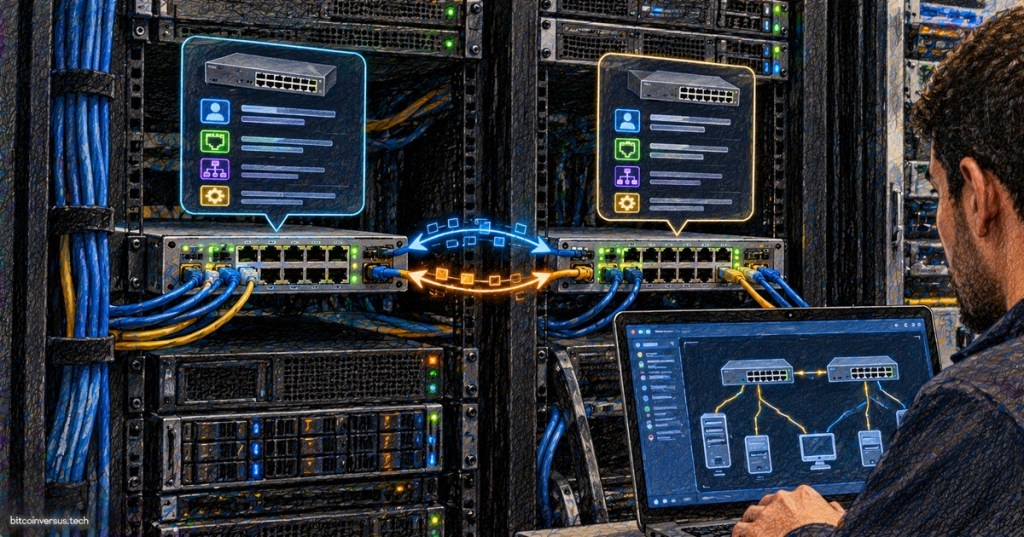
LLDP lets switches, routers, servers, phones, and other network devices advertise their identity and port information to directly connected neighbors. Here is how it works and why technicians use it.
-
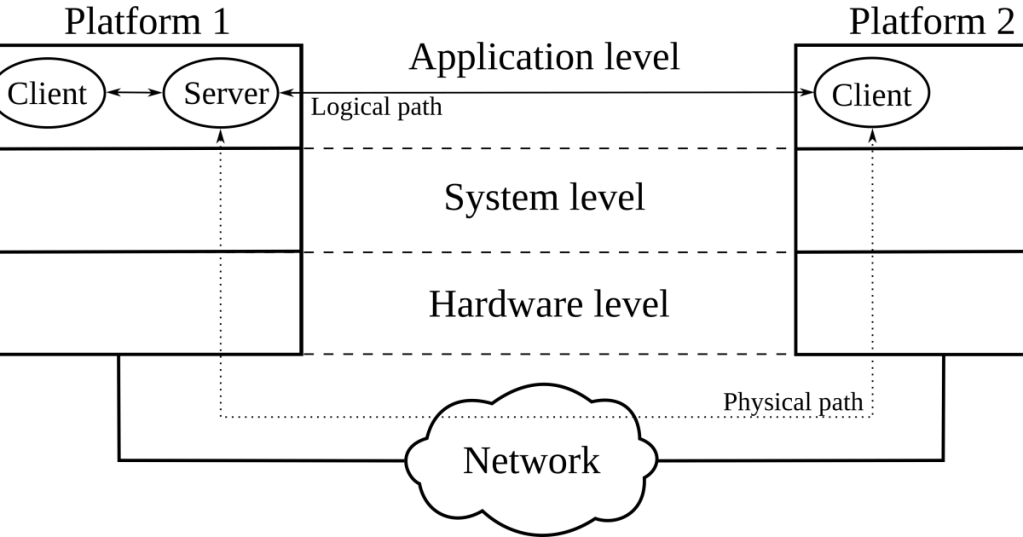
What is a network socket? Learn how applications use socket(), bind(), listen(), accept(), connect(), IP addresses, ports, TCP, UDP, file descriptors, buffers, and Linux ss.
-
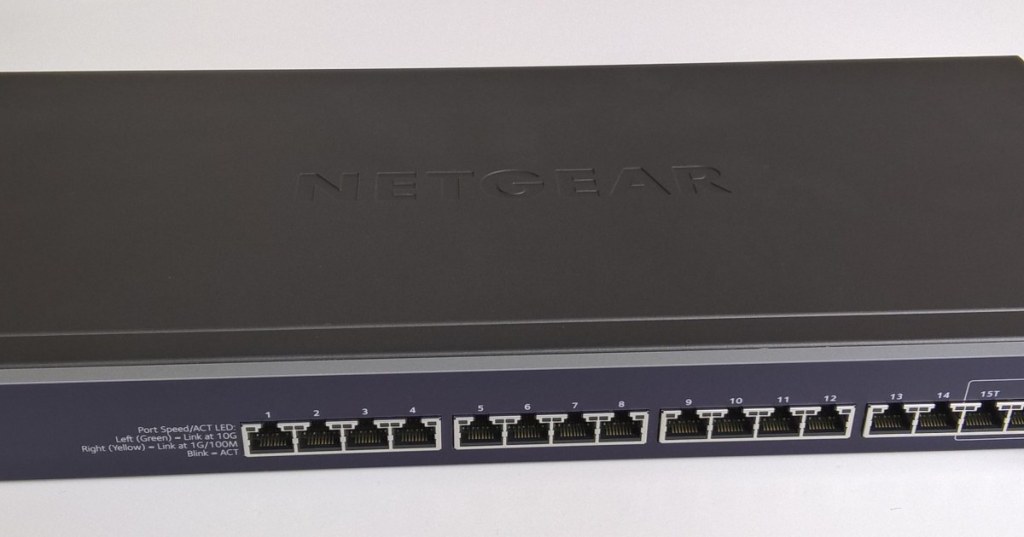
Managed vs unmanaged switches explained: VLANs, SNMP, STP, QoS, security, PoE, monitoring, troubleshooting, smart switches, and when simple plug-and-play is enough.

