Information Technology
-
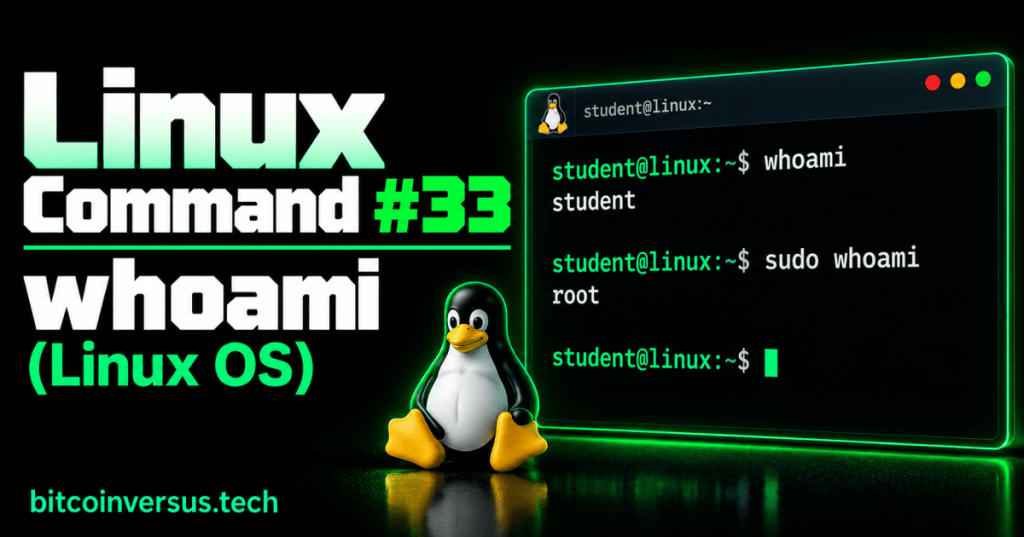
The Linux whoami command tells you which user account the current command is running as. It is one of the simplest Linux commands, but it is useful when troubleshooting permissions, working over SSH, using sudo, or checking which account a script is using. Basic Syntax If your current effective user is student, the command prints:…
-
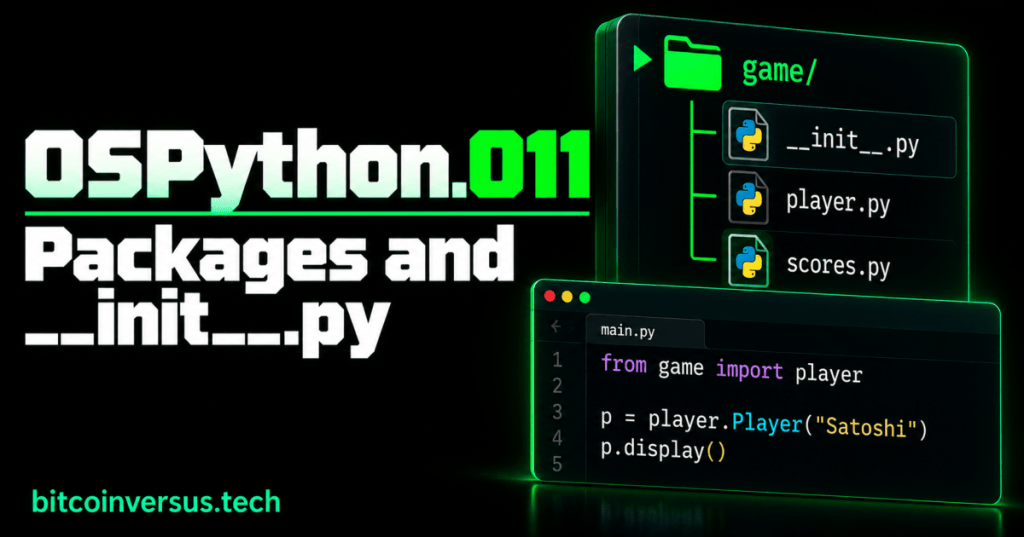
A Python package is a way to organize related modules together. Think of a package as a folder for Python code that belongs to the same part of a project. This lesson follows OSPython.008 on modules/imports, OSPython.009 on virtual environments, and OSPython.010: pip and Package Installation. Now we will build a tiny package of our…
-
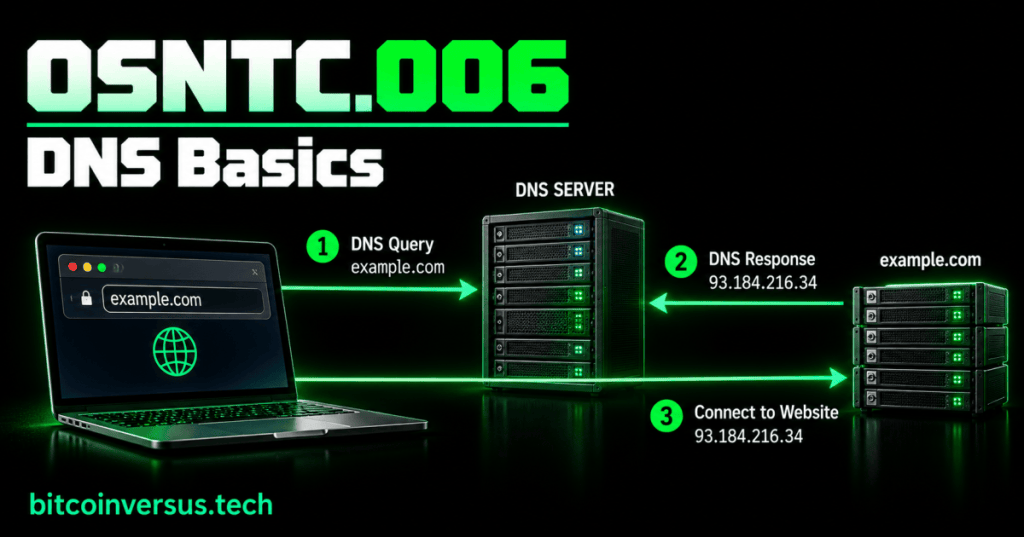
DNS stands for Domain Name System. Its basic job is to help devices turn easy-to-remember names such as example.com into IP addresses that computers can use to communicate. This lesson follows OSNTC.005: DHCP Basics. DHCP can give a device its network settings, including DNS-server addresses. DNS then helps that device find services by name. Names…
-
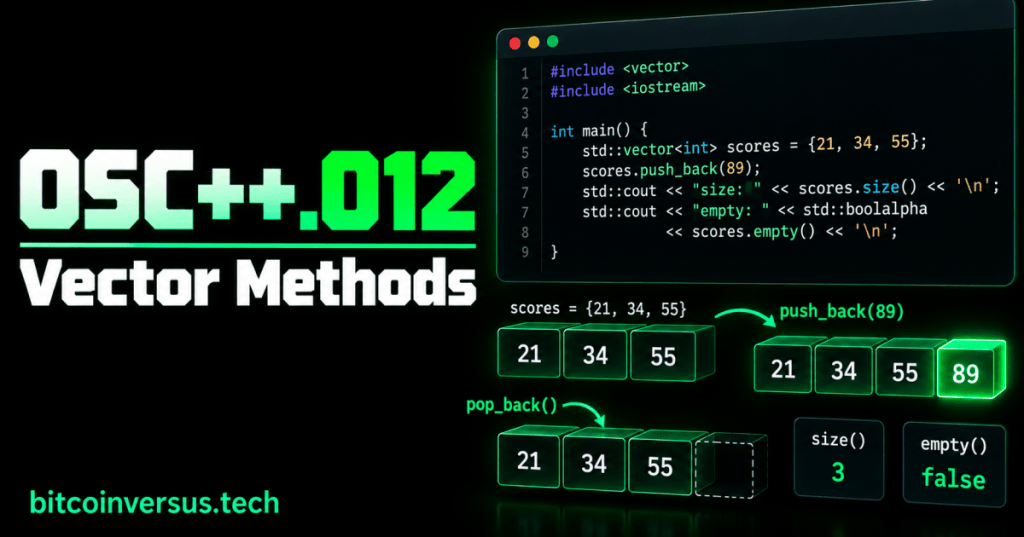
A C++ vector is a container that can hold multiple values. In OSC++.010, we introduced vectors. In OSC++.011, we looped through them. Now we will learn four simple vector methods that let us add, remove, count, and check items. Start With a Vector Our vector is named scores. It currently contains three numbers. push_back(): Add…
-

Grounding and bonding are related electrical-safety concepts, but they are not the same thing. Grounding connects an electrical system or equipment to earth or another grounding reference. Bonding electrically connects conductive parts so they remain at substantially the same potential and provide electrical continuity. This lesson follows OSETC.011: Lockout/Tagout and Energy Isolation. It is a…
-
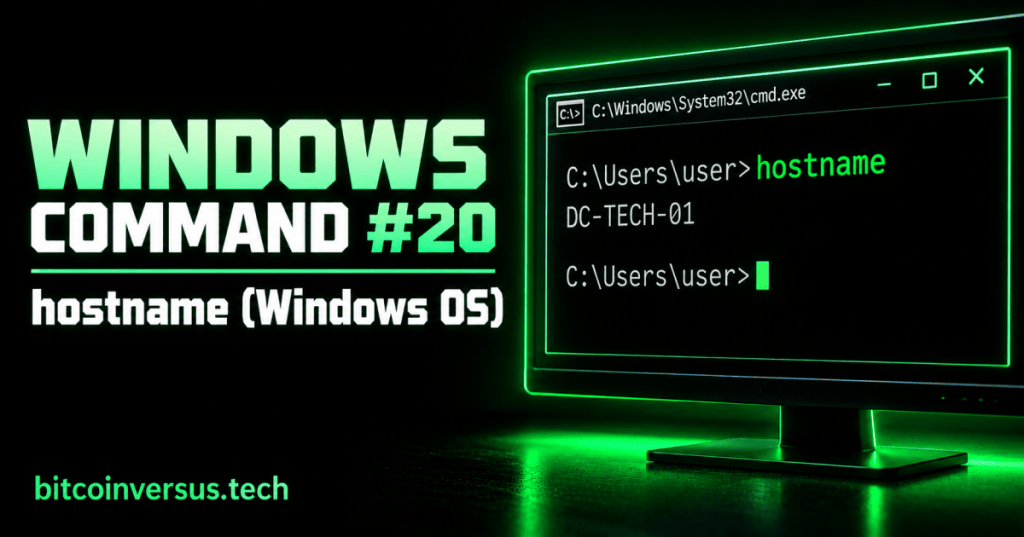
The Windows hostname command answers a very simple but important technician question: what is this computer called on the network? This lesson follows Windows Command #19 – arp (Windows OS). Run hostname A computer might return: That text is the computer’s host name. Windows uses computer names to help identify machines, and technicians often need…
-
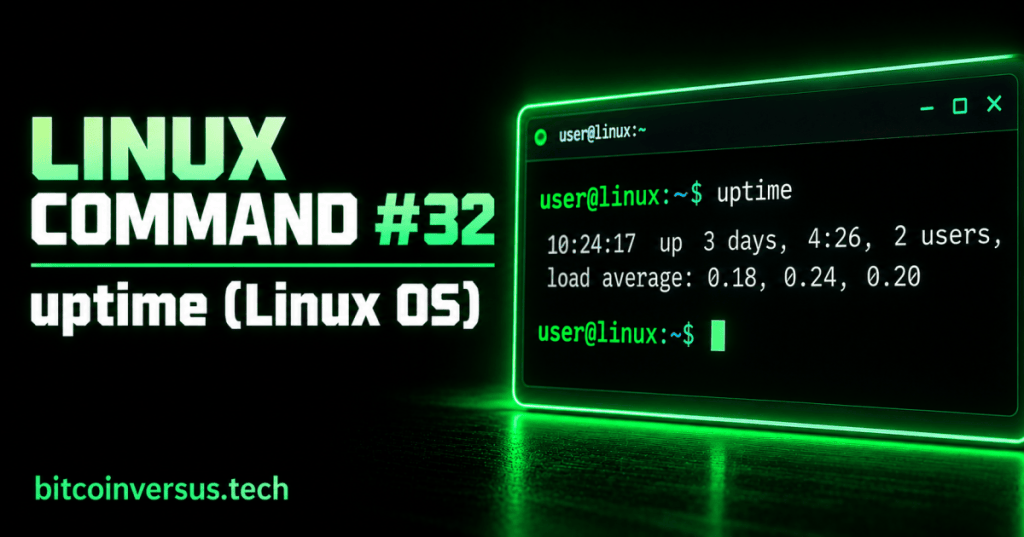
The Linux uptime command gives you a quick answer to a basic technician question: how long has this computer been running? It also shows how many users are signed in and a short view of system load. This follows Linux Command #31 – stat (Linux OS). Run the Command A computer might respond with something…
-
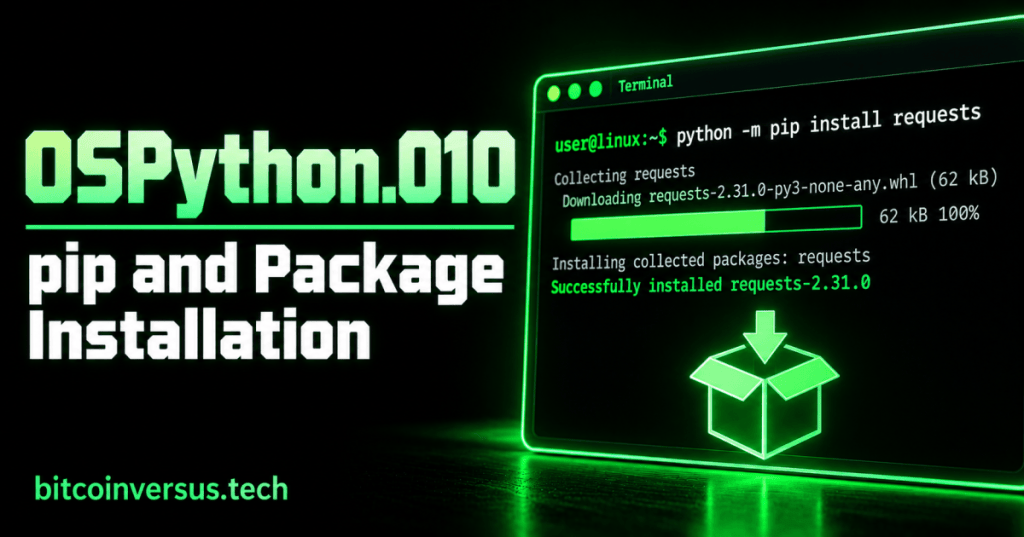
Python includes many useful tools, but sometimes your program needs something that is not included with Python itself. pip is the standard package installer used to add Python packages to your environment. This lesson follows OSPython.009: Virtual Environments. A virtual environment gives a project its own space; pip lets you install the packages that project…
-
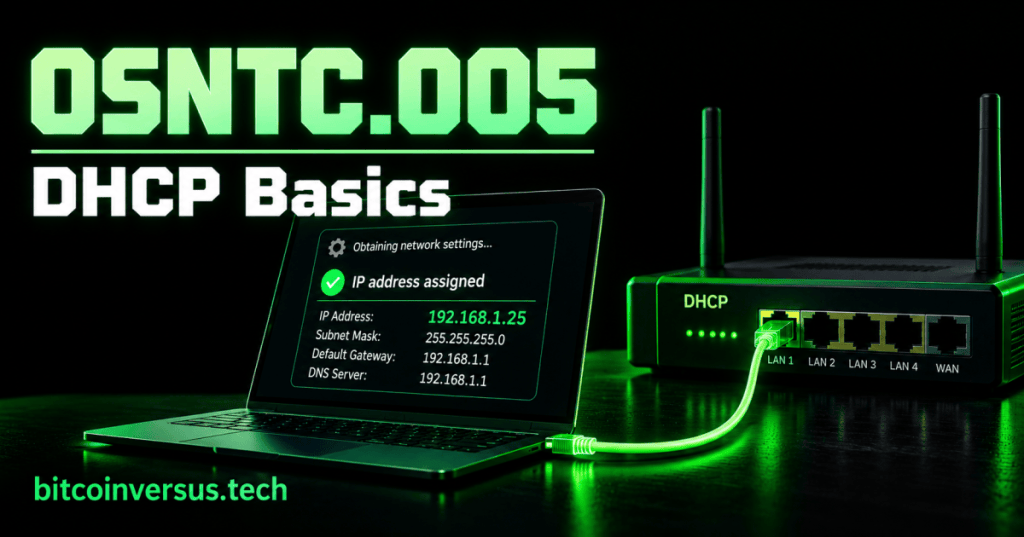
DHCP stands for Dynamic Host Configuration Protocol. Its basic job is simple: DHCP automatically gives a device the network settings it needs instead of making a technician type every setting by hand. This lesson builds on OSNTC.001: IP Addresses, OSNTC.002: Subnet Masks, OSNTC.003: Default Gateway, and OSNTC.004: VLAN Basics. A Simple Example You connect a…
-
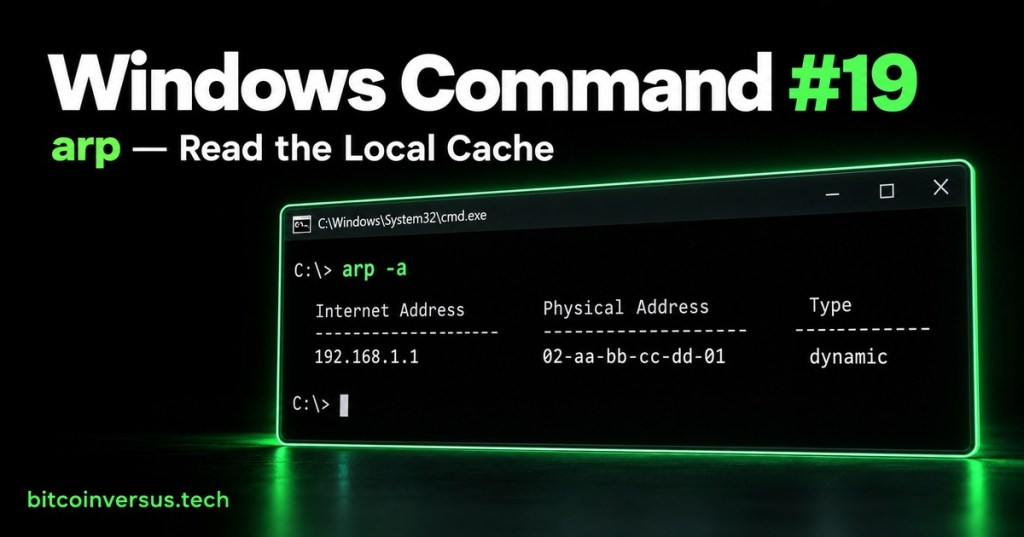
Read the Windows ARP cache, identify local IPv4-to-MAC mappings, and inspect your default gateway with a simple practice exercise.
-

Fortinet builds purpose-designed Application-Specific Integrated Circuits, or ASICs, into FortiGate firewalls to accelerate networking and cybersecurity workloads that would otherwise consume resources on a general-purpose CPU. Fortinet refers to these chips collectively as Security Processing Units, or SPUs. Rather than forcing the main processor to handle every packet, encryption operation, security inspection and forwarding decision…
-
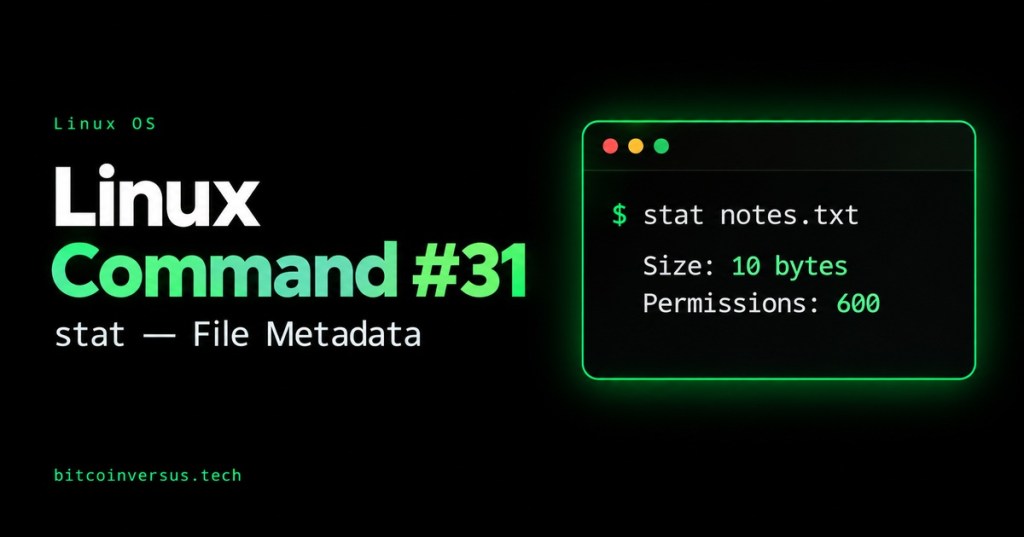
Learn to inspect file size, permissions, and timestamps with Linux stat, then practice changing a file’s permissions and contents.

