Tech Docs
-

Atari’s classic 1983 800XL is returning as a full-size $219.99 recreation with a mechanical keyboard, working cartridge slot, HDMI, USB loading, 25 built-in games, save states, rewind and Atari BASIC.
-
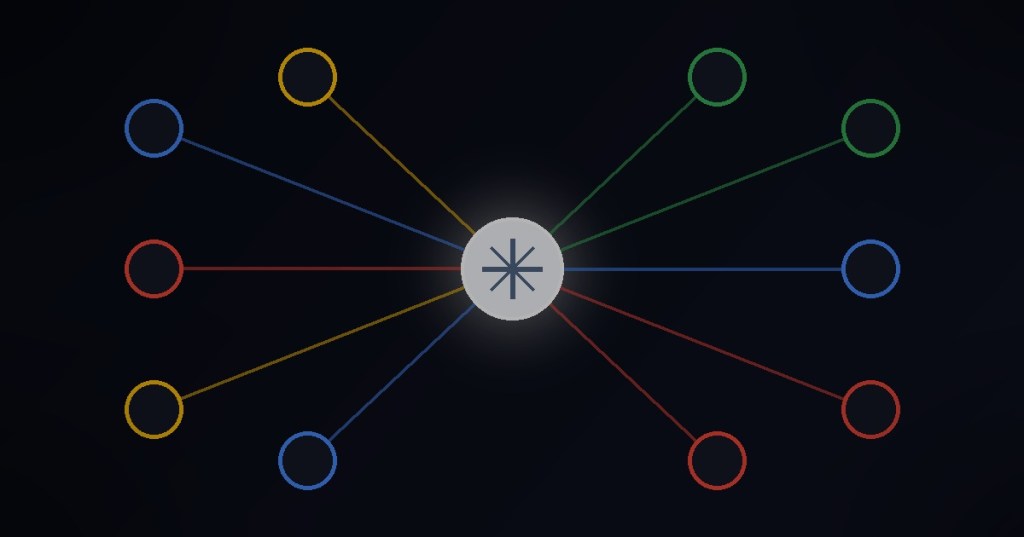
Google Cloud’s new Gemini agent can plan work, use tools, run code, operate across Workspace and third-party systems, coordinate sub-agents, and even receive its own enterprise identity, email and calendar.
-
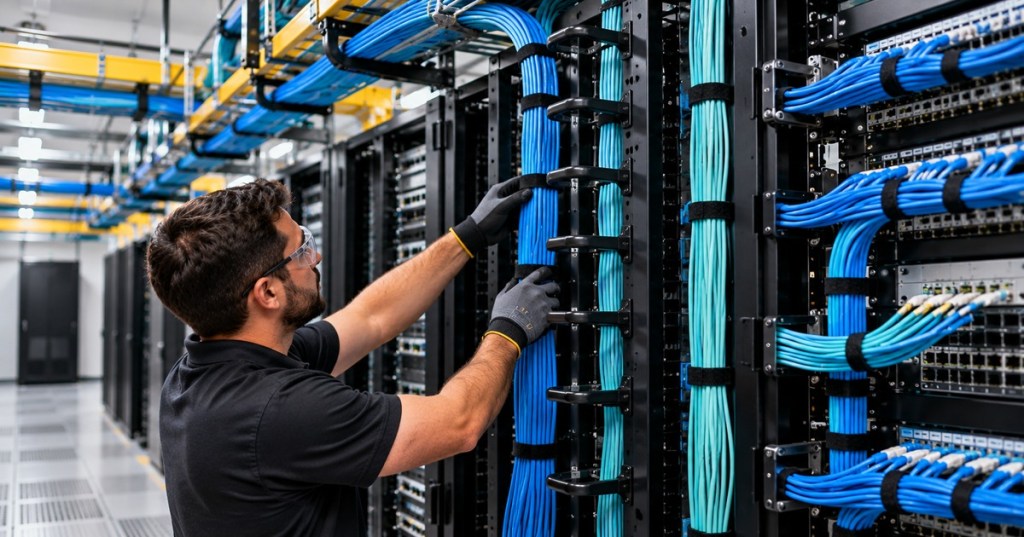
Cable strain relief keeps gravity, movement, and bundle weight off ports, connectors, jackets, and terminations. Here is how J-hooks, vertical managers, lacing bars, Velcro, grips, and service loops protect fiber and Ethernet.
-
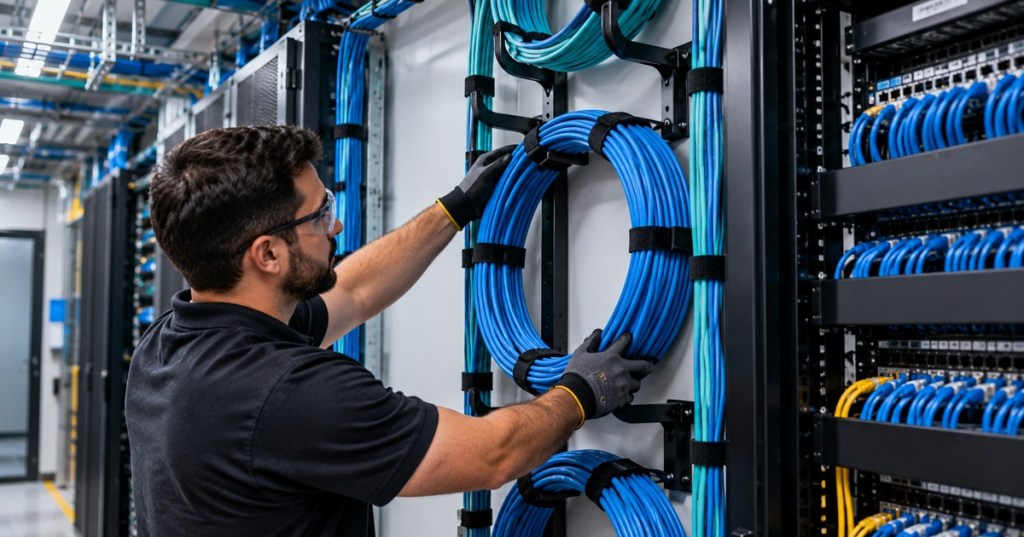
Service loops are intentional cable slack for maintenance, moves, retermination, and repairs. Here is how to store fiber and Ethernet slack without violating bend radius, blocking airflow, or creating a tangled rack.
-
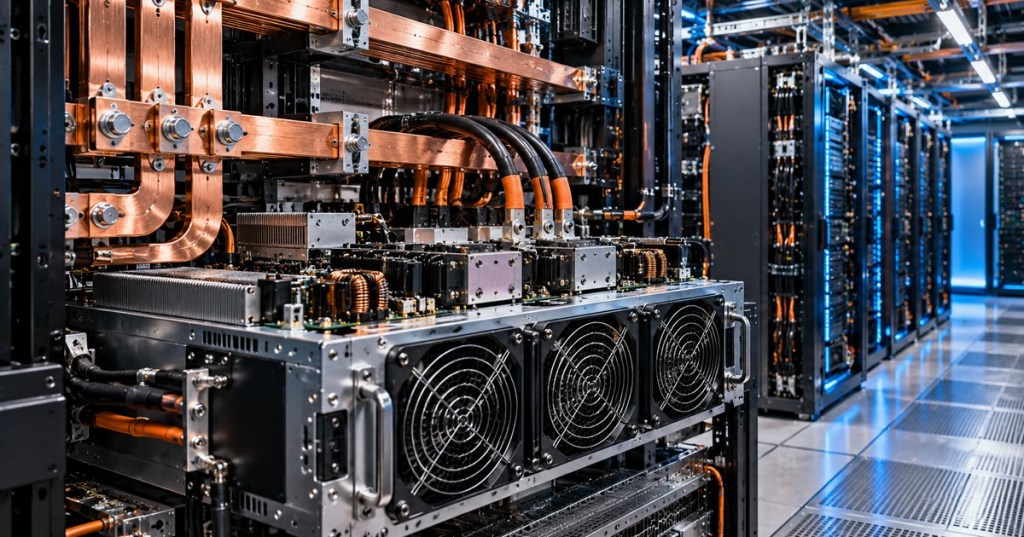
Infineon’s new 27 kW three-phase AI server PSU reference design tops 98% peak efficiency, reaches 116 W/in³, adds a 20 ms energy buffer, and targets the shift toward 800 VDC and ±400 VDC rack architectures.
-
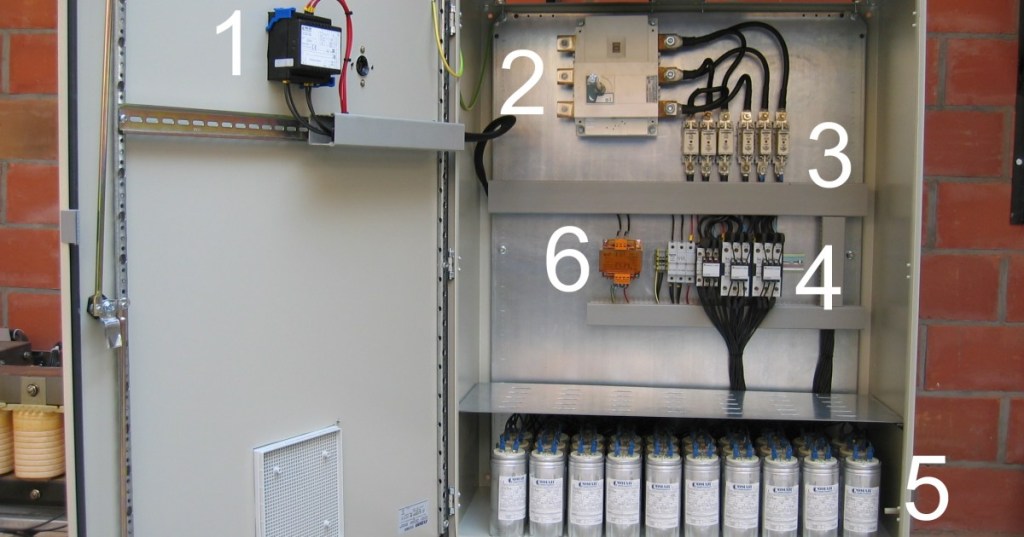
OSEEC.016 teaches power factor correction engineering: kVAR sizing, capacitor banks, automatic steps, overcorrection, harmonics, detuned reactors, and commissioning measurements.
-
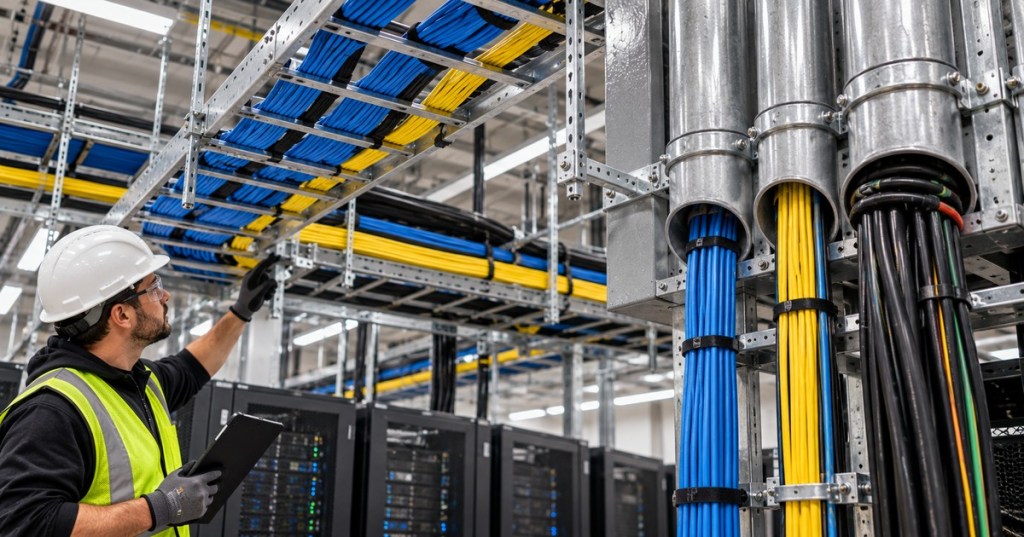
Conduit fill and cable-tray fill are related but not interchangeable. Here is how the 53%/31%/40% raceway rules differ from telecom pathway planning, future capacity, PoE heat, and tray loading.
-
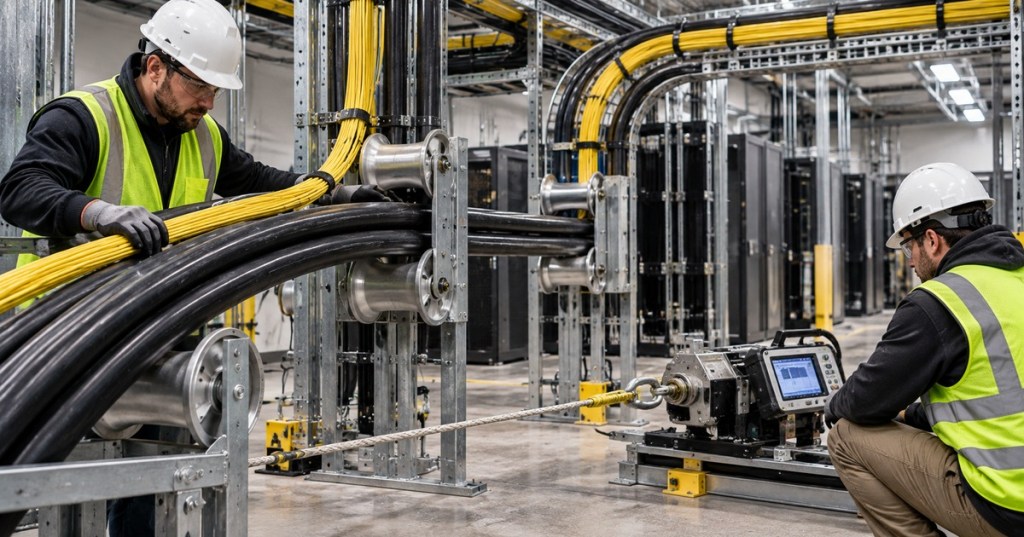
Pulling tension, sidewall pressure, friction, rollers, cable grips and pull direction can damage fiber, Ethernet and power cable before the link is ever tested.
-
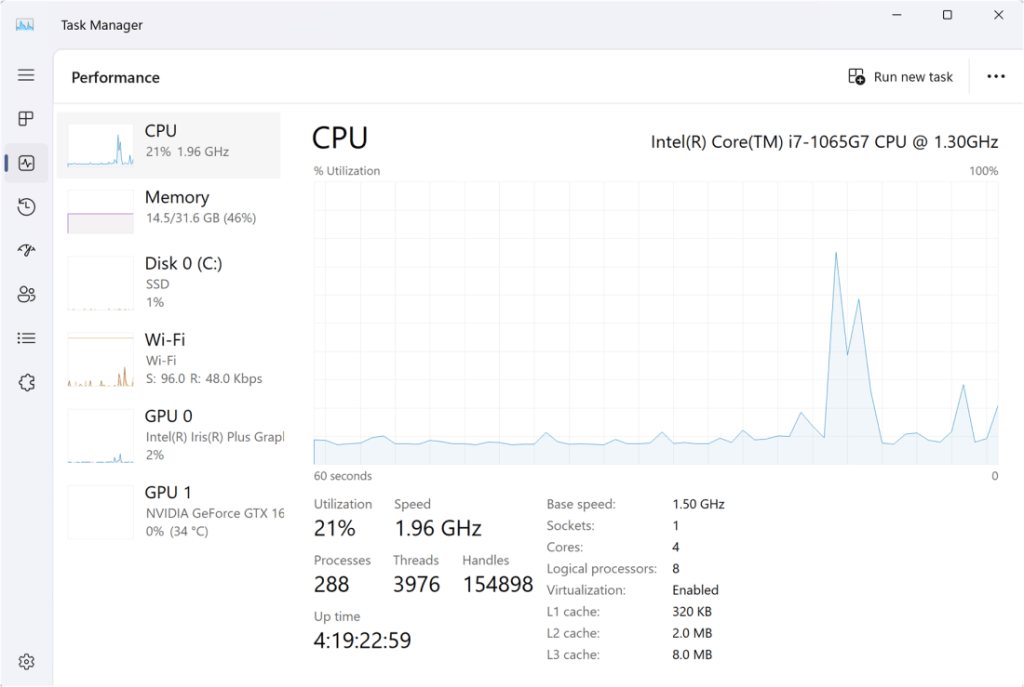
OSITC.003 teaches Windows process troubleshooting with Task Manager, PIDs, CPU and memory sorting, tasklist, safe process termination, and Sysinternals Process Explorer.
-
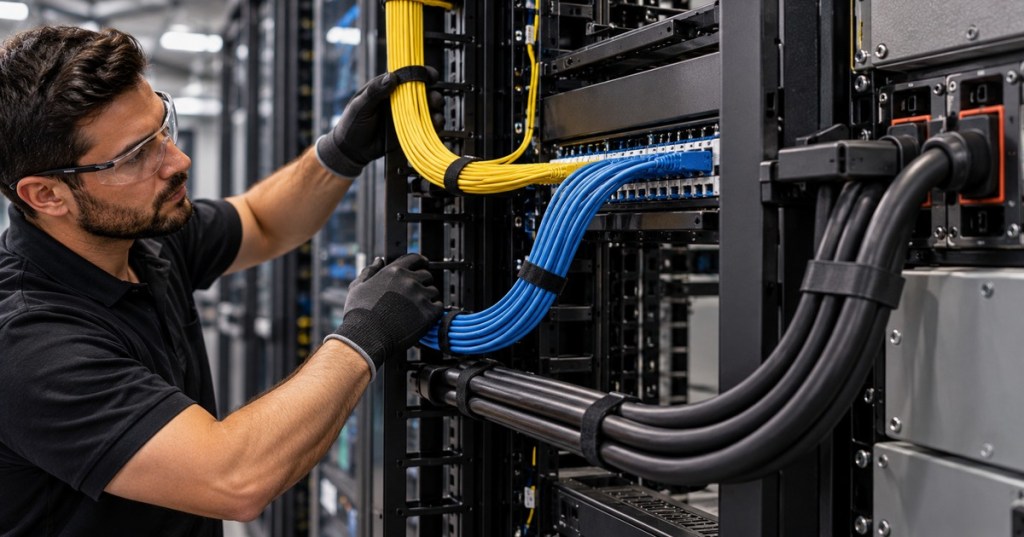
Cable bend radius is not one universal number. Fiber, Cat 6 Ethernet, and power cable can require very different curves depending on construction, diameter, pulling tension, voltage, and manufacturer specifications.
-
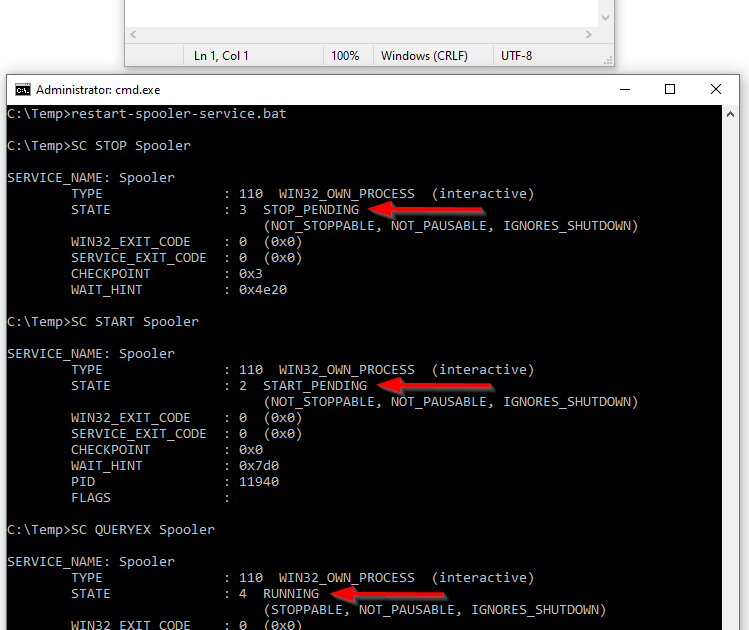
Windows Command #36 explains sc stop: stopping Windows services, STOP_PENDING vs STOPPED, service names, sc.exe in PowerShell, verification, and safe troubleshooting.
-

Candidates say take-home projects are stretching from short work samples into 10-, 20-, even 50-hour assignments. Here is where a useful skills test ends and unpaid interview work begins.

