Tech Docs
-
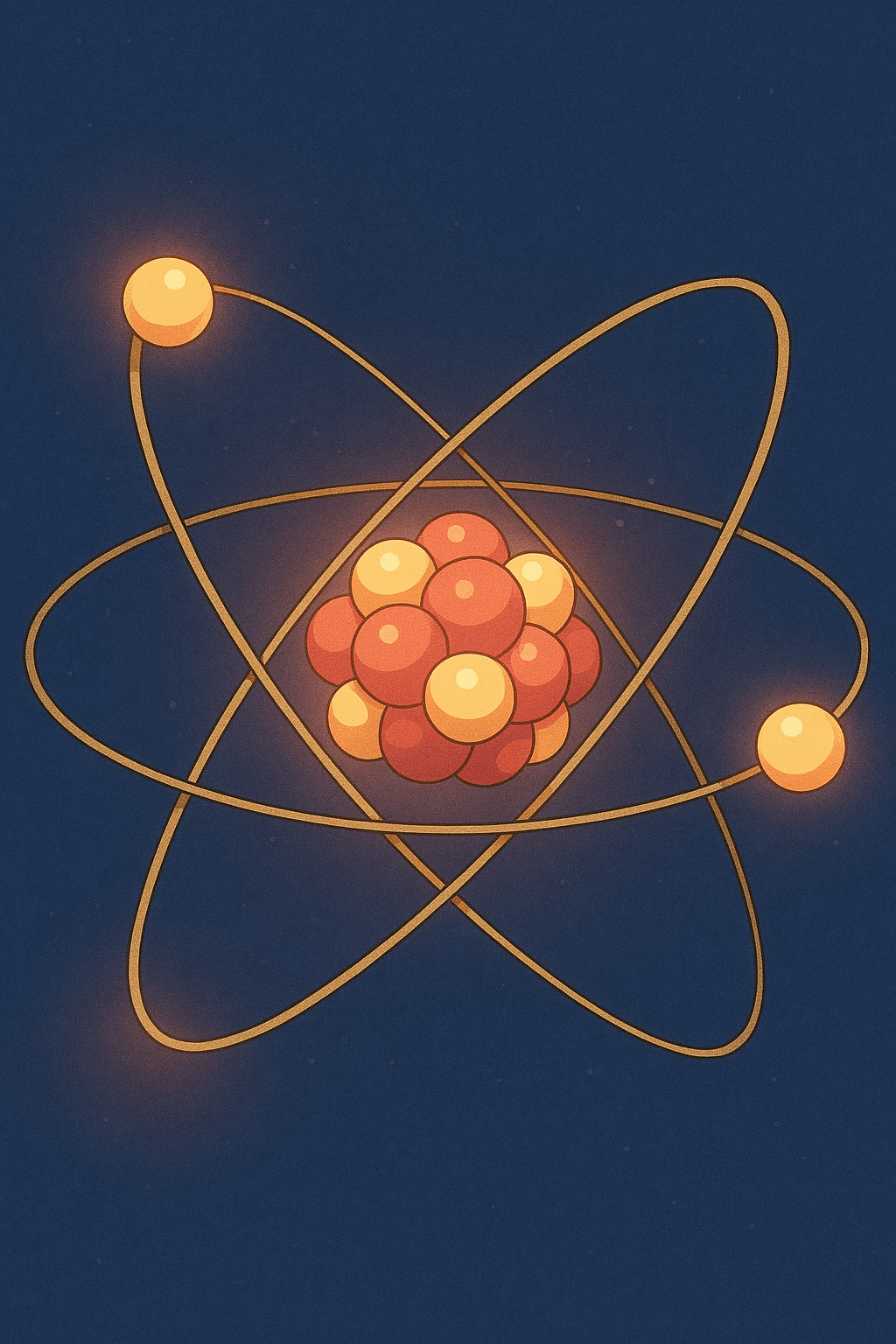
A lattice atom refers to an atom that occupies a regular, repeating position within the crystal lattice of a solid material. In crystalline solids, atoms are arranged in a highly ordered structure known as a lattice, where each atom is situated at a specific point defined by the geometry of the unit cell. These lattice…
-
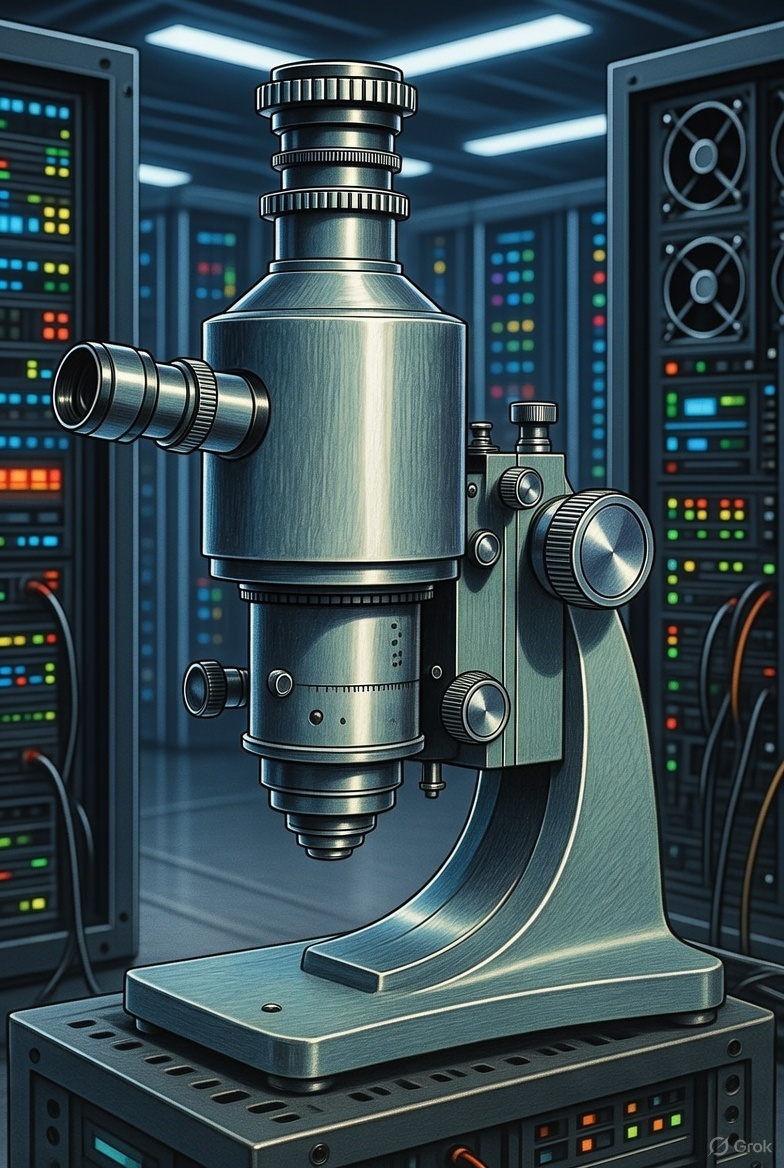
Wavelength Dispersive Spectroscopy (WDS) is an analytical technique used in electron microscopy to determine the elemental composition of materials with high precision. In WDS, characteristic X-rays emitted from a sample are diffracted by a crystal and separated based on their wavelength before being detected. This method provides excellent spectral resolution, allowing researchers to distinguish between…
-
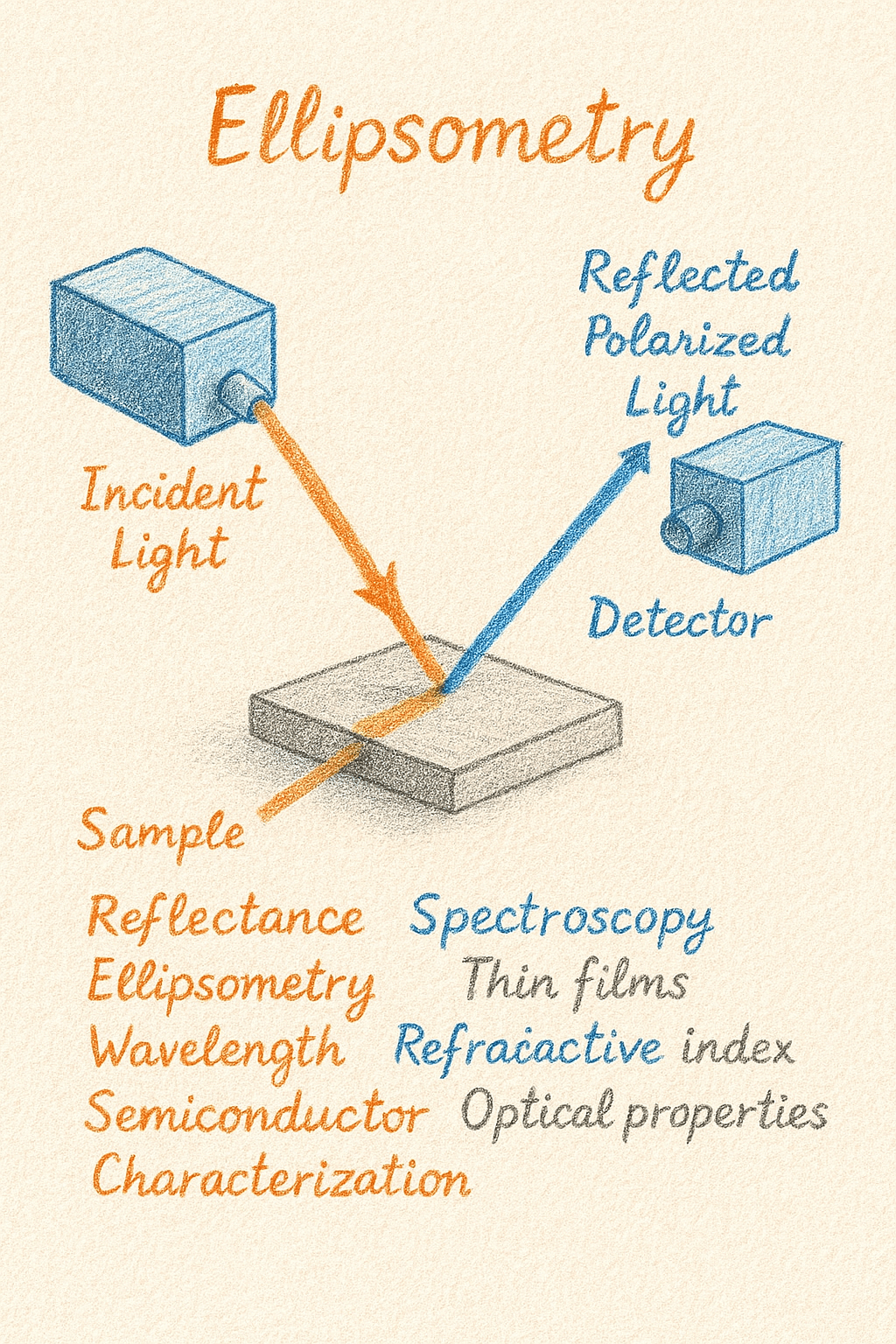
Ellipsometry is an advanced optical technique used to characterize thin films and surfaces by analyzing changes in the polarization of light upon reflection or transmission. In practice, a beam of polarized light is directed at a material, and the reflected or transmitted light undergoes a change in polarization that is measured as two parameters: the…
-

How do you anticipate failure? How can one prepare for something bad that’s going to happen, but you just don’t know when? A spiritual shield is a healthy start. But what does that spiritual shield look like on the ground in real life? Perhaps your spiritual shield on the ground looks like an if-then, sequential…
-
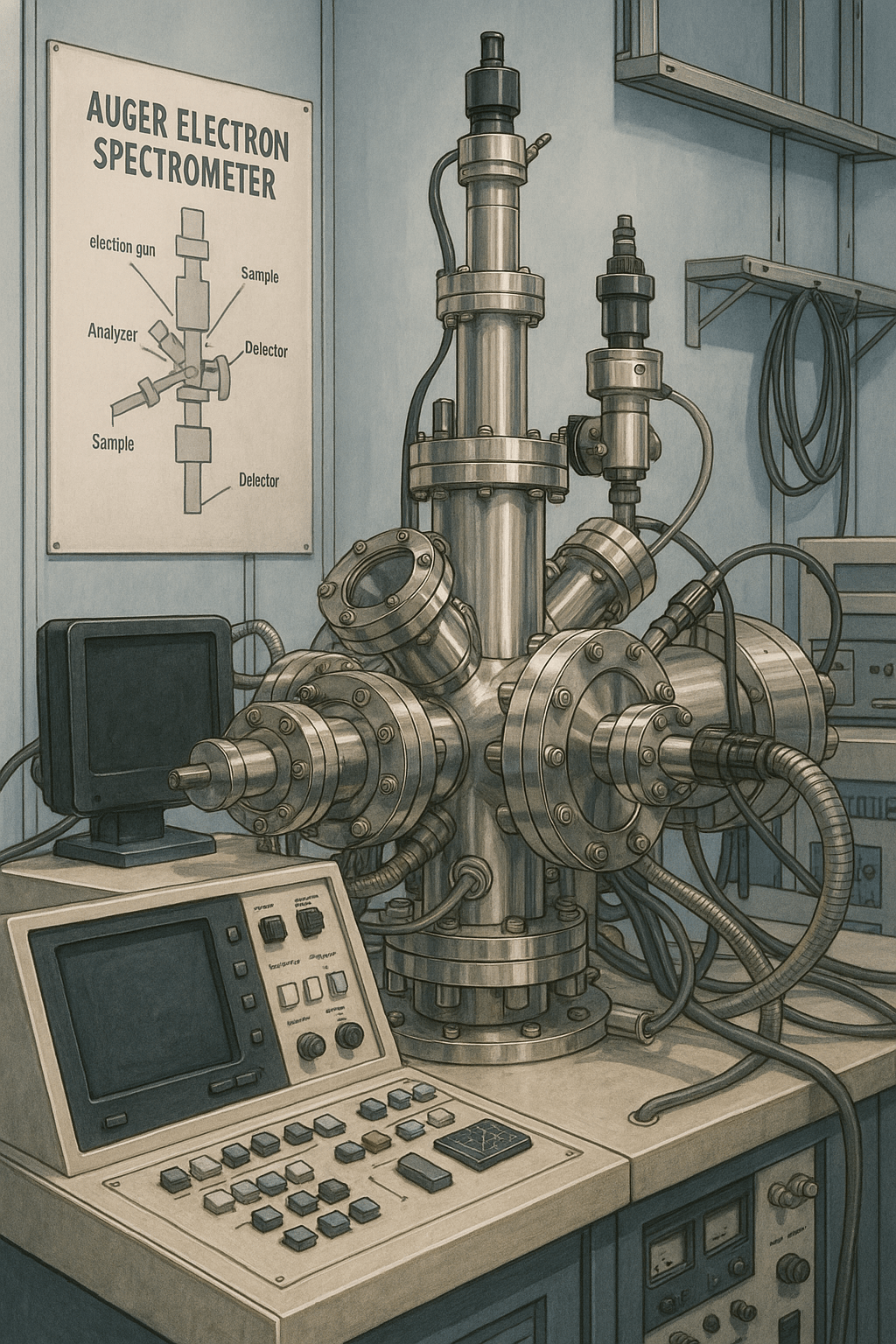
Auger electron emission is a physical process that occurs when an atom with a vacancy in one of its inner electron shells undergoes relaxation. After the removal of a core electron—typically by an incident high-energy electron or X-ray photon—an electron from a higher energy level drops down to fill the vacancy. The excess energy released…
-
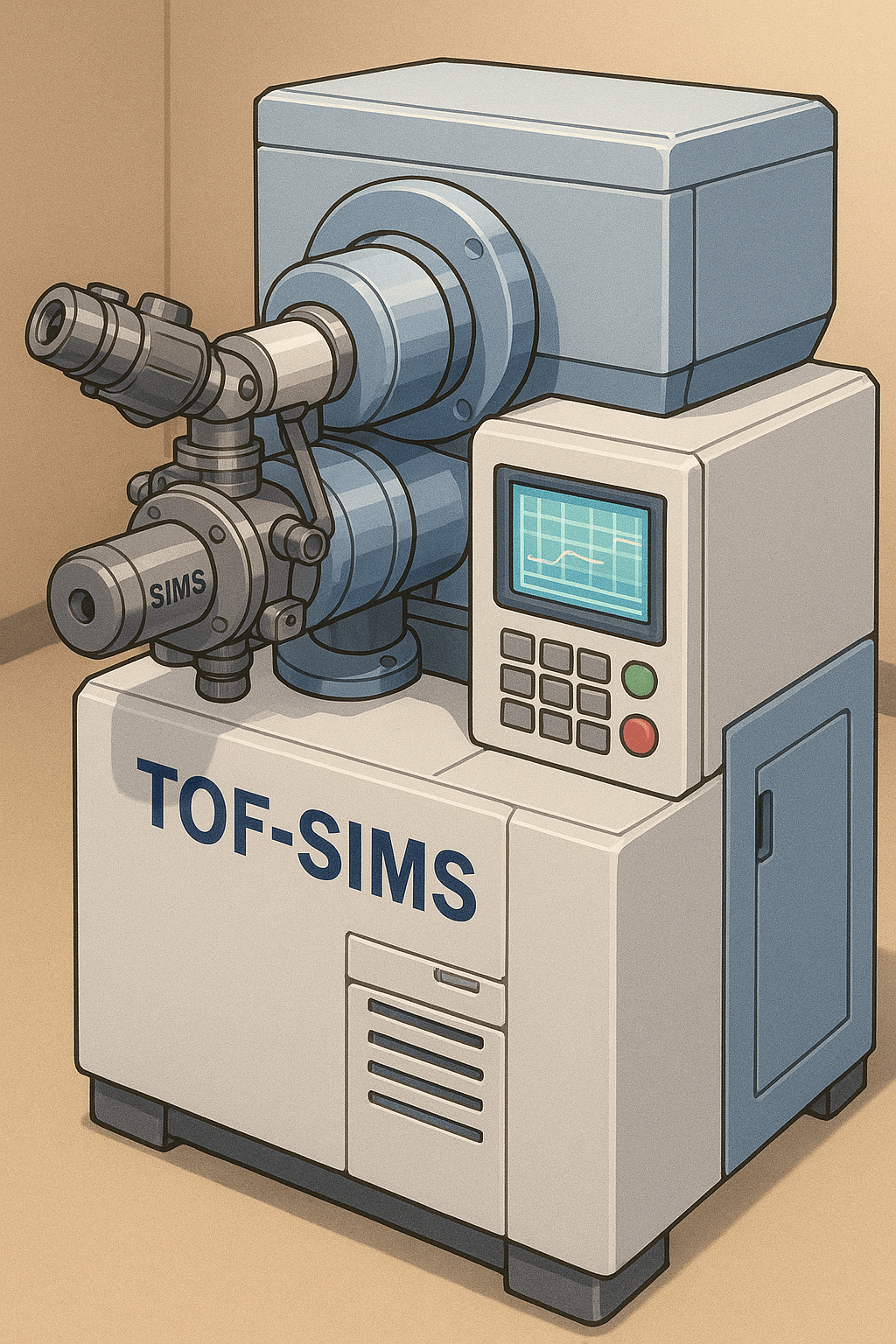
SIMS (Secondary Ion Mass Spectrometry) instrumentation is designed to analyze the surface composition of materials by detecting ions ejected from the surface. The system includes a primary ion source that fires a focused beam of ions (like gallium or cesium) onto the sample. This bombardment knocks atoms and molecules off the surface, some of which…
-
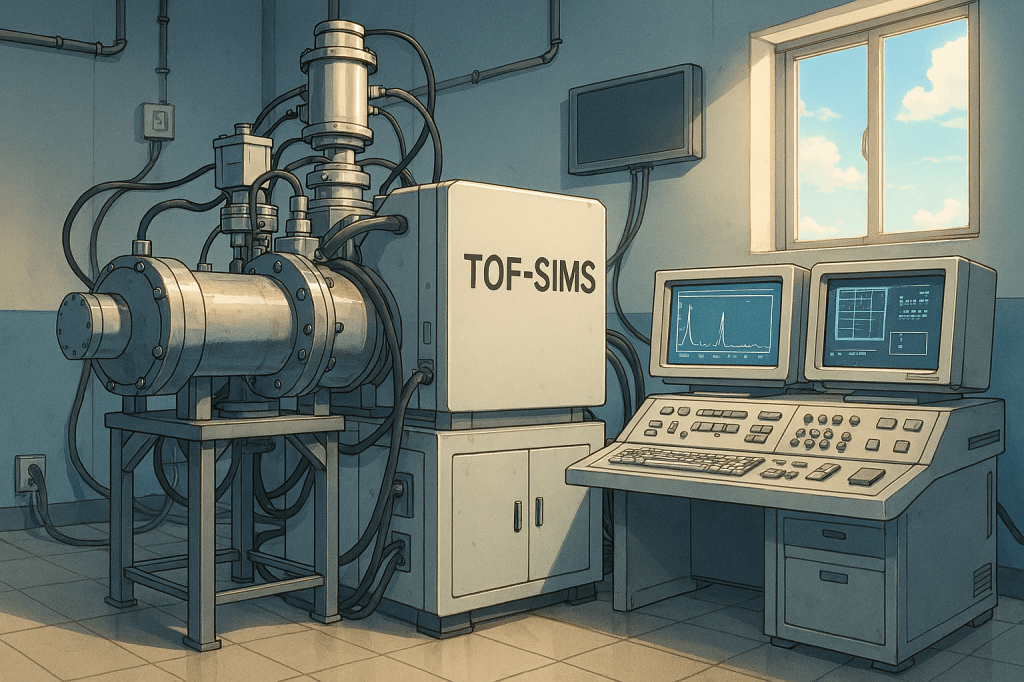
Time-of-Flight Secondary Ion Mass Spectrometry (TOF-SIMS) is a powerful technique used to analyze the surface of materials by detecting the chemical composition of just the outermost layers. The technique allows for analysis of a chemical structure in 3D with nanoscale resolution. In this method, a sample is bombarded with a focused beam of primary ions.…
-

The solar energy industry traces its roots to nineteenth century scientific discoveries, beginning with the photovoltaic effect identified by Edmond Becquerel in 1839 and early selenium based cells in the late 1800s. It did not become a modern commercial sector until Bell Labs created the first practical silicon solar cell in 1954, which initially found…
-
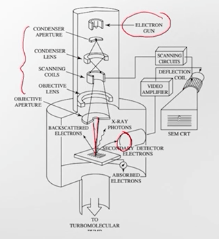
Scanning Electron Microscopy, or SEM, is a way to take very close‑up pictures of tiny things by shooting a thin beam of electrons onto a sample and moving the beam back and forth like a scanner. When the electrons hit the surface, they knock out other electrons and sometimes cause the material to emit X‑rays;…
-

A key logger (short for “key logger”) is a software or hardware tool that records the keys pressed on a keyboard, capturing the characters typed by a user. The collected data can include passwords, messages, personal information, and any other text entered on the device. Key loggers are often used covertly to monitor activity without…
-
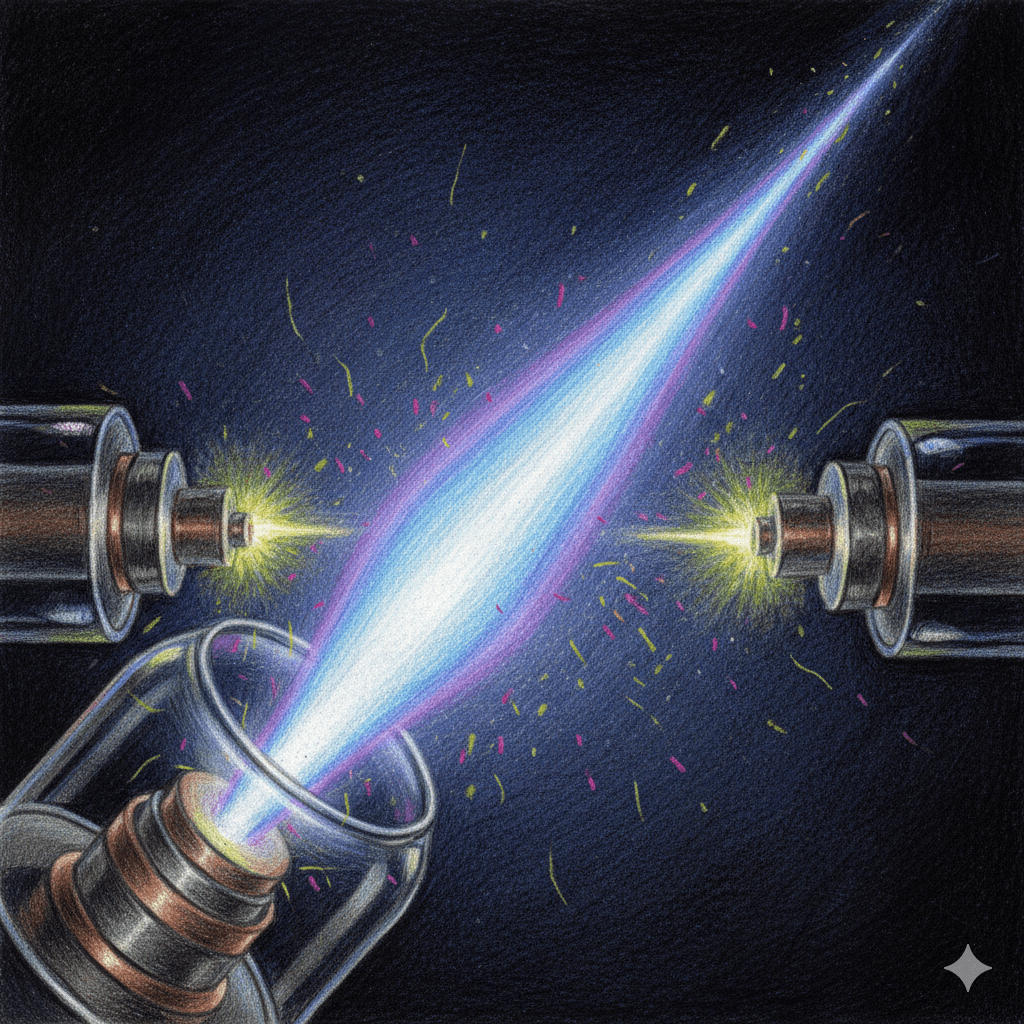
Electron beam characterization involves using a focused beam of electrons to probe and analyze materials at very fine scales. Techniques such as scanning electron microscopy (SEM) and transmission electron microscopy (TEM) rely on the interaction between electrons and the atoms in a sample to reveal details about surface morphology, internal structure, and even chemical composition.…
-
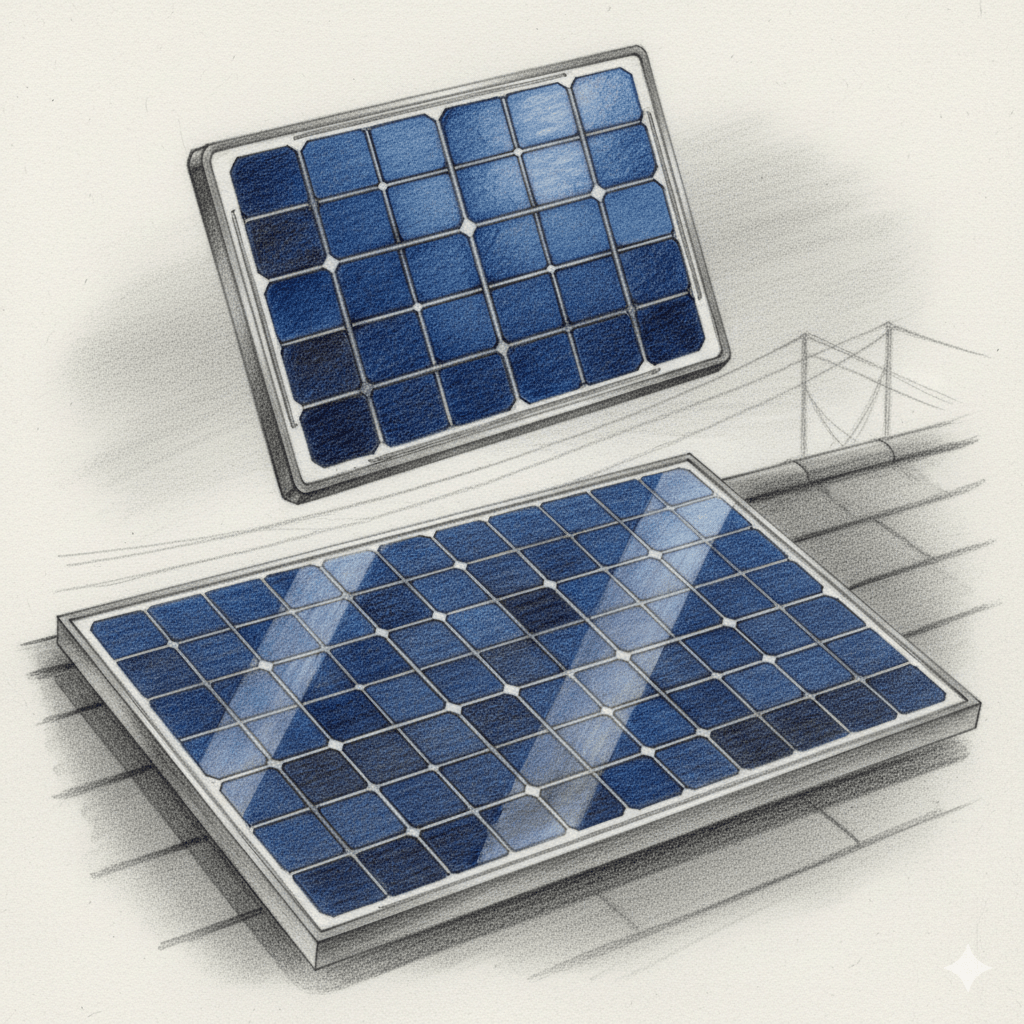
Solar cells, often called photovoltaic cells, are semiconductor devices that convert light from the sun directly into electrical energy. They form the basic building block of solar panels and many other solar power systems. Basic idea A solar cell takes incoming light, absorbs part of that light inside a semiconductor, and turns the absorbed energy…

