technology
-

A tongue-controlled robotic hand exoskeleton combined with functional electrical stimulation reached 96% task success in five people with cervical spinal cord injury.
-

Natura’s $99 Interface smart ring uses a press-and-speak gesture to route requests to AI agents while also tracking sleep, heart rate, HRV, and movement.
-
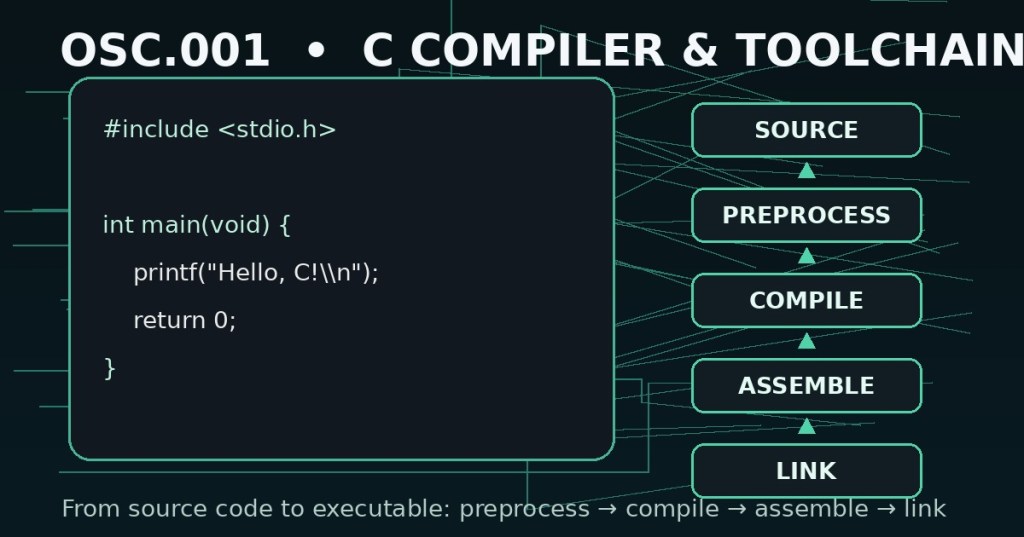
OSC.001 introduces the C compiler toolchain: GCC, preprocessing, compilation, assembly, linking, object files, first builds, warnings, and basic troubleshooting.
-
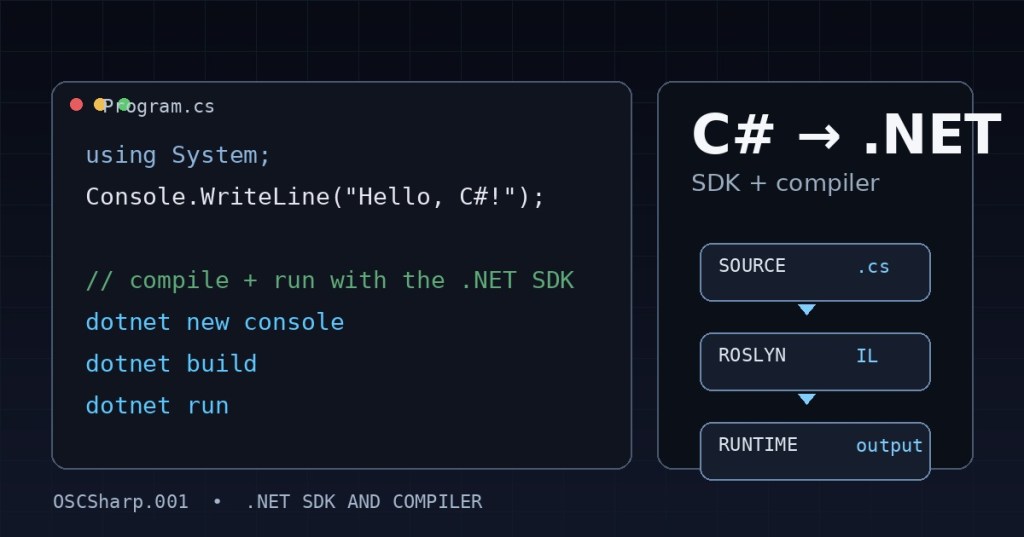
OSCSharp.001 introduces the C# toolchain: the .NET SDK, dotnet CLI, project creation, build/run workflow, Roslyn compiler, IL, runtime execution, and first troubleshooting steps.
-

OSLTC.003 teaches leadership through listening: active listening, adaptive feedback, communication preferences, responding to what people say, and turning listening into trust and action.
-
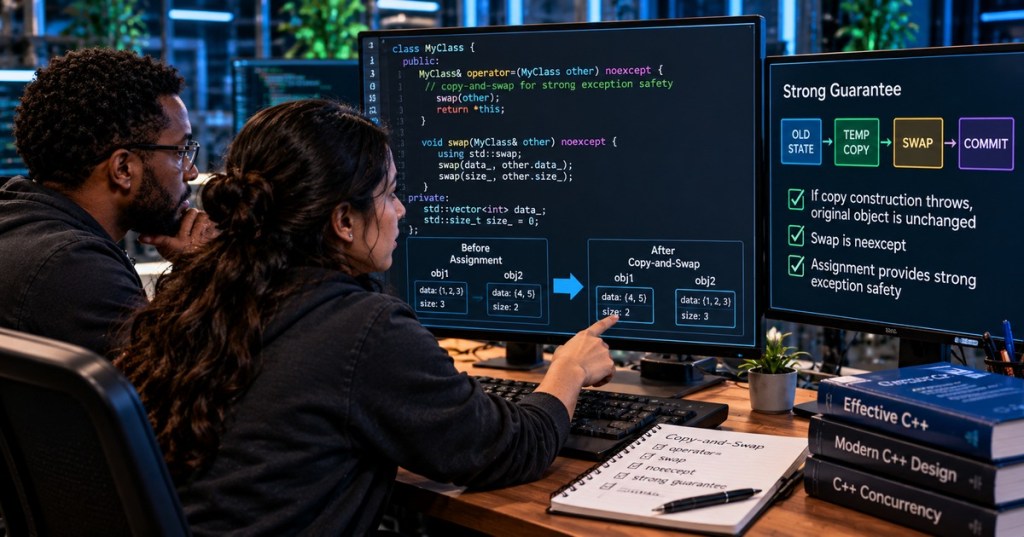
OSC++.025 teaches copy-and-swap and exception-safe C++ assignment: strong guarantees, noexcept swap, self-assignment, pass-by-value assignment, Rule of Zero, and performance tradeoffs.
-
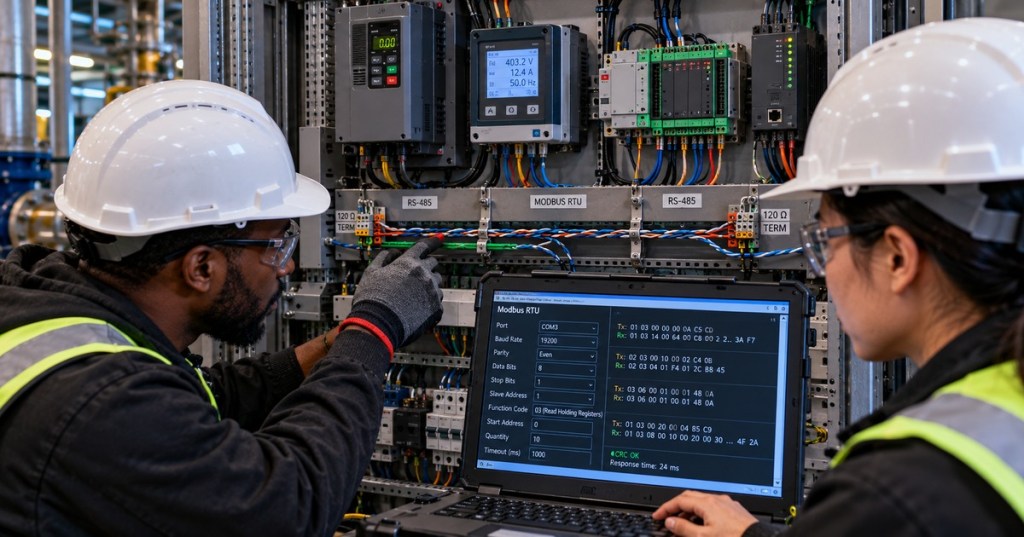
OSETC.032 teaches Modbus RTU over RS-485: two-wire bus wiring, termination, serial settings, addressing, function codes, registers, CRC, offsets, and field troubleshooting.
-
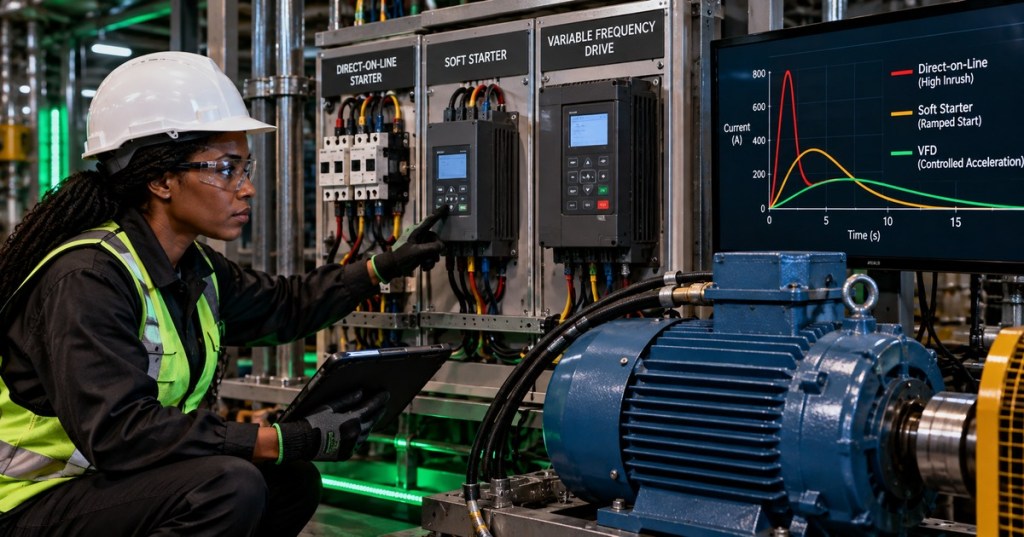
OSEEC.017 teaches motor starting engineering: inrush and locked-rotor current, source voltage dip, DOL starting, soft starters, VFDs, torque limits, starter selection, and commissioning measurements.
-

Modern elevators are coordinated electromechanical systems built around a car, counterweight, motor, traction sheave, rails, brakes, sensors and a controller. Here’s how all of those pieces work together.
-
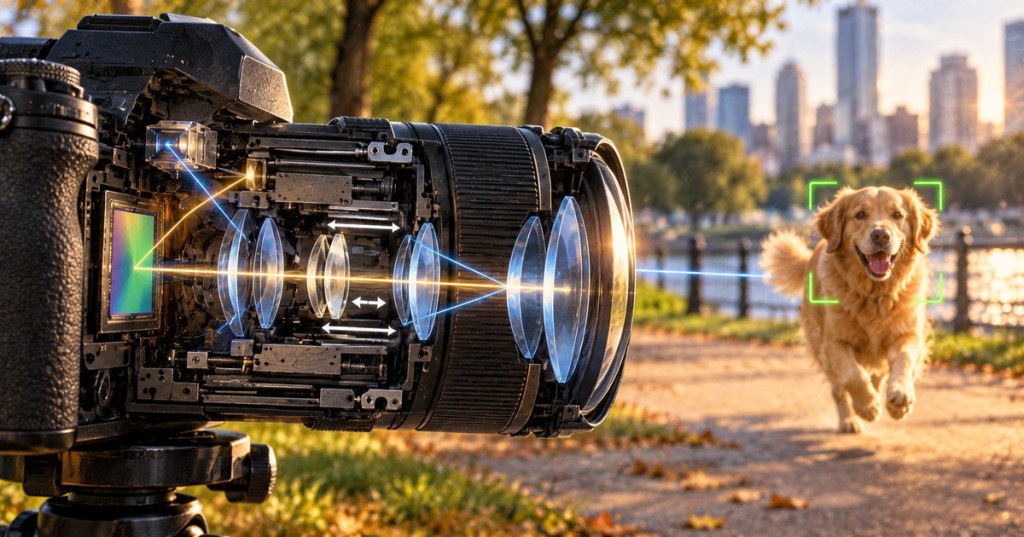
Autofocus is a closed-loop control system: the camera measures whether the subject is sharp, estimates how the lens must move, drives the focus motor, and keeps checking—often dozens of times per second while tracking motion.
-
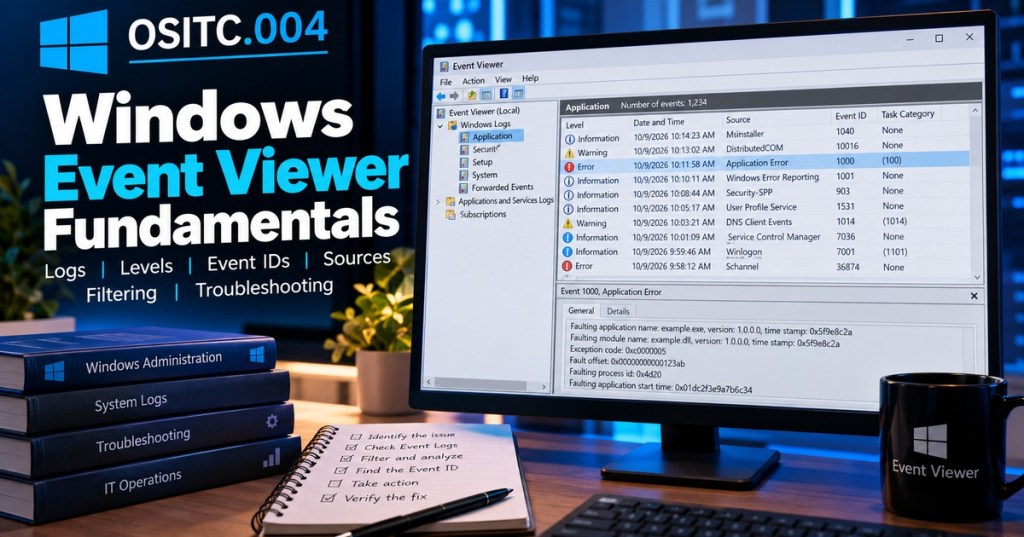
OSITC.004 teaches Windows Event Viewer fundamentals: logs, event levels, Event IDs, providers, filtering, timelines, and Get-WinEvent for first-line troubleshooting.
-
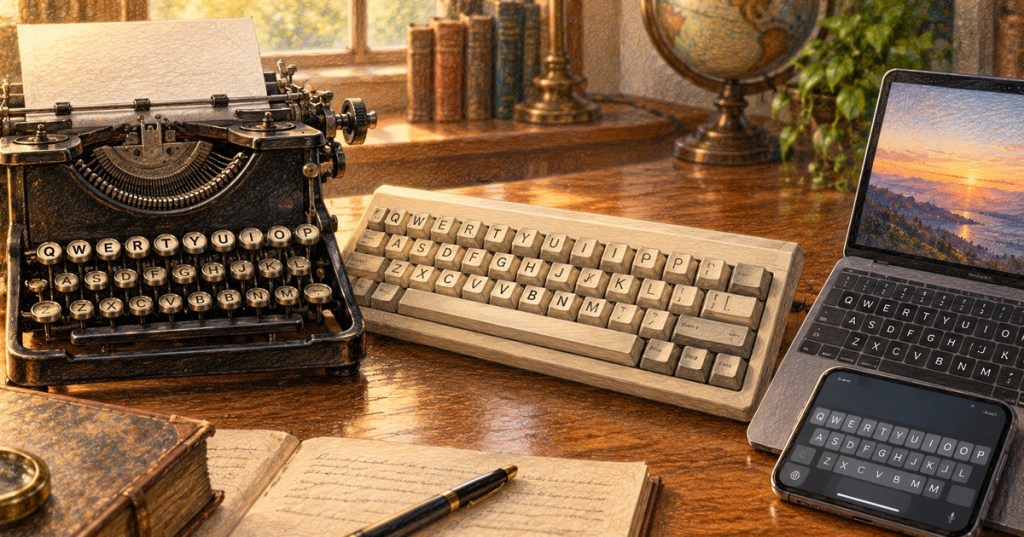
QWERTY was shaped by the mechanical typewriter era, then survived because training, industry standards and habit made it costly to replace. Its origin story is more complicated than the usual “it was designed to slow typists down” myth.

