technology
-

Three September 2026 interview horror stories stood out: a candidate says a manager called them too stupid to work there, another says a recruiter cooked roast beef during the interview, and a third quit a job after being told they were selected—only for the new role to vanish.
-
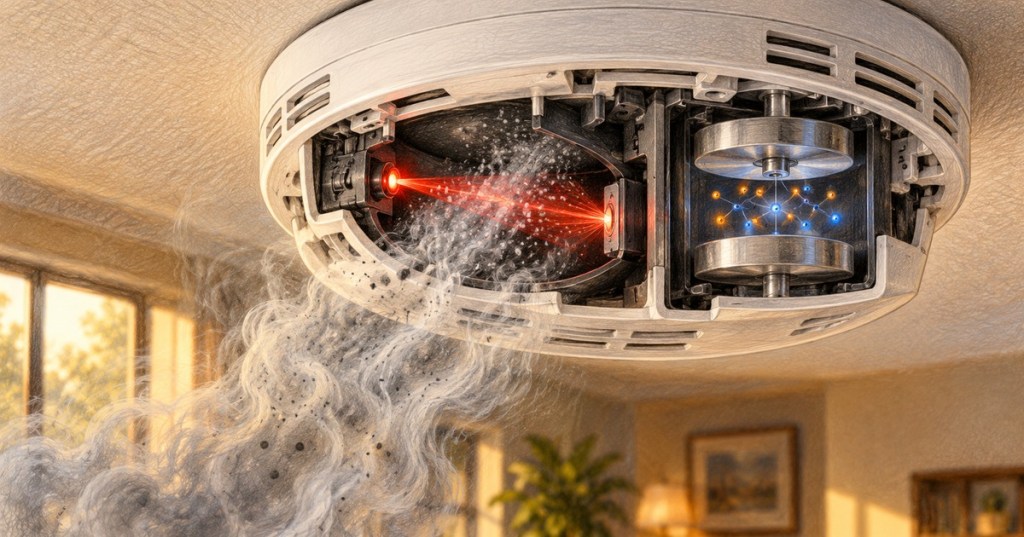
Smoke alarms do not detect “fire” directly. They detect airborne particles—usually with light or a tiny ionization current—then sound an alarm when those particles cross a designed threshold.
-
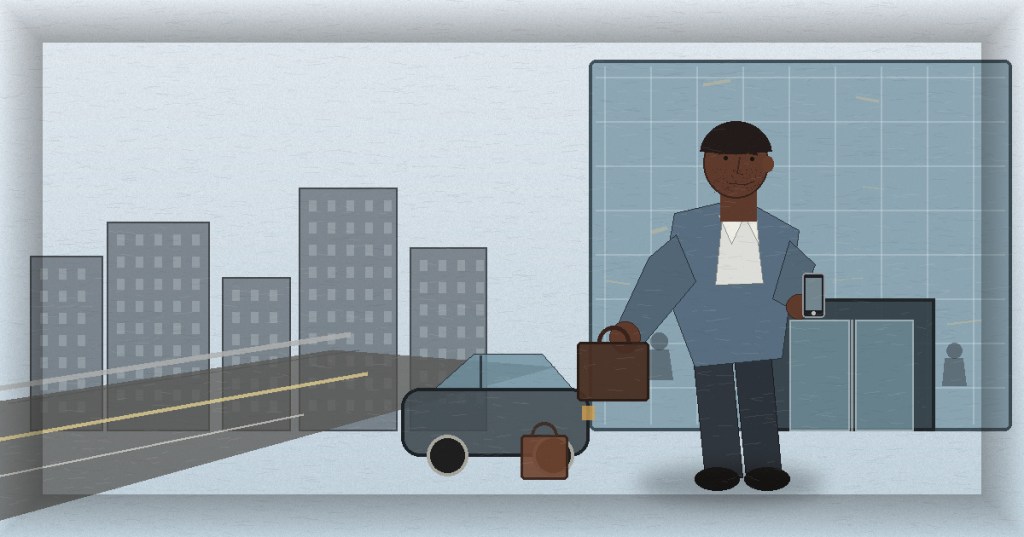
Three recent candidate accounts stand out from the last 30 days: a 125-mile trip to an interview that was never arranged, a verbal hire that unraveled after the candidate quit their old job, and a video interview where the applicant waited 45 minutes only to be blamed for missing it.
-
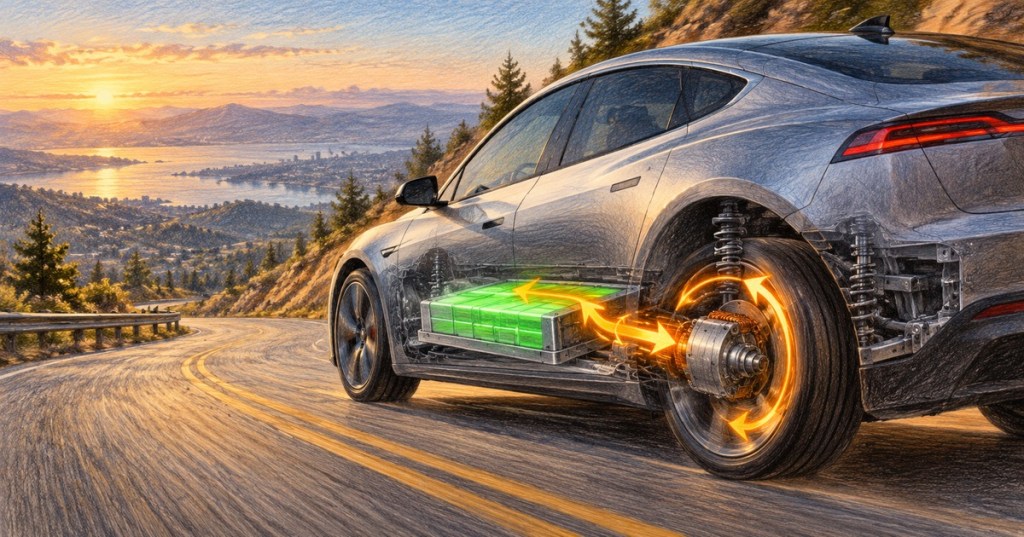
Regenerative braking slows an electric or hybrid vehicle by turning its traction motor into a generator, sending some of the car’s kinetic energy back into the battery instead of wasting it entirely as heat.
-
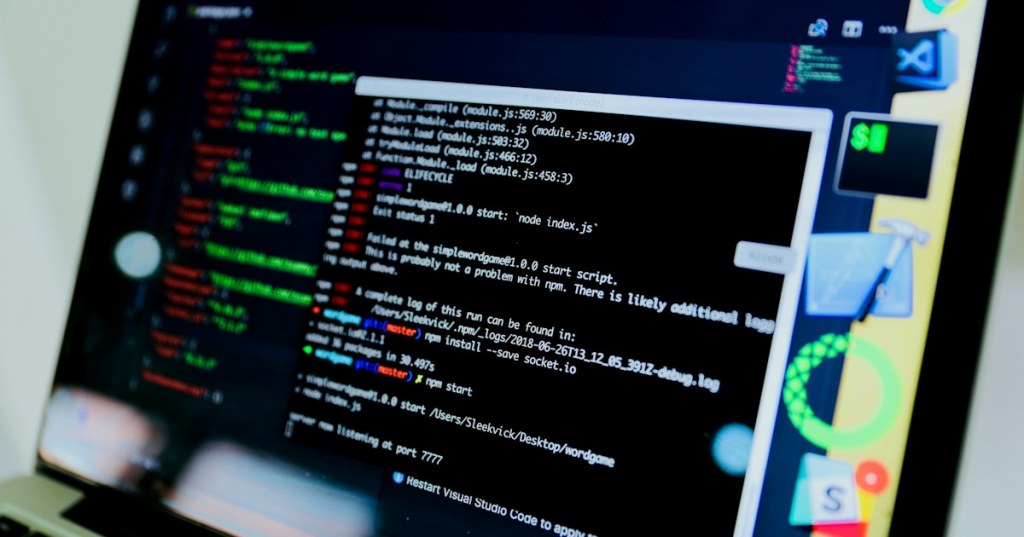
Learn how sc.exe delete removes a Windows service registration, why a service can remain marked for deletion, how to verify the correct service name, and how to practice safely in a lab.
-
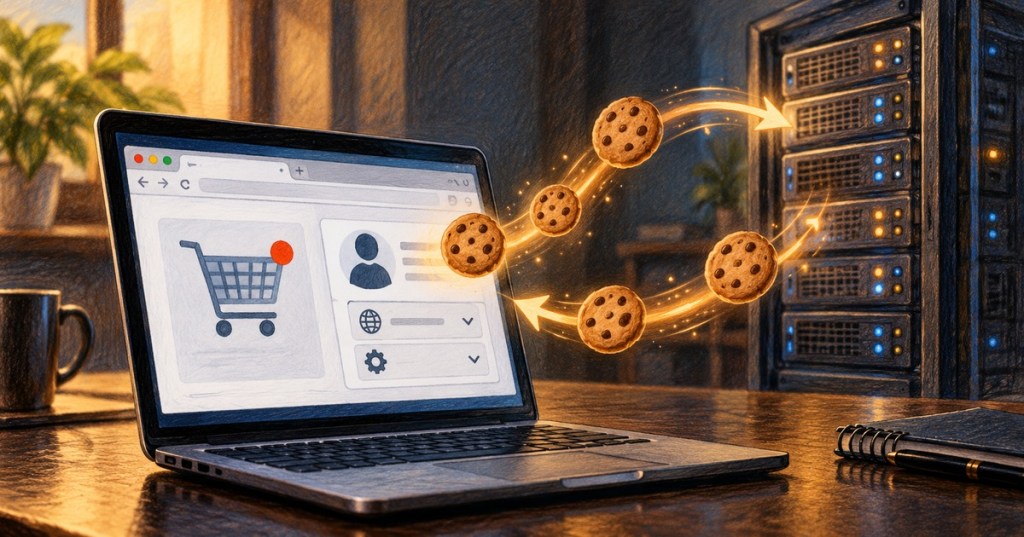
Browser cookies are small pieces of data that give otherwise stateless websites memory. They keep you signed in, remember carts and preferences, and can also be used for tracking.
-
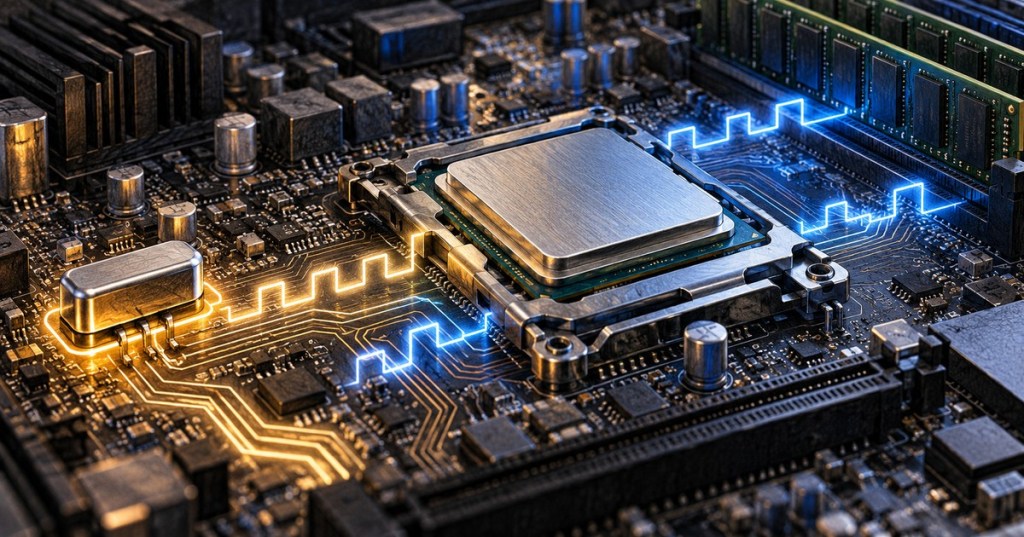
A clock signal is the electrical rhythm that coordinates digital logic. Here is how frequency, edges, PLLs, jitter, and clock domains shape modern computer performance.
-
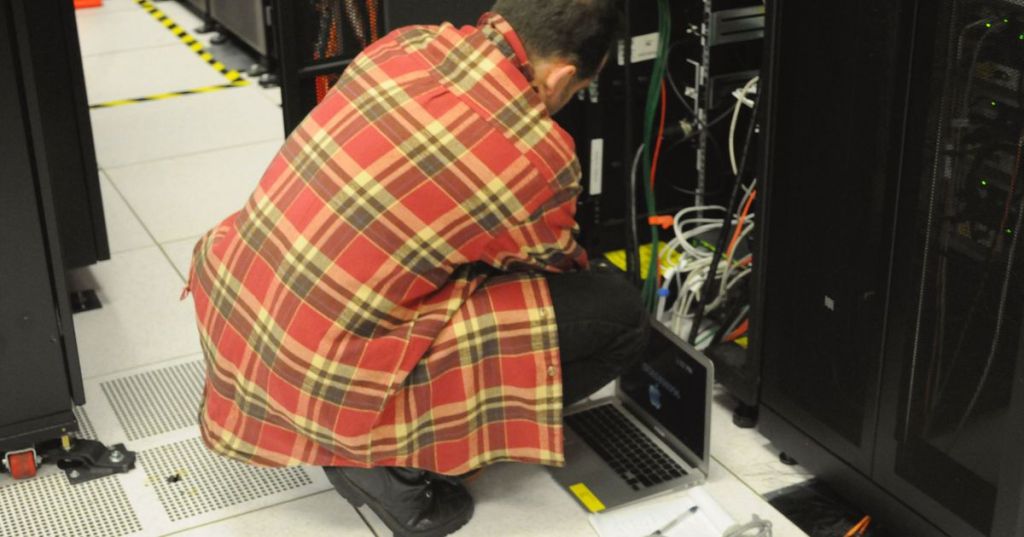
Linux Command #49 explains chown: changing file and directory user ownership, optionally changing group ownership, safe recursive use, verification, reference files, and symlink behavior.
-
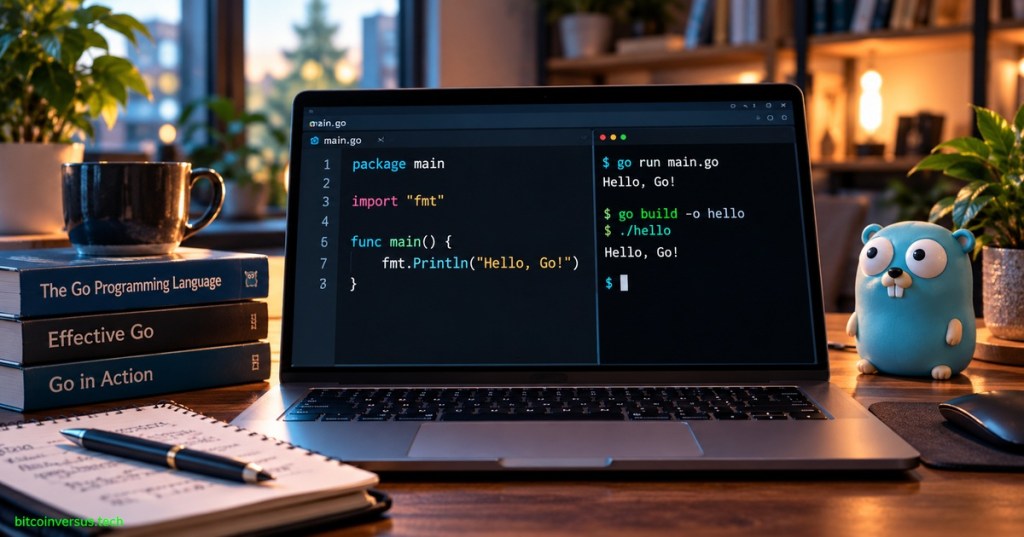
Learn what Go is, why it was created, how packages and the Go toolchain fit together, and how to run and build your first Go program.
-
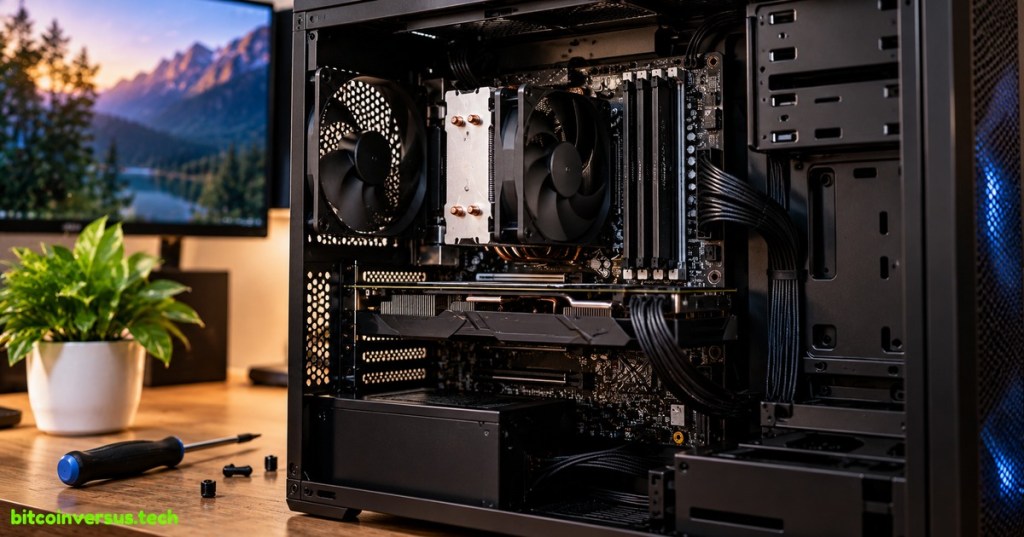
A motherboard is the computer’s main circuit board. It connects the CPU, memory, storage, graphics, power, ports, and expansion hardware into one working system.
-
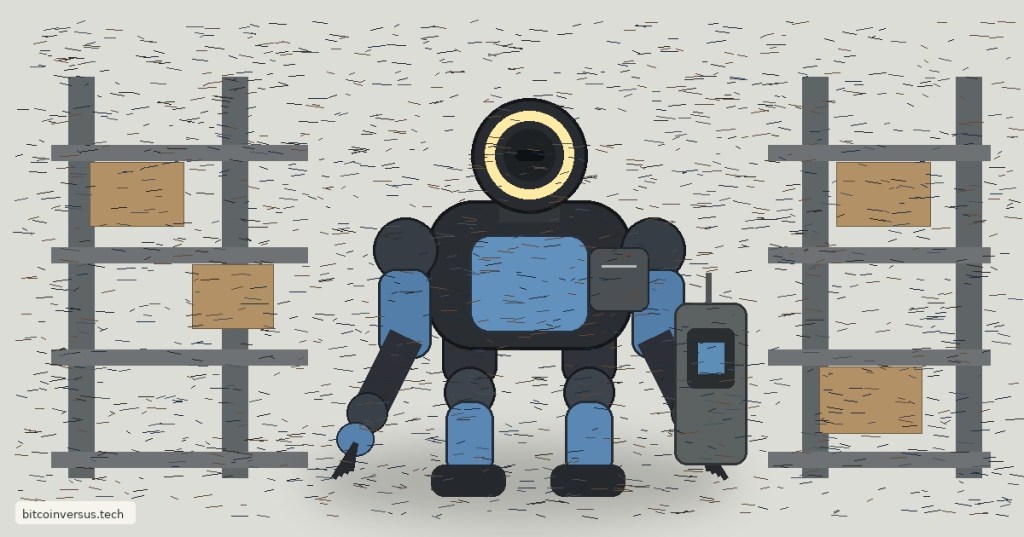
Boston Dynamics’ production Atlas is specified for a three-minute autonomous battery swap, 56 degrees of freedom, IP67 protection, tactile sensing, and up to 50 kg instant payload capacity.
-
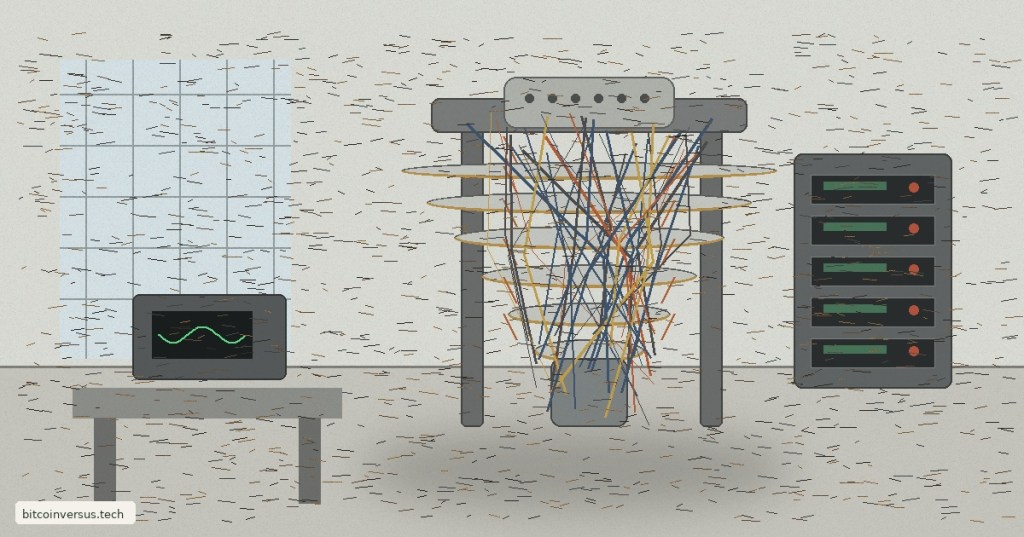
DARPA moved Atom Computing, Diraq, IBM, and IonQ into Stage C of its Quantum Benchmarking Initiative, shifting the program from roadmap review toward direct hardware and system verification.

