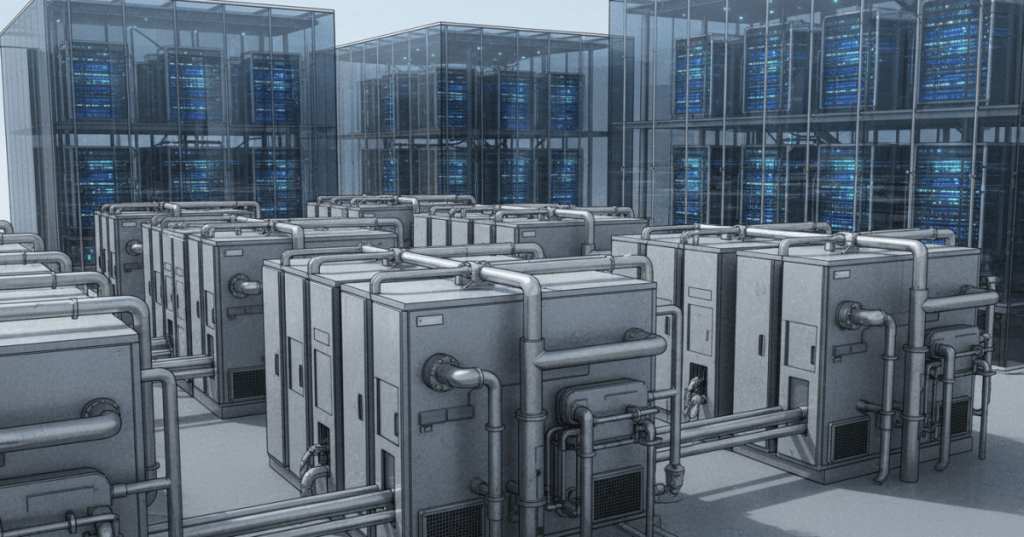
NTT DATA announced a 900-megawatt onsite power agreement with Bloom Energy on November 5, 2026, targeting data-center projects across its global portfolio. NTT Global Data Centers plans to use Bloom’s solid-oxide fuel cells as primary electricity generation, with initial equipment shipments expected in 2027. The companies identified no operating project under the new agreement and provided no completed commissioning date.
The deal places NTT among large data-center operators seeking power independently of congested electrical grids. Bloom calls the agreement its largest international project to date. 900 MW represents a planned capacity commitment, not 900 MW already installed or an observed electricity output. The companies have not disclosed site locations, contract value or the actual fuel supply for each installation.
How solid-oxide fuel cells make power
Bloom’s Energy Server turns chemical energy into electricity through an electrochemical reaction rather than burning fuel in an engine or turbine. Air supplies oxygen at a cathode; oxygen ions pass through a hot ceramic electrolyte and react with fuel-derived hydrogen at an anode. The process generates direct-current electricity, which power electronics convert to alternating current for facility loads.
A Bloom engineering brochure describes modular 325-kW Energy Server blocks containing fuel processing, fuel-cell stacks, inverters and controls. Using that historical block size only as a mathematical example, 900 MW corresponds to roughly 2,770 blocks. The announcement specifies no actual model mix or number of units ordered.
Why local electricity appeals to data centers
The attraction is schedule control. Modular generation can be installed in phases alongside servers and electrical distribution, potentially easing dependence on long transmission and interconnection queues. Earlier BitcoinVersus.Tech reporting explained behind-the-meter generation and examined whether data centers can operate entirely off-grid. Fuel cells do not remove requirements for redundant feeds, protective relays, gas infrastructure, backup systems or site permits.
A generator capable of delivering 900 MW continuously would supply a theoretical 21.6 gigawatt-hours over 24 hours. The calculation is power multiplied by time, not a forecast of NTT electricity production. Actual generation depends on the staged rollout, fuel access, maintenance and facility demand. The November agreement provides no uptime measurements for the planned installations.
Local air pollution is not the same as carbon-free power
Bloom emphasizes low local nitrogen oxide emissions, quiet operation and minimal water consumption. Those benefits reflect electricity generation without flame combustion. Yet Bloom’s annual securities filing states that most current Energy Server installations use natural gas and emit carbon dioxide. Whether NTT’s planned systems use natural gas, biogas, hydrogen or fuel blends has not been disclosed.
Gas procurement and methane leakage can also affect lifecycle emissions. A plant’s ability to connect to a gas pipeline may become another infrastructure bottleneck. BitcoinVersus.Tech has separately covered AEP’s proposed 702-MW Bloom fuel-cell project for Google in Wyoming and the permitting questions facing Oracle’s Project Jupiter. The NTT agreement is a separate commercial program, not an expansion of either project.
The immediate engineering test is moving from supply commitments to site-specific, commissioned electrical capacity. Deployment details, local fuel arrangements, verified emissions, contract economics and interconnection designs will determine whether NTT’s fuel-cell strategy delivers usable AI capacity on the timeline promised.
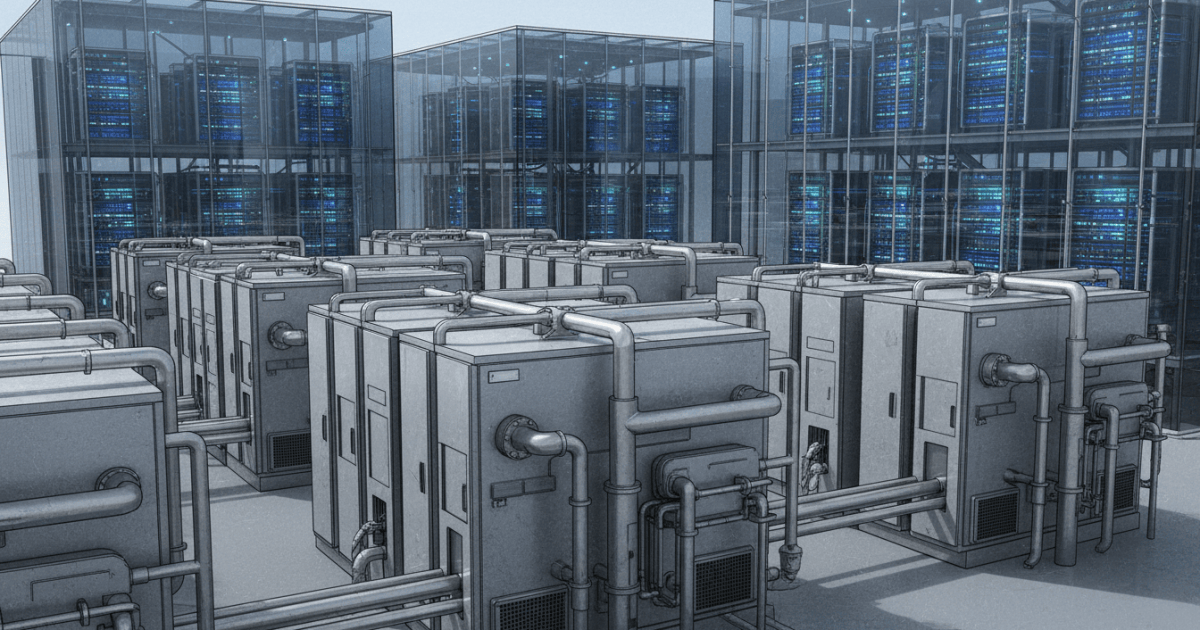
Editor’s Note: The agreement and initial shipment timetable were verified against Bloom Energy’s November 5 announcement and NTT DATA’s own statement. Technical information comes from Bloom’s Energy Server specification page, its 2024 brochure, and its SEC filing. Data Center Dynamics provided secondary corroboration. The cover is illustrative, not documentary imagery. Both videos are official archival explainers rather than project-specific announcements. Embedded player rendering and playback require independent checks.

To donate 5,000 sats, open the article on a separate display and scan the original QR code with a compatible Bitcoin wallet. On mobile, use another screen or your wallet’s supported image-scanning feature. Verify the destination 3C9o19EH5HSiwEPyCTmEKzxhNCbo2X6TTb before sending.
We volunteer daily to ensure the information on this platform is Verifiably True. If you would like to support the research, please scan QR code.
BitcoinVersus.tech is not a financial advisor. Financial and energy-market coverage is provided for informational purposes.


Leave a Reply