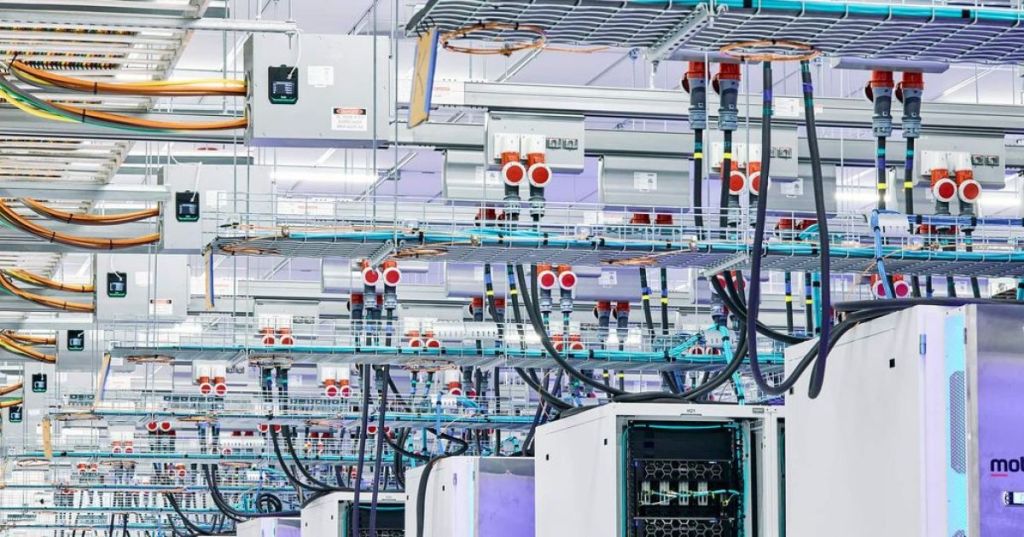
TeraWulf’s Bitcoin mining business generated just $13.2 million during the third quarter of 2026, a 69.5% decline from $43.4 million a year earlier, while the former miner’s high-performance computing leases grew into its largest source of revenue. The company reported $76.2 million in total quarterly revenue on November 6, with $63.0 million—or approximately 83%—coming from HPC leasing. The numbers document a completed shift in the company’s revenue mix, not merely an announced plan to develop AI data centers.
Bitcoin mining loses its dominant revenue position
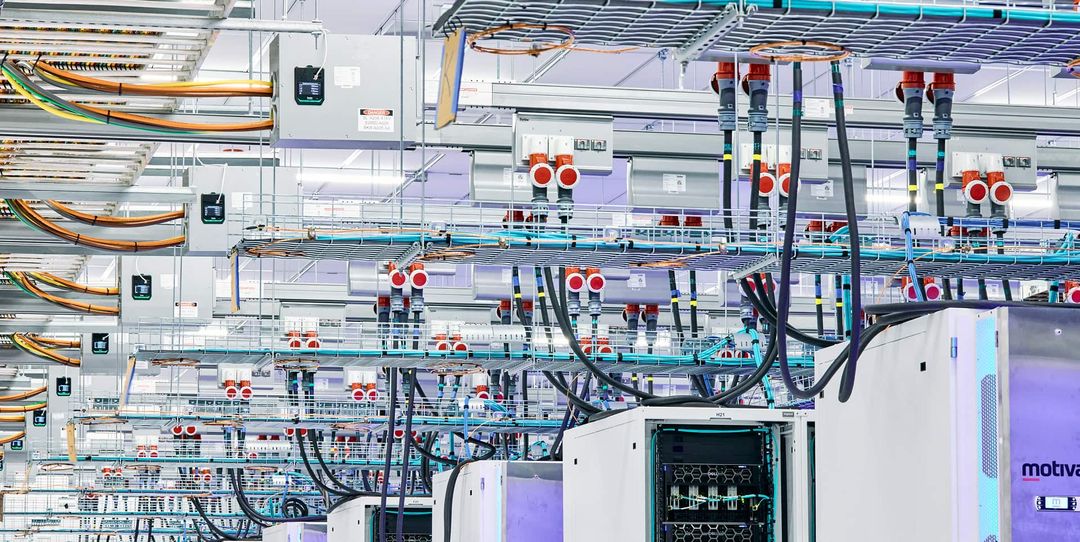
TeraWulf’s Form 10-Q shows digital-asset revenue falling from $43.375 million in July–September 2025 to $13.244 million in the corresponding 2026 quarter. HPC lease revenue moved the opposite direction, rising from $7.203 million to $62.986 million, a gain of approximately 774%. Total revenue increased 50.7% year over year. A year earlier, mining contributed about 85.8% of total revenue; in the latest quarter, mining accounted for only 17.4%.
The change reflects an economic decision common among publicly traded miners. Mining machines compete for Bitcoin block rewards and transaction fees, with revenue exposed to network difficulty, coin prices, electricity costs and hardware efficiency. A long-term data-center lease instead pays for contracted infrastructure, although construction, financing, cooling and tenant performance create separate risks. BitcoinVersus.Tech has previously examined miners redirecting power capacity toward AI and Cipher’s first reported AI leasing revenue.
Reported profit masks an operating loss
TeraWulf reported approximately $709.9 million in net income attributable to shareholders, but its operating loss widened to $88.2 million from $24.7 million a year earlier. A $728.4 million noncash gain from changes in the fair value of warrants and derivative liabilities significantly boosted the bottom line. The company also recorded a $95 million gain from selling its Abernathy joint-venture interest. Non-GAAP adjusted EBITDA remained negative at $12.8 million.
Those distinctions are essential: an accounting gain from revaluing financial instruments is not equivalent to cash generated by mining or leasing servers. The company reported around $2.4 billion in cash, equivalents and restricted cash at quarter-end, but its projects carry substantial financing commitments. The SEC-filed earnings statement supplies a fuller account of operating expenses, debt and fair-value adjustments.
102 MW online, 336 MW still being built
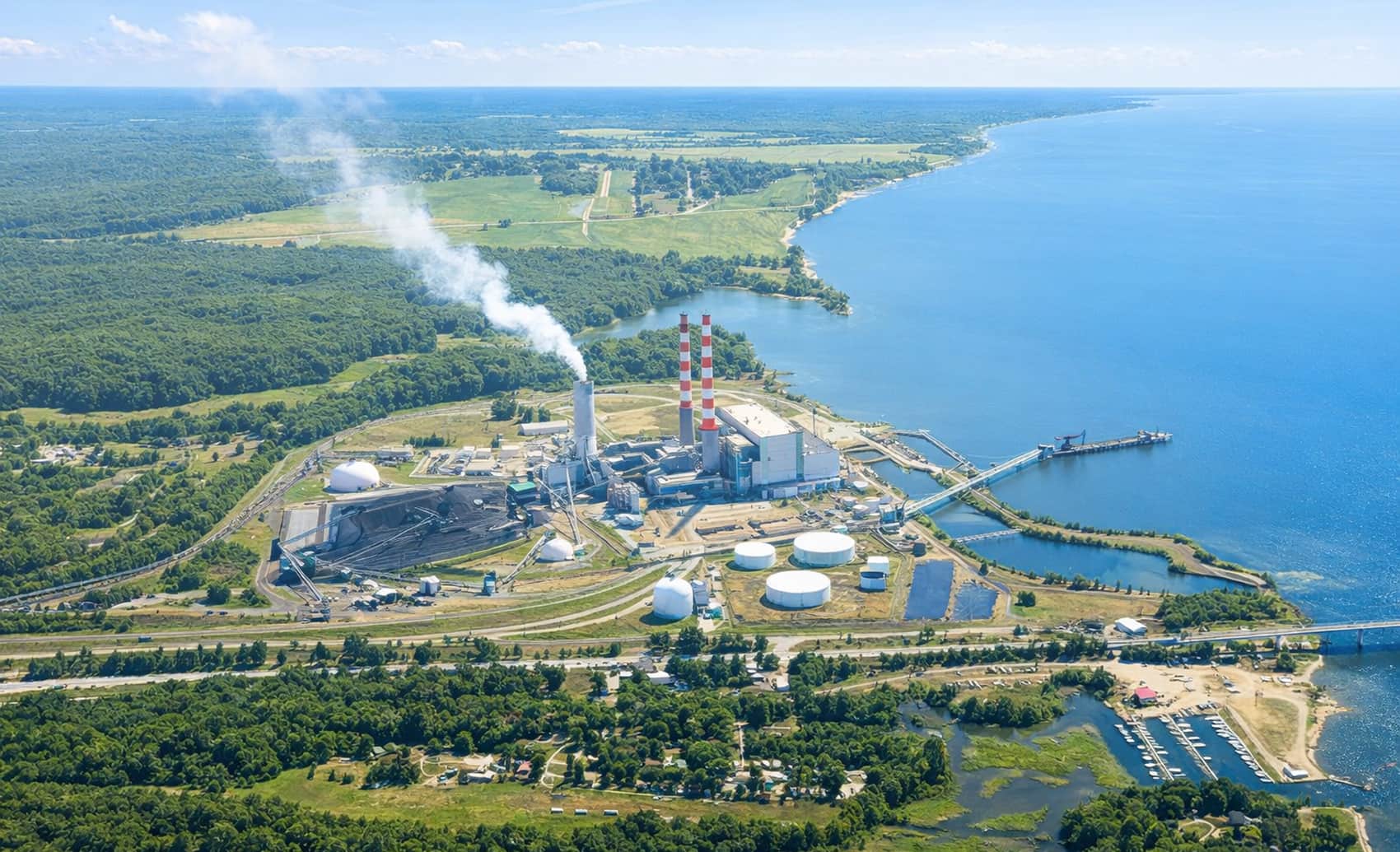
At September 30, TeraWulf operated 102 MW of energized, revenue-generating critical IT capacity at Lake Mariner and maintained 145 MW of legacy Bitcoin mining capacity. The two figures refer to different uses of electricity and should not be added together as though they were equivalent computing output. Another 336 MW of critical IT capacity was under construction in buildings CB-4 and CB-5, with phased delivery targets spanning late 2026 and early 2027.
The Kentucky Justified campus carries a separate 20-year Anthropic lease supported by a Google credit backstop, representing approximately $19 billion in contracted revenue over the initial term. Contracted future payments are not current-period revenue. TeraWulf also described a path to 1 GW of contracted power at its Muskie campus, subject to regulatory approvals. Earlier BitcoinVersus.Tech coverage explored Muskie’s proposed expansion.
For Bitcoin miners, the quarter illustrates why electrical interconnections and data-center space can become more valuable than installed ASIC hashrate. For investors, the next test is whether HPC leasing grows faster than construction costs, debt service and depreciation while the company continues winding down part of its mining footprint.
Editor’s Note: All revenue, capacity and income figures were checked against TeraWulf’s November 6, 2026 earnings release, its September 30 Form 10-Q and the SEC-hosted earnings exhibit. Percentages were recalculated from reported figures; lease revenue, contracted future payments, power capacity, and actual computing production are separate concepts. The official facility photos are historical, and the 2023 YouTube construction film is background footage rather than a November 2026 demonstration. Live video playback and independent mobile/desktop layout inspection remain subject to verification.

To donate 5,000 sats, open the article on a separate display and scan the original QR code with a compatible Bitcoin wallet. On mobile, use another screen or your wallet’s supported image-scanning feature. Verify the destination 3C9o19EH5HSiwEPyCTmEKzxhNCbo2X6TTb before sending.
We volunteer daily to ensure the information on this platform is Verifiably True. If you would like to support the research, please scan QR code.
BitcoinVersus.tech is not a financial advisor. Coverage of mining, technology, and public-company results is provided for informational purposes.


Leave a Reply