electrical engineering
-
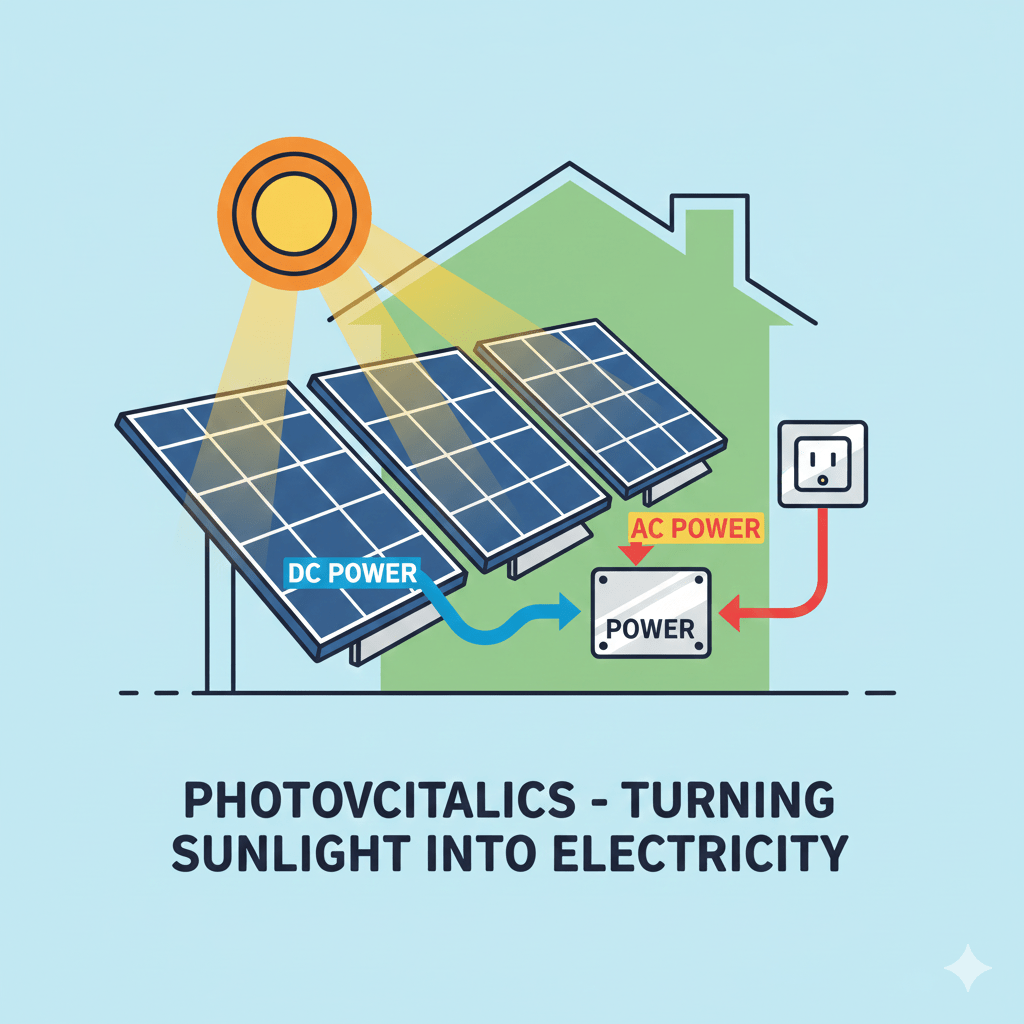
Photovoltaics is the technological principle and scientific field concerned with the direct conversion of light energy, specifically photons from sunlight, into electrical energy through the photovoltaic effect, a physical and chemical process that occurs within a class of materials known as semiconductors, most commonly crystalline silicon. The fundamental unit of this conversion is the photovoltaic cell,…
-

Transmission electron microscopy (TEM) is a powerful imaging technique that uses a beam of electrons transmitted through an ultrathin specimen to produce highly magnified images of its internal structure. TEM works by directing electrons through a sample that is typically less than 100 nanometers thick. As the electrons pass through, they interact with the atoms…
-
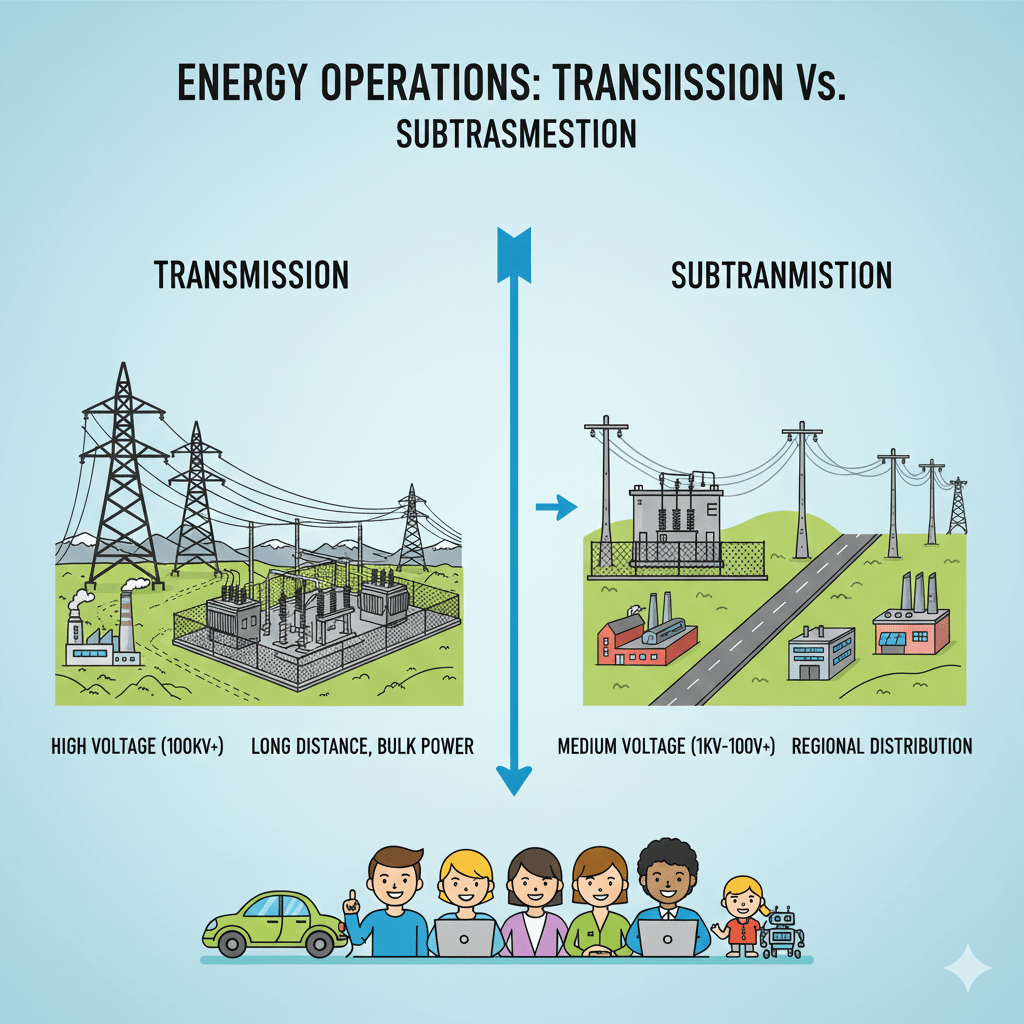
Transmission in electric power systems refers to the bulk transfer of electrical energy at very high voltages (typically 115 kV to 765 kV or higher) from generating stations to major substations, using interconnected networks of overhead or underground lines designed to move large amounts of power efficiently over long distances with minimal losses. Subtransmission, by…
-
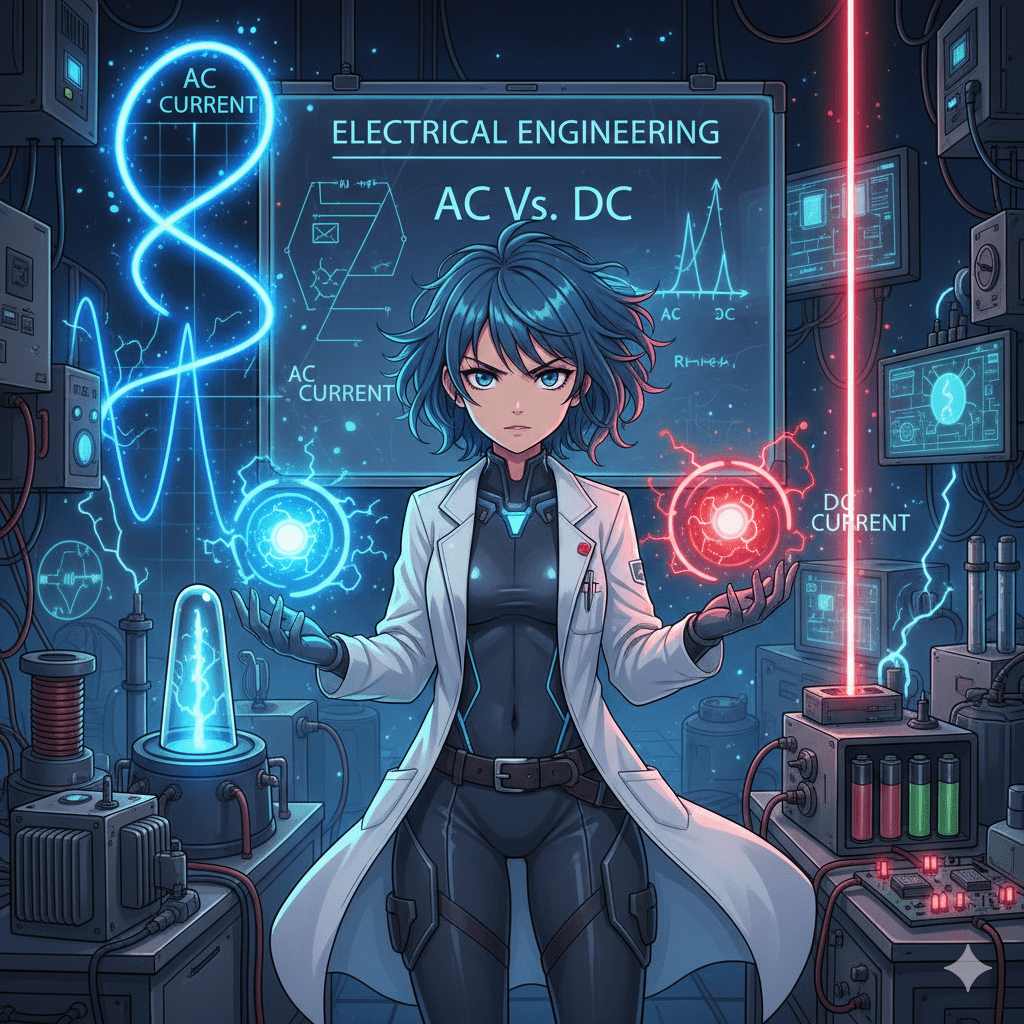
Alternating Current (AC) is a type of electric current characterized by a continuous and periodic reversal in the direction of charge flow, which results in a sinusoidal (or other periodic waveform) variation in voltage and current magnitude over time. Unlike Direct Current (DC), which maintains a constant polarity and direction, AC systematically oscillates between a…
-
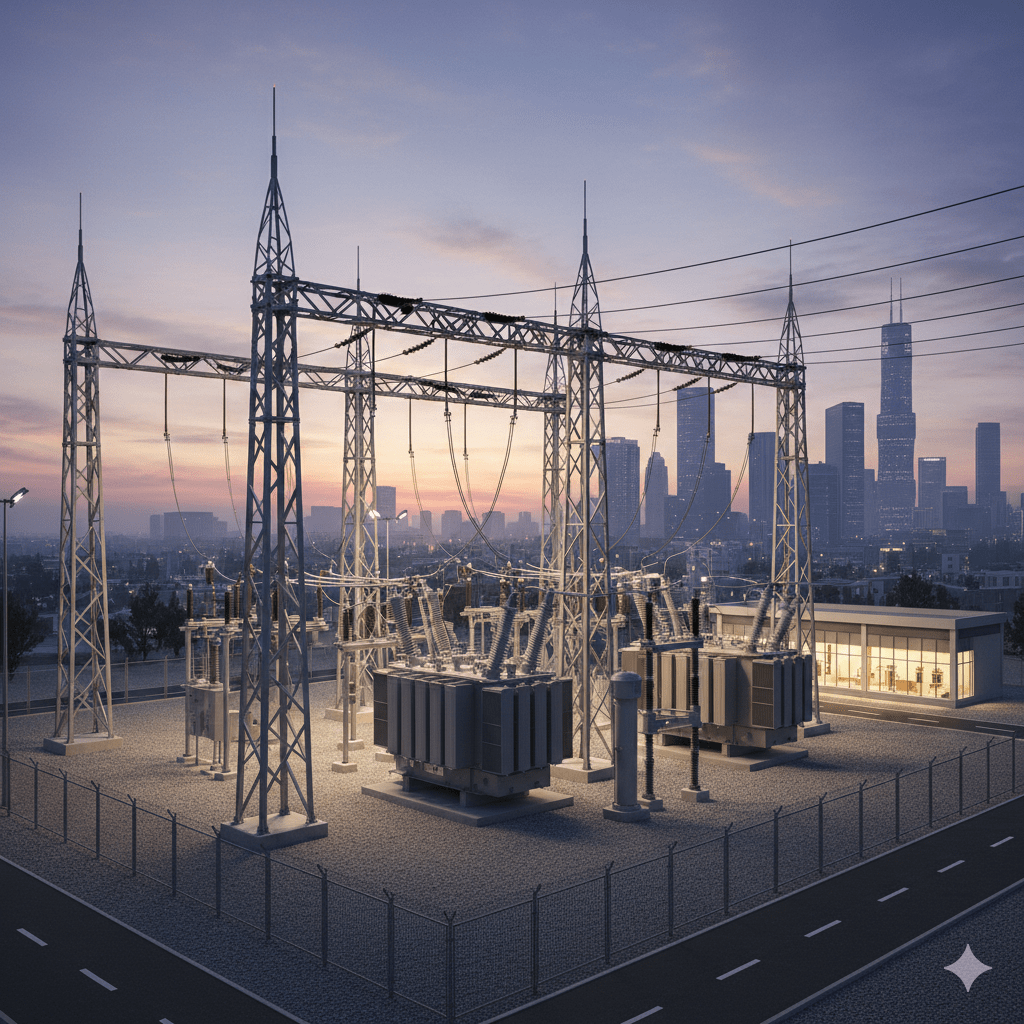
Substations are essential components of the electrical power system. They serve as the connection points between the high-voltage transmission lines and the lower-voltage distribution networks that deliver electricity to homes and businesses. At a substation, electricity is transformed from high voltage to a lower voltage, making it safe for use. This process is crucial because…
-
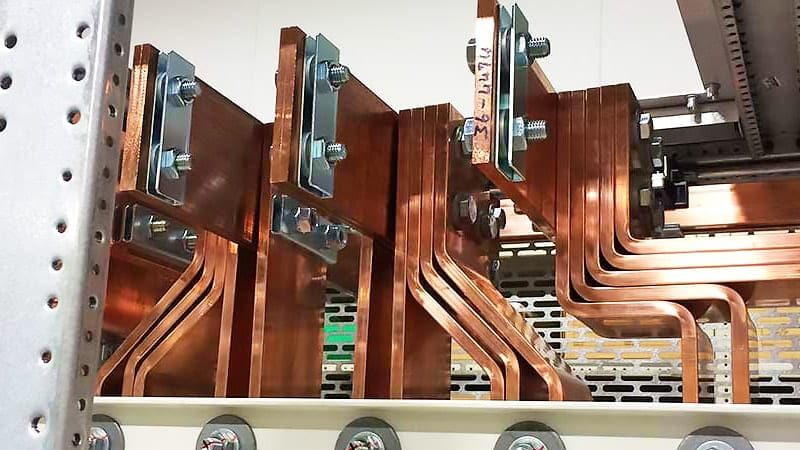
An electrical busbar is a metallic strip, bar, rod, or tube, typically made of highly conductive materials like copper or aluminum, that functions as a central junction point for distributing electrical power. Serving as a high-capacity conductor, it collects electrical current from incoming circuits (like transformers or generators) and efficiently distributes it to multiple outgoing…
-
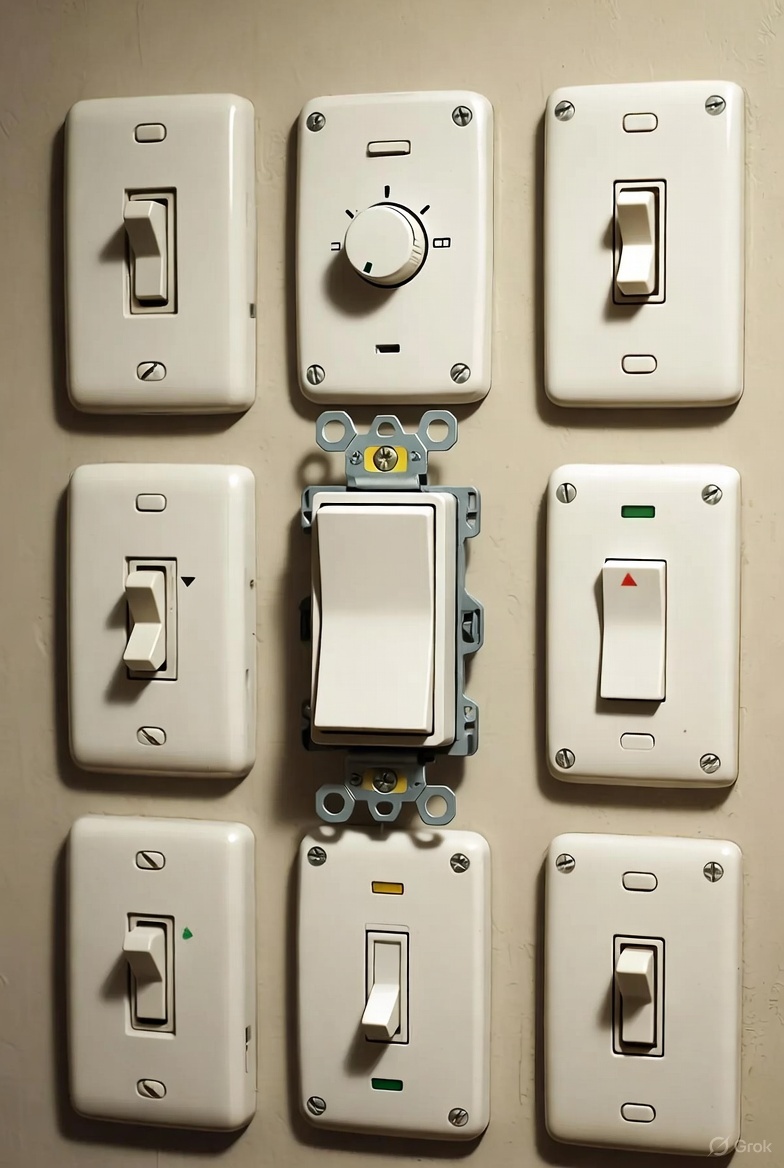
Electrical switches are categorized in various ways, often based on their construction, actuation method, and function within a circuit. A common classification uses the Pole and Throw configuration: the Single Pole, Single Throw (SPST) is the simplest ON/OFF switch, controlling one circuit from one location, like a standard light switch. The Single Pole, Double Throw…
-
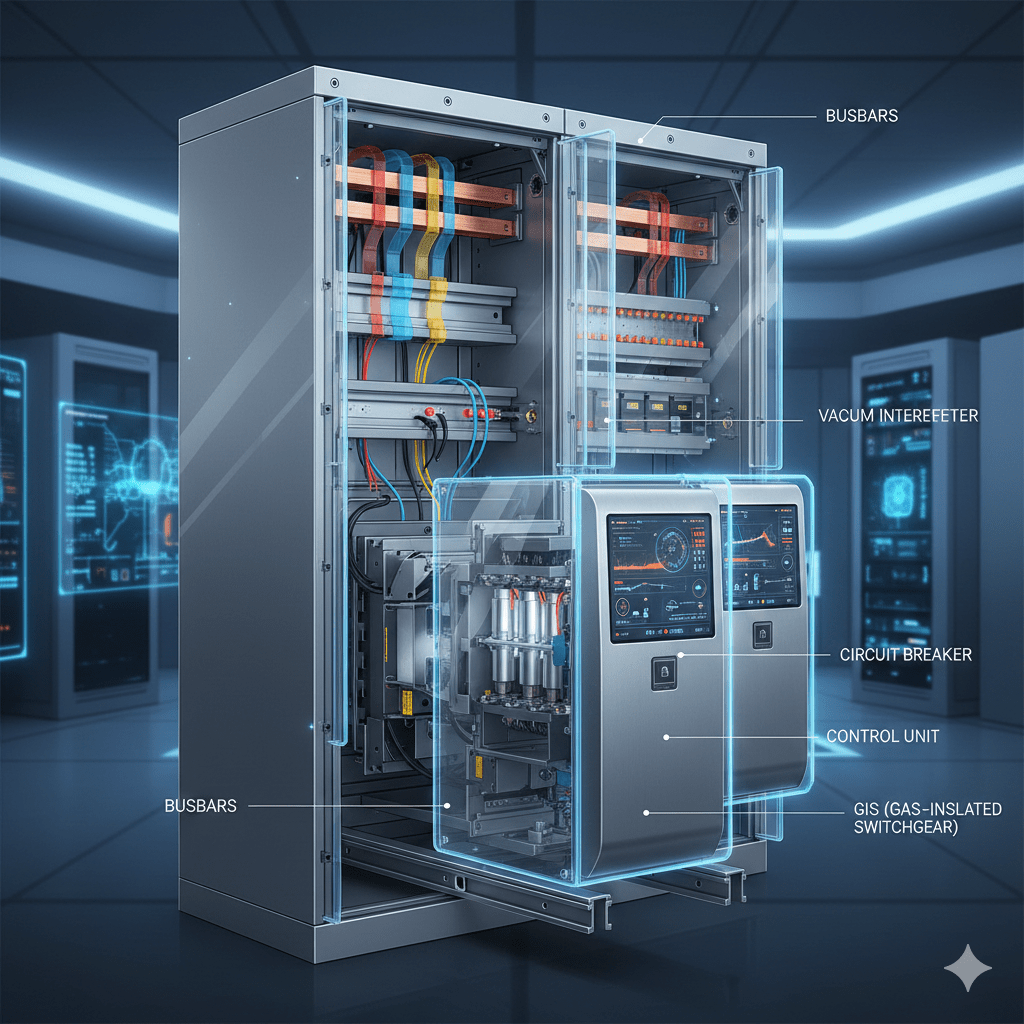
System design in electrical engineering involves planning and structuring power systems to ensure efficient, reliable, and safe distribution of electrical power. Switching devices, such as switches and circuit breakers, are integral components that control the flow of electricity within these systems. Circuit breakers are specialized safety devices designed to automatically disconnect electrical circuits during overloads…
-
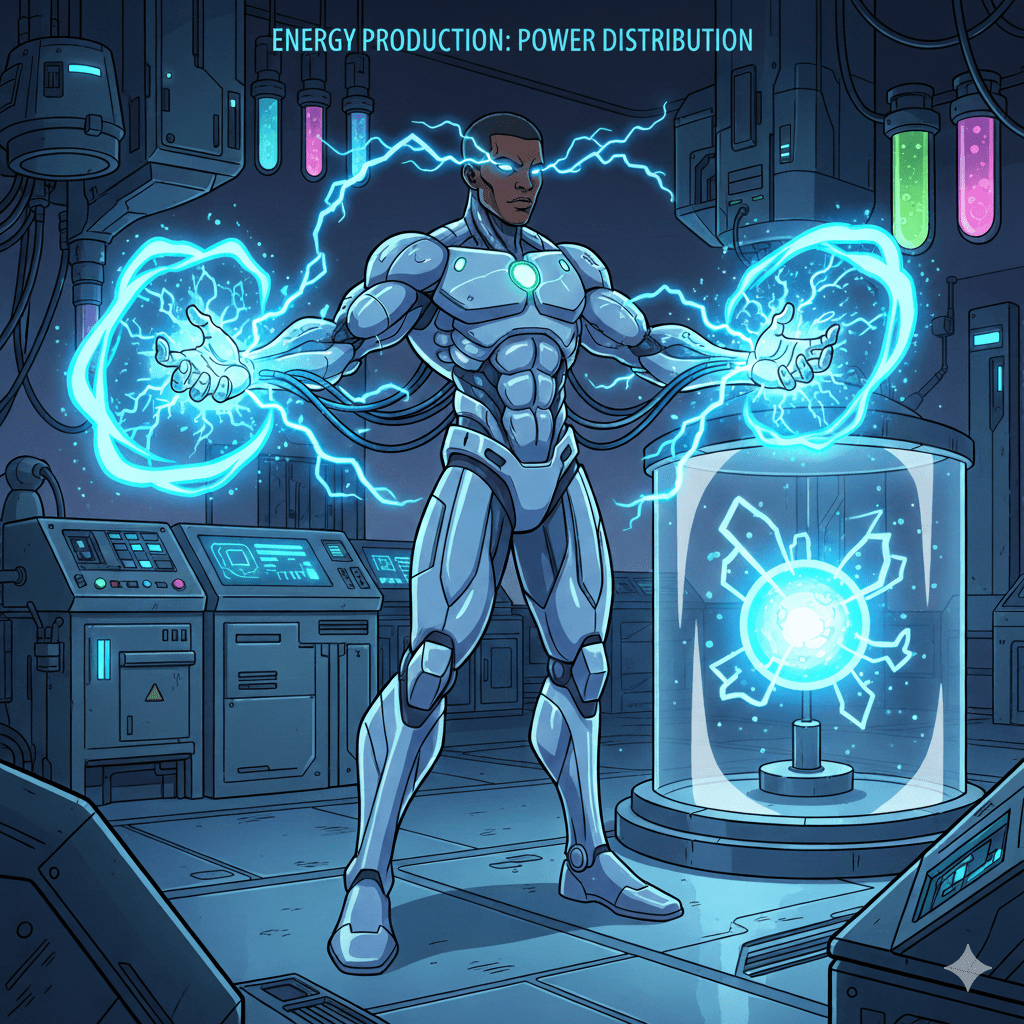
Power distribution is the final stage of the power grid responsible for receiving bulk electric energy from the transmission system and delivering it safely, reliably, affordably, and at appropriate voltage and power quality to virtually every end-use customer—residential, commercial, and light industrial—across cities, suburbs, and rural areas. It begins at the distribution substation, where incoming…
-

A multimeter is a versatile device for measuring electrical properties. It ensures #safety and proper functioning of circuits and outlets. #Electricalengineering #TechDocs

