space
-
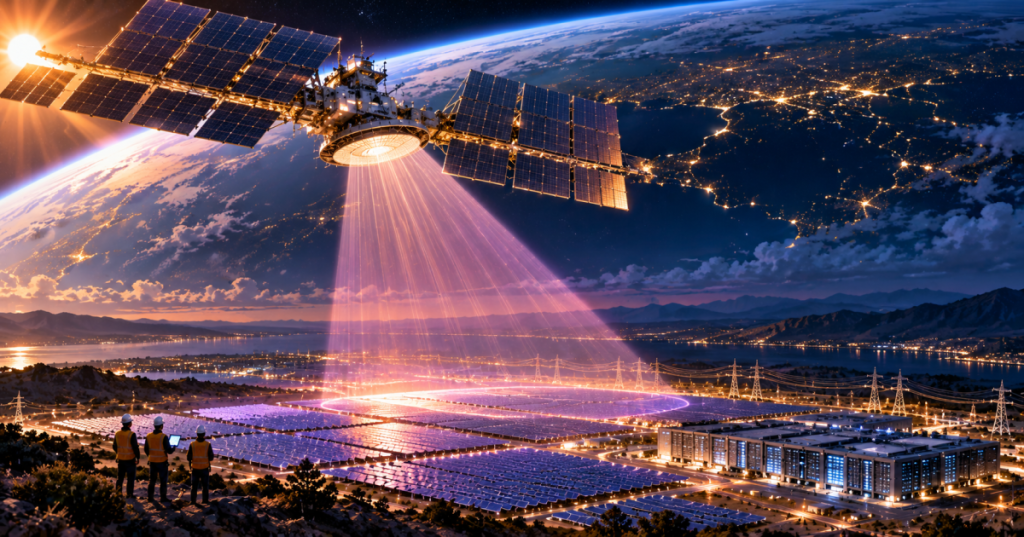
Meta reserved early access to up to 1 GW of proposed space solar power from Overview Energy. Explore the 2028 orbital trial, 2030 delivery goal and technical challenges.
-
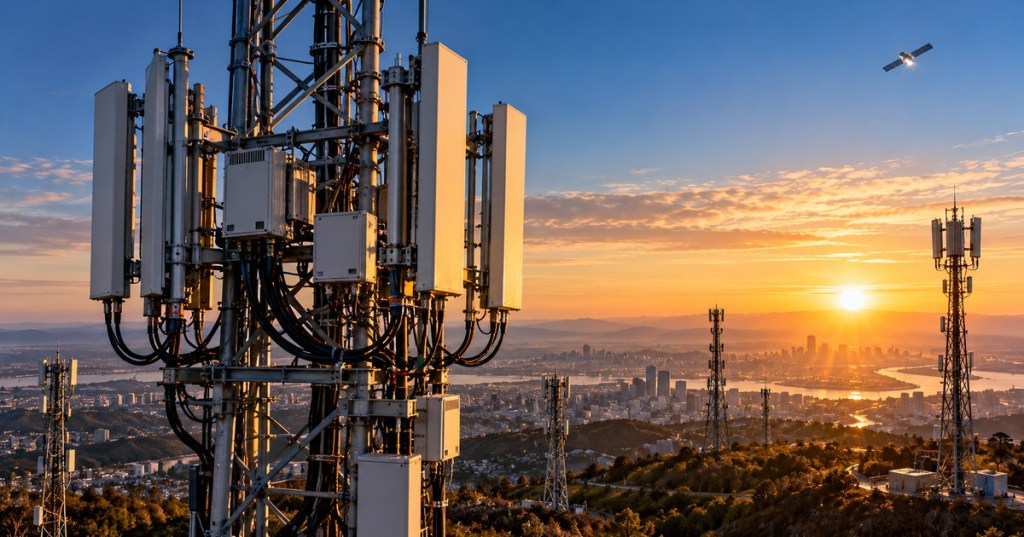
Explore how David Grain’s reported $8 billion SpaceX spectrum agreement connects to Starlink Mobile’s emerging plan for 80,000 U.S. cell sites—and what must happen next.
-
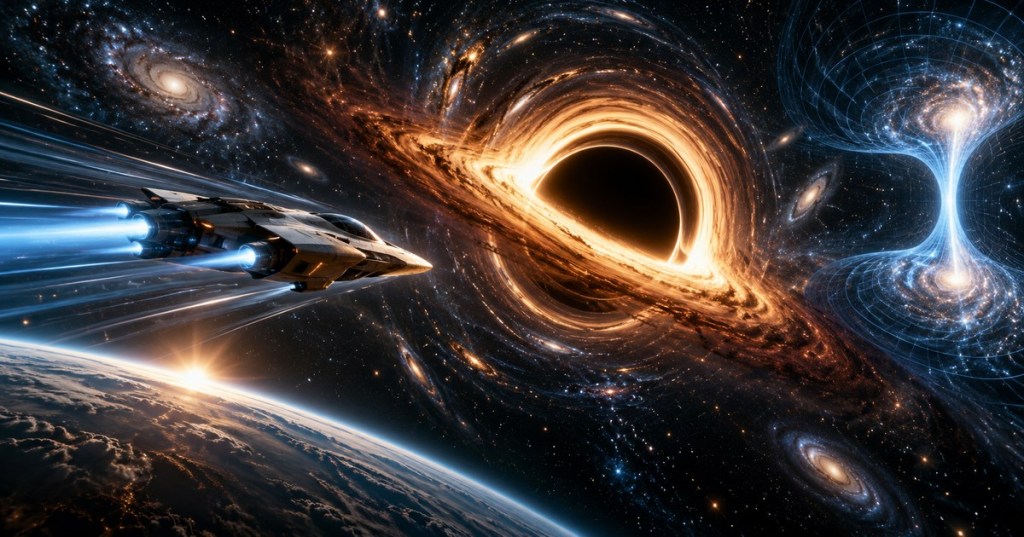
Could 100 years on Earth feel like only a few years in space? Explore the real mathematics of light-speed travel and black-hole time dilation, plus the fascinating science behind hypothetical wormholes.
-
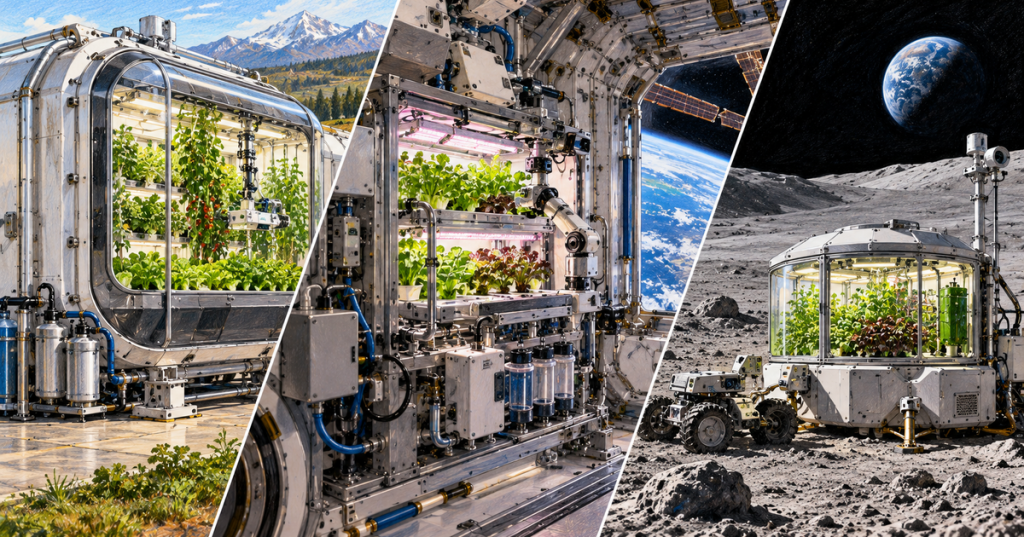
A follow-up on Interstellar Lab’s BioPods: NASA validation, Eden in orbit, Bloom on the Moon, Earth customers, funding and the longer road toward Mars.
-
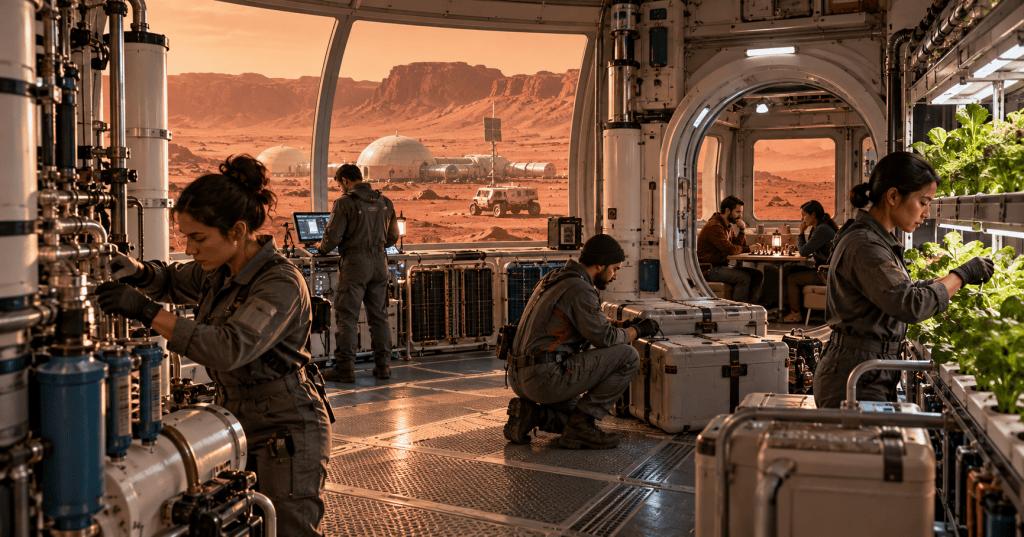
Opinion: Early settlers on Mars will need exercise, but organized sports may be decades away. Survival, compact leisure and low-risk recreation will come first.
-
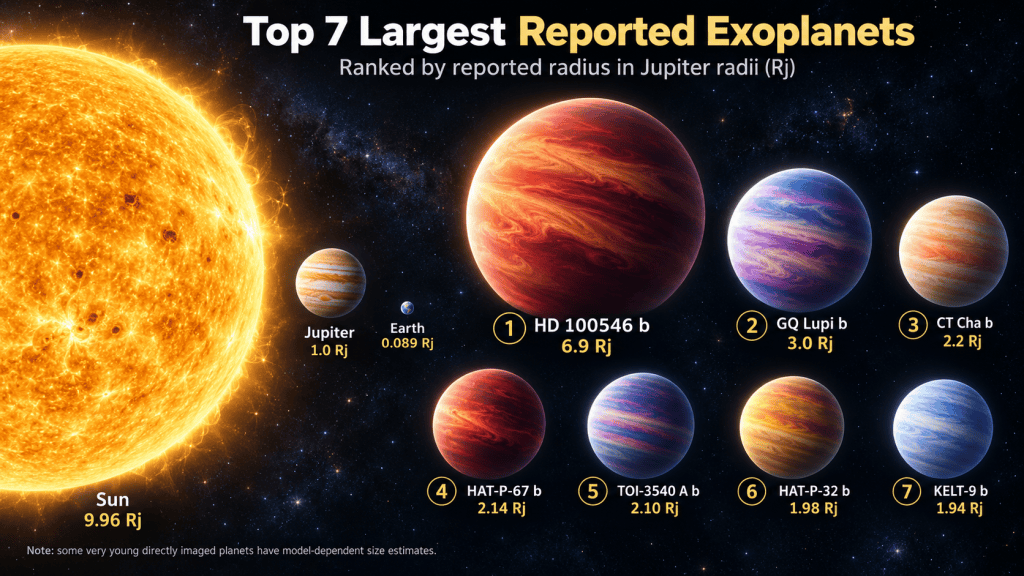
A countdown of seven of the largest reported exoplanet radii, with Jupiter, Earth and the Sun used as scale references — plus the measurement caveats that matter.
-
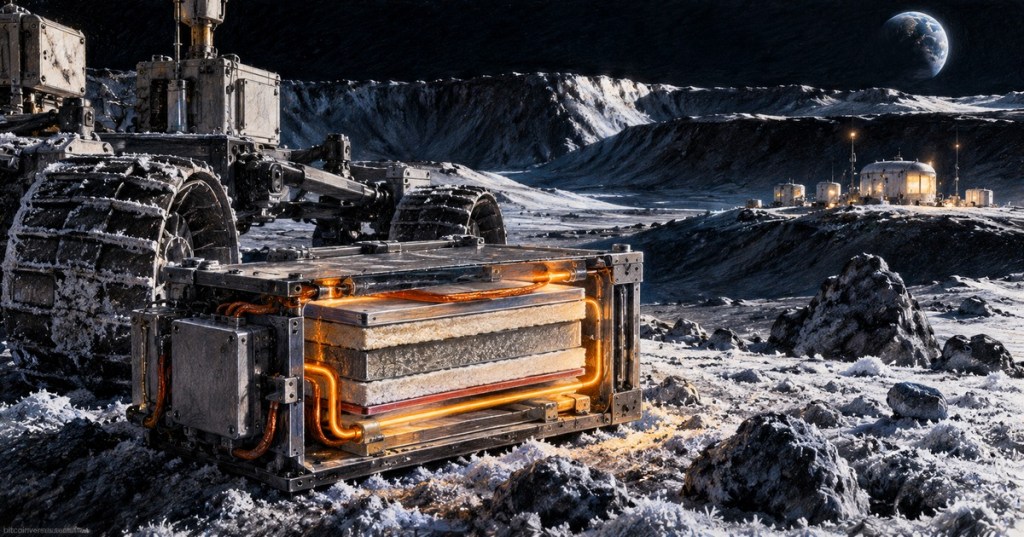
NASA’s SPEARS project has tested solid-state battery cells down to −80°C in operation and through −170°C exposure as it develops power technology for future lunar missions.
-
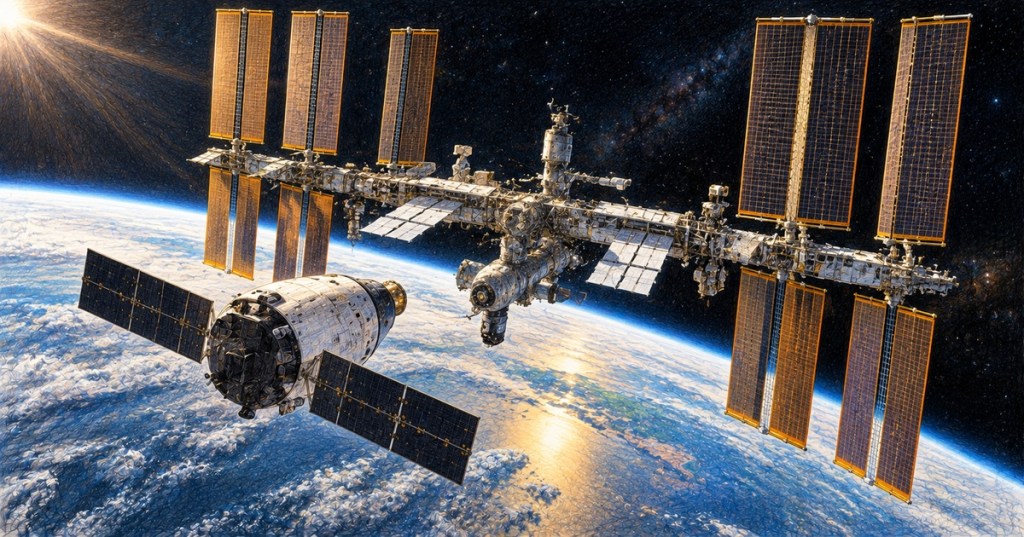
NASA and SpaceX are preparing to launch the final pair of International Space Station Roll-Out Solar Arrays, completing a power upgrade designed to give the aging orbital laboratory substantially more electricity for science and daily operations. NASA says CRS-35 is targeting 6:33 a.m. EDT on October 13 from Space Launch Complex 40 at Cape Canaveral…
-
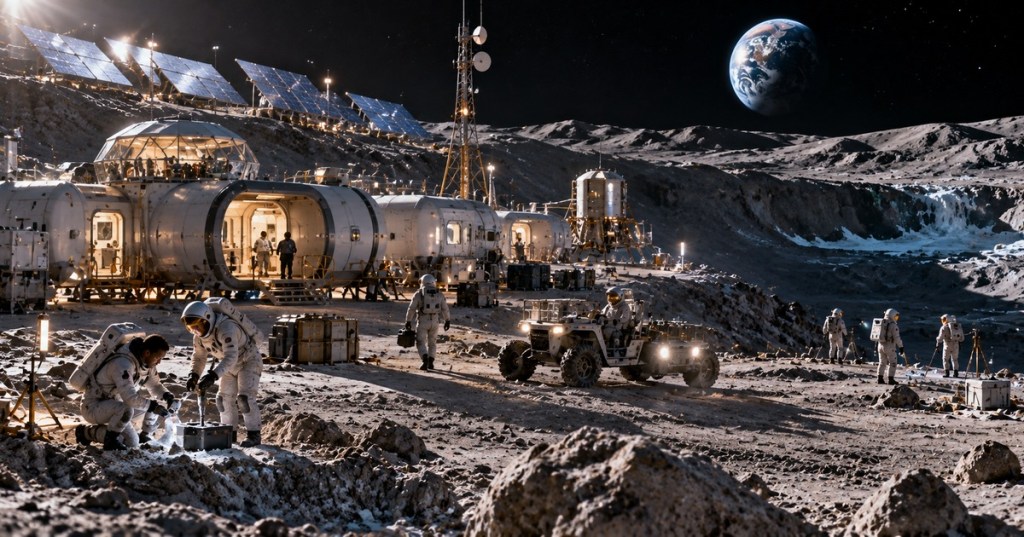
A prime, habitable-ready acre near the Moon’s South Pole could carry a speculative economic use value of roughly $100 million to more than $1 billion, with BitcoinVersus.Tech estimating about $500 million for a premium serviced site.
-
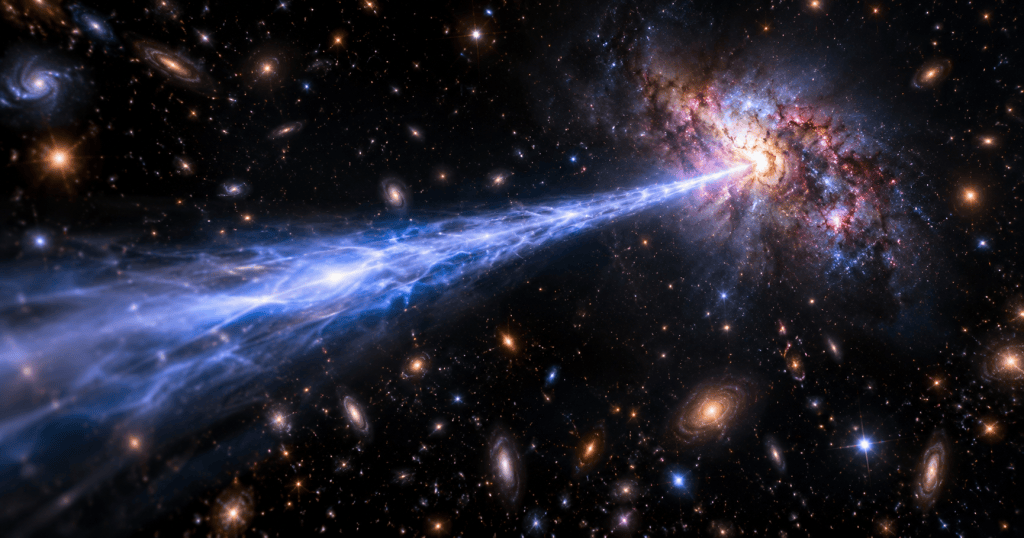
Webb has identified the host galaxy of FRB 20240304B, the most distant fast radio burst yet localized, from just 3 billion years after the Big Bang.
-
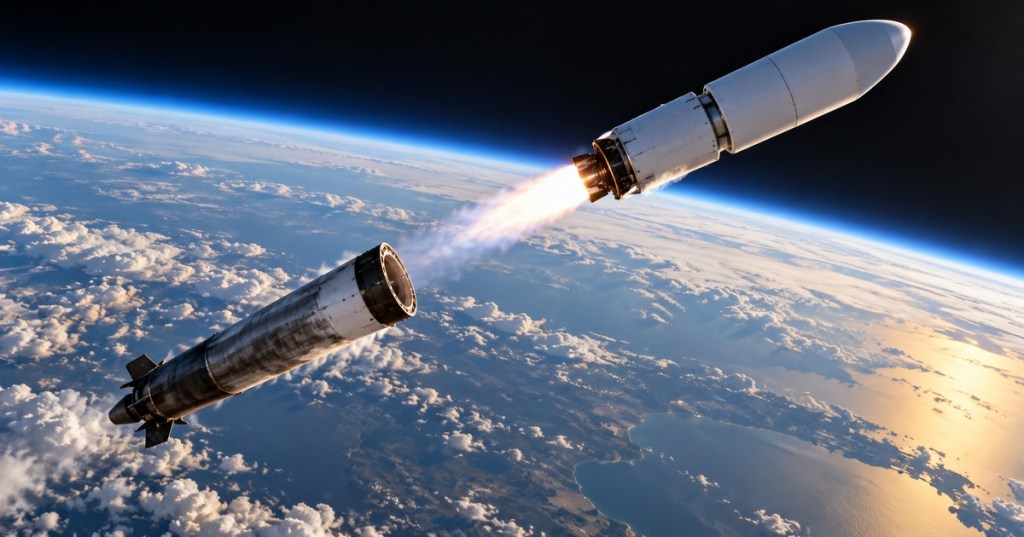
Rockets use stages because empty tanks and engines become dead weight. Dropping them lets the remaining vehicle accelerate more efficiently toward orbit.
-
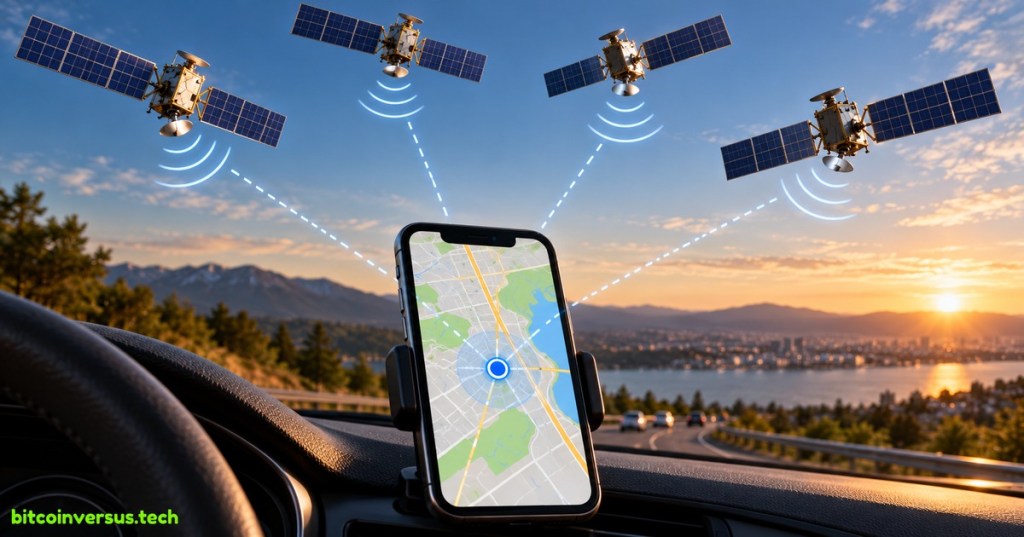
GPS is a satellite system that helps your phone, car, watch, and other devices figure out where they are on Earth.

