space
-
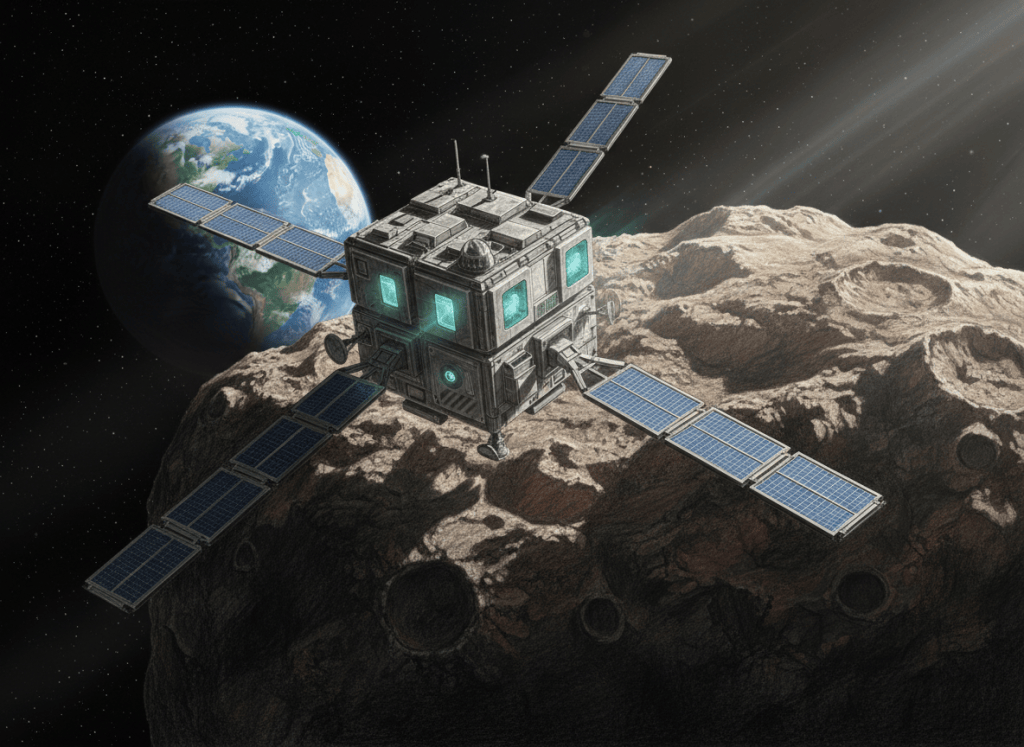
AstroForge’s Solo spacecraft intelligence will fly in shadow mode on DeepSpace-2 before Autonomy-1 attempts a 2027 mission with zero ground commands after separation.
-
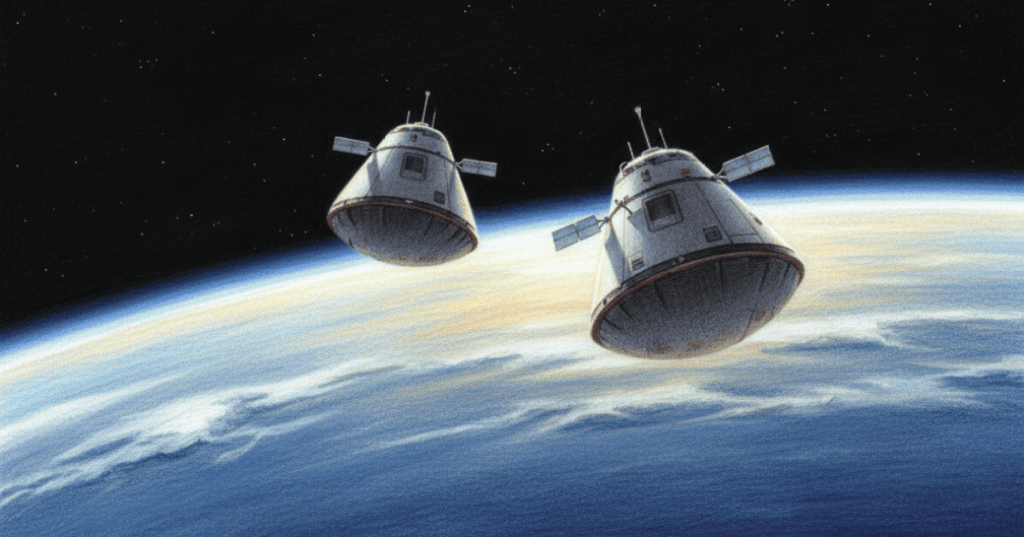
Varda launched W-8 and W-9 together on SpaceX Transporter-18, its first dual-spacecraft launch and a step toward simultaneous fleet operations and routine commercial reentry.
-
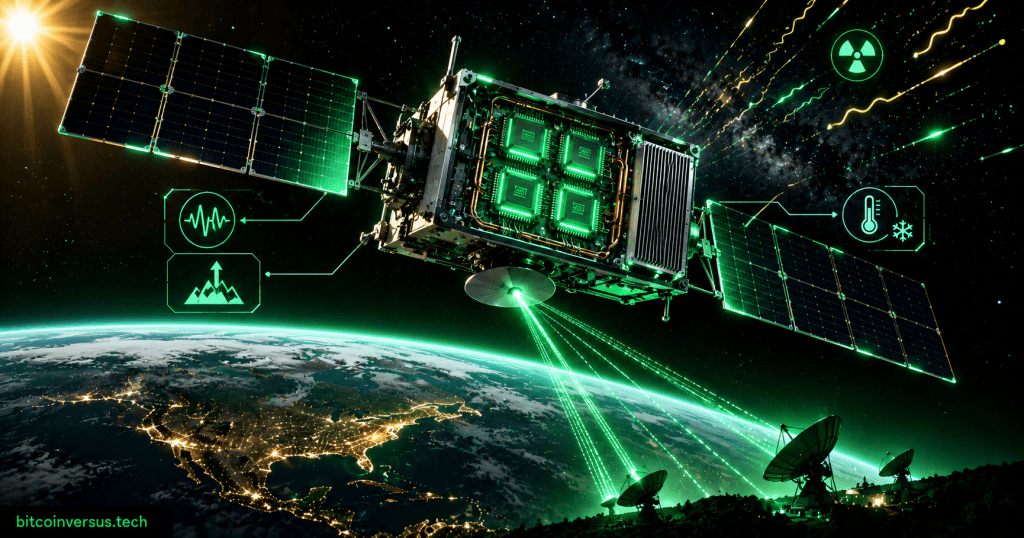
Google’s Project Suncatcher prototype has reached orbit with four TPUs aboard SpaceX Transporter-18, beginning real-world tests of AI compute in radiation, vacuum and thermal extremes.
-
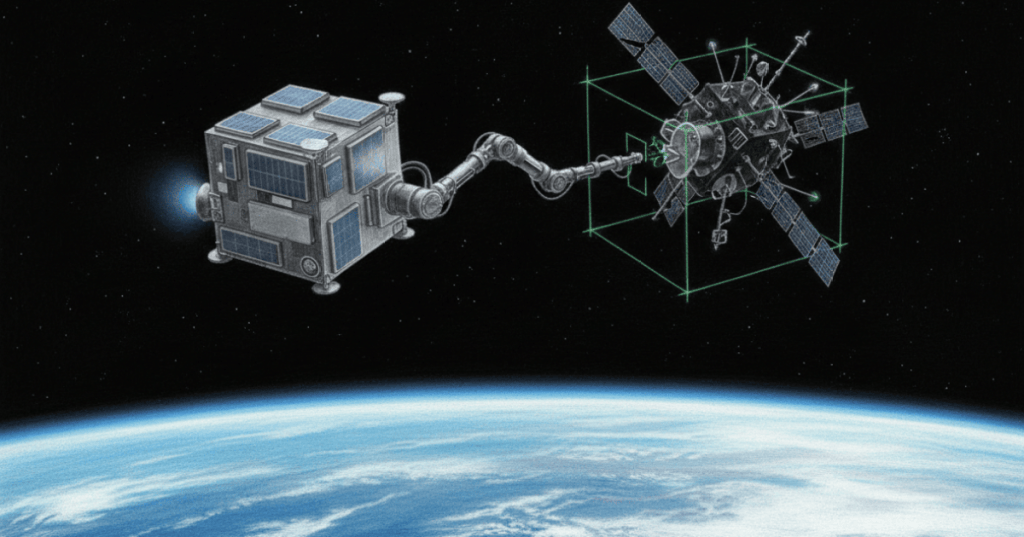
Starfish Space’s Otter 24C is now in orbit for NASA’s SSPICY mission, where it will autonomously inspect inactive satellites using computer vision, electric propulsion and robotic servicing technology.
-
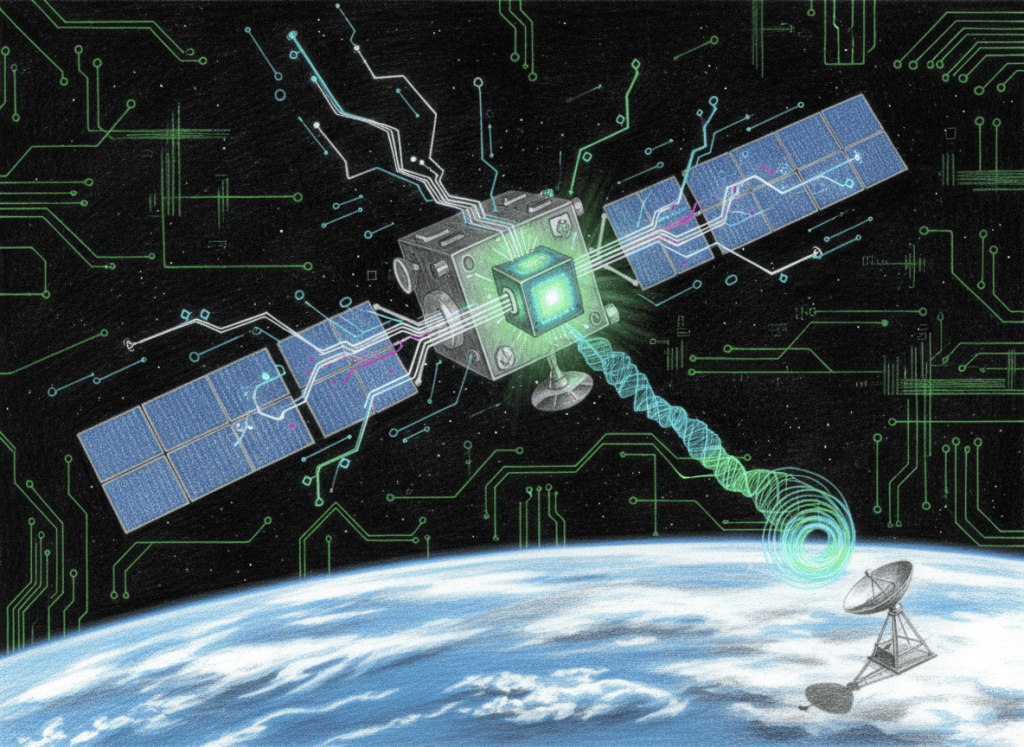
Satlyt raised $8 million to build an AI software layer that processes data aboard existing satellites and ultimately links spacecraft into a distributed orbital cloud.
-
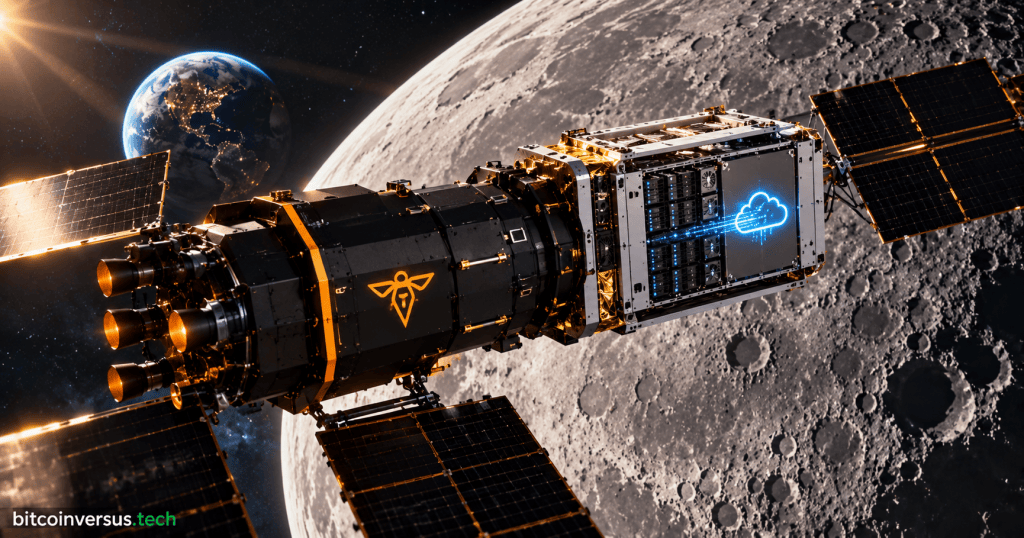
Firefly Aerospace will fly Starcloud’s SC-1L AI-computing payload in lunar orbit on Elytra to test the core architecture of a future data center around the Moon.
-
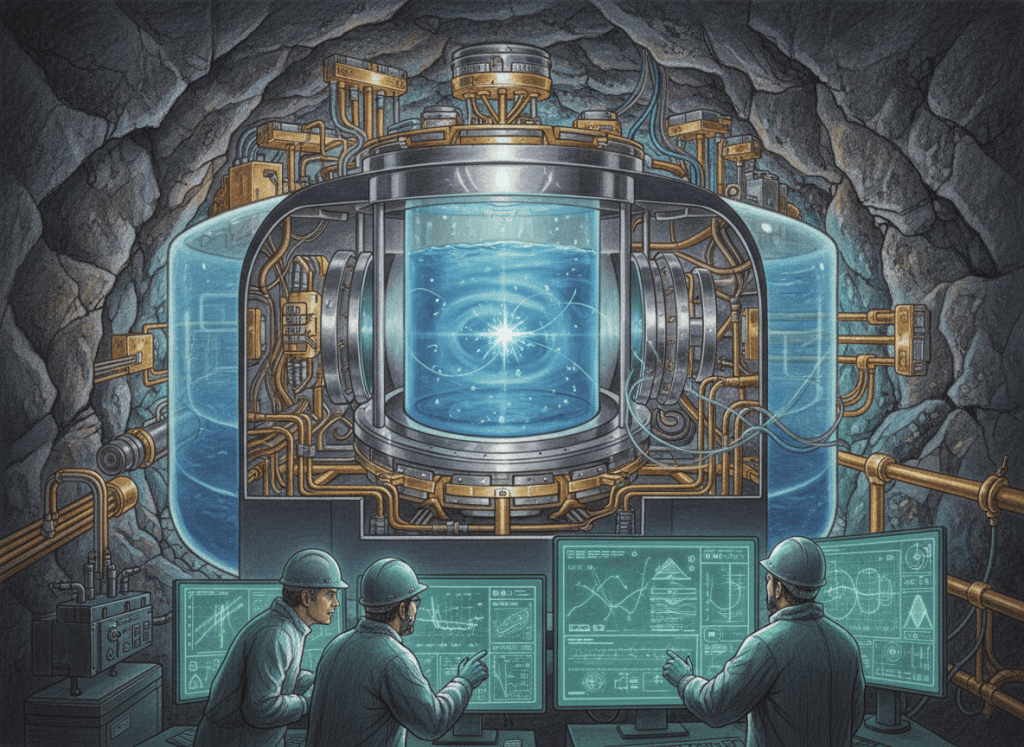
A YouTube-led look at the single unexplained LUX-ZEPLIN nuclear recoil that reached 2.6 sigma—intriguing enough for follow-up, but nowhere near a dark-matter discovery.
-
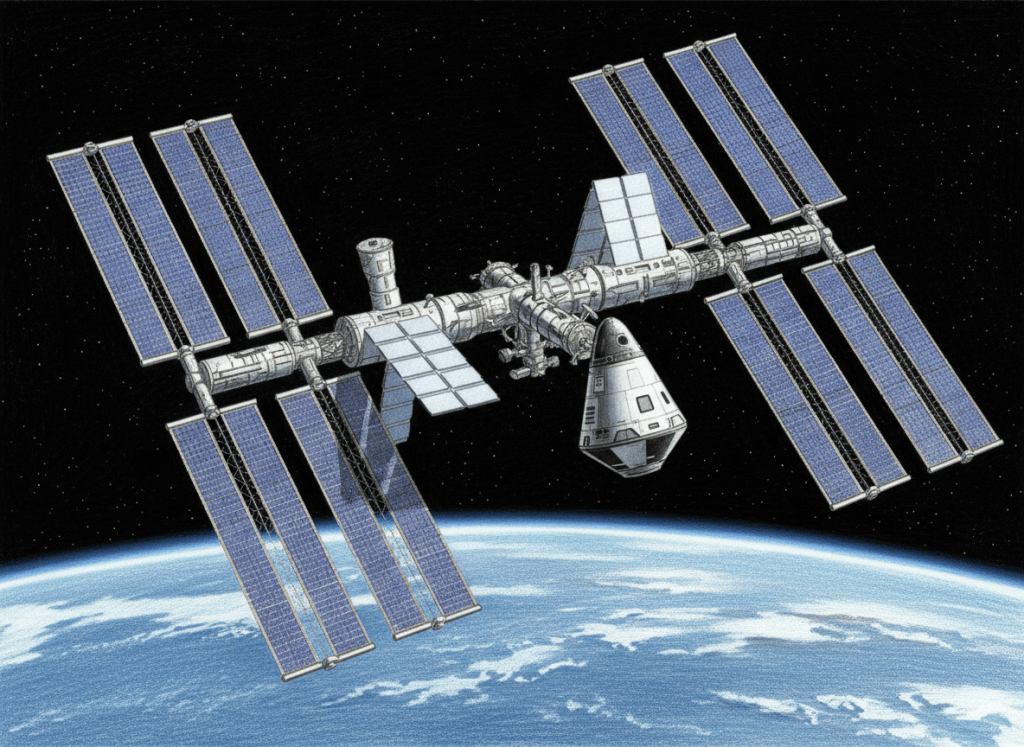
NASA’s SpaceX Crew-13 turned what is normally described as an eight-hour ride to orbit into a U.S. human-spaceflight record. The four-person Dragon crew launched from Cape Canaveral at 11:10 a.m. EDT on October 1 and docked with the International Space Station at about 7:05 p.m., just 7 hours and 55 minutes later. NASA’s Crew-13 launch…
-
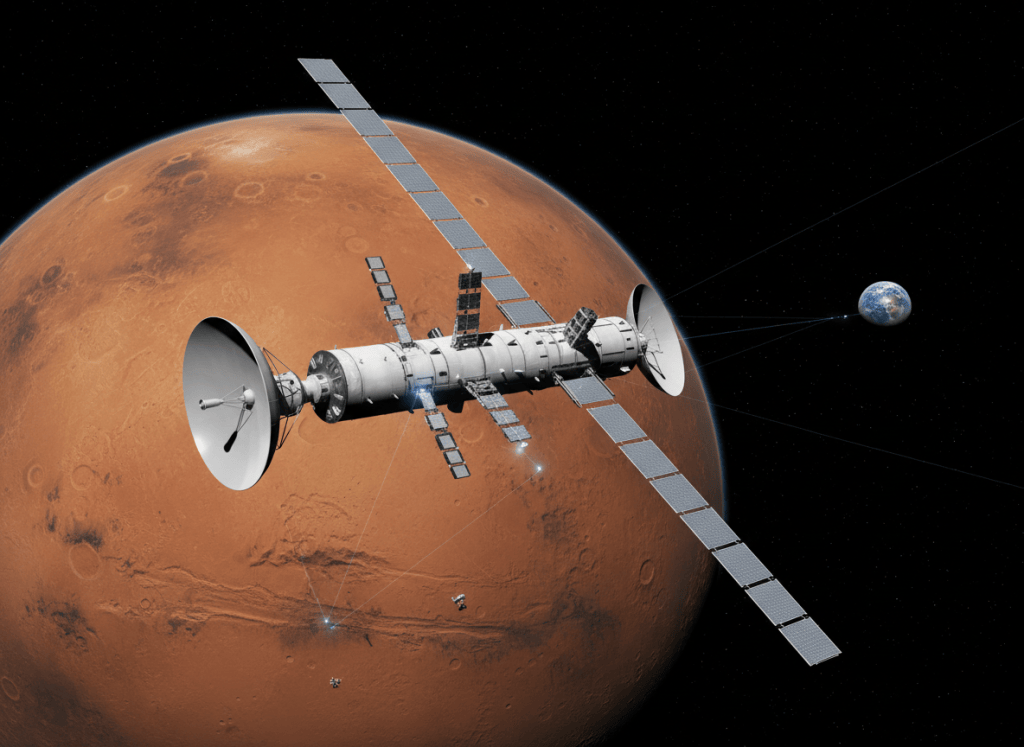
NASA selected Blue Origin to build and operate a dedicated Mars communications and navigation network using a new telecommunications orbiter.
-
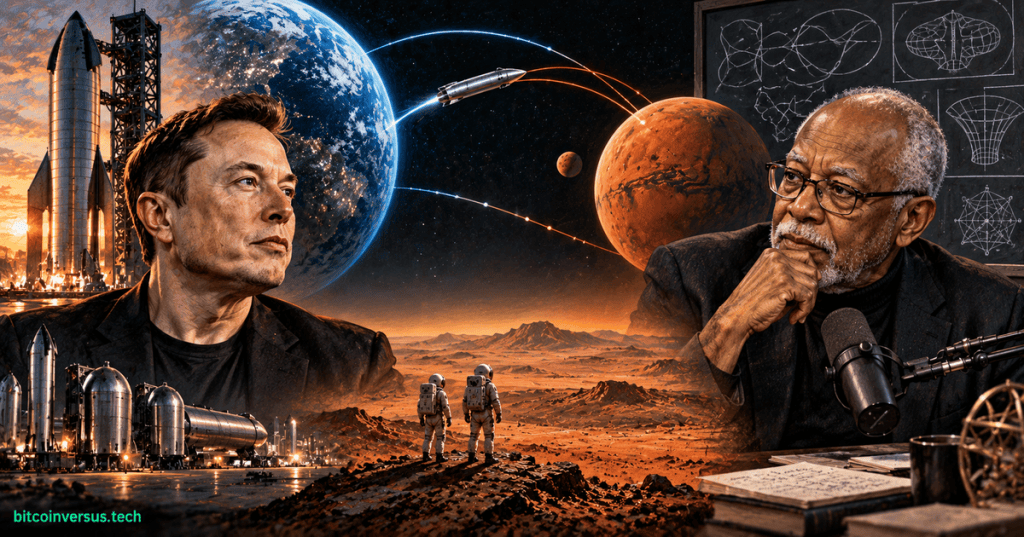
Elon Musk repeatedly forecast humans on Mars far earlier than the hardware has allowed. Physicist S. James Gates Jr. argued the opposite. With Starship finally reaching orbit and SpaceX now pricing Mars cargo for no earlier than 2028, the real timeline is beginning to narrow.
-
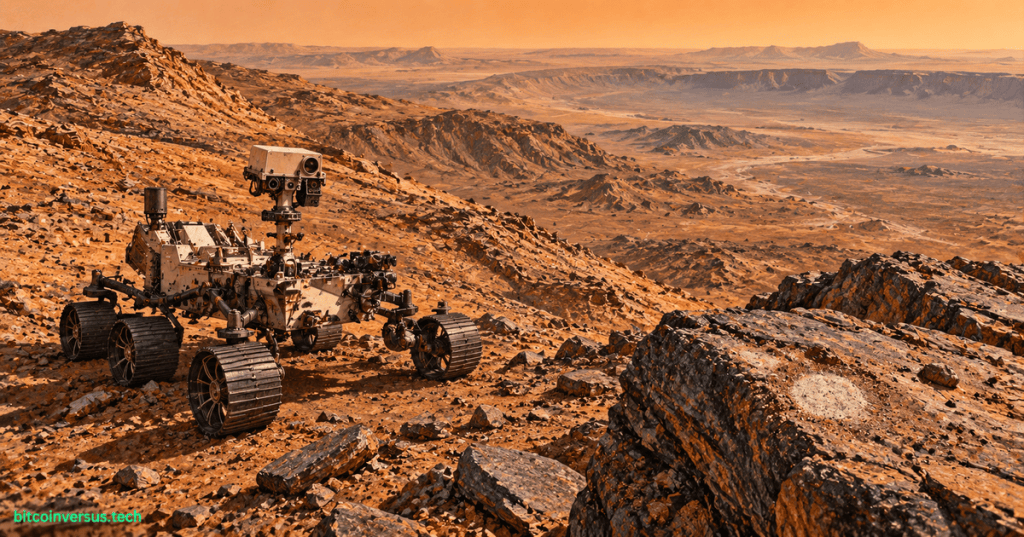
NASA’s Perseverance rover is spending 2026 exploring Lac de Charmes west of Jezero Crater, where some of the oldest rocks it has encountered may preserve clues to Mars’ earliest crust and impact history.
-
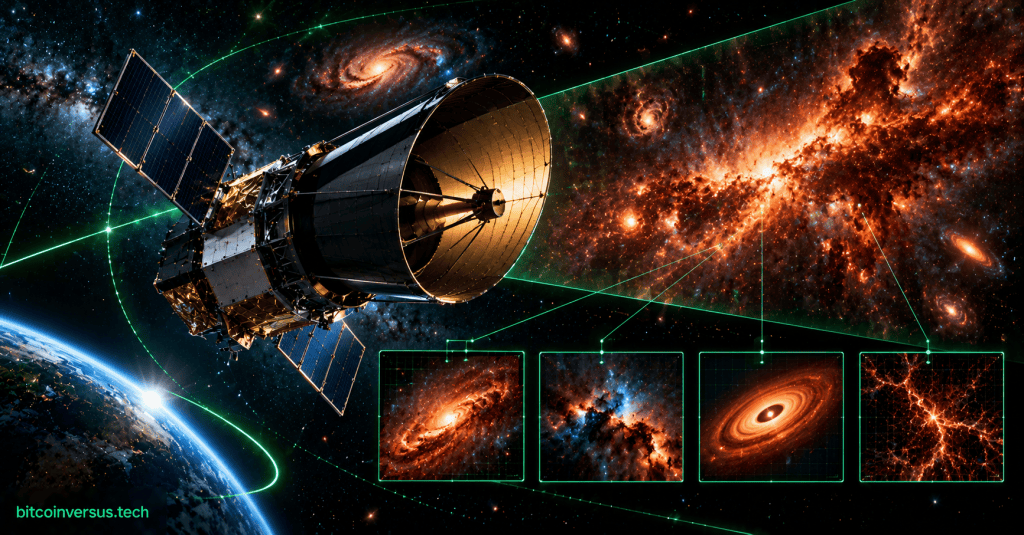
NASA selected PRIMA as the first Probe Explorers mission, a cryogenic far-infrared telescope designed to study cold dust, planet formation and galaxy evolution beyond Webb’s wavelength range.

