
The race to build AI computing infrastructure has produced projects measured in gigawatts rather than megawatts. This ranking covers the seven largest tracked frontier AI data-center campuses by projected IT power in the Epoch AI dataset as of October 27, 2026. It is not a ranking of every proposed multi-campus real-estate or power-generation scheme worldwide. Each entry includes one distinct project-specific media image.
Crucially, planned IT power is not current electricity consumption. The figures below are Epoch AI estimates drawn from disclosures, permits, satellite imagery and modeling, not confirmed power-meter readings. A company’s aspirational final campus size may differ from the tracker’s near-term modeled completion phase. For example, Meta has announced a 5 GW Hyperion ambition while the phase tracked here is smaller.
7. QTS Cedar Rapids, Iowa — 1.13 GW projected IT power
QTS’s planned Cedar Rapids project is the seventh-largest planned IT load in the selected Epoch AI snapshot. The image is a project rendering, not a photograph of completed buildings. Demand, power availability and customer commissioning could shift the timetable. Epoch estimate already online: 0 GW. Modeled buildout: November 2027. Review the dated Epoch-based site comparison.
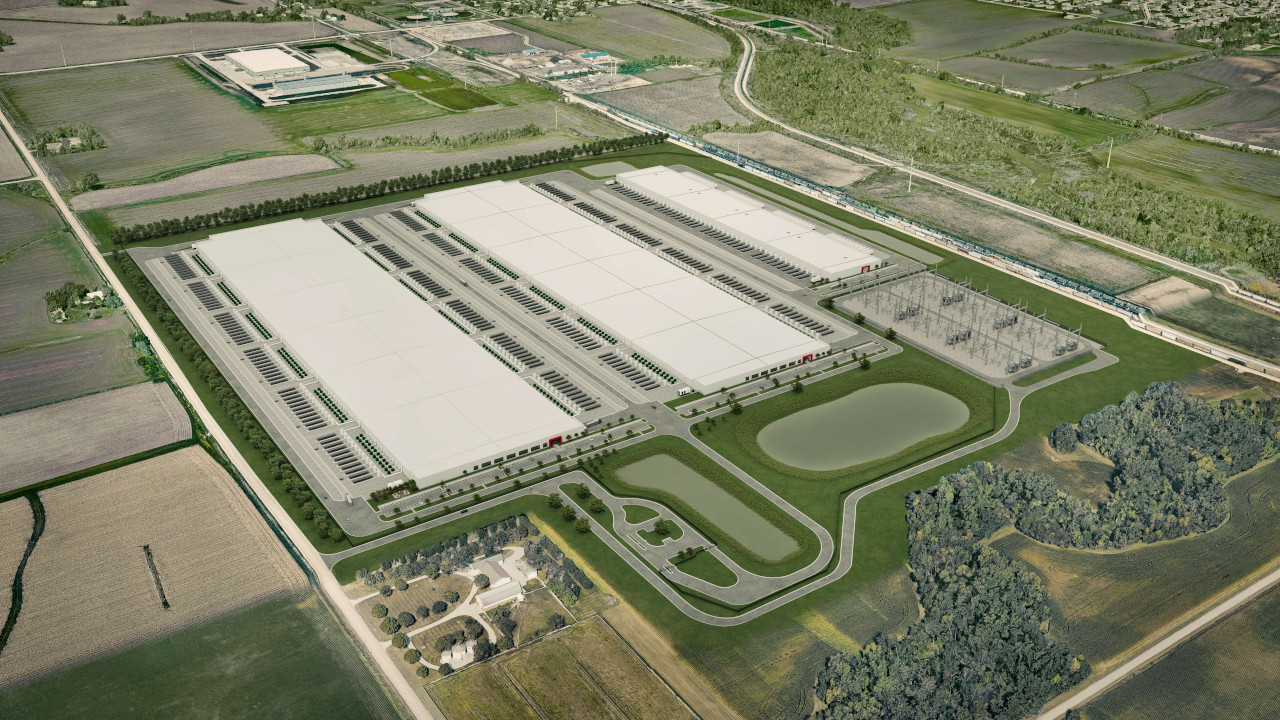
The site photograph or project rendering documents the location or proposed campus design; it is not a visual measurement of energized megawatts. Construction phases, electrical substations and cooling installations may evolve substantially before the projected completion date.
6. OpenAI Stargate Shackelford, Texas — 1.40 GW projected IT power
Vantage’s Frontier campus in Shackelford County is a ten-building development tied to Oracle’s OpenAI Stargate capacity. Oracle reports customer delivery beginning in the first half of 2027, while the tracker models full buildout later. The rendering illustrates the future site rather than its current construction state. Oracle’s project page describes the on-site power and closed-loop cooling. Epoch estimate already online: 0 GW. Modeled buildout: November 2028. Review the dated Epoch-based site comparison.
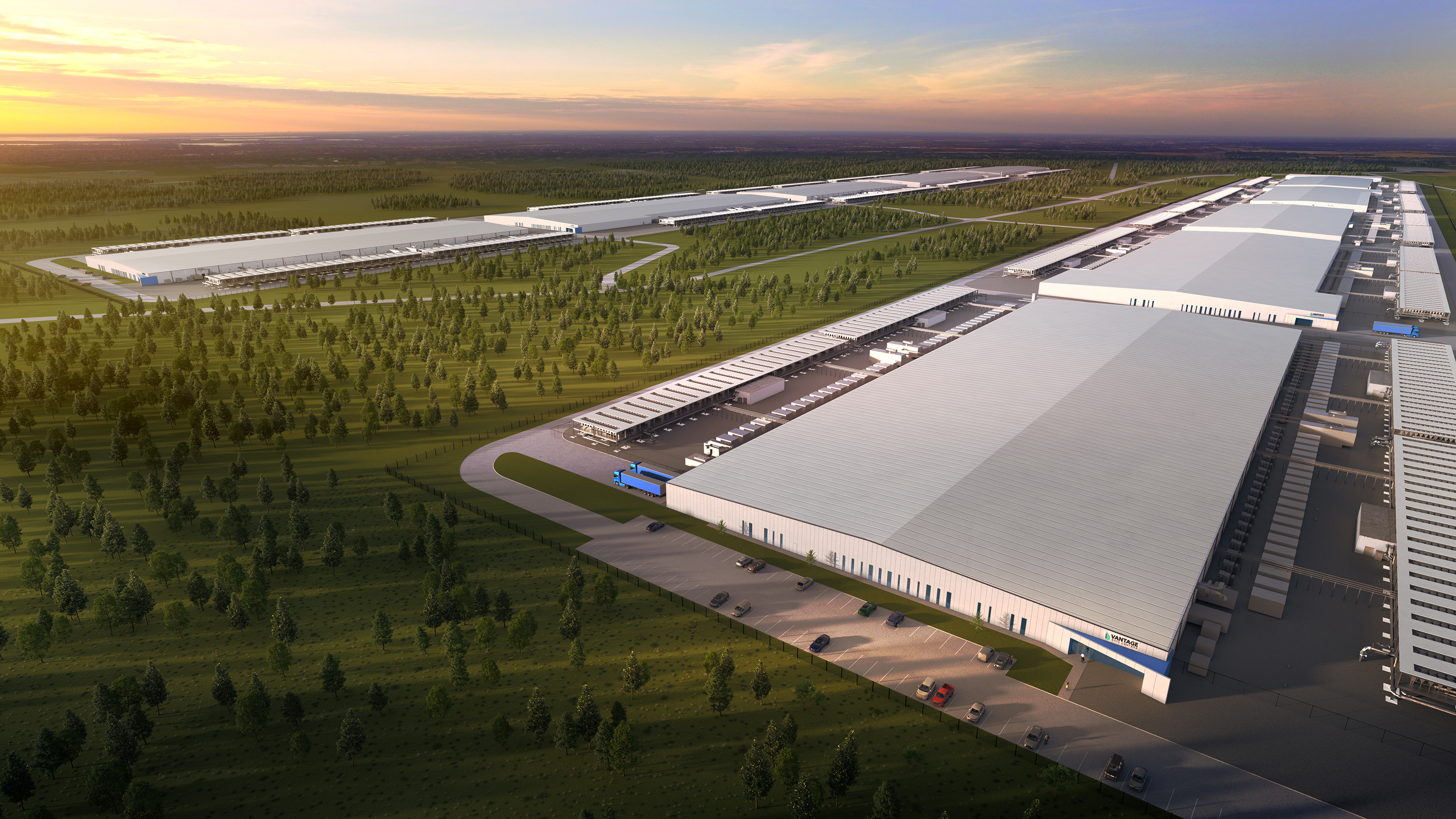
The site photograph or project rendering documents the location or proposed campus design; it is not a visual measurement of energized megawatts. Construction phases, electrical substations and cooling installations may evolve substantially before the projected completion date.
5. SpaceXAI Colossus 2, Memphis/Southaven — 1.53 GW projected IT power
The Colossus 2 complex is the most operationally mature of these seven after Amazon’s New Carlisle campus. Epoch estimates roughly 946 MW already online, with 1.53 GW of projected IT capacity. Its gas-power strategy has also attracted public debate about local air quality and noise. Operational capacity is a model estimate, not a meter reading. Epoch estimate already online: 0.946 GW. Modeled buildout: February 2027. Review the dated Epoch-based site comparison.
WSJ reporter Christopher Mims visits the Colossus 2 site in Southaven and hears concerns from nearby residents. Published October 24, 2026. This video documents the project and its context; it does not independently establish the gigawatt IT-power estimates used in this ranking.
4. Meta Hyperion, Louisiana — 1.63 GW projected IT power
Meta’s July 2026 announcement describes a potential 5 GW ultimate IT-capacity vision for the Richland Parish project. Epoch’s narrower phase-specific projection is about 1.63 GW by early 2028. These are not contradictory figures: one is an expanded full-campus ambition and the other is a modeled near-term phase. Louisiana’s official July announcement describes the expansion. Epoch estimate already online: 0 GW. Modeled buildout: January 2028. Review the dated Epoch-based site comparison.
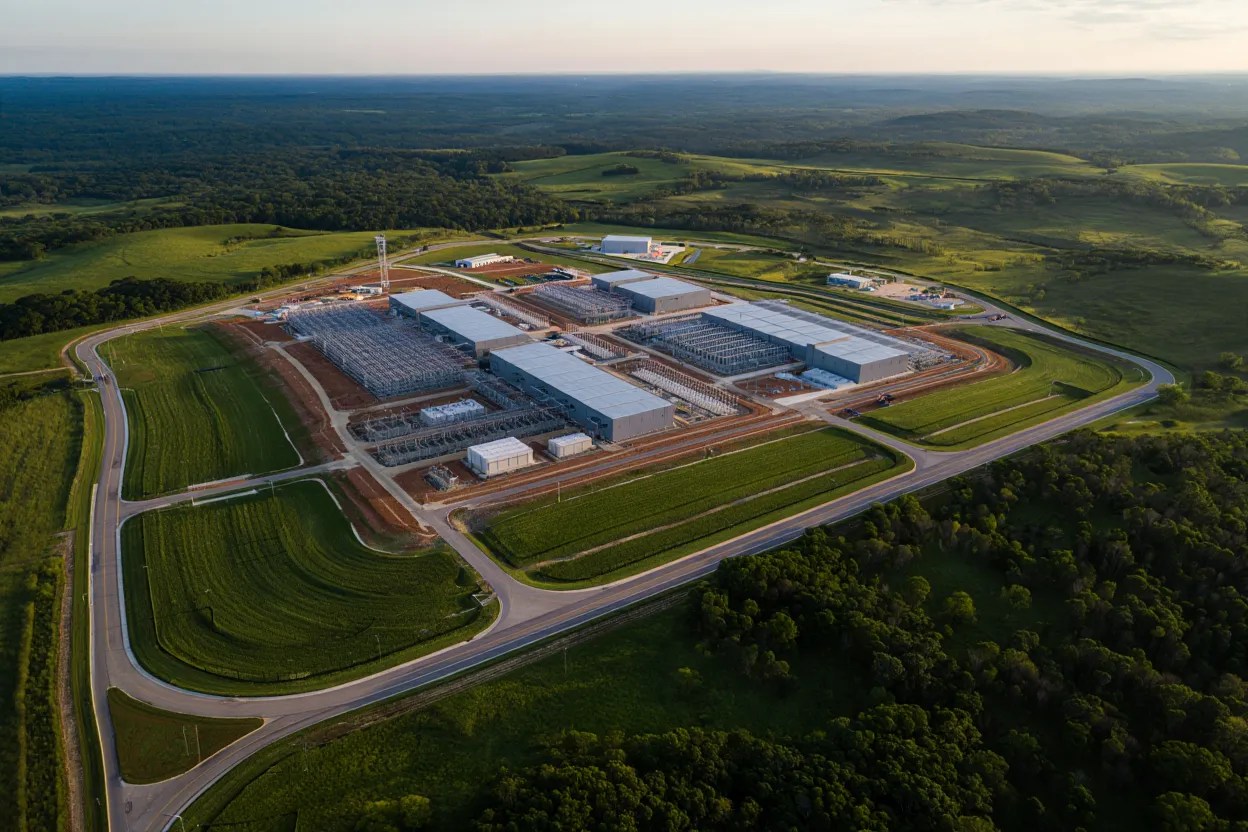
The site photograph or project rendering documents the location or proposed campus design; it is not a visual measurement of energized megawatts. Construction phases, electrical substations and cooling installations may evolve substantially before the projected completion date.
3. OpenAI Stargate New Mexico / Project Jupiter — 1.75 GW projected IT power
Oracle’s Project Jupiter near Santa Teresa is planned around major data halls and an on-site power system. Epoch projects 1.75 GW of IT power by late 2028, while a separate proposed microgrid figure may be larger because generation and IT load are different measurements. Local permitting and environmental litigation remain material schedule risks. Oracle’s statement and local permit chronology provide context. Epoch estimate already online: 0 GW. Modeled buildout: December 2028. Review the dated Epoch-based site comparison.
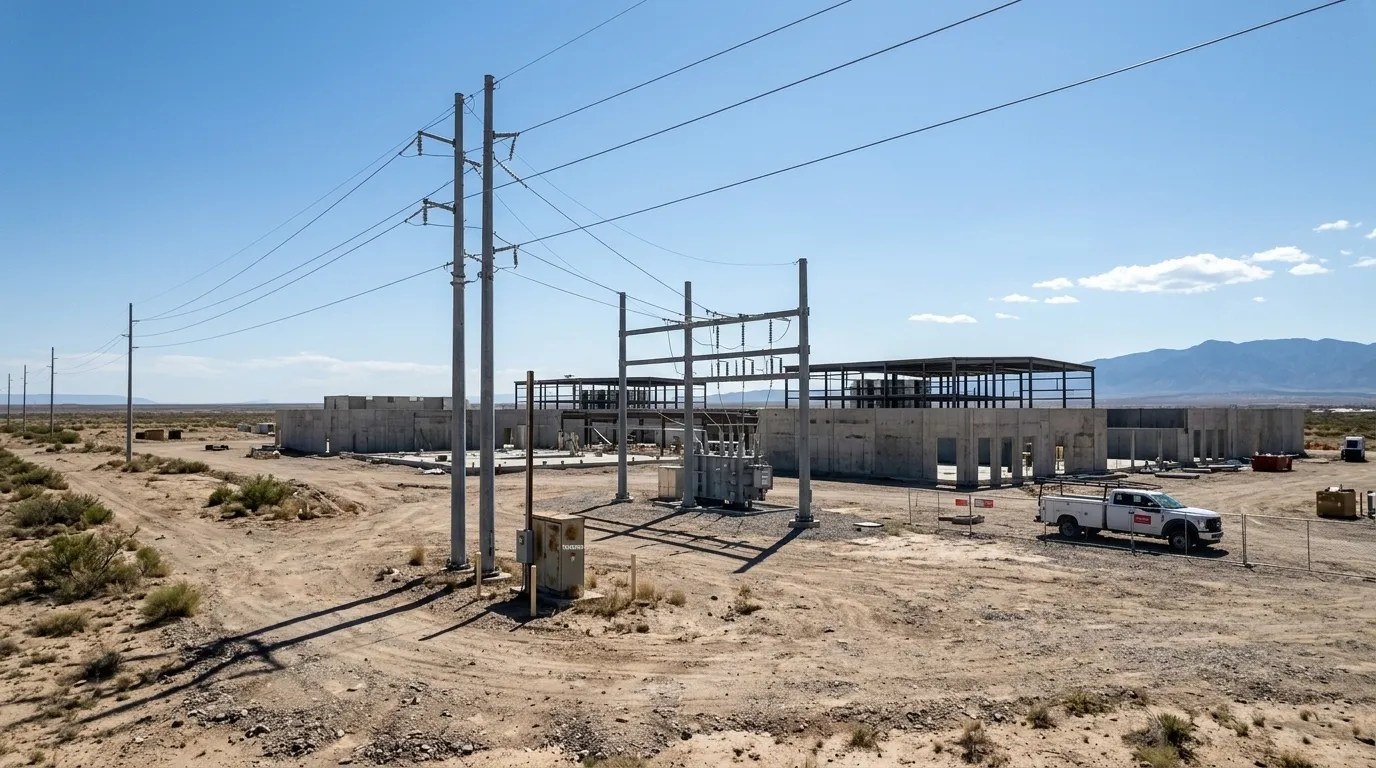
The site photograph or project rendering documents the location or proposed campus design; it is not a visual measurement of energized megawatts. Construction phases, electrical substations and cooling installations may evolve substantially before the projected completion date.
2. Amazon–Anthropic Project Rainier, Indiana — 1.93 GW projected IT power
Amazon’s New Carlisle campus powers Anthropic training and inference using AWS Trainium accelerators. Epoch estimates 1.037 GW of IT power online in October 2026, the largest operating estimate among these seven. Anthropic’s April 2026 compute agreement spans multiple AWS facilities and up to 5 GW of additional capacity, which must not be conflated with this single Indiana campus. Epoch estimate already online: 1.037 GW. Modeled buildout: March 2028. Review the dated Epoch-based site comparison.
CNBC’s on-location look inside Amazon AWS Project Rainier in New Carlisle, Indiana, including the custom Trainium infrastructure used for Anthropic. Published October 2025. This video documents the project and its context; it does not independently establish the gigawatt IT-power estimates used in this ranking.
1. Microsoft Fairwater Wisconsin — 2.26 GW projected IT power
Microsoft’s Fairwater development in Mount Pleasant tops the tracker by projected 2028 IT power at about 2.26 GW. The original campus has already entered service, but the planned total includes expansion phases and is not the power currently online. Microsoft’s official engineering overview describes dense GPU networking, liquid cooling and the massive build program. Epoch estimate already online: 0.369 GW. Modeled buildout: May 2028. Review the dated Epoch-based site comparison.
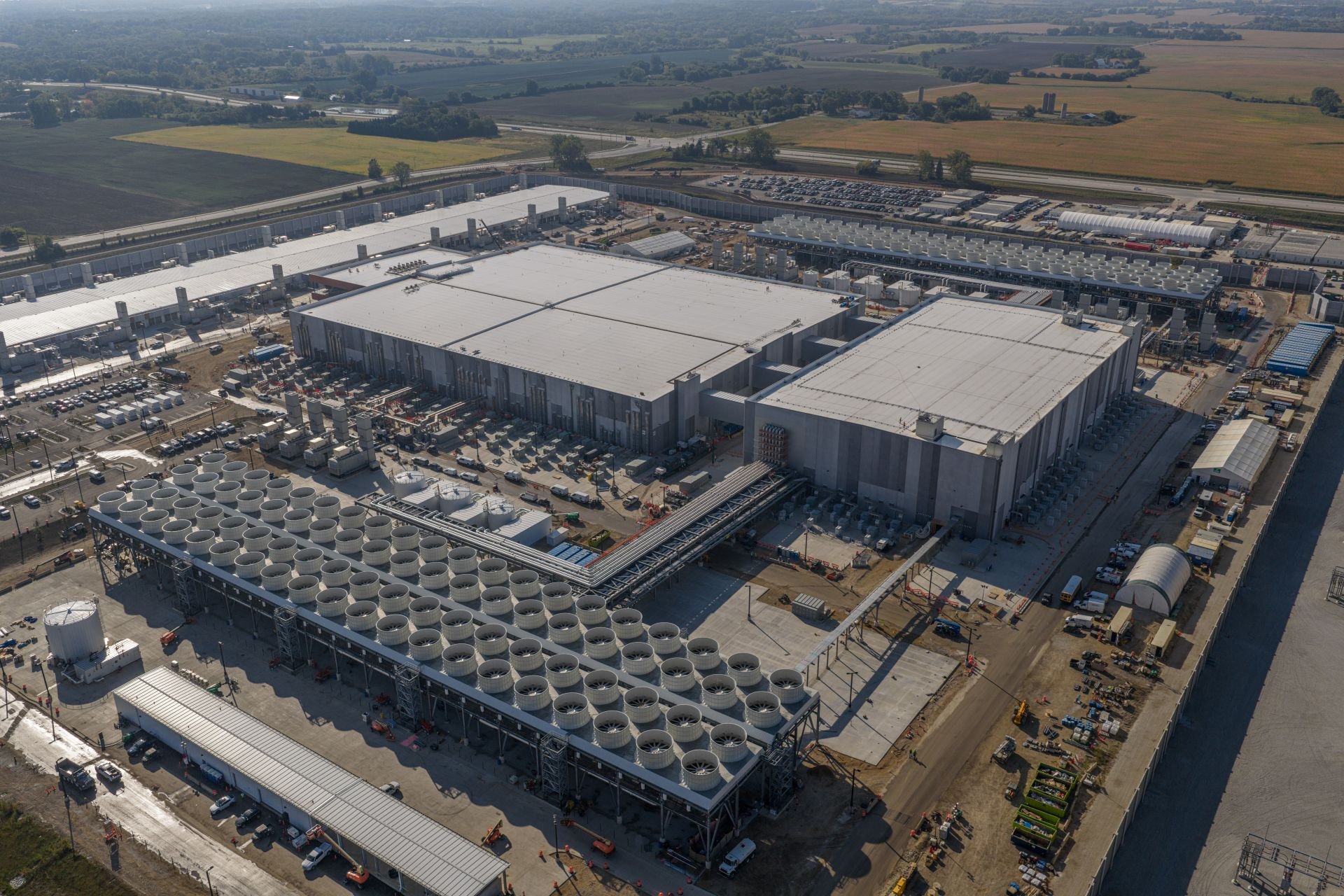
The site photograph or project rendering documents the location or proposed campus design; it is not a visual measurement of energized megawatts. Construction phases, electrical substations and cooling installations may evolve substantially before the projected completion date.
The scale is extraordinary, but comparing 2028 projected IT power to 2026 operational power can distort the story. Our earlier reporting on OpenAI’s 8 GW Ohio proposal concerns a much larger long-horizon announced program that is outside this seven-site modeled IT-power dataset. Also see our analysis of NVIDIA’s modular AI data-center deployment strategy and seven cooling technologies. The real question is how much compute becomes energized, connected, cooled and useful—not how many gigawatts fit on a press-release slide.
Editor’s Note: BitcoinVersus.Tech separates operator announcements from third-party power estimates and forecasts. If this reporting is useful, consider supporting our work with 5,000 sats by scanning the donation QR code below.

Scan the code with your Bitcoin wallet, ideally from a desktop or larger screen.


Leave a Reply