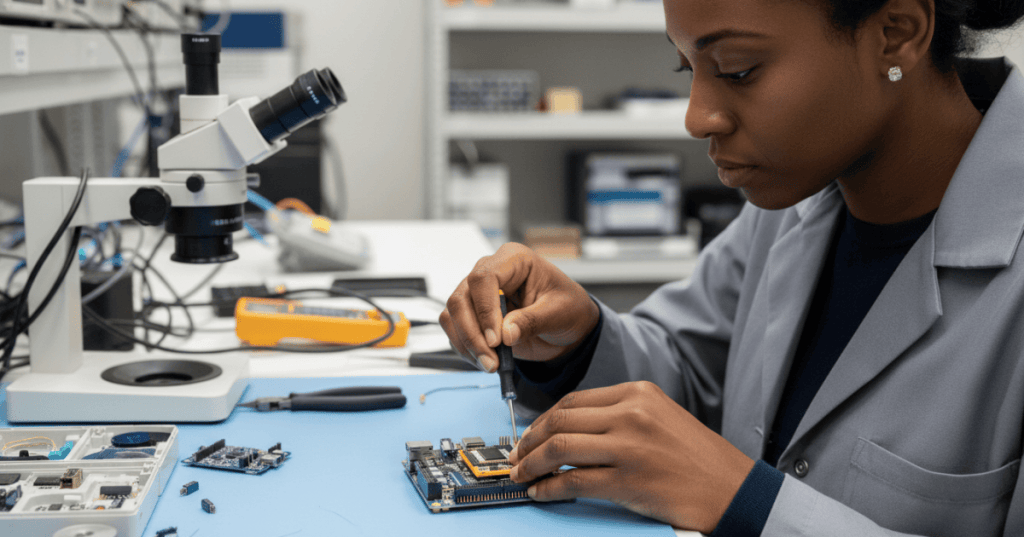
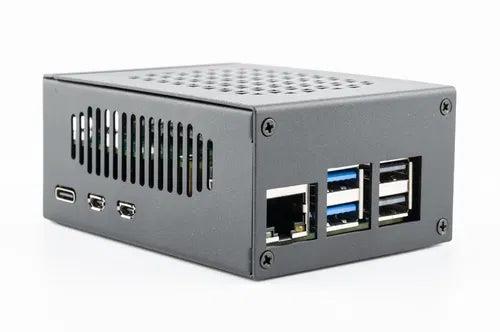
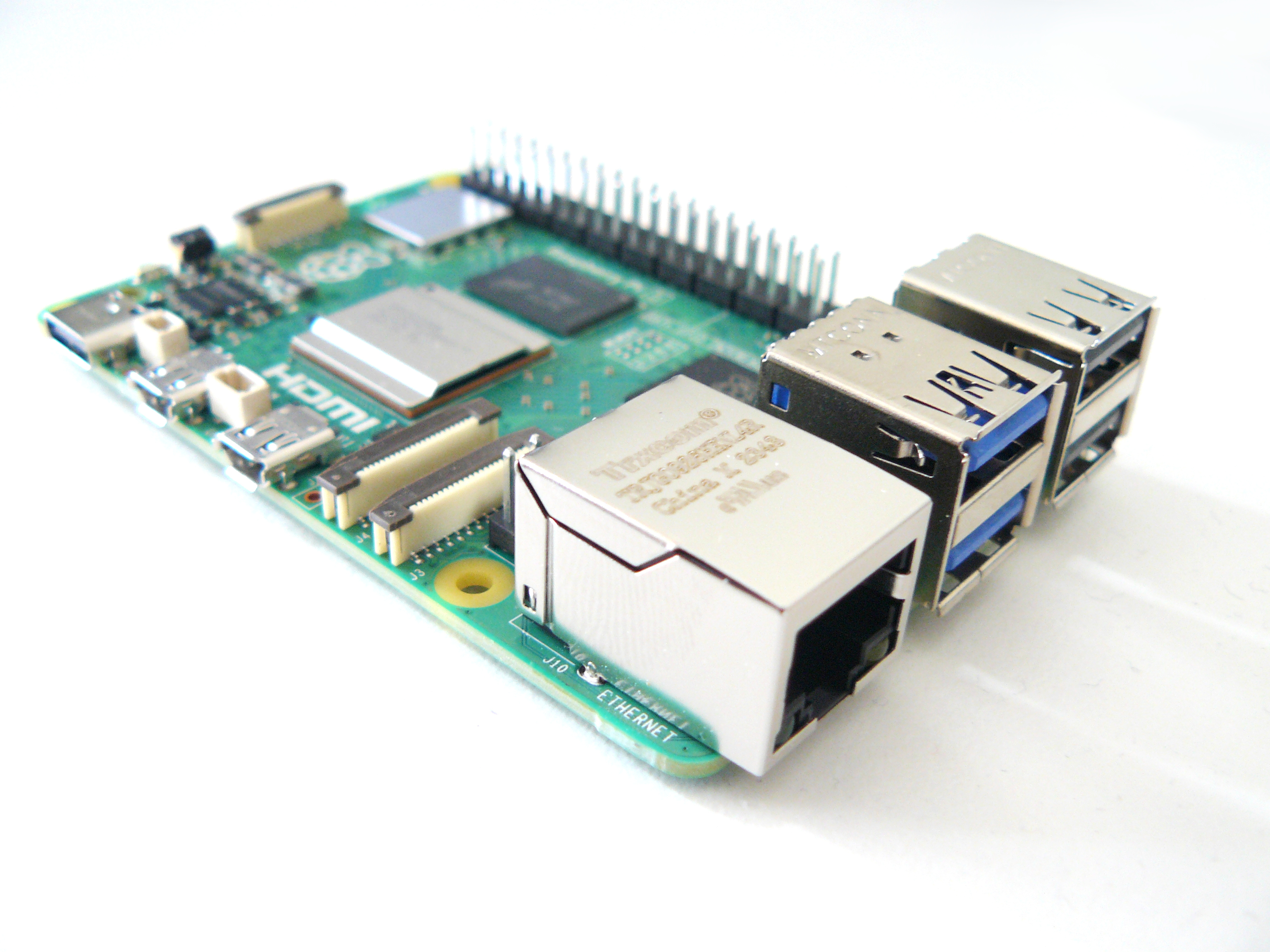
BrainChip launched its AKD1500 Raspberry Pi 5 Development Kit on October 29, 2026, making the California company’s neuromorphic AI processor accessible on a familiar single-board computer. The available kit combines a Raspberry Pi 5 with an AKD1500 M.2 accelerator, allowing developers to evaluate always-on local sensing and on-chip learning before designing the same silicon into a product.
Unlike a conventional accelerator that continuously processes an entire input stream, the AKD1500 is designed for event-based computing: its processor reacts to selected sensor changes, which can save energy on suitable workloads. BrainChip says it can learn a new keyword, gesture or object category on the device without uploading training data. Those capabilities require real application testing; the launch does not establish a universal performance advantage over CPUs or GPUs.
One chip from prototype to product
The M.2 card connects through the Raspberry Pi 5 expansion ecosystem. Developers can use BrainChip’s MetaTF tools, with planned Docker images to simplify benchmarking, and later integrate the AKD1500 through PCIe or SPI. The company separately announced its SPI-interface variant in October for microcontroller-based products.
The development follows June’s AKD1500 production shipments. BrainChip says GlobalFoundries manufactures the processor on its 22-nanometer FD-SOI process. The current kit lowers the prototyping barrier; it does not mean a customer has yet committed to manufacturing a finished device.
Why the hardware matters
Battery-powered always-on vision, industrial acoustic detection and robotics are natural evaluation targets. The kit also complements BrainChip’s separately announced Sequora generative-AI IP; they are different products, not interchangeable chips. Local inference also illustrates the software and disclosure distinctions in our open-weight versus closed-model explainer.
BrainChip has not published a standardized Raspberry Pi 5 benchmark demonstrating absolute wattage, accuracy or latency against alternatives. Developers should measure those metrics against a conventional processor using the same workload and model. The next milestones are independent tests, OEM design wins and production deployment—not a marketing claim alone.
Editor’s Note: We volunteer daily to ensure the credibility of the information on this platform is Verifiably True. If you would like to support our work and help further secure the integrity of our research initiatives, please scan the QR code below to donate 5,000 sats.

For mobile scanning, open this article on a laptop or larger display and scan the original code using a compatible Bitcoin wallet. Verify the destination address before sending: 3C9o19EH5HSiwEPyCTmEKzxhNCbo2X6TTb.
BitcoinVersus.tech is not a financial advisor. This media platform reports on financial subjects purely for informational purposes.


Leave a Reply