Trending News
-
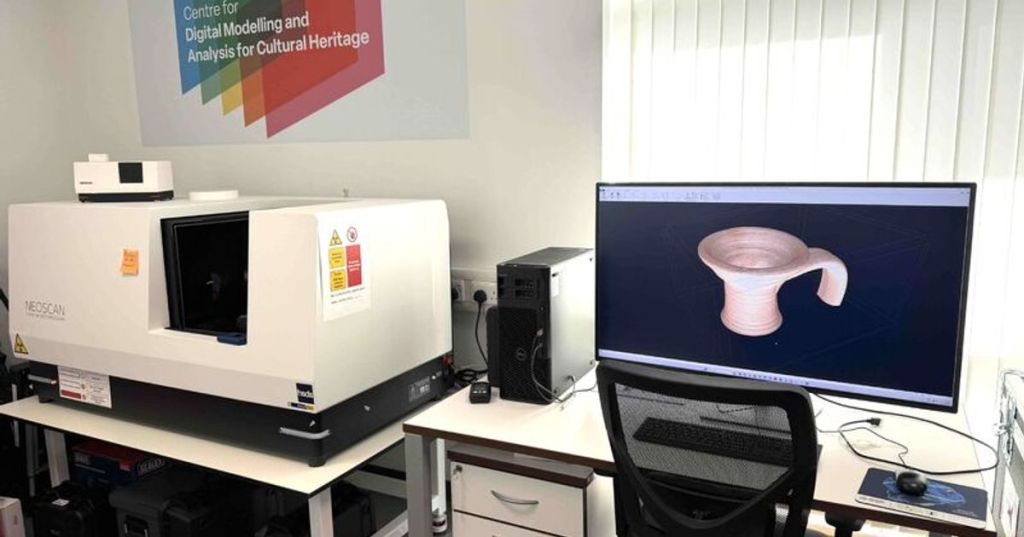
Manchester Metropolitan University’s new D-MACH cultural heritage lab uses micro-CT scanning, 3D models and tactile replicas to help museums study artifacts.
-

Potomac Edison filed a Virginia application for nearly 29 miles of transmission upgrades. The Gore–Doubs–Goose Creek project proposes 500-kV circuits, with construction planned for 2028.
-
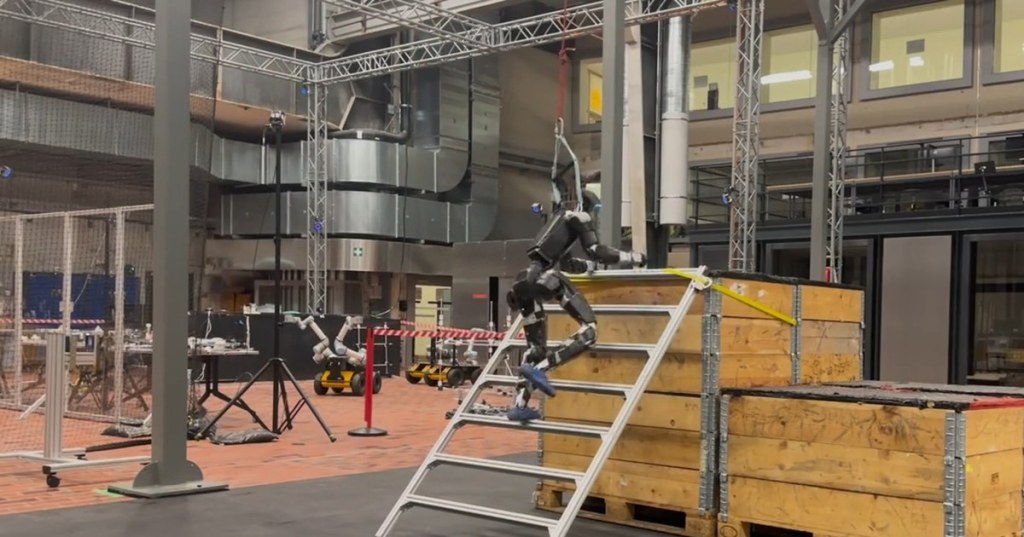
ETH Zurich’s contact-planning research gives a Unitree G1 one controller for ladders, vaults and recovery, with a 92.5% success rate measured in simulation.
-
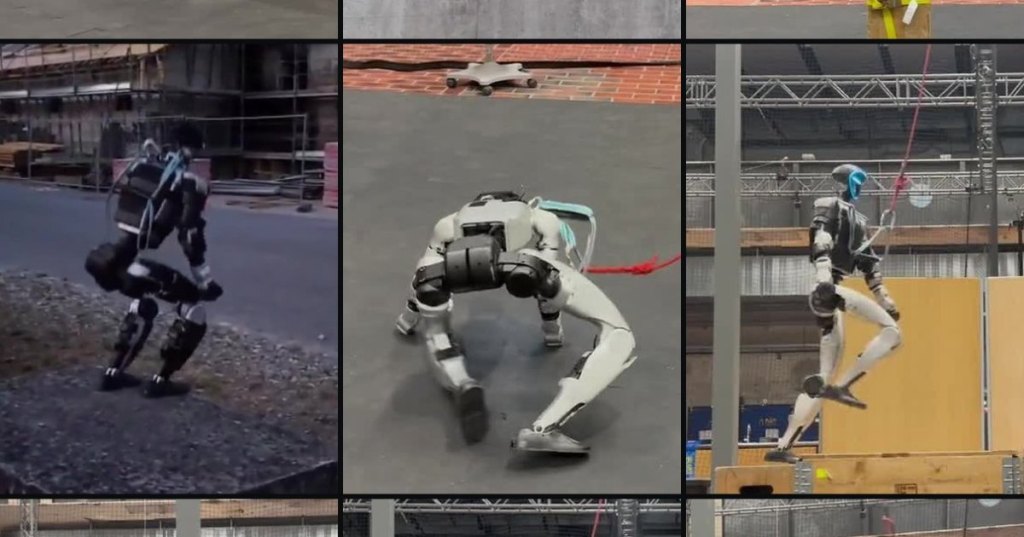
ETH Zurich’s Unitree G1 climbs ladders, vaults obstacles and recovers from falls using one contact-planning AI policy. A 92.5% simulation success result requires careful context.
-
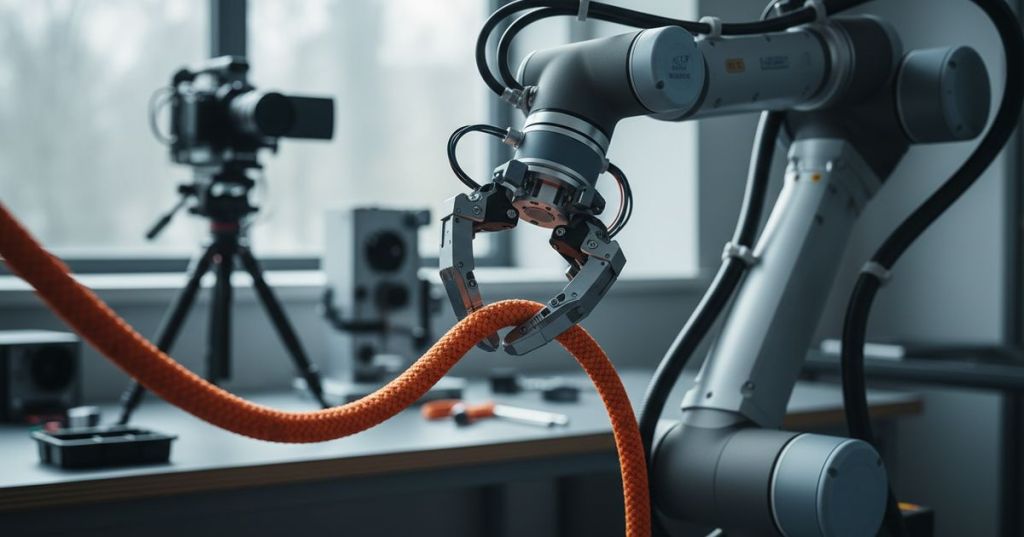
Carnegie Mellon’s Wiggle and Go method identifies rope motion with one brief probe. In physical robot tests, mean target error fell from 15.29 cm to 3.55 cm.
-
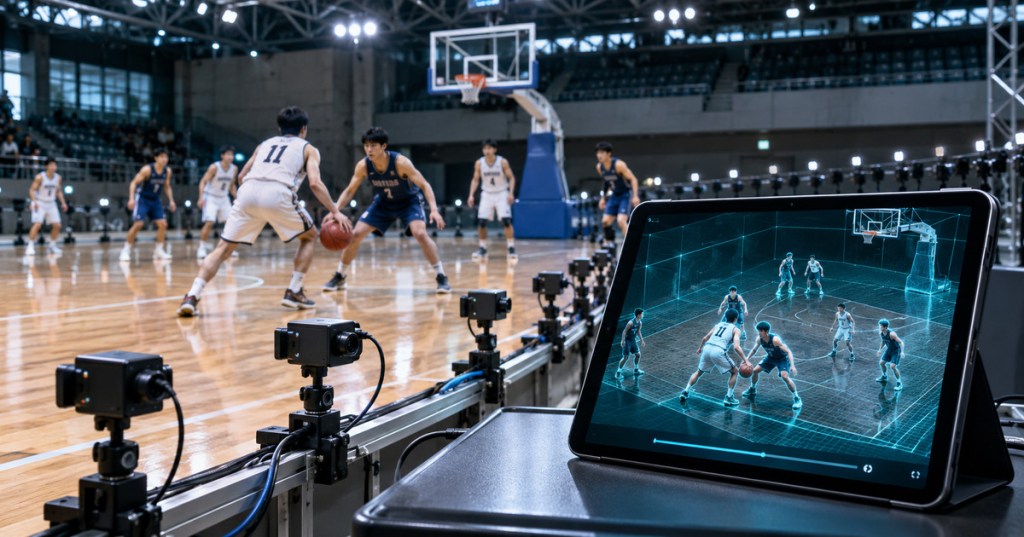
Canon demonstrated freely controlled live 3D basketball streaming to about 750 personal devices using roughly 100 cameras, with a reported 16-second capture-to-display delay.
-

CISA’s November 2 Ivanti deadline follows newly patched VPN flaws. Review the exploited attack chain, affected versions and response steps.
-

Two high-severity Kubeflow Pipelines flaws exposed run logs and enabled compressed-upload memory exhaustion. Version 2.18.0 fixes both; operators must upgrade the backend.
-
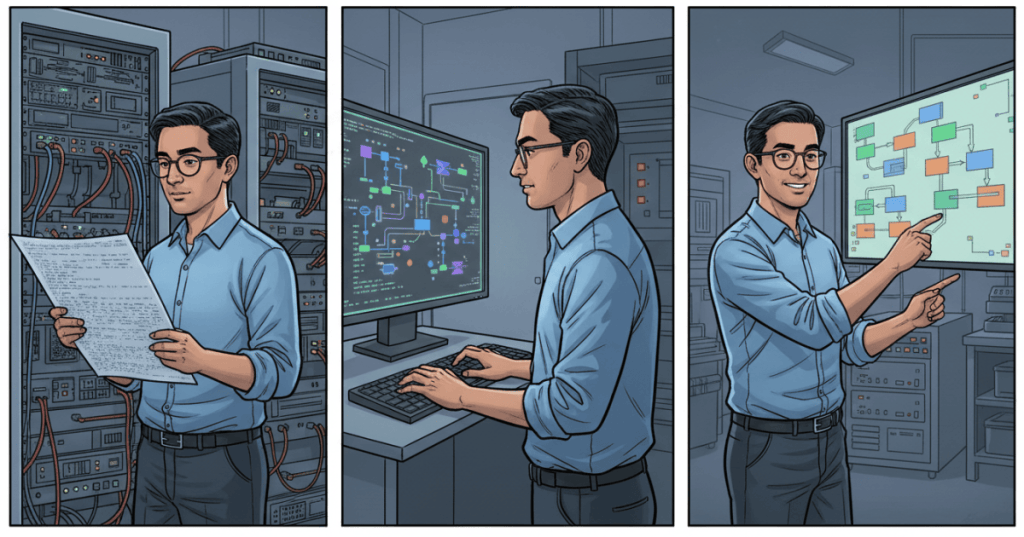
Perry’s Rust-built TypeScript compiler has moved to per-unit optimization analysis. Its October benchmark shows a major proof-coverage gap, even as native applications emerge.
-

The first Node.js 27 alpha brings V8 15.6, revised memory and HTTP defaults, and a new one-release-per-year calendar. What maintainers should test before 2027.
-

Google spotlights Move Cars using Antigravity for fast software delivery. A separate Google ADK case study shows why human engineers rejected four of six AI-proposed optimizations.
-
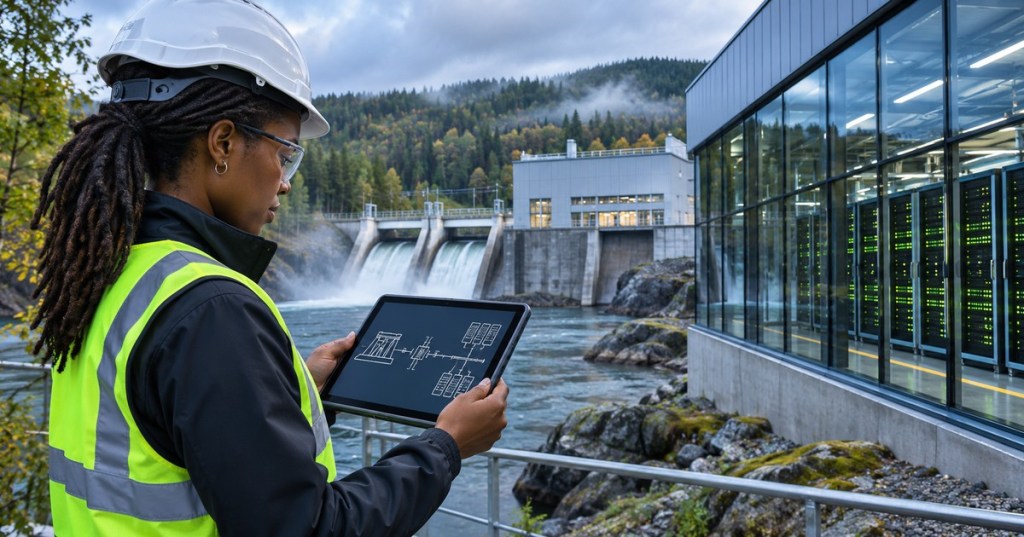
Alpha Compute disclosed a $71.9 million contract for a planned 576-GPU NVIDIA B300 AI cluster in Sweden. The company says its power is 100% hydropower; here is what the SEC filing does and does not establish.

