Trending News
-
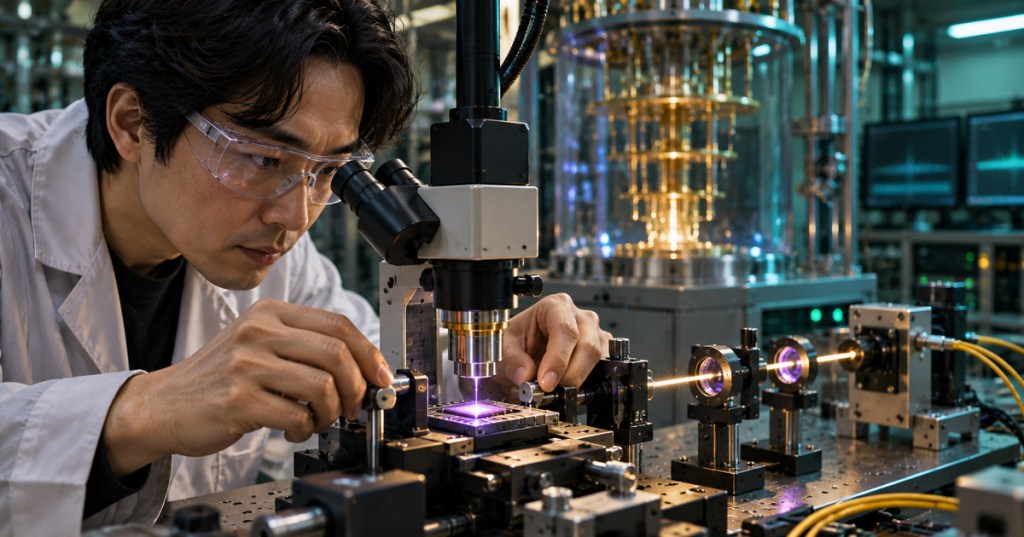
NVision’s Nature paper demonstrates optical control of an individual molecular qubit. Its HyperLight partnership targets photonic-chip integration, but scaling remains unproven.
-
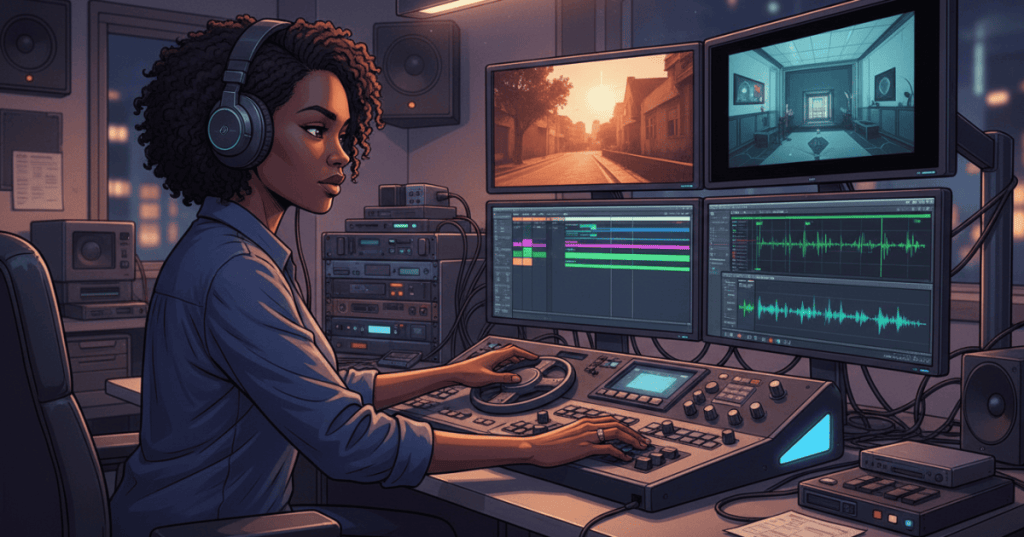
OpenShot 4.1.1 patches GPU exports, Windows saving, and macOS packaging while 4.1 adds experimental AI-friendly command-line video editing.
-
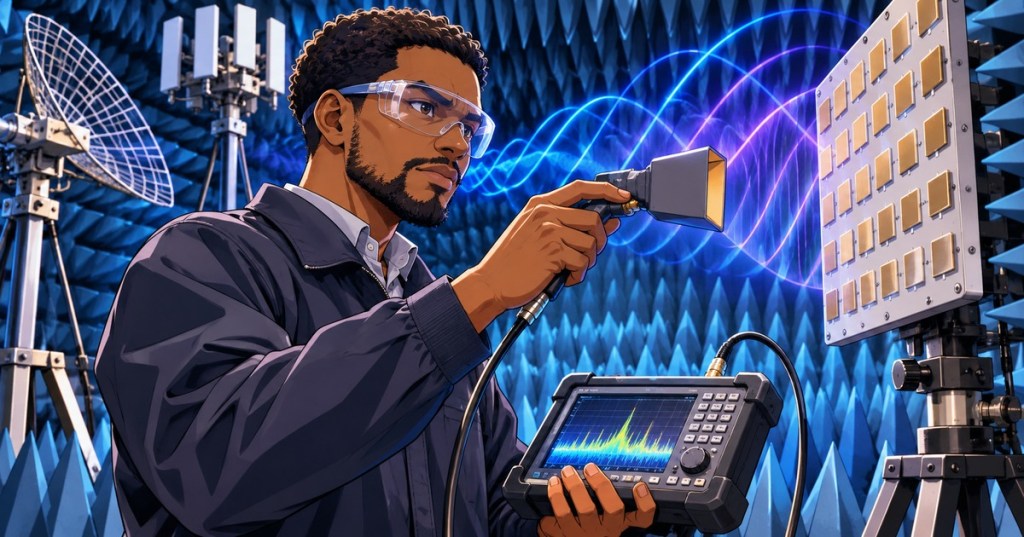
ATIS’s November 2 white paper proposes shared AI perception for wireless signals, with neuro-symbolic safeguards. What’s new, and what 6G research still needs to prove.
-
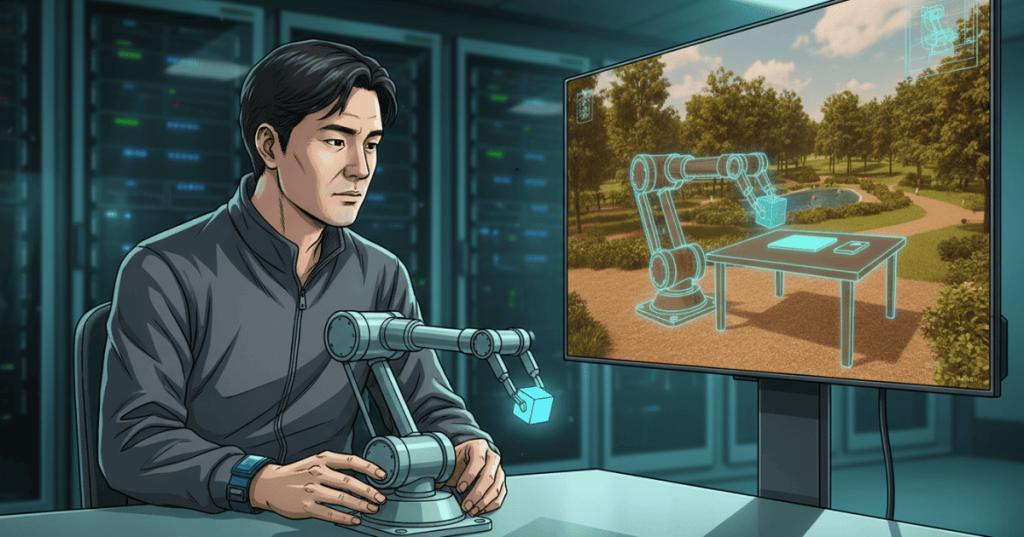
Reactor’s CEO demonstrates interactive AI worlds for robotics, while its engineers report cutting one video-decoder benchmark from 133.8 to 60.2 ms per chunk. Can the physics keep up?
-
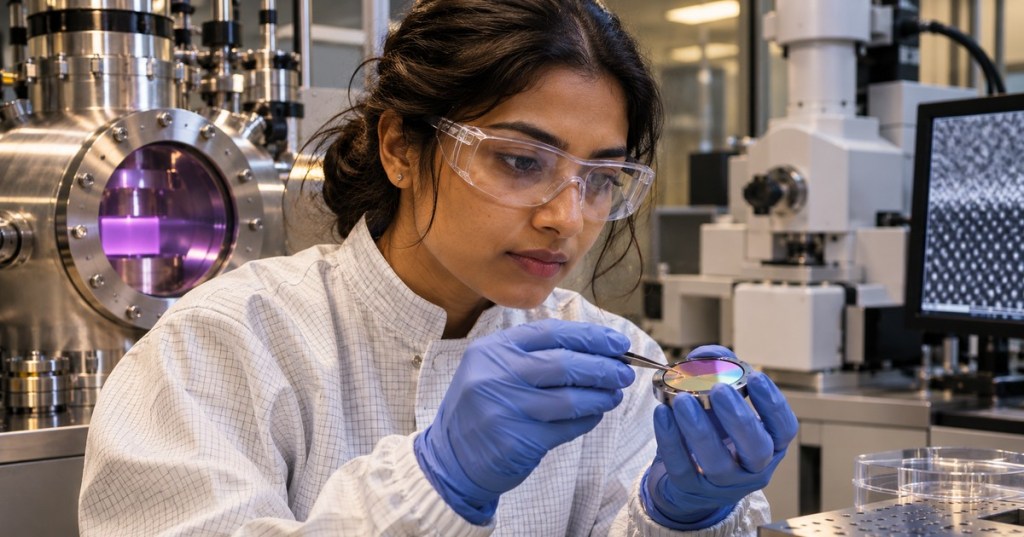
Brown University’s October 28 study preserves electric and magnetic order in bismuth ferrite at four unit cells. The physics is promising, but real chip efficiency remains untested.
-
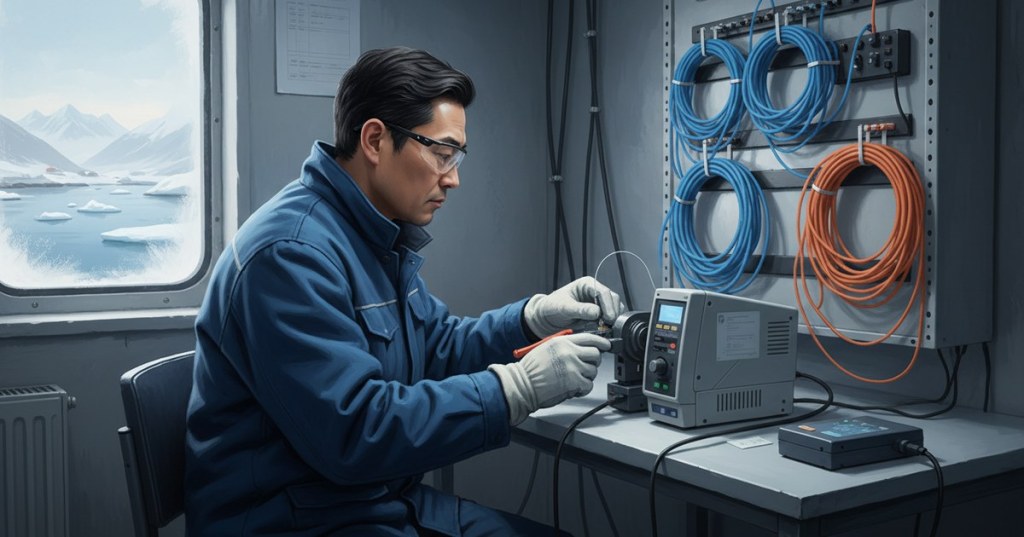
Space Norway selects Ciena to modernize its Svalbard cables and equip the planned 2,350-km Arctic Way subsea fiber network to Jan Mayen and Svalbard, targeting service in 2028.
-
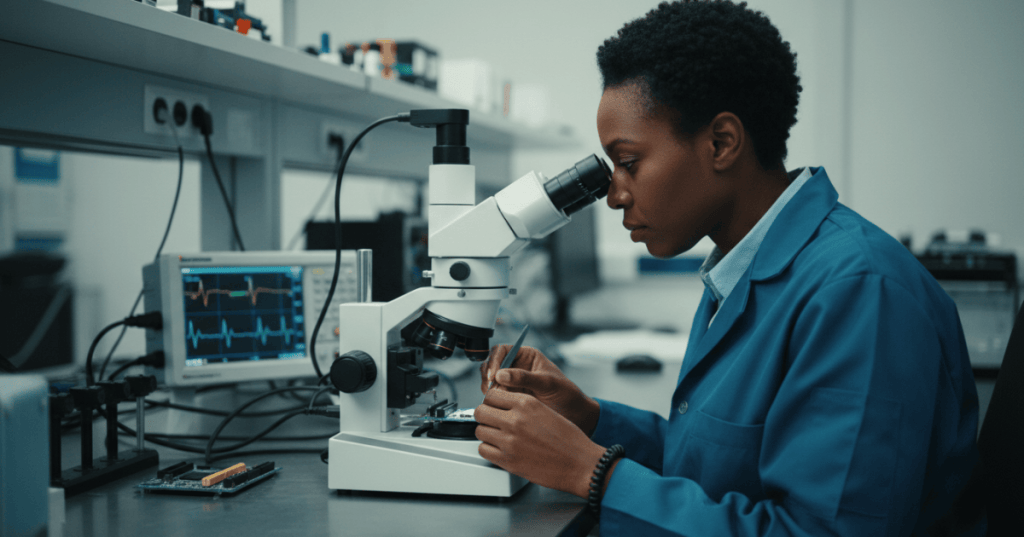
Ceva confirms its first NeuPro production deployment inside Mobilint’s 10-TOPS REGULUS edge-AI chip, with the MLD-R1 USB accelerator already shipping.
-
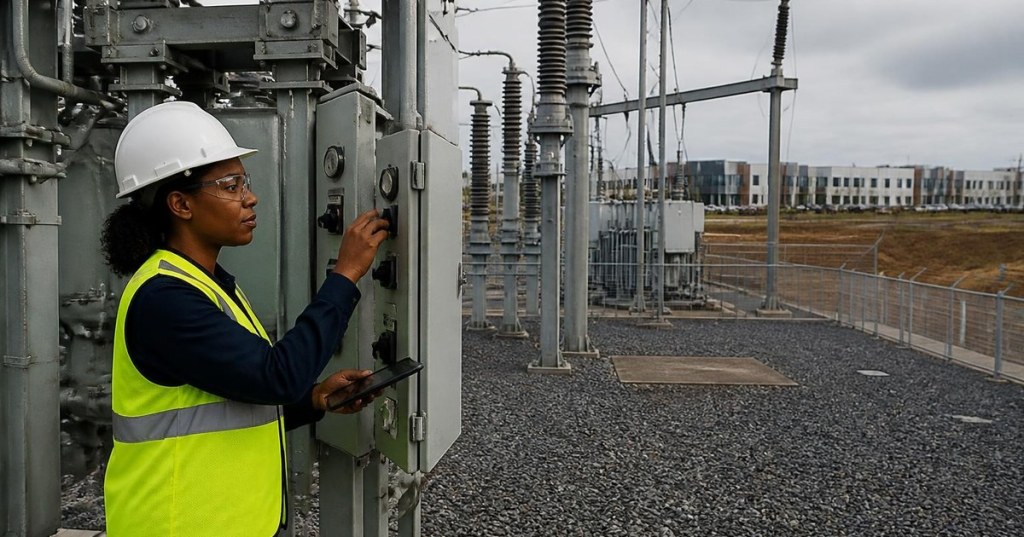
OpenAI’s new Grid Protectors Program starts with a planned Georgia AI campus contracted for 3.2 GW and up to 1 GW in demand response. What is committed—and what remains untested?
-
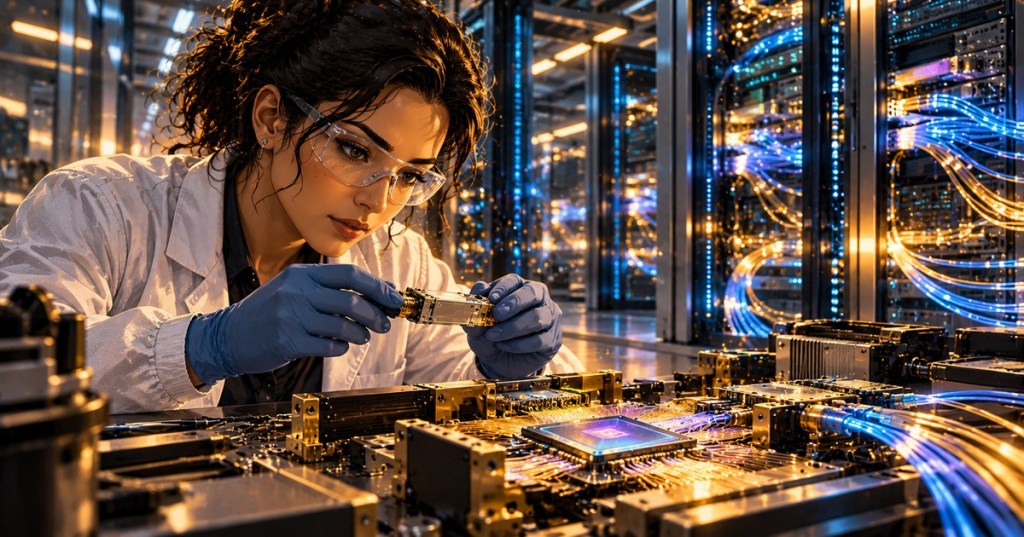
Marvell and Lumentum signed a $115 billion all-stock acquisition agreement that would combine custom AI silicon, networking chips, lasers and optical manufacturing.
-
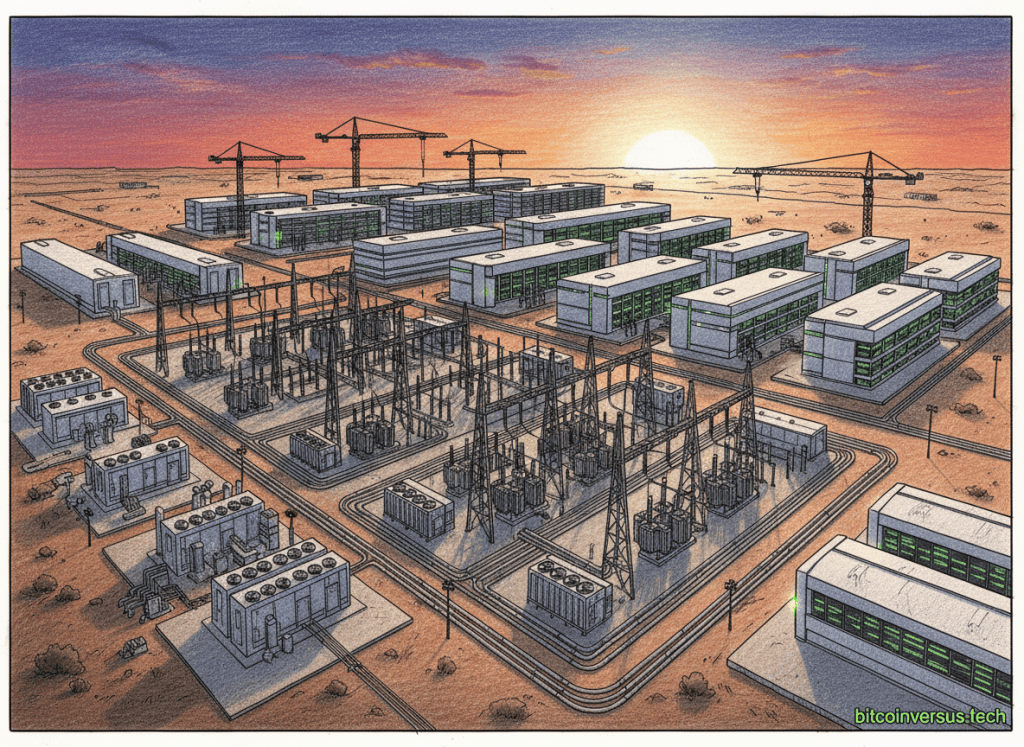
Cipher Digital reported $5.852 million in its first quarterly HPC leasing revenue, revealing how its Bitcoin mining-to-AI data-center transition is beginning to generate income.
-
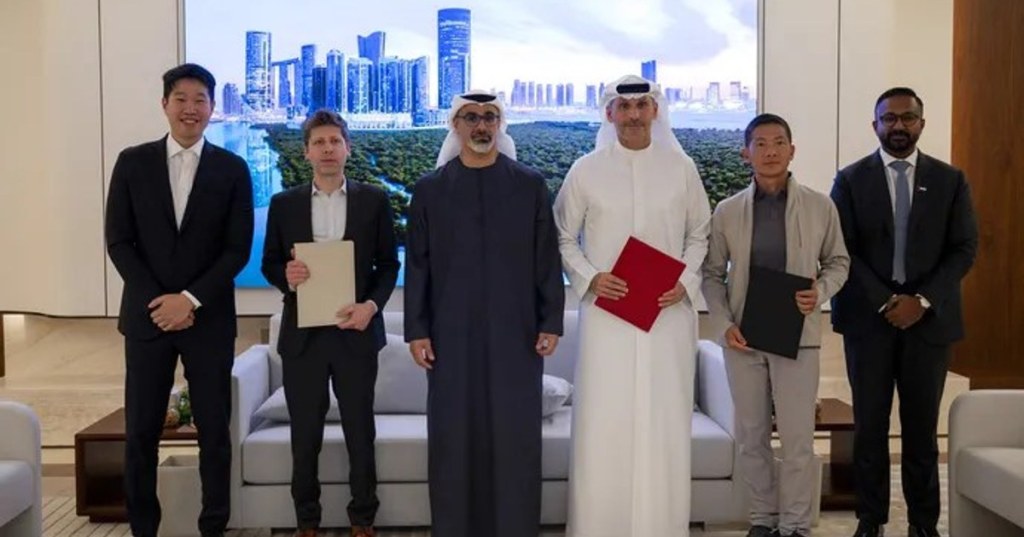
ADNOC signs with OpenAI and G42 to develop AI agents forecasting crude supply, demand, prices and margins. Here’s what the deal confirms—and what remains unproven.
-
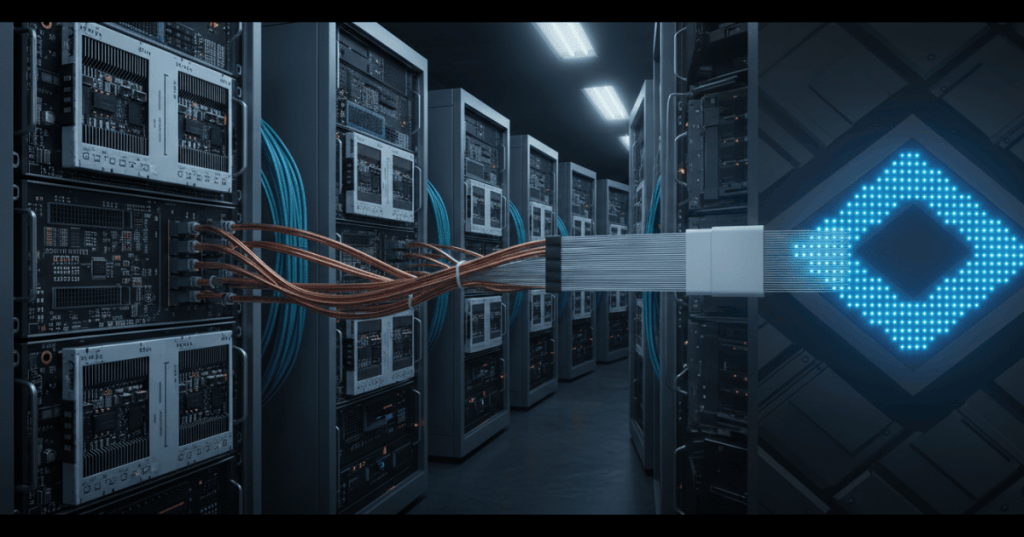
Kopin’s October 20 AI infrastructure panel tackled compute, power and networking limits as Fabric.AI’s MicroLED optical interconnect modeling drew fresh attention.

