Trending News
-

Kopin’s October 20 AI infrastructure panel tackled compute, power and networking limits as Fabric.AI’s MicroLED optical interconnect modeling drew fresh attention.
-
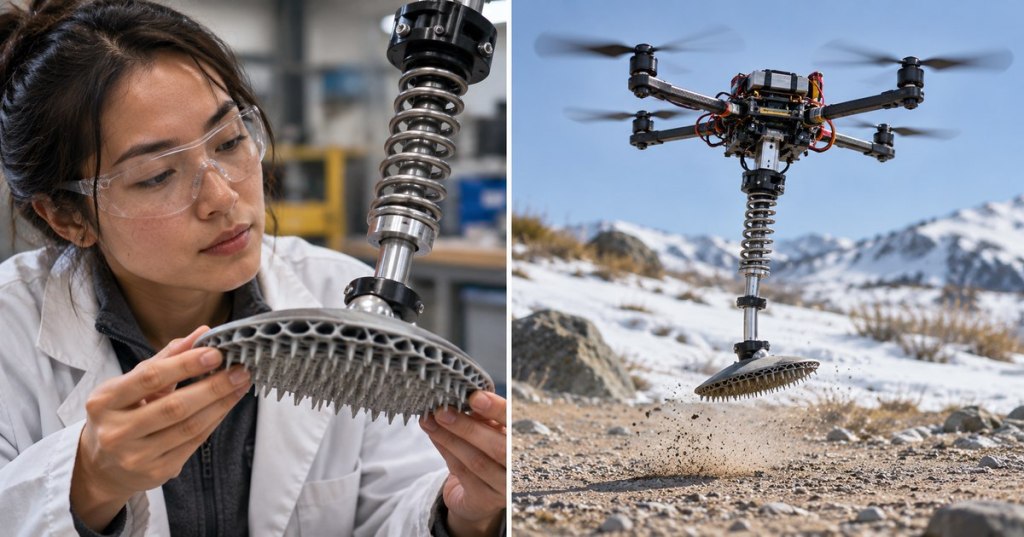
University of Toronto researchers redesigned the Hopcopter’s foot for sand, ice and rocks. Original test data show gravel rebound-energy retention rising from 40% to 67%.
-
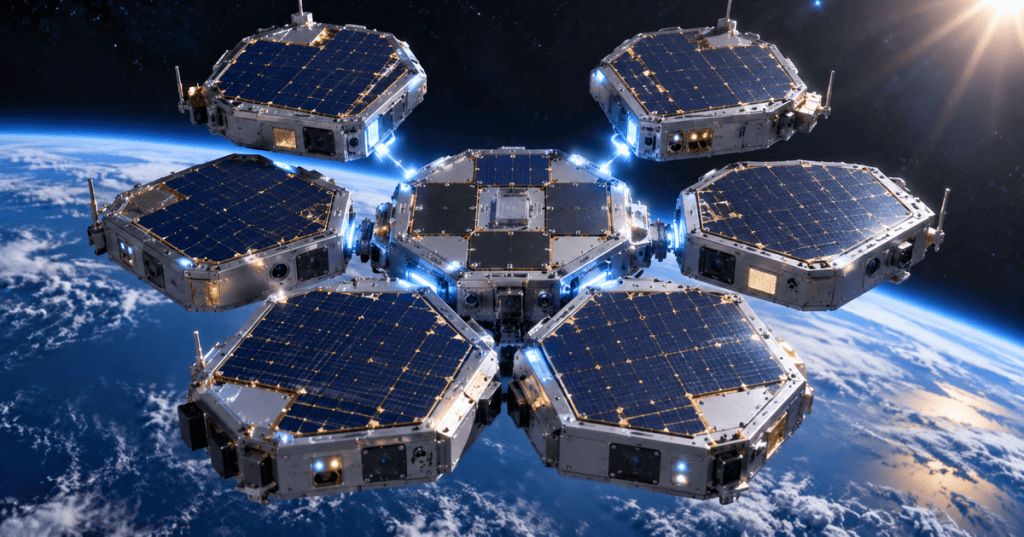
Rendezvous Robotics raises $20 million to build modular spacecraft that autonomously assemble in orbit. Next up: 32 ISS test tiles and a planned seven-tile free-space mission in 2028.
-

Weston Robot and 800 Super deploy an autonomous electric waterway-cleaning vessel in Singapore, with route planning, 5G oversight and debris collection.
-

A Brotli decoder memory-corruption vulnerability has triggered Node.js, cloud and operating-system fixes. Here is how the flawed decompression path works and what operators should check.
-

Cursor served tampered Claude Code extension versions on October 29, 2026. Microsoft details the SSH backdoor, and developers should check affected hosts for persistence.
-

Cisco confirms active exploitation of CVE-2026-76418, an 8.6-rated ASA and FTD remote-access VPN denial-of-service flaw. Here are the conditions and fixed releases.
-

Google and XREAL launch wired Android XR glasses with Gemini, a Snapdragon-powered compute puck and promotional pricing starting at $1,099.
-

Hitachi Energy’s new NVIDIA Omniverse-based power simulation models 800 VDC AI data-center infrastructure, grid resilience and changing electrical loads before construction.
-
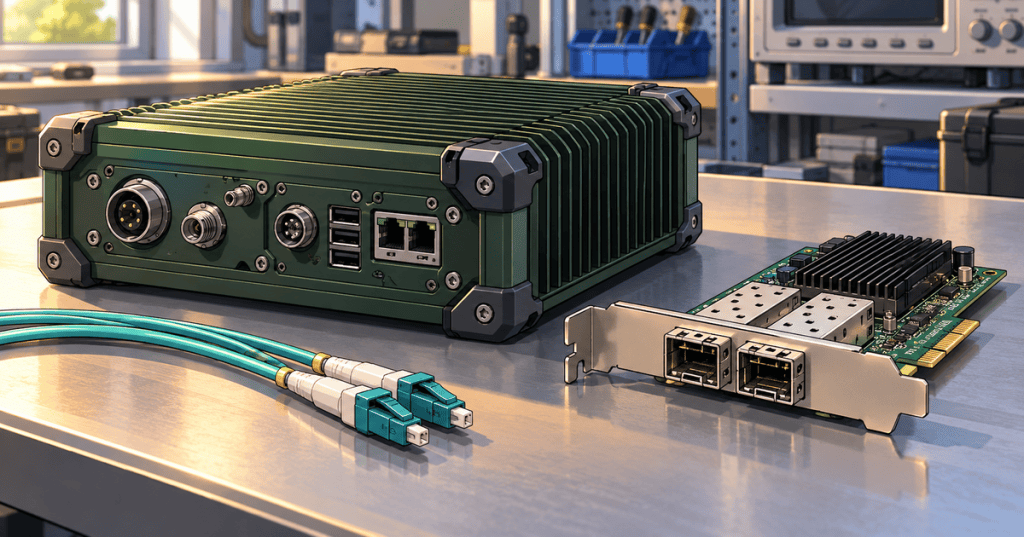
Core Systems plans dual-port AMD Solarflare 25 GbE networking for ATMOS2 in early 2027. A 2.5× per-port line-rate ratio is not a measured system speedup.
-
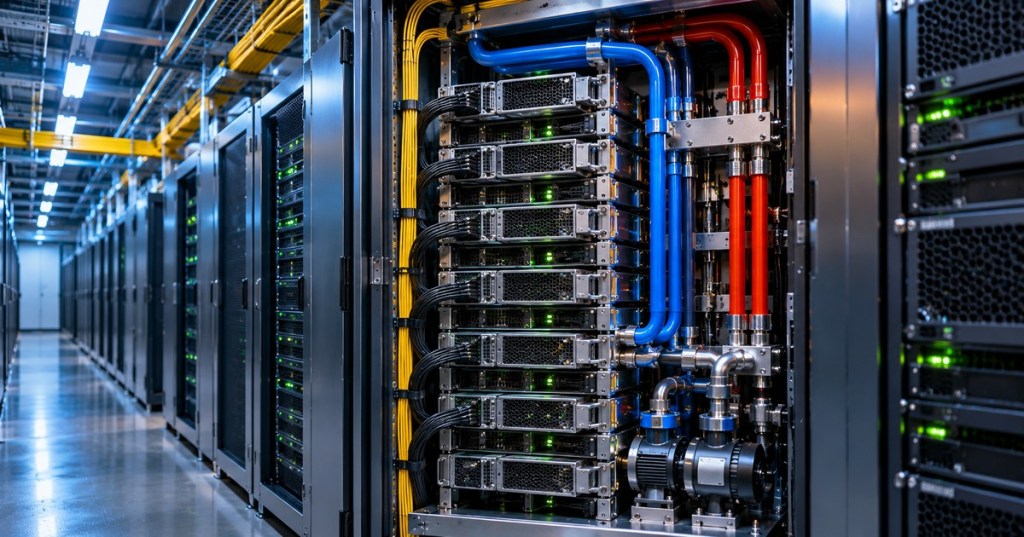
Vertiv’s SmartIT brings power, liquid cooling and monitoring together for NVIDIA MGX AI racks, including a GB300 version rated up to 142 kW.
-
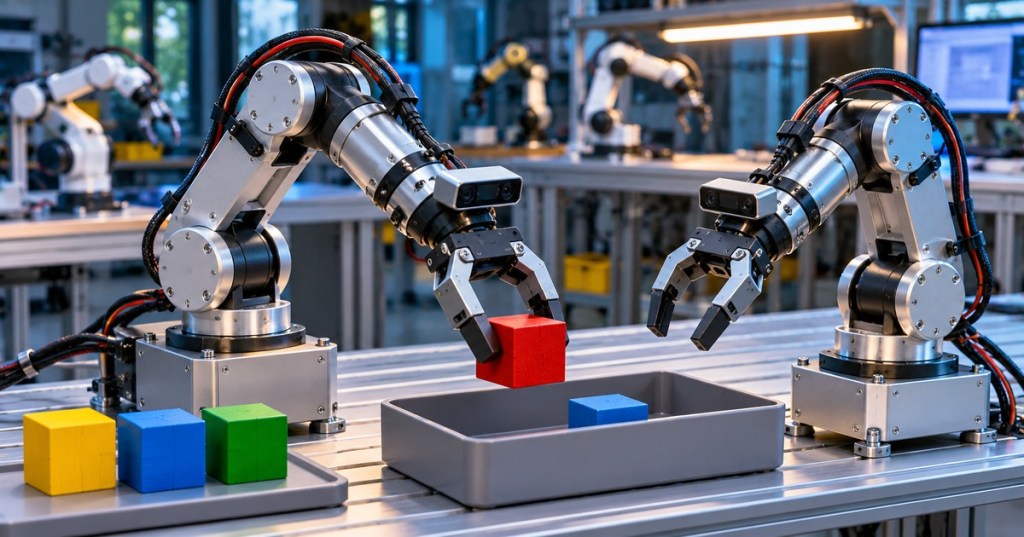
Dream Labs’ Dream-1 lets developers control unfamiliar two-arm robots via an API from $3/hour. An independent benchmark shows strong task progress, with important safety limits.

