electrical engineering
-
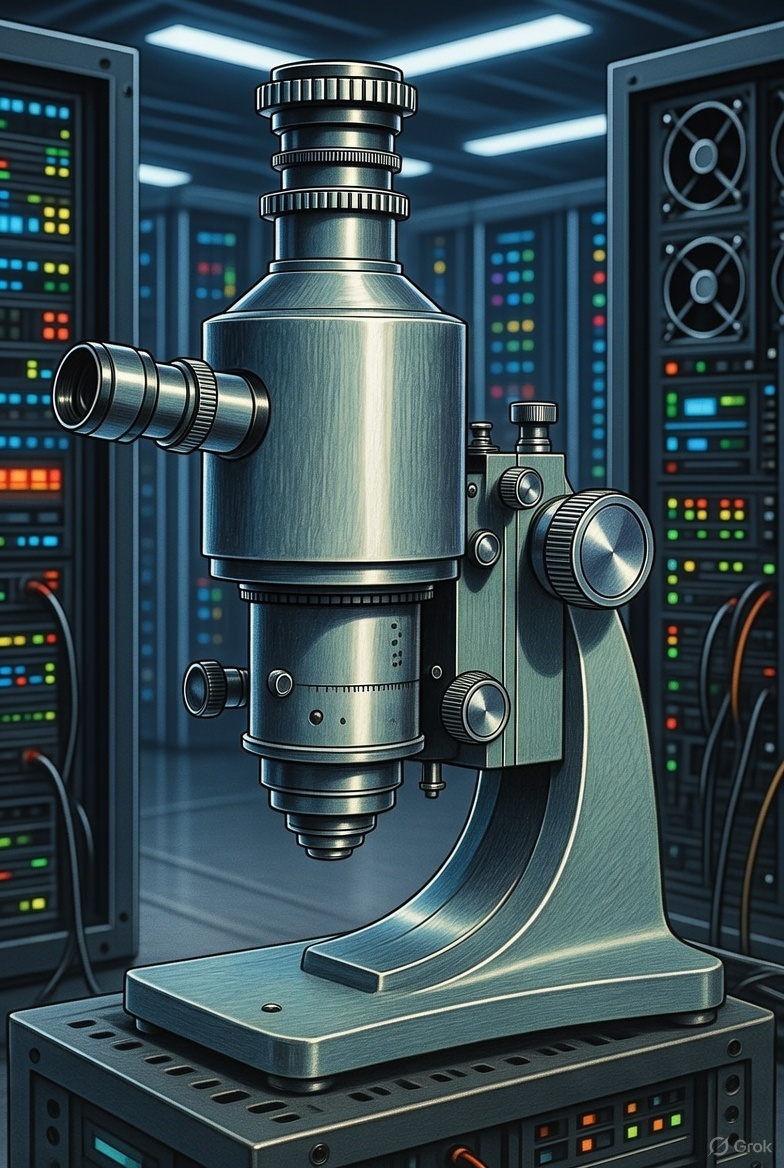
Wavelength Dispersive Spectroscopy (WDS) is an analytical technique used in electron microscopy to determine the elemental composition of materials with high precision. In WDS, characteristic X-rays emitted from a sample are diffracted by a crystal and separated based on their wavelength before being detected. This method provides excellent spectral resolution, allowing researchers to distinguish between…
-
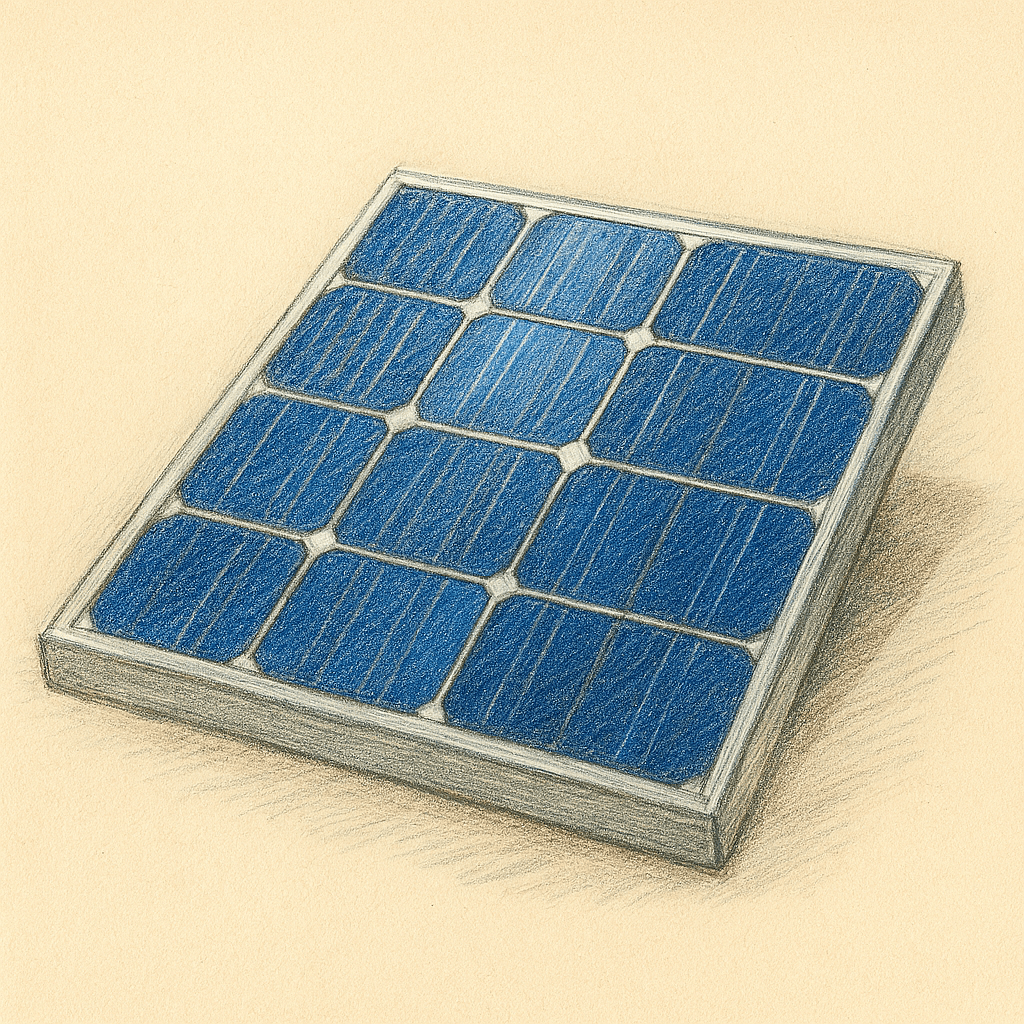
Solar cell roughness characterization is the process of analyzing and quantifying the surface texture of photovoltaic materials to understand how microscopic topographical features influence optical and electrical performance. The surface of a solar cell—whether crystalline silicon, thin-film, or emerging materials like perovskites—plays a critical role in determining how light interacts with the device. Controlled roughness…
-
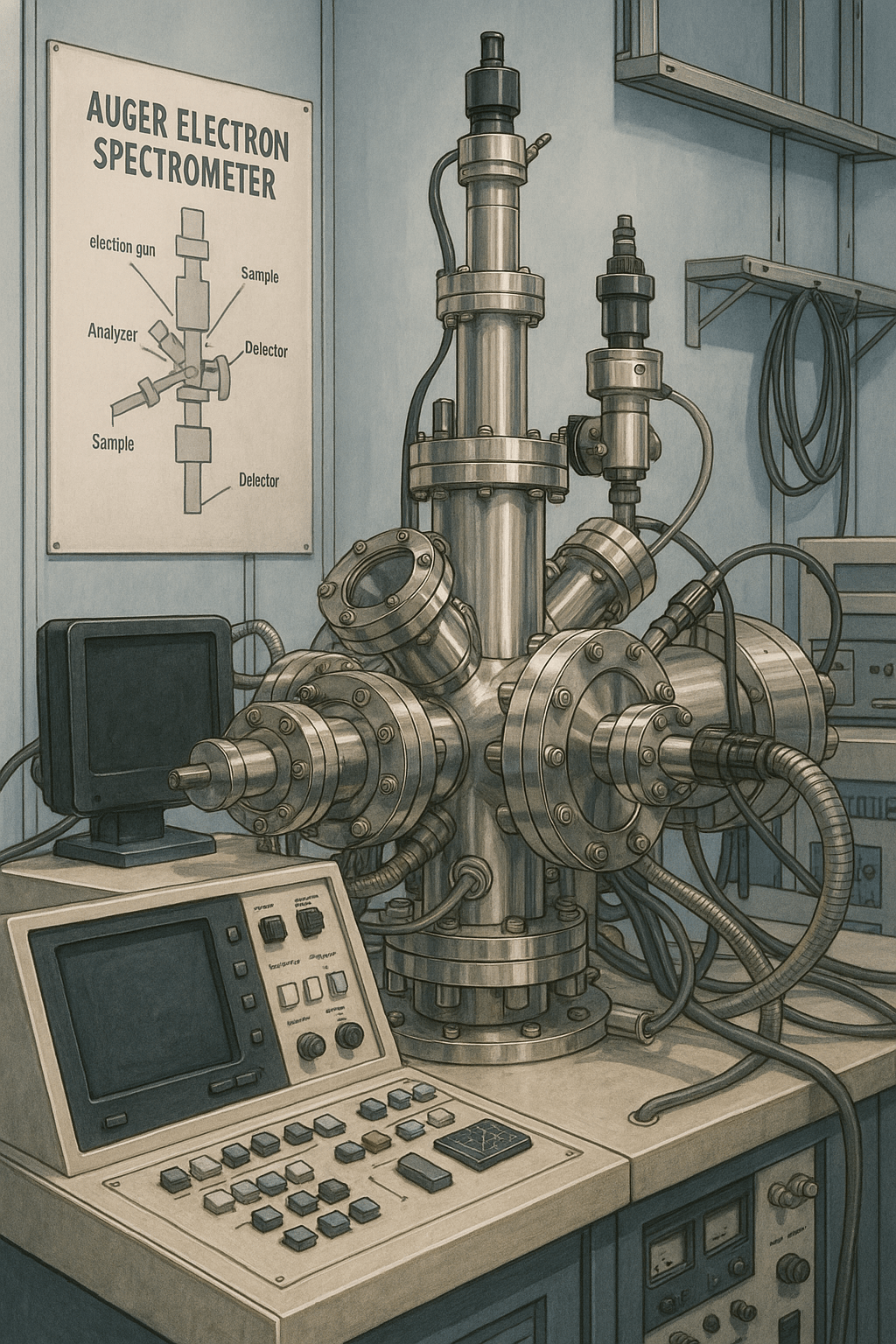
Auger electron emission is a physical process that occurs when an atom with a vacancy in one of its inner electron shells undergoes relaxation. After the removal of a core electron—typically by an incident high-energy electron or X-ray photon—an electron from a higher energy level drops down to fill the vacancy. The excess energy released…
-
Auger Electron Spectroscopy (AES) is a powerful surface-sensitive analytical technique widely used in materials science to investigate the elemental composition of the outermost atomic layers of a sample. Unlike bulk characterization methods, AES focuses specifically on the top few nanometers of a material, making it invaluable for studying thin films, coatings, and surface modifications. The…
-
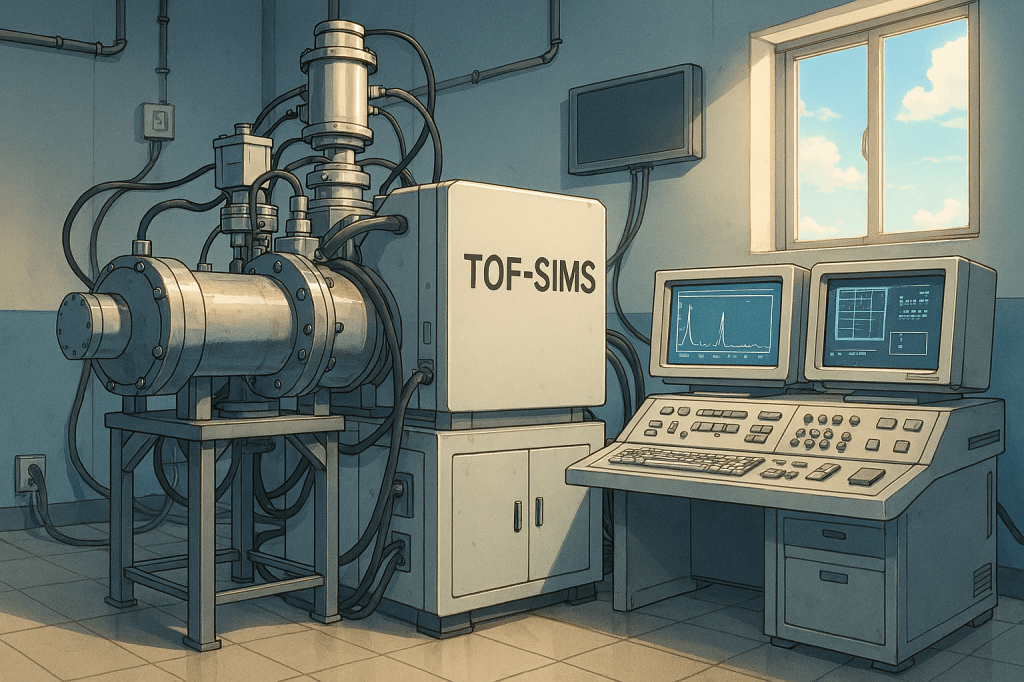
SIMS (Secondary Ion Mass Spectrometry) instrumentation is designed to analyze the surface composition of materials by detecting ions ejected from the surface. The system includes a primary ion source that fires a focused beam of ions (like gallium or cesium) onto the sample. This bombardment knocks atoms and molecules off the surface, some of which…
-
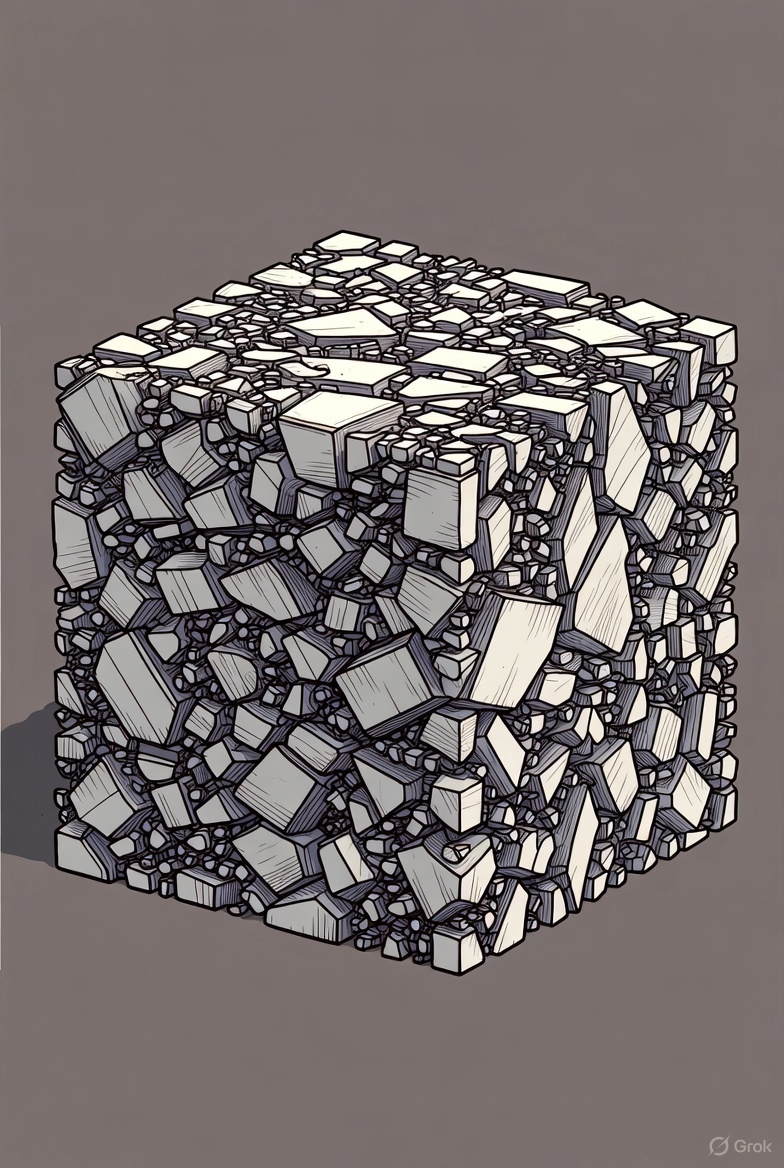
Polycrystalline silicon, often called poly-si, is a special material used to build the tiny pathways inside computer chips. Its main job is to control the flow of electricity, and a key property it has is called resistance. Resistance is how much a material slows down or fights against the electric current. Think of it like trying…
-
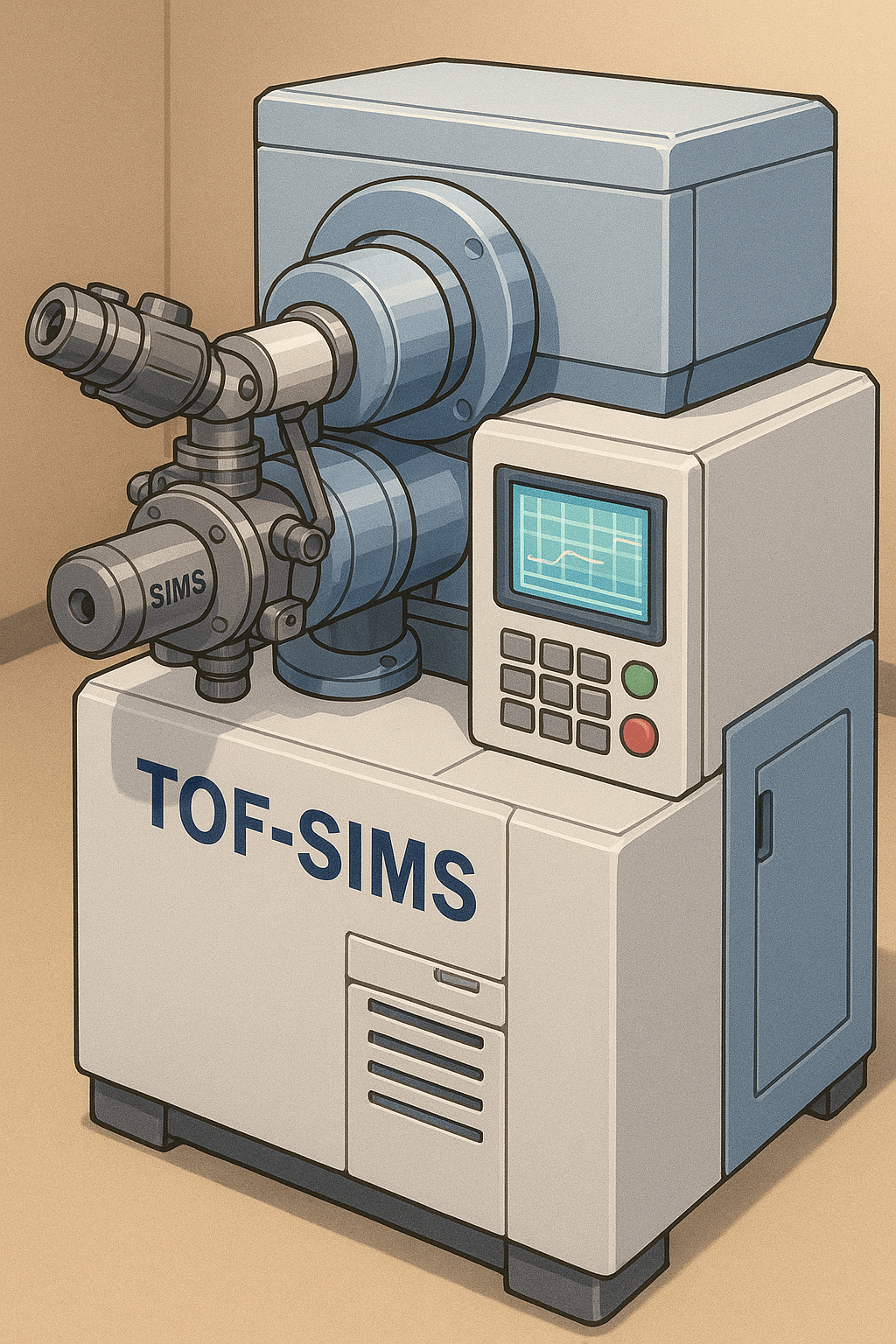
Time-of-Flight Secondary Ion Mass Spectrometry (TOF-SIMS) is a powerful technique used to analyze the surface of materials by detecting the chemical composition of just the outermost layers. The technique allows for analysis of a chemical structure in 3D with nanoscale resolution. In this method, a sample is bombarded with a focused beam of primary ions.…
-

The solar energy industry traces its roots to nineteenth century scientific discoveries, beginning with the photovoltaic effect identified by Edmond Becquerel in 1839 and early selenium based cells in the late 1800s. It did not become a modern commercial sector until Bell Labs created the first practical silicon solar cell in 1954, which initially found…
-
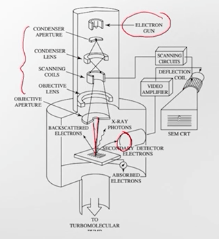
Scanning Electron Microscopy, or SEM, is a way to take very close‑up pictures of tiny things by shooting a thin beam of electrons onto a sample and moving the beam back and forth like a scanner. When the electrons hit the surface, they knock out other electrons and sometimes cause the material to emit X‑rays;…
-
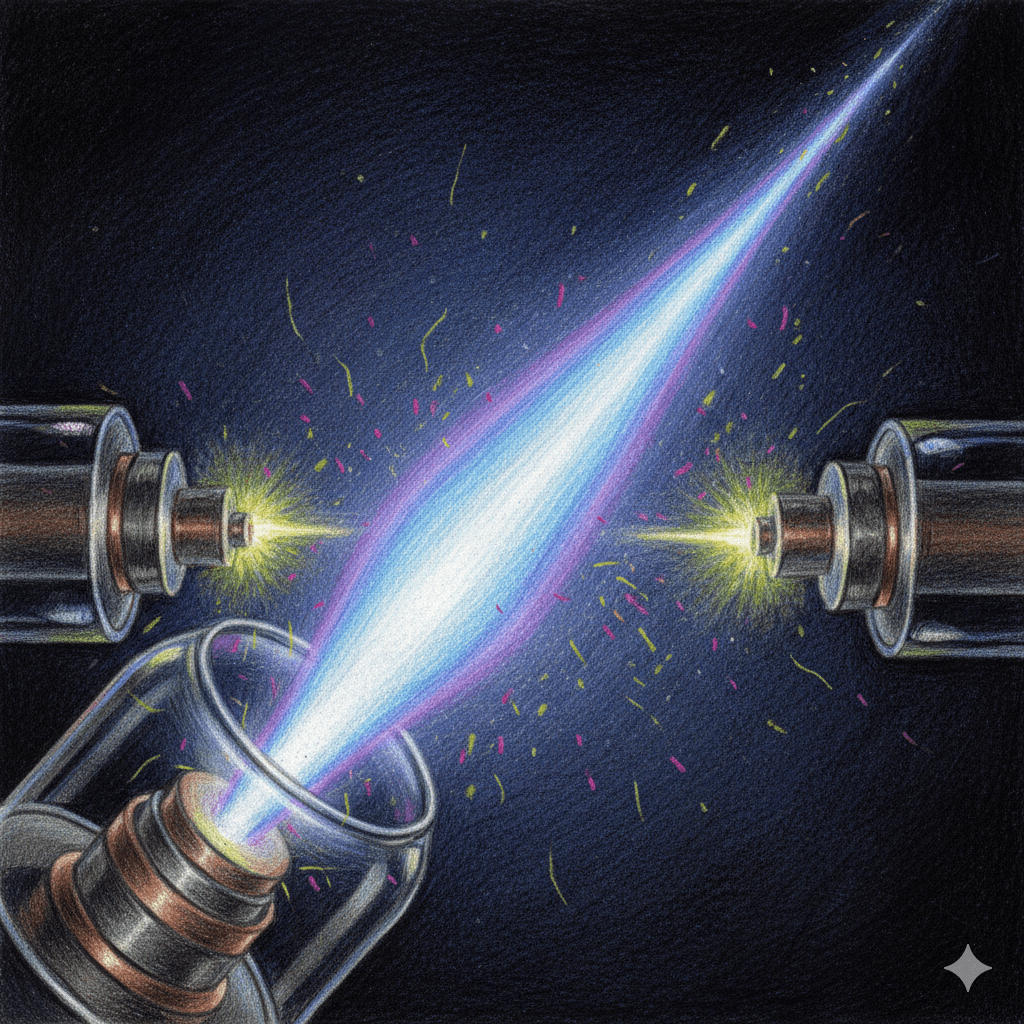
Electron beam characterization involves using a focused beam of electrons to probe and analyze materials at very fine scales. Techniques such as scanning electron microscopy (SEM) and transmission electron microscopy (TEM) rely on the interaction between electrons and the atoms in a sample to reveal details about surface morphology, internal structure, and even chemical composition.…
-
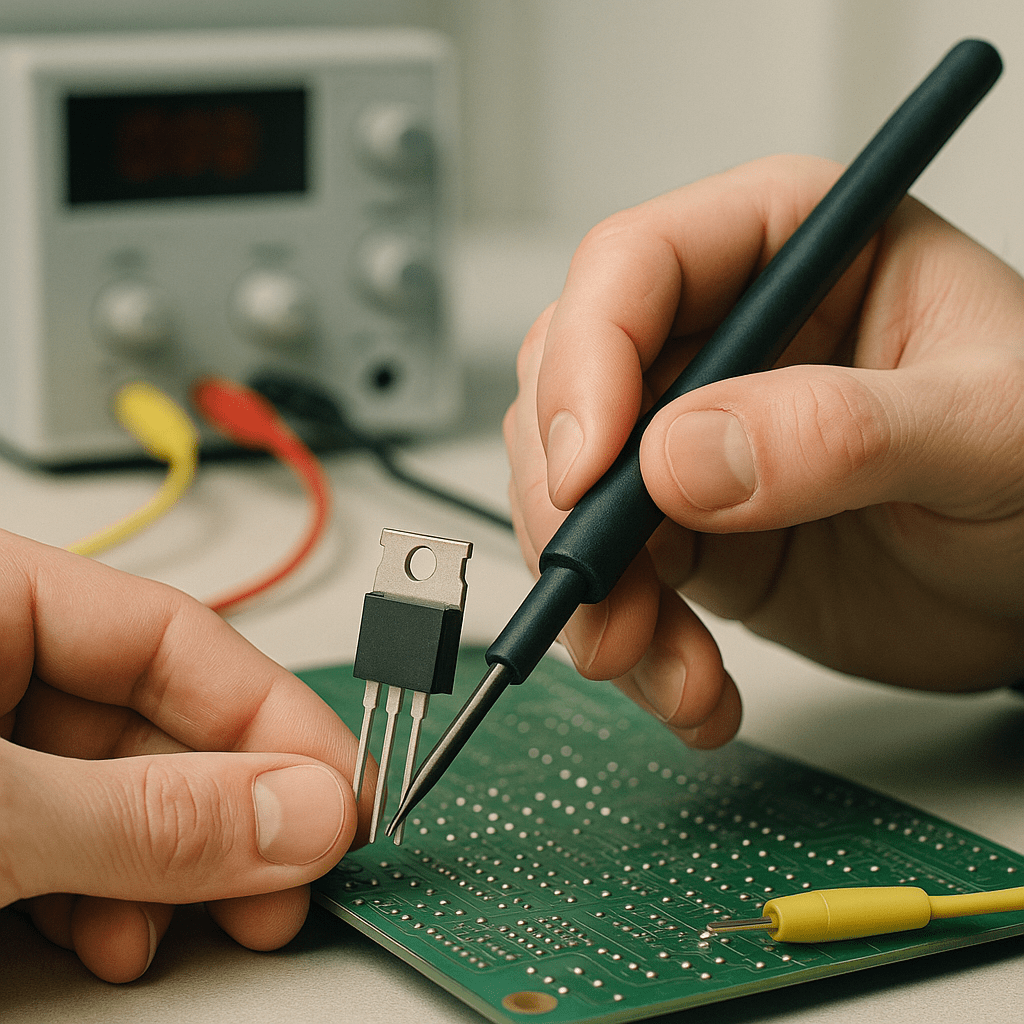
The source‑series resistance (Rₛ) and drain‑series resistance (Rᴅ) are the parasitic resistances that appear in series with the source and drain terminals of a MOSFET. They arise from the silicon substrate, metallization layers, and package leads that connect the internal transistor to the external pins. When the device is turned on, the total on‑resistance (Rₒₙ)…
-
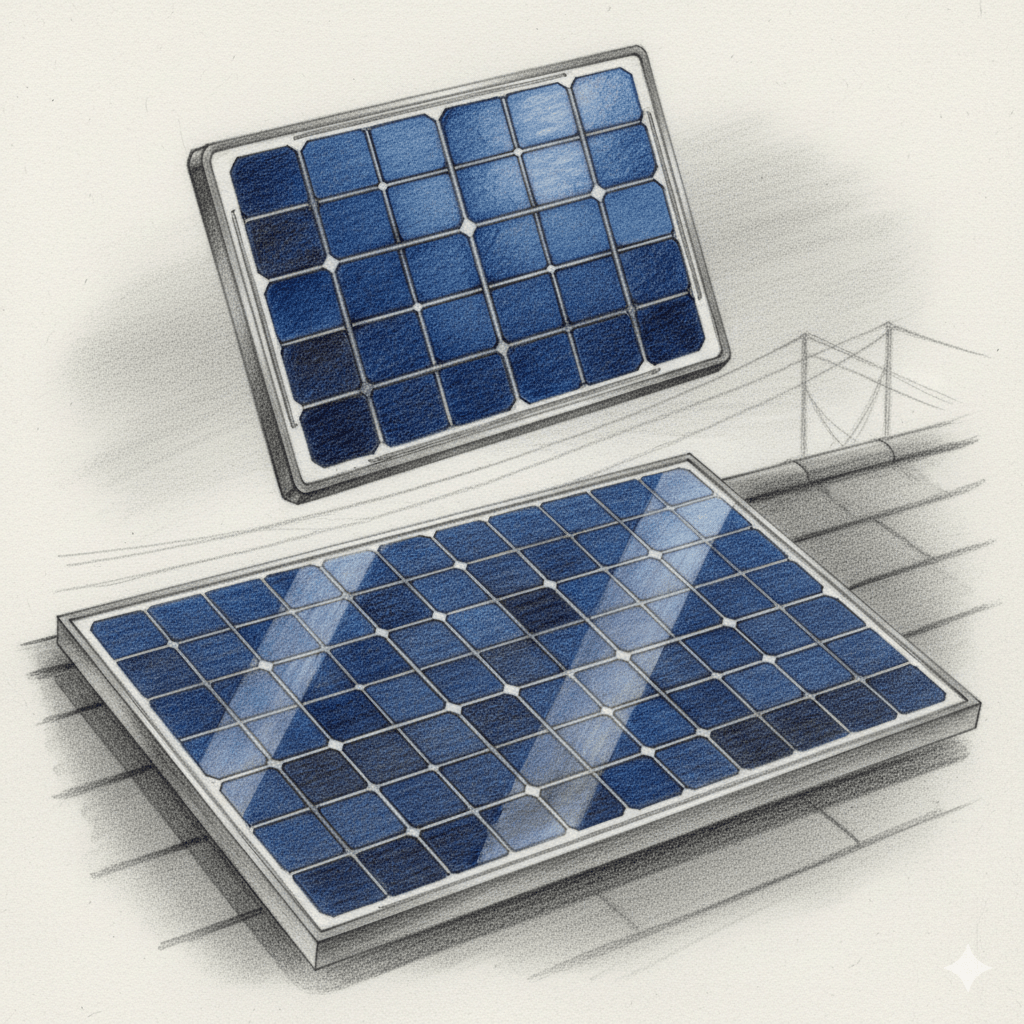
Solar cells, often called photovoltaic cells, are semiconductor devices that convert light from the sun directly into electrical energy. They form the basic building block of solar panels and many other solar power systems. Basic idea A solar cell takes incoming light, absorbs part of that light inside a semiconductor, and turns the absorbed energy…

